 TripMyChinaJOURNEYS THROUGH REAL CHINA✦ AI Trip✦ Plan My Trip
English
简体中文
繁體中文
日本語
한국어
ไทย
Tiếng Việt
Bahasa Indonesia
Italiano
Español
العربية
Русский
Deutsch
Français
Bahasa Malaysia
TripMyChinaJOURNEYS THROUGH REAL CHINA✦ AI Trip✦ Plan My TripUrumqi · Attractions
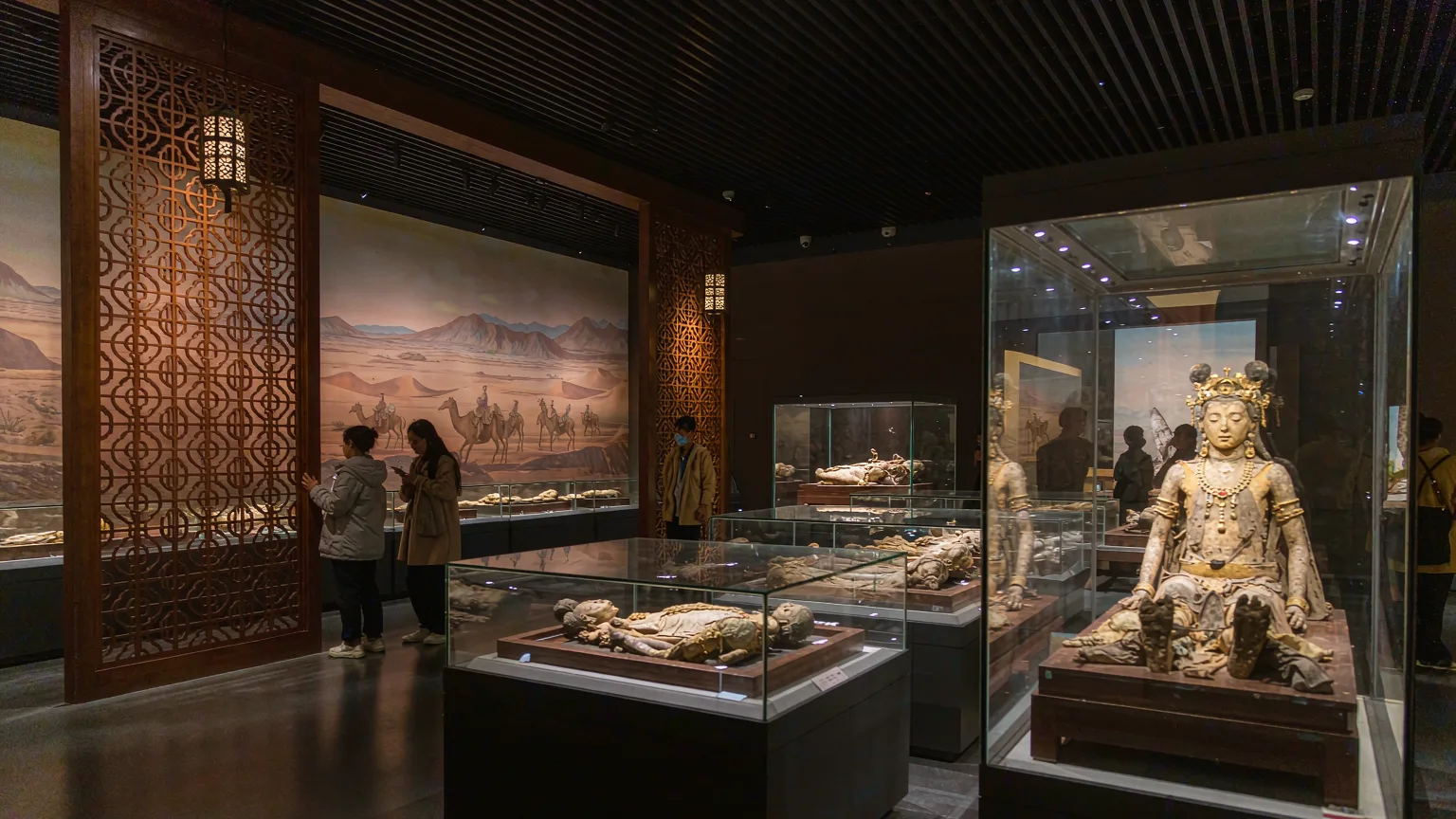
The regional museum on Xibei Road was founded in 1959 and moved into the present building in 2005; it holds about 50,000 objects. Entry is free, it closes on Mondays, and you book online with a passport. Most people come for the mummy gallery, which is the only place in the country where you can see this many naturally dried bodies in one room. The silk and the documents on the same floor are the better half. The building is a plain 2005 block with a long ramp, easy to walk and short on charm. Two hours covers the mummies and the silk; three covers the documents, which most visitors skip and which explain how this place was governed.
The collection started with the material brought back by the Sino-Swedish expeditions of the late 1920s and grew with the excavation of Turpan, Niya and Loulan. The bodies survive because of the climate. Turpan gets under 20 mm of rain a year, the tombs are deep and dry, and a corpse desiccates in sand before bacteria can work. The Loulan Beauty was lifted out of the sand in 1980 and is about 3,800 years old; the Qiemo infant, found in 1996, is a baby of roughly 2,800 years. The galleries are arranged by period rather than by culture, which makes the sequence easier to follow than the labels suggest at first. Lighting is low throughout, which protects the objects and makes the first ten minutes feel dark until your eyes adjust.
The permanent galleries are on the ground and first floors: history of the western regions, dress, the mummy hall, and a textile room. The mummy hall runs colder than the rest of the building and the cases are humidity-controlled. The brocade armguard woven with the words Five Stars Rise in the East, Benefit China came out of Niya in 1995, a Han dynasty Shu silk in five colours, and it is the most crowded case in the museum. The Fuxi and Nuwa painting, on hemp from a Turpan tomb, shows the two with snake tails, holding a compass and a square. Labels are in Chinese and English, and the English is better than average for a provincial museum. The object numbers are small; bring glasses if you need them.
Free. Open 10:00 to 18:00, last entry 17:00, extended to 18:30 in summer. Closed Mondays. Book one to seven days ahead on the museum's WeChat account with a passport number.
581 Xibei Road. Metro Line 1 to Balou, then 15 minutes on foot, or buses 7, 17, 51 to the museum stop.
Be inside at 10:00 and go straight to the mummy hall. Tour groups arrive around 11:00 and the cases queue.
No. There are no tickets at the door, and tour groups take part of the daily quota.
Over ten, yes. The mummy hall is dim and cold and frightens younger children; start with the history galleries.
 Full day · 8–10 hours
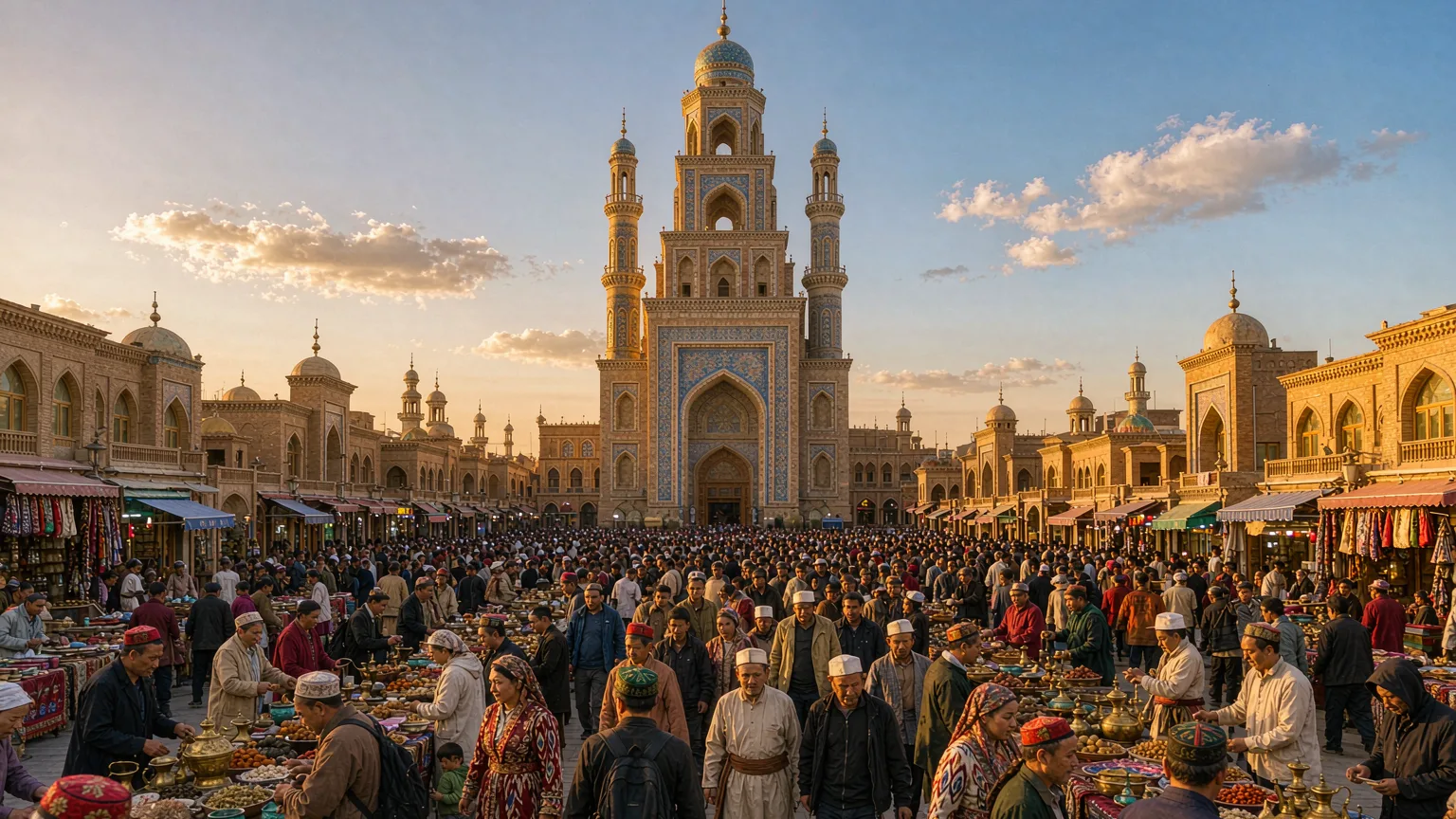
A full day in the heart of Xinjiang's capital, from ancient Silk Road trade to living culture
View details →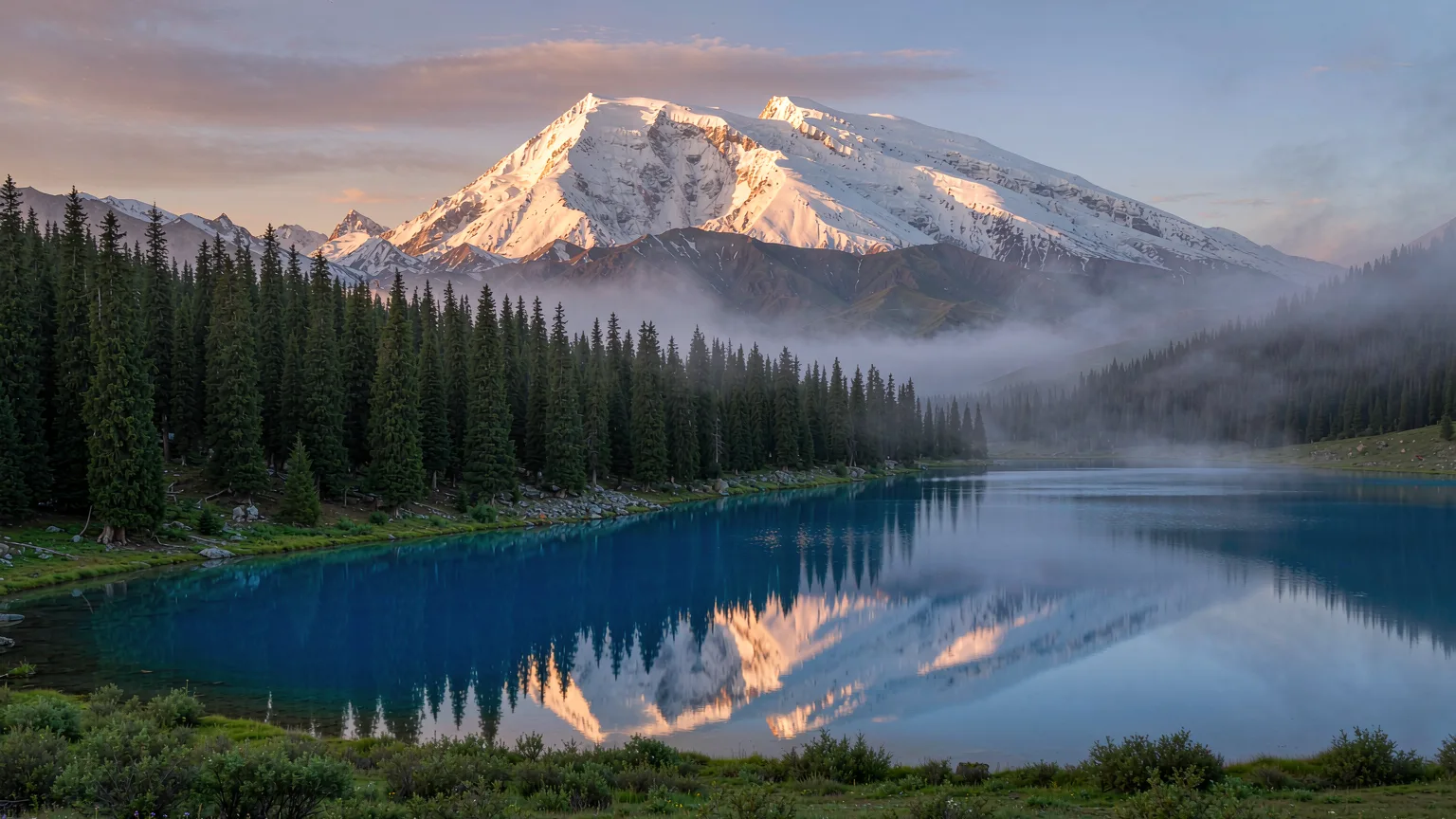 Full day · 8–10 hours
Escape the city for a day at a stunning alpine lake beneath the snow-capped Bogda Peak
View details →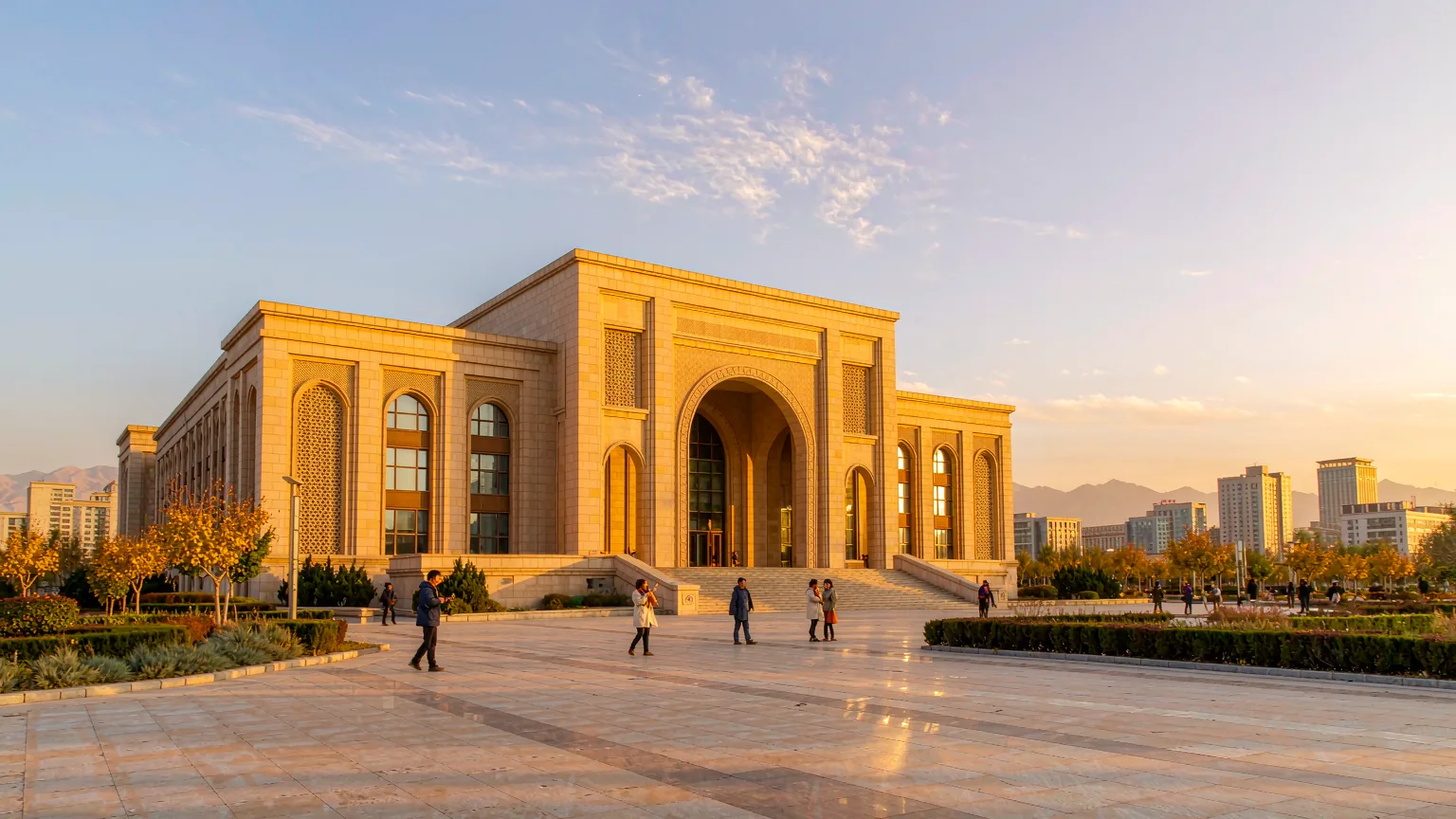 Half day · 4–5 hours
A focused museum deep-dive into Xinjiang's Silk Road story, from ancient mummies to everyday life
View details →2 days · 1 night · privateA two-day express pairing Urumqi's city anchors with the region's clas
View details →3 days · 2 nights · privateThree days cover Urumqi's classic circuit. Day one pairs the region mu
View details →Booked a private driver for two days and it was worth every yuan. The guy took us up to Tianchi around noon, and the water was that weird turquoise color you only see in photos — snow peaks sitting right on the surface. He also knew exactly when to hit the Grand Bazaar so it wasn't a total zoo.
Took the kids up Red Mountain Park at sunset and they complained the whole way up, then went quiet when the city lit up orange below us. The next morning we drove out to Nanshan pasture and my daughter ended up sharing milk tea with a herder while his sheep wandered around us. She still talks about it.
Private car & driver, day trips and multi-day routes from Urumqi. · Free consultation · reply within 12h