 TripMyChinaJOURNEYS THROUGH REAL CHINA✦ AI Trip✦ Plan My Trip
English
简体中文
繁體中文
日本語
한국어
ไทย
Tiếng Việt
Bahasa Indonesia
Italiano
Español
العربية
Русский
Deutsch
Français
Bahasa Malaysia
TripMyChinaJOURNEYS THROUGH REAL CHINA✦ AI Trip✦ Plan My TripUrumqi, the gateway to Xinjiang, sits closer to Mongolia's coast of any ocean than any other major city, and it shows in its character: hearty Central Asian flavors, the lively International Grand Bazaar and snowcapped Tianshan peaks on the horizon. Use it as a base for Tianchi Lake day trips before heading down the Silk Road. Ideal for food-lovers and road-trippers.
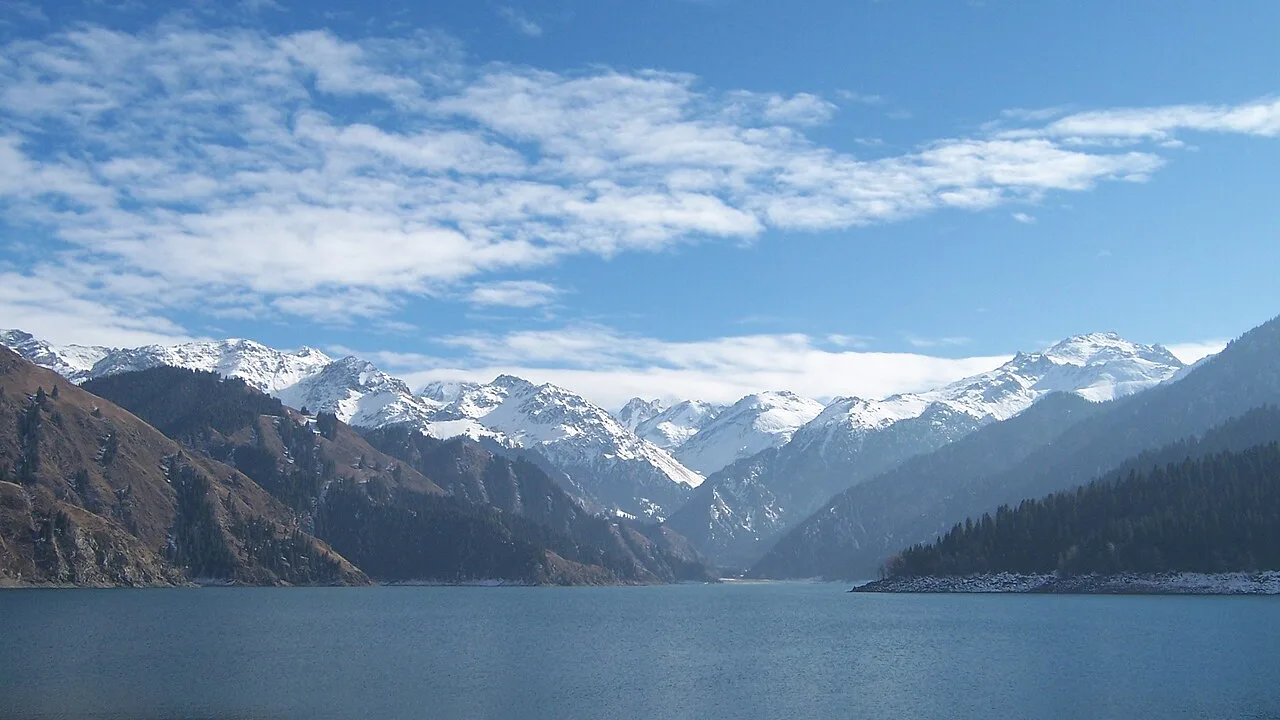
Urumqi, the capital of the Xinjiang Uygur Autonomous Region in northwest China, is the largest city in the country's western interior and one of the most landlocked major cities on Earth — the nearest ocean lies some 2,500 kilometers away. Its name comes from the Mongolian for 'beautiful pasture', a nod to the grazing lands that once surrounded the oasis. For centuries this was a key stop on the northern branch of the Silk Road, where caravans exchanged silk, jade, spices and ideas between China and Central Asia. Today it is a modern, multi-ethnic metropolis of Han, Uygur, Hui, Kazakh and other peoples, and the gateway to Xinjiang's deserts, mountains and lakes.
The city spreads across a valley between the Tianshan (Heavenly Mountains) to the south and the Bogda range to the east, with districts climbing the foothills and the urban core clustered around Tianshan, Saybag and Xinshi. Downtown Urumqi is compact and walkable in parts, with wide boulevards, bazaars and parks, while outer districts like Dabancheng and Urumqi County stretch toward grassland, salt lakes and snow peaks. The metro and a dense bus network knit the districts together, and the landmark Red Hill (Hong Shan) offers a panoramic view over the whole valley.
Travelers come to Urumqi for the contrast: a buzzing Central Asian bazaar and night food streets in the morning, then a two-hour drive to the turquoise waters of Tianchi (Heavenly Lake) beneath the Bogda snow line in the afternoon. The city is also the base for expeditions to the Taklamakan Desert, Turpan's grape valleys and the Kazakh pastures of the Tianshan. Expect warm hospitality, lamb kebabs, hand-pulled noodles and naan fresh from clay ovens, plus a cultural mix that feels closer to Samarkand than to Beijing.
Urumqi covers about 14,216 square kilometers and has a population of roughly 4.05 million, making it the largest city in China's northwest. It is divided into 7 urban districts (Tianshan, Saybag, Xinshi, Shuimogou, Toutunhe, Dabancheng, Midong) plus Urumqi County, and it is the political, economic and cultural hub of the Xinjiang Uygur Autonomous Region.
World-class, national and global recognition earned over the decades.
Urumqi is about 2,500 km from any ocean.
The Grand Bazaar holds 3,000 shops under one tower.
The city sits where the Silk Road split north and south of the Tianshan.
An alpine lake at 1,910 m below Bogda Peak.
Home to the Tarim mummies and Silk Road textiles.

The moments that shaped the city — and the stories its people still tell.
The Qing built a garrison town called Dihua.
The province was established with Dihua as its capital.
Dihua was renamed Urumqi, 'beautiful pasture' in Mongolian.
Tianchi is said to be the mirror of the Queen Mother of the West.
Three paces, one city — every route built from places we actually operate.
Weather, crowds and the best months for what you want to see.
Mild but dusty.
The best season for Tianchi and the pastures.
Clear and cool, with fruit markets at their peak.
Cold and snowy; ski resorts open at Nanshan.
What this city is known for — the things worth planning your day around.
The places worth building a day around.
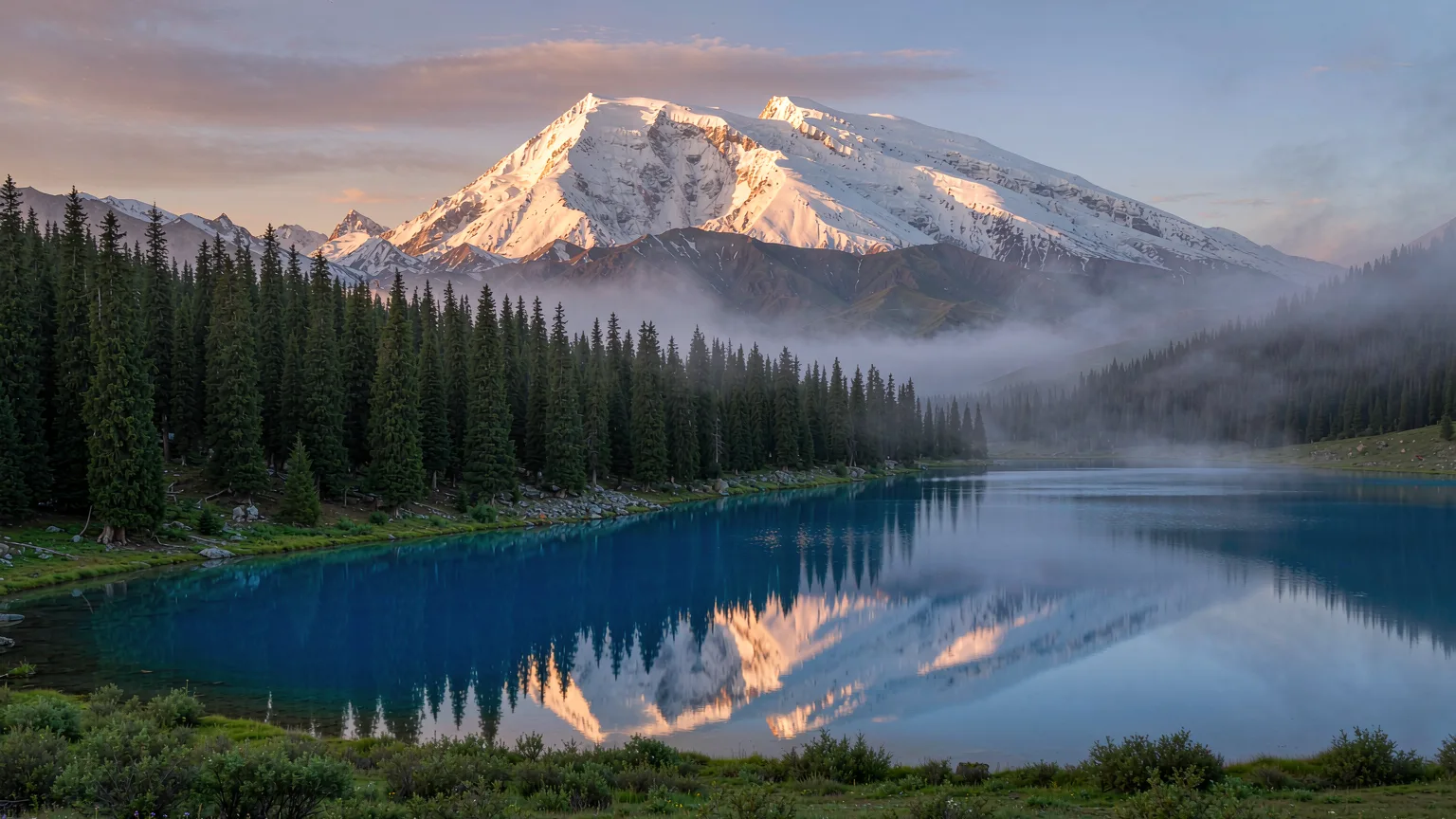
Tianchi sits at 1,910 metres in a hanging valley on the north side of the Bogda range, 90 km east of Urumqi. The lake runs 3.4 km east to west, is 1.5
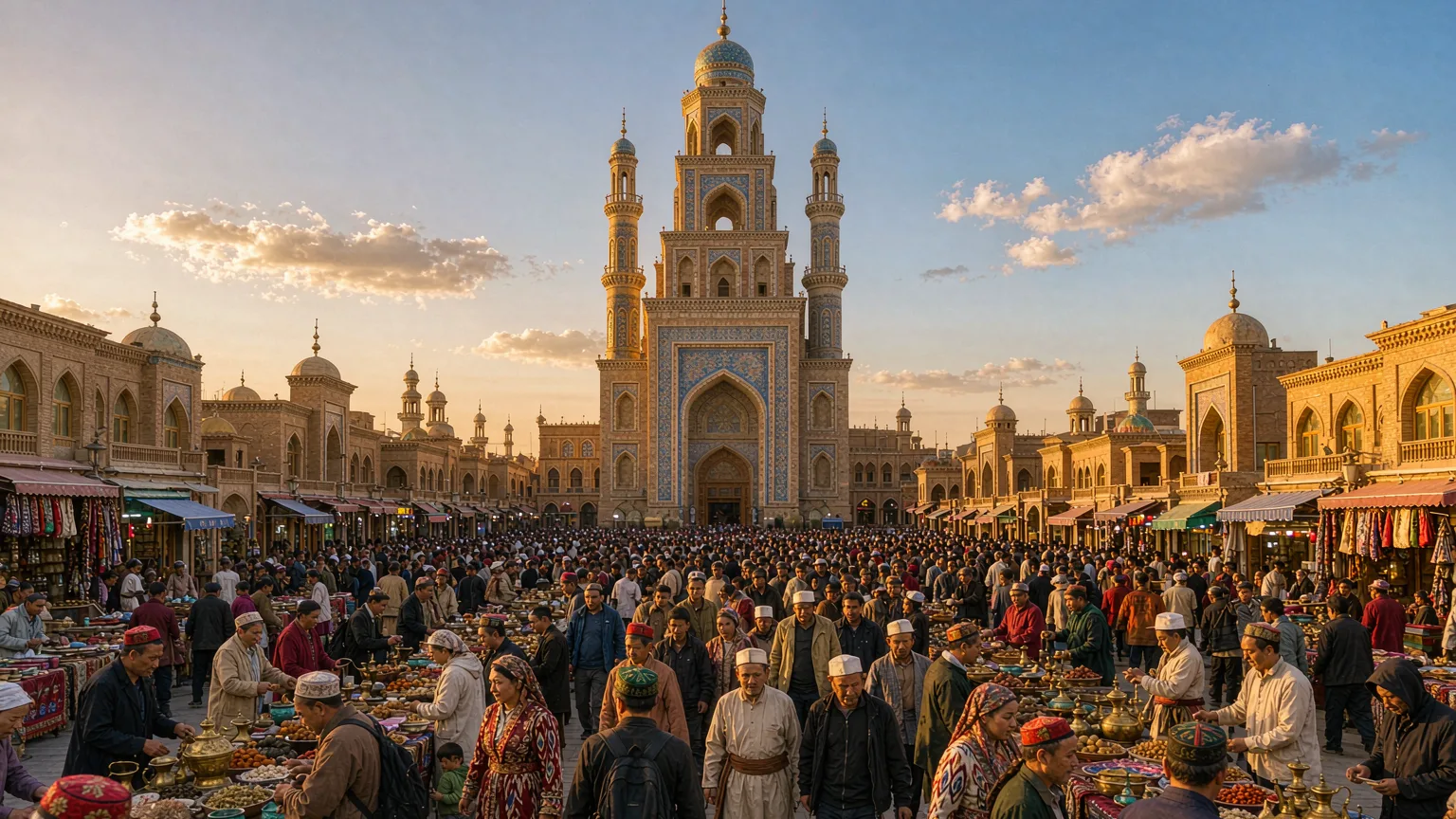
The Grand Bazaar is a market built in 2003 at Erddaoqiao, on the south edge of central Urumqi: about 40,000 square metres of ochre brick, arches and d
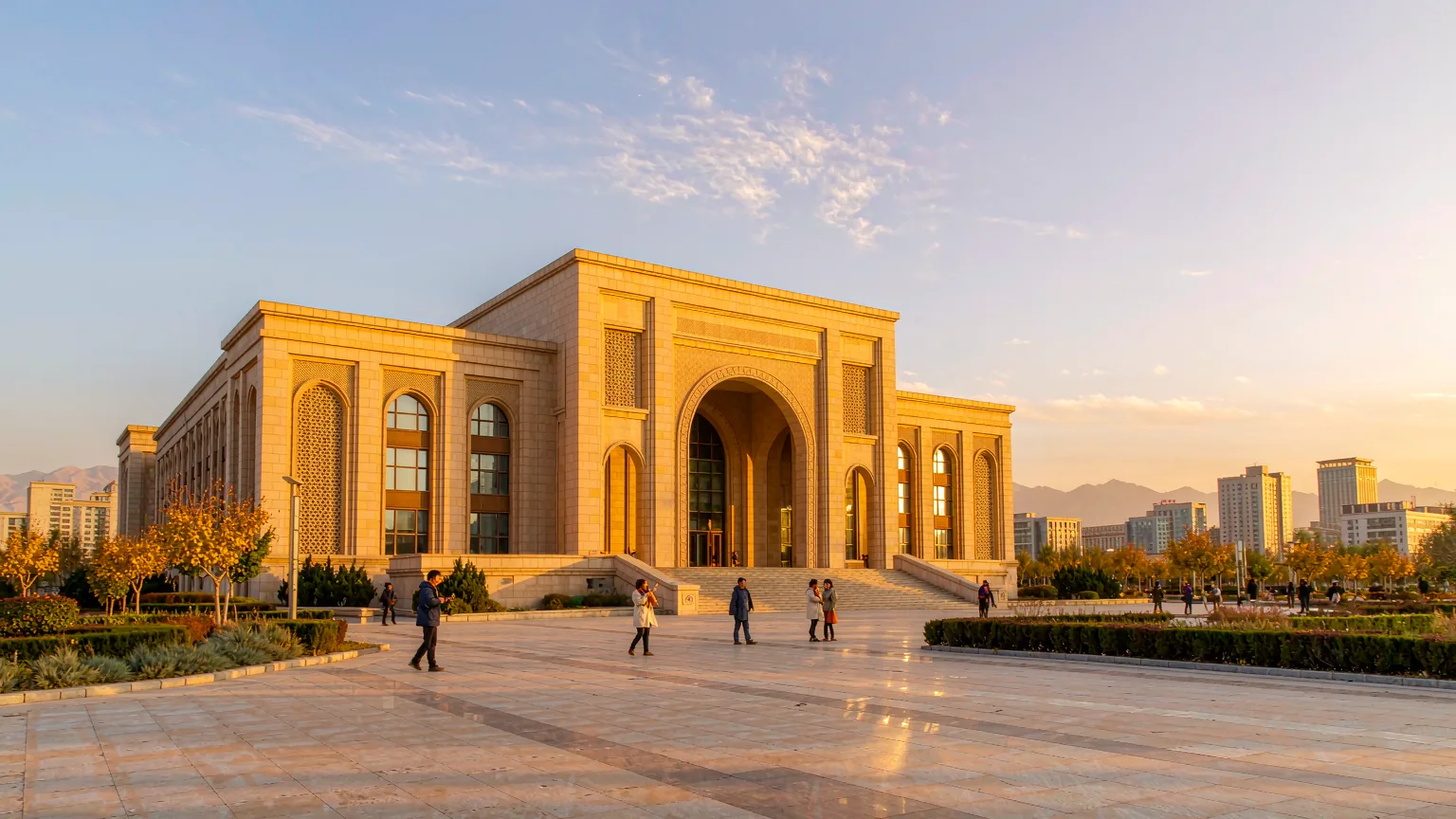
The regional museum on Xibei Road was founded in 1959 and moved into the present building in 2005; it holds about 50,000 objects. Entry is free, it cl
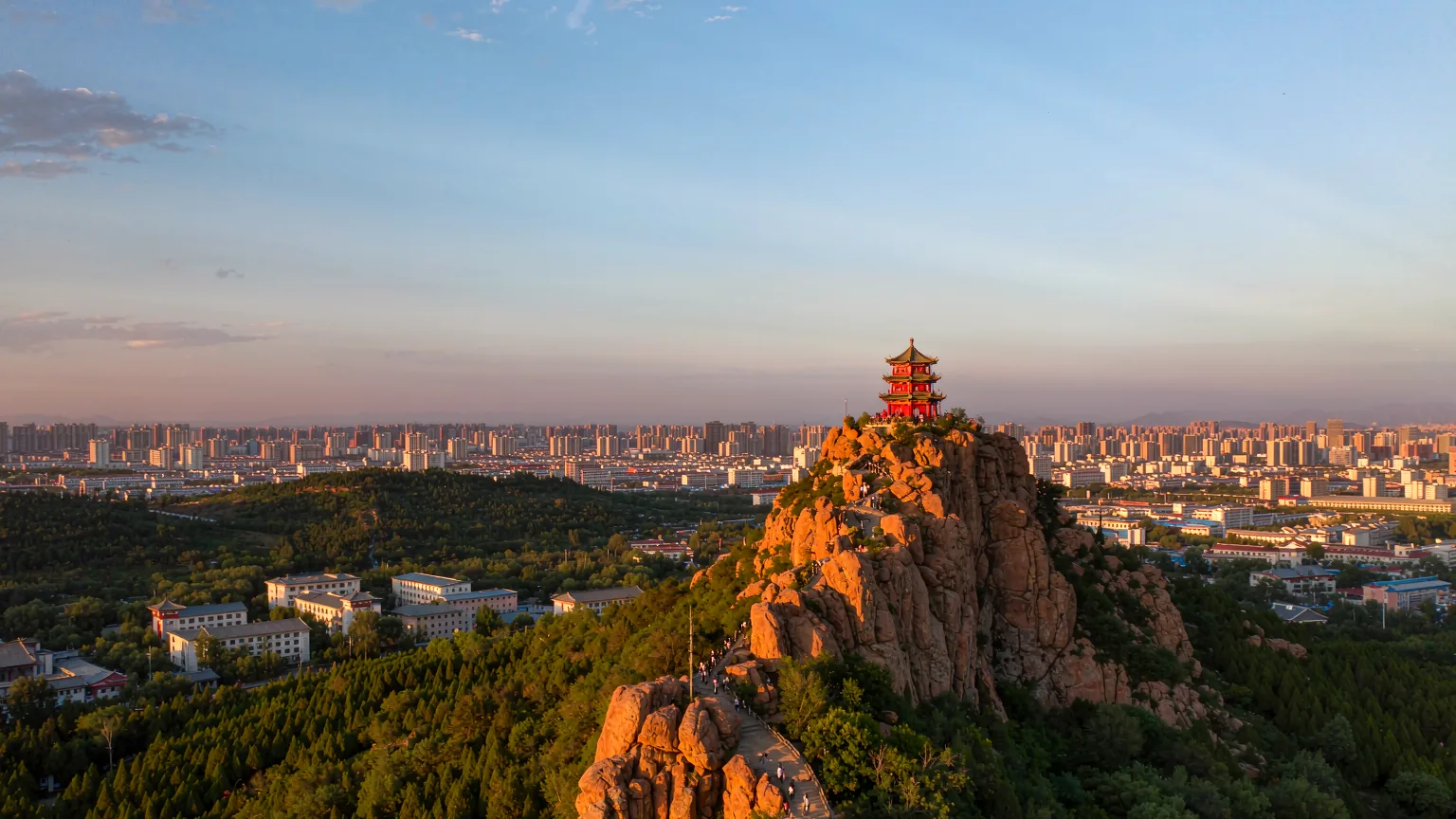
Hongshan is a 910-metre hill of purple-red sandstone in the middle of Urumqi, about 60 metres above the street, with a brick pagoda on top built in 17
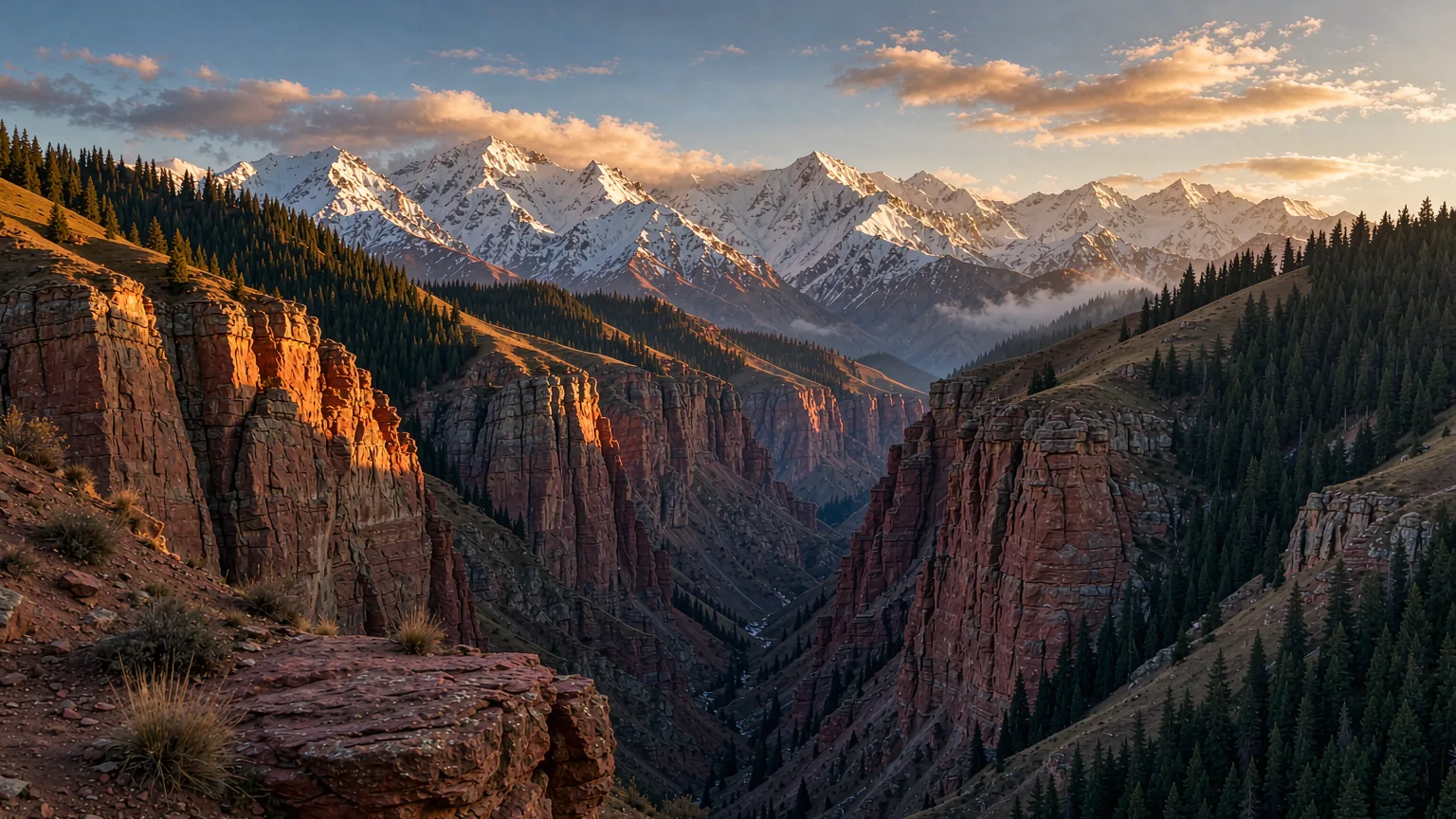
The Grand Canyon of the Tianshan lies 50 km south of Urumqi, where meltwater off the Bogda range has cut a gorge through conglomerate between 1,600 an
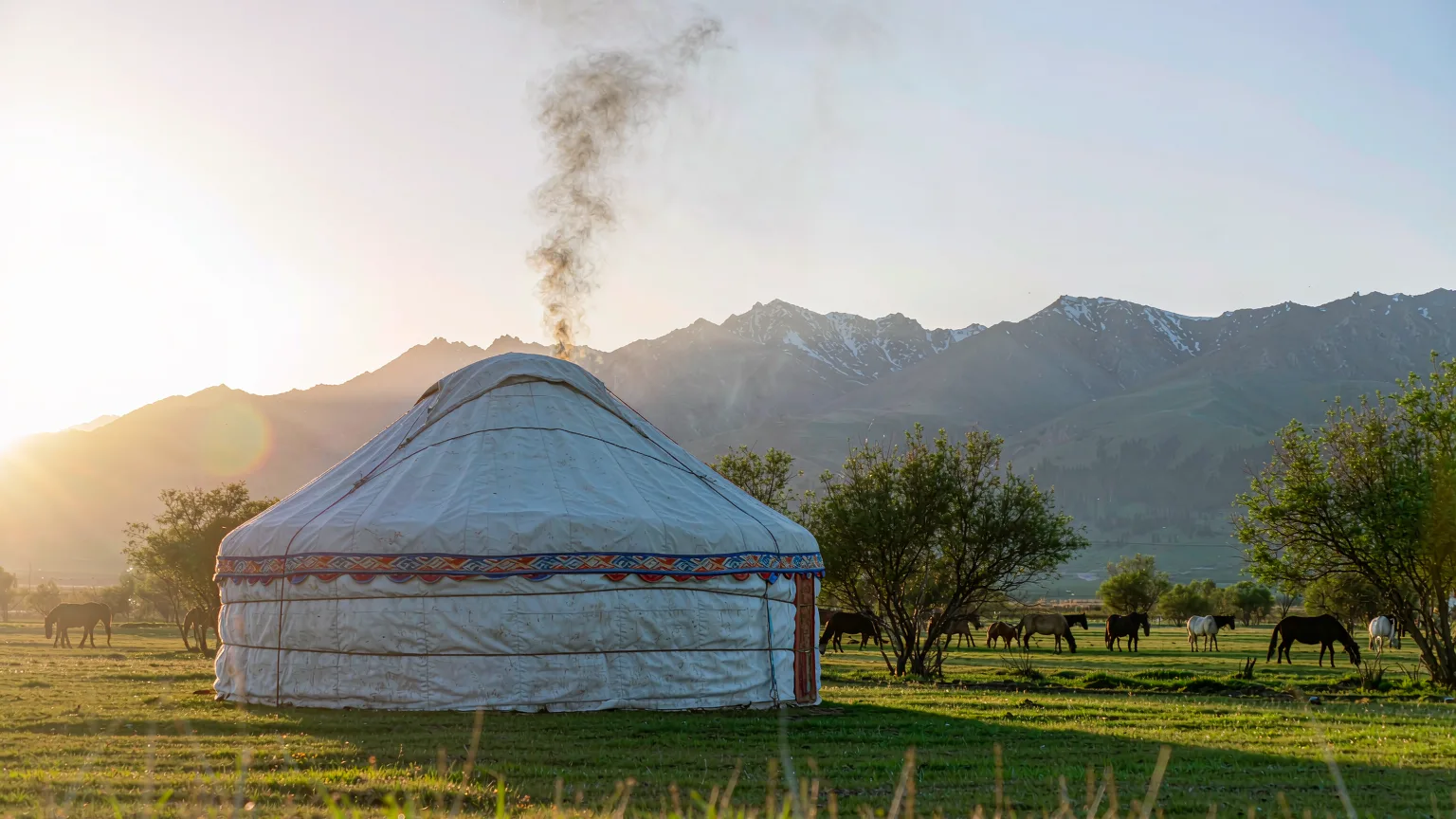
Nanshan means the southern hills: a belt of pasture 60 to 70 km south of Urumqi, at about 2,000 metres, where the foothills meet the main range. Xibai
A little further out, for a spare half-day.
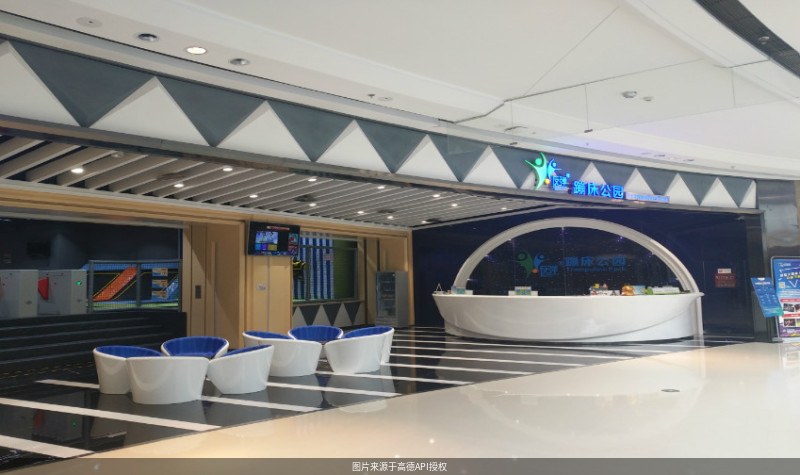
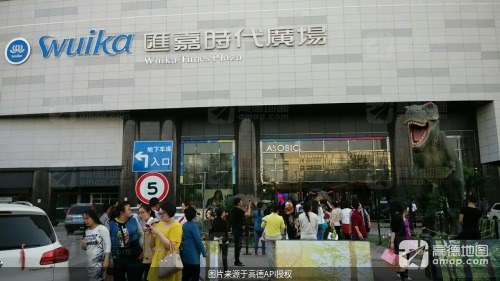
A large mall in the economic development zone, gathering fashion brands, dining and a cinema. A core urban…
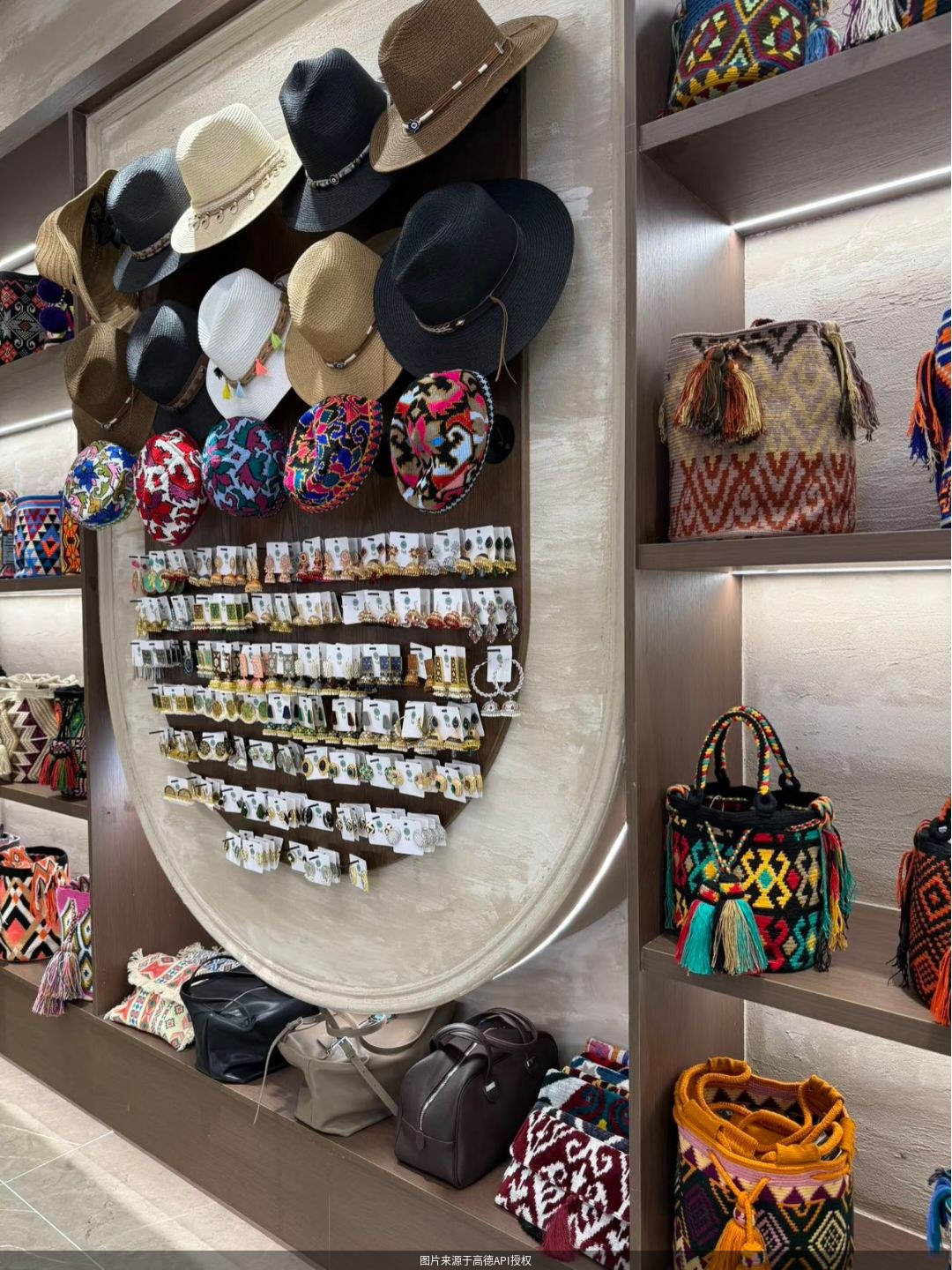
A large shopping center in the Beijing Road district with full brand coverage and dining, the area's most…
A large mall on Dawan South Road combining fashion retail, dining and family entertainment, a new commercial…
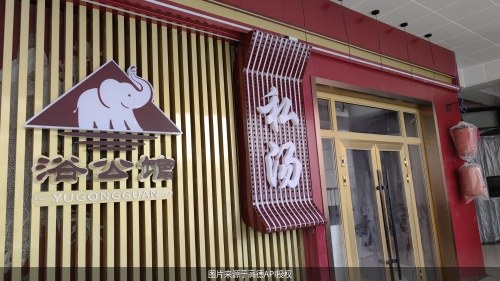
A private hot-spring club offering carbonated baths in an intimate, elegant setting focused on healthy…
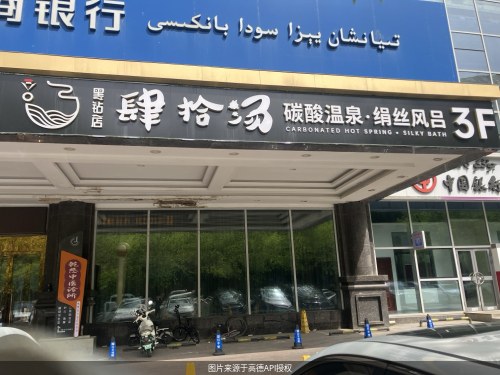
A private-bath hot-spring club focused on carbonated water, rich in carbon dioxide for circulation and…
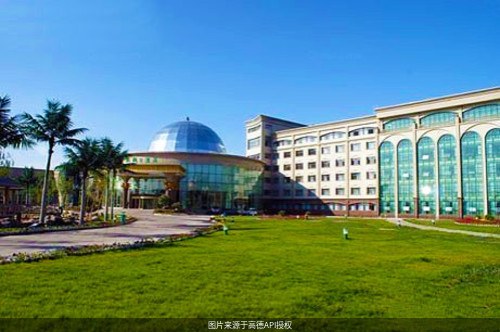
A well-known hot-spring resort in Urumqi built on natural geothermal springs, with indoor and outdoor pools…
Museums, galleries and workshops still keeping old crafts alive.
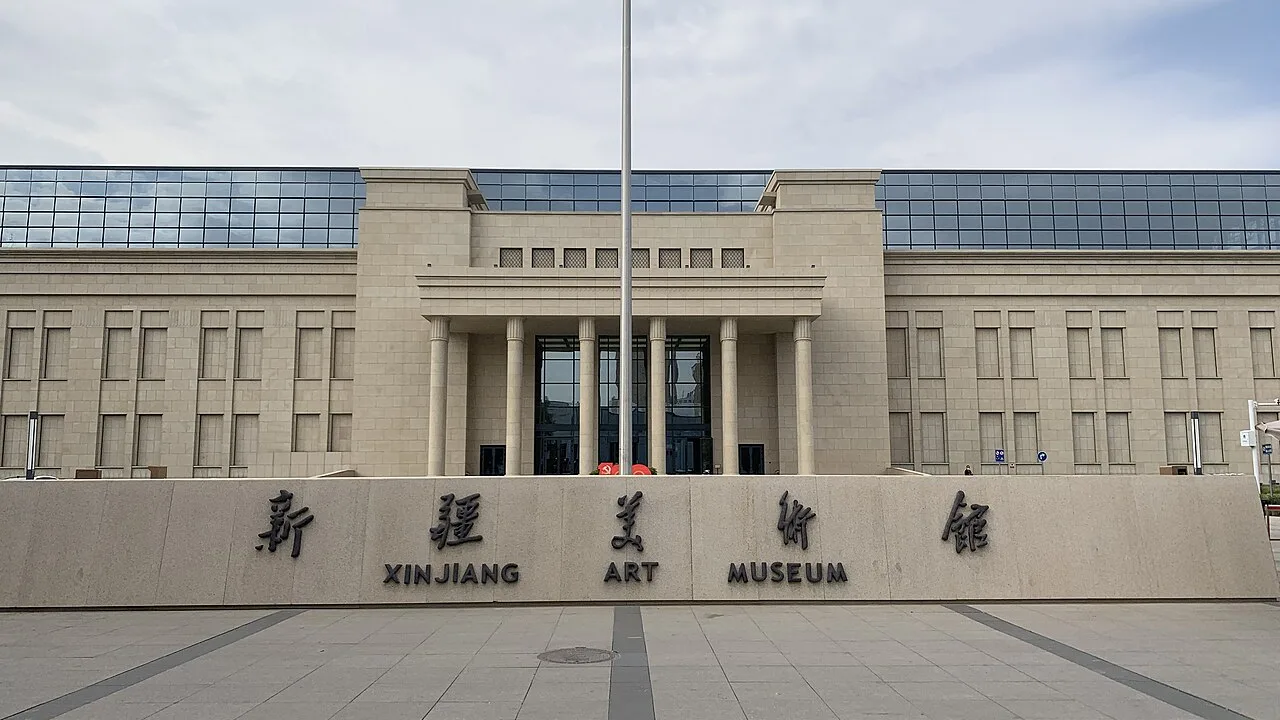
Xinjiang's largest modern art museum, focused on regional and multi-ethnic art with regular major…
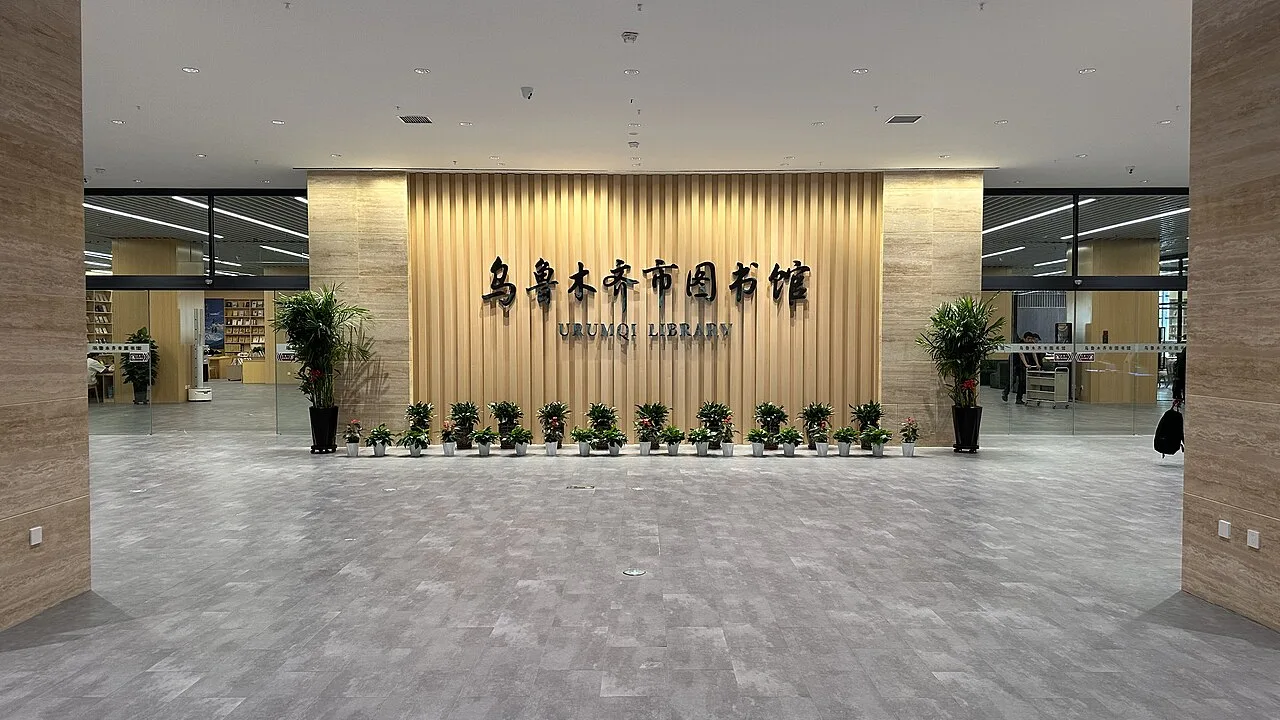
A municipal library in the convention cultural center with rich collections and comfortable spaces, including…
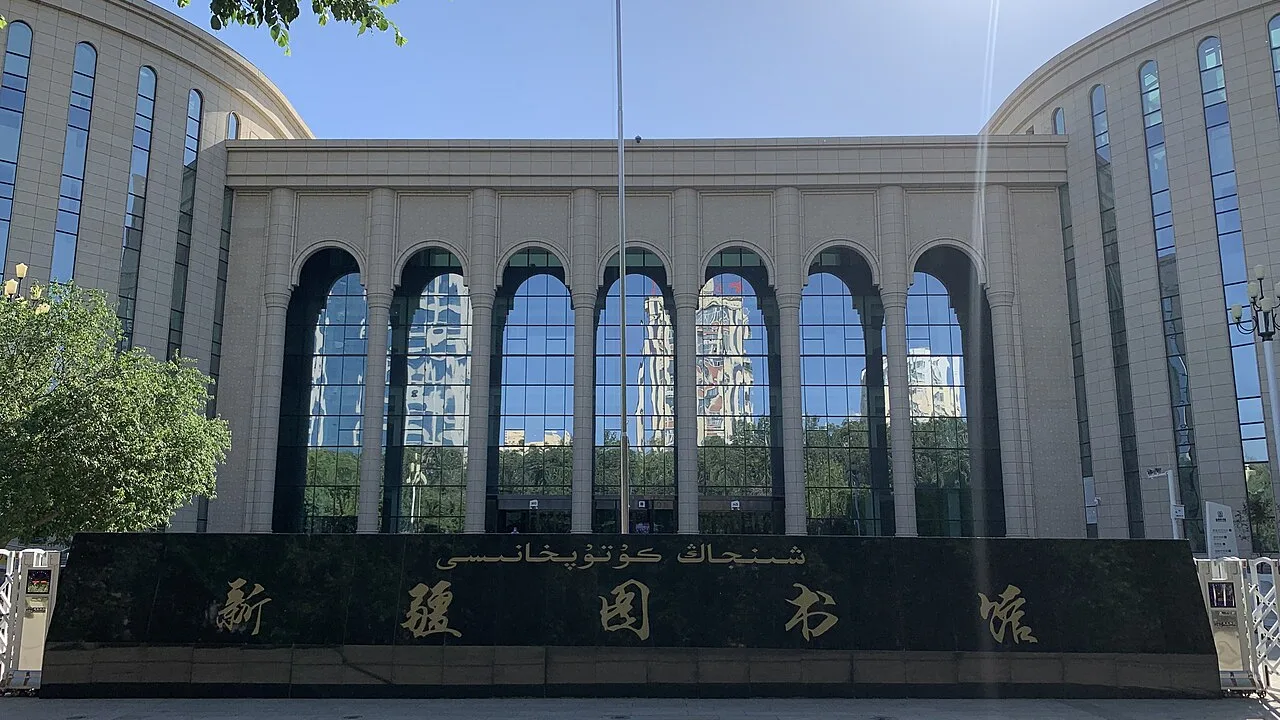
Xinjiang's largest public library, with rich collections in multiple languages and modern, spacious…
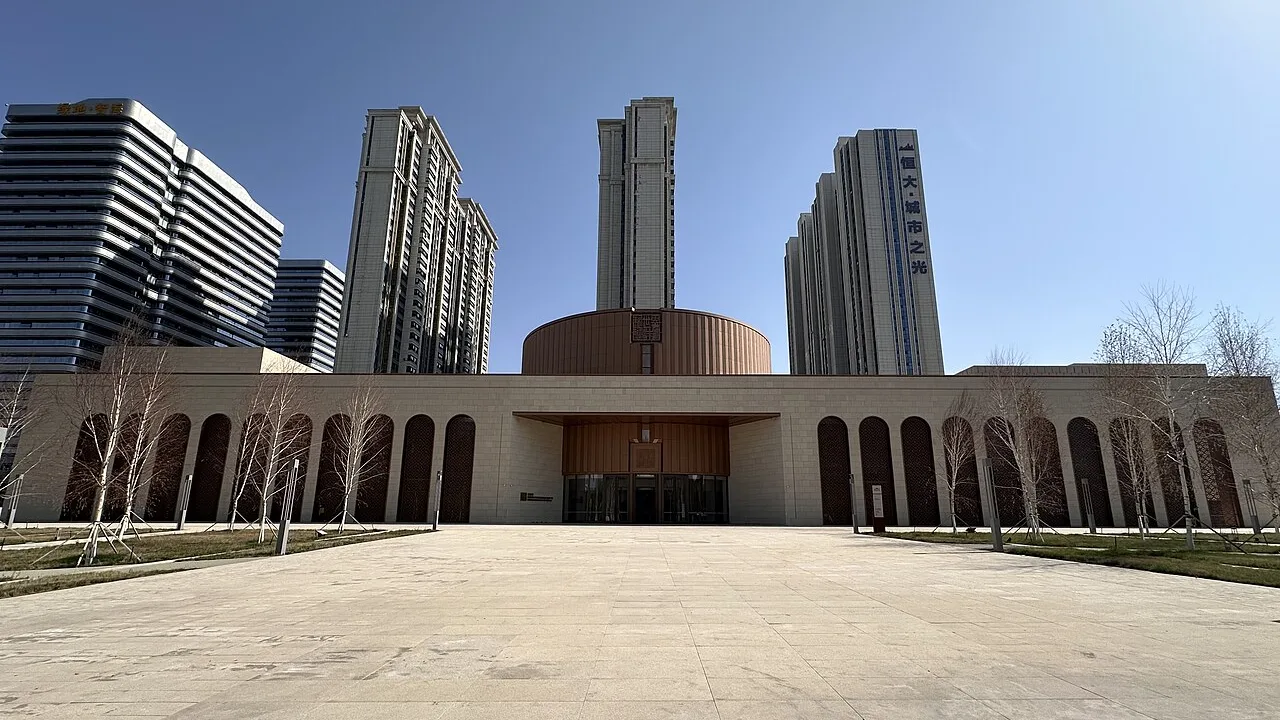
A themed museum displaying Xinjiang's multi-ethnic intangible heritage, from Muqam and atlas silk to mulberry…
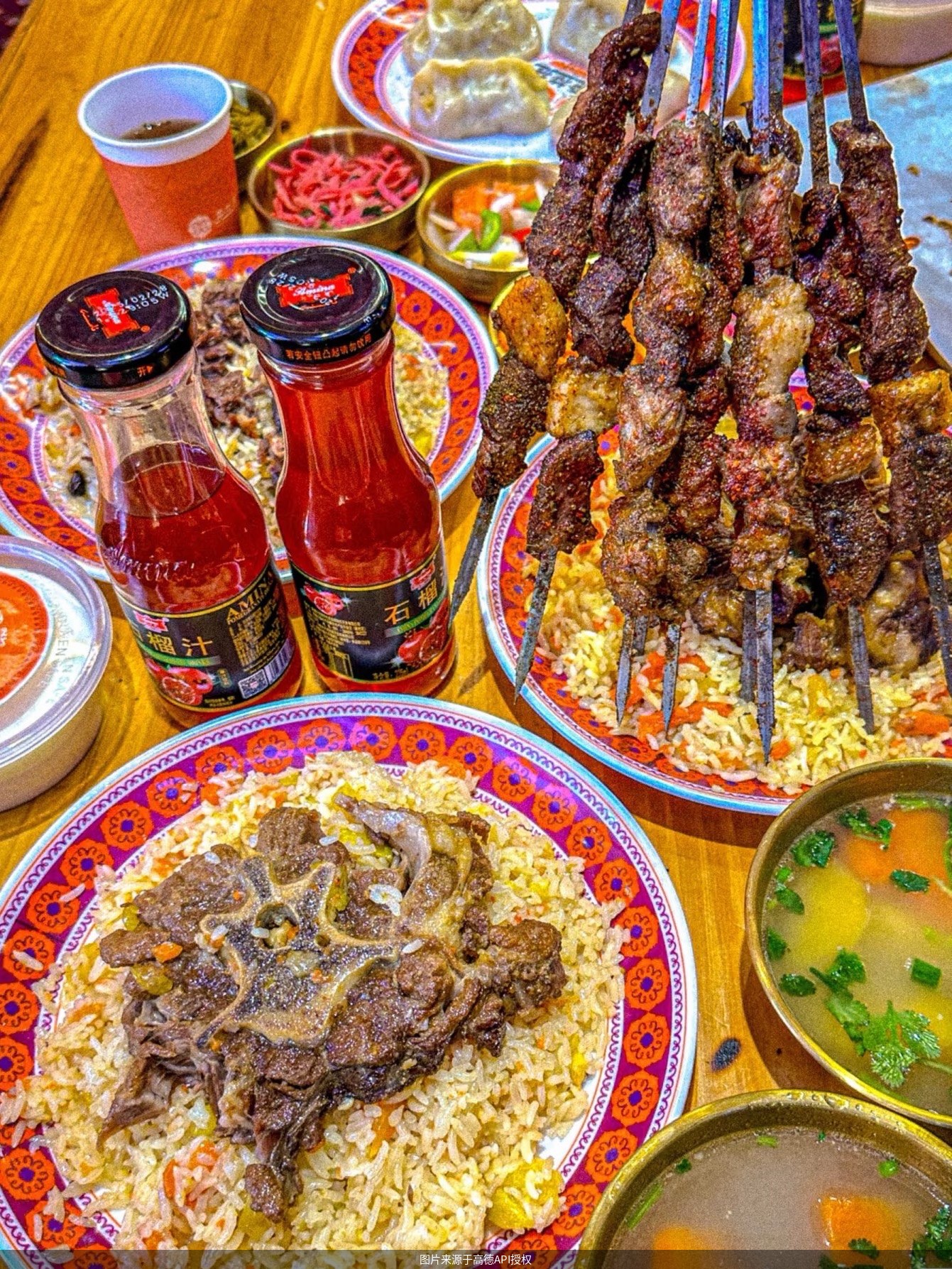
A traditional Uygur embroidery craft featuring floral and geometric motifs with fine stitches and vivid…
A monumental Uygur classical suite of song, dance and music, including the Twelve Muqam, hailed as a 'pearl…
What is on stage after dark.
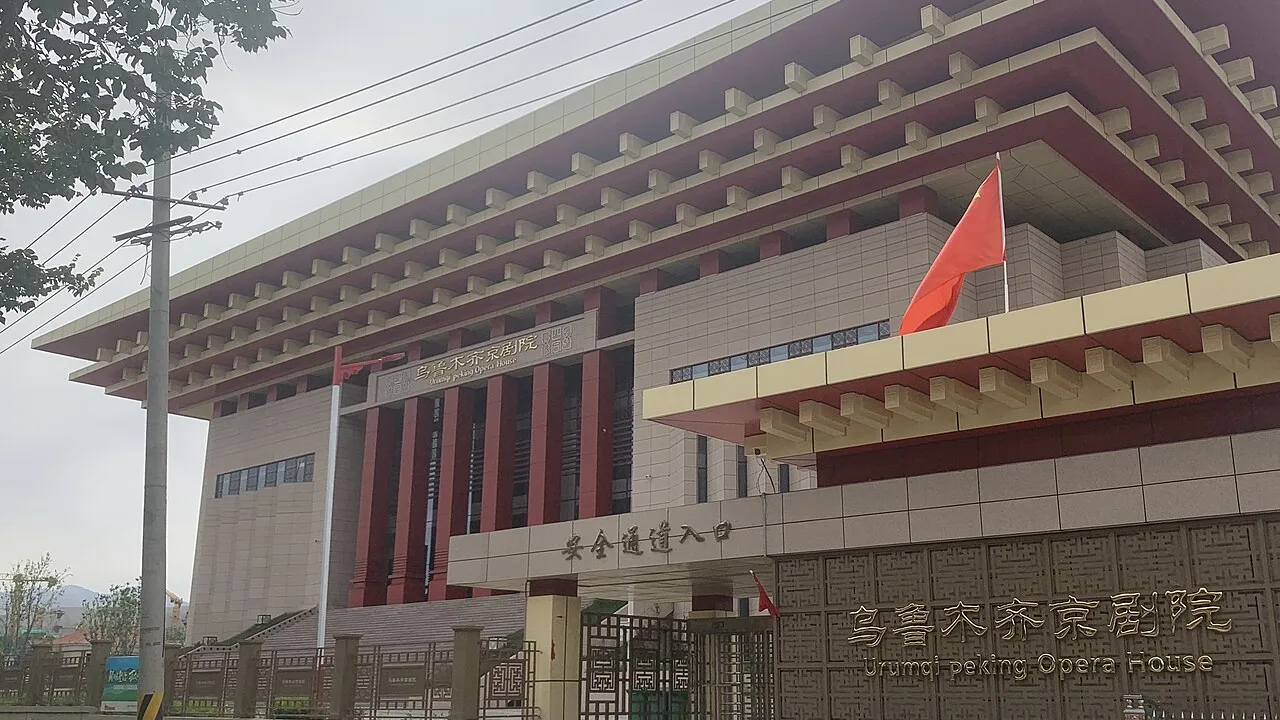
A professional Peking Opera troupe and theatre staging traditional and new works, keeping the national art…
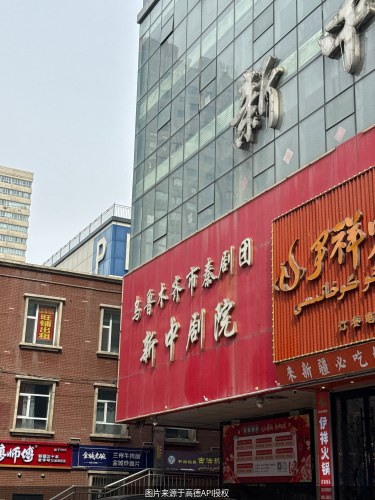
A theatre specializing in Qin Opera (Qinqiang), with its bold, resonant style of Northwest Chinese opera. A…
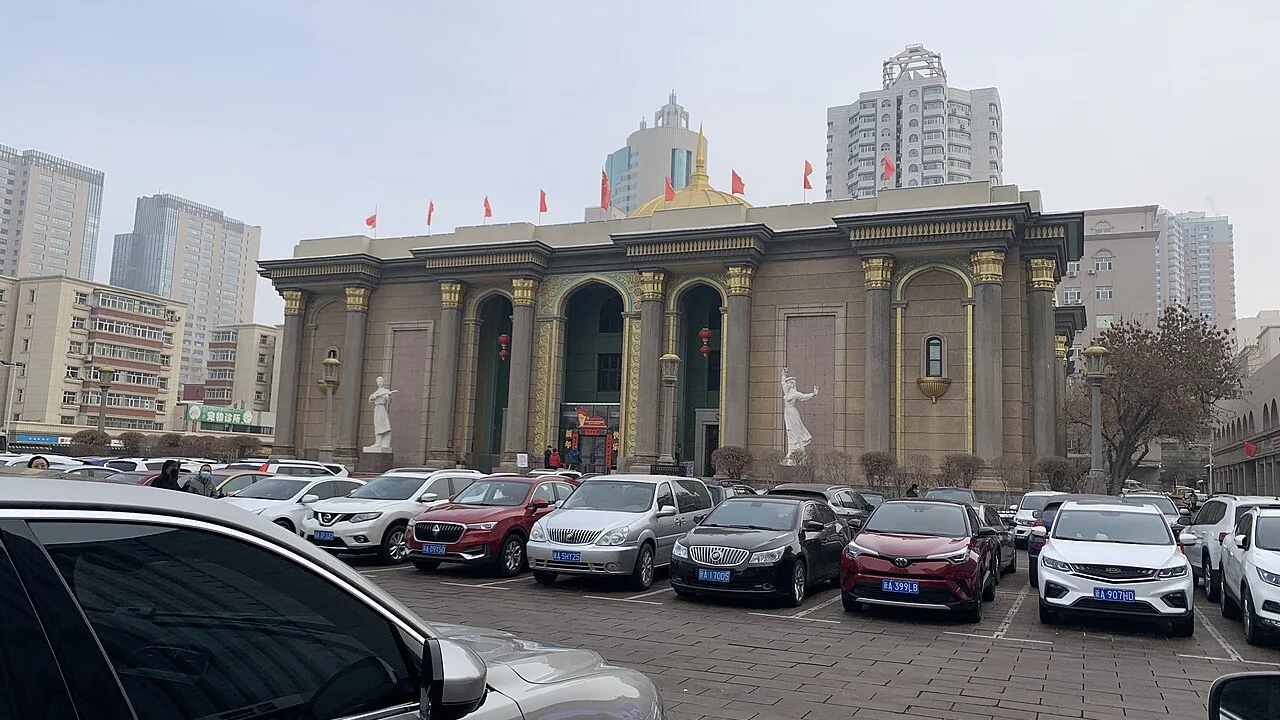
A historic landmark theatre with distinctive ethnic architecture, hosting major events and performances in…
Where the whole street eats — the city's most famous food streets, each with its own guide page.
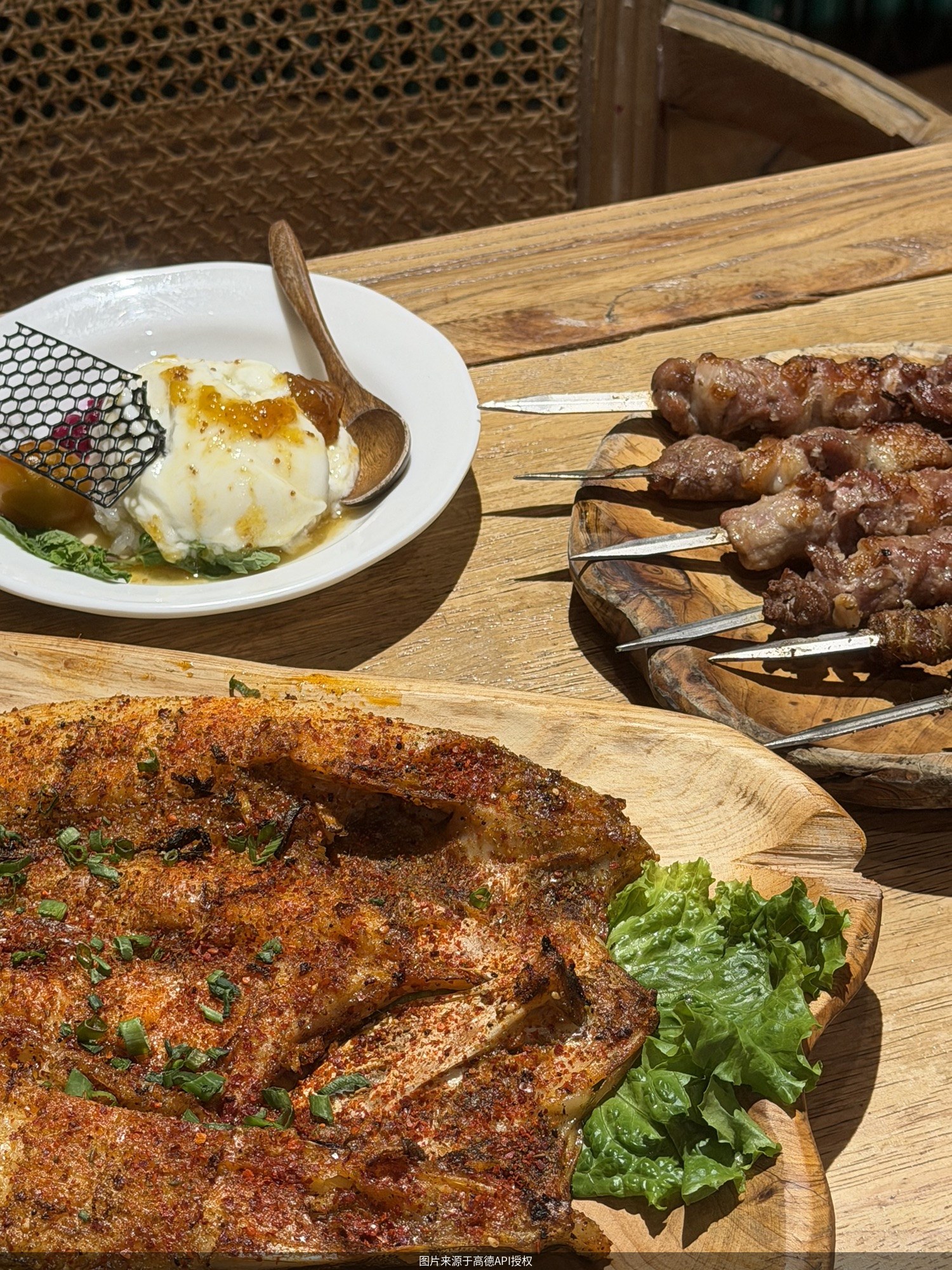
A hugely popular Xinjiang barbecue restaurant themed on ancient Loulan, serving red-willow kebabs, grilled…
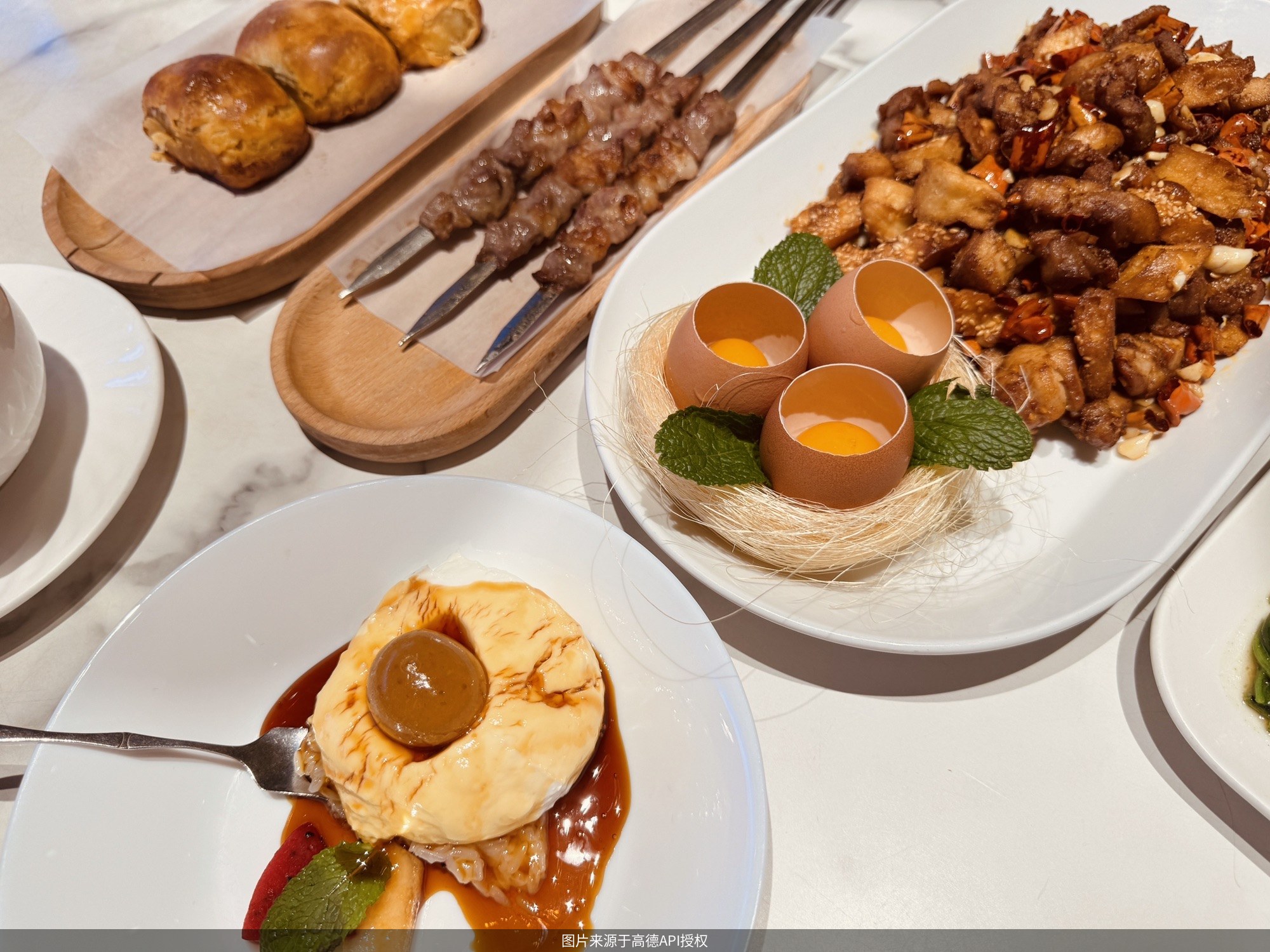
A popular restaurant elevating Xinjiang classics with modern presentation, famed for its roasted buns and…
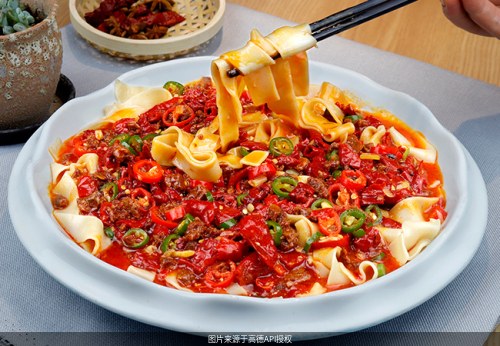
A courtyard restaurant specializing in Xinjiang cuisine from across the region, known for whole roast lamb…
A well-known Xinjiang cuisine chain symbolized by the pomegranate, serving hearty classics like roast lamb…
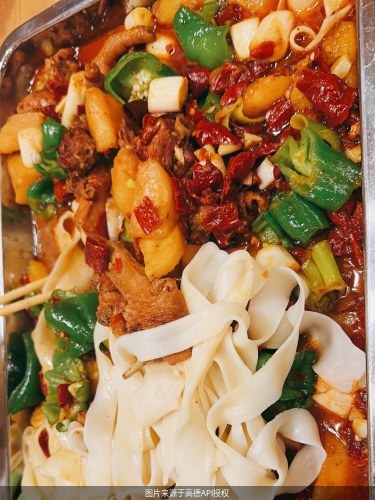
A popular restaurant famed for its dapanji-style chicken in rich sauce, best enjoyed with wide noodles. Its…
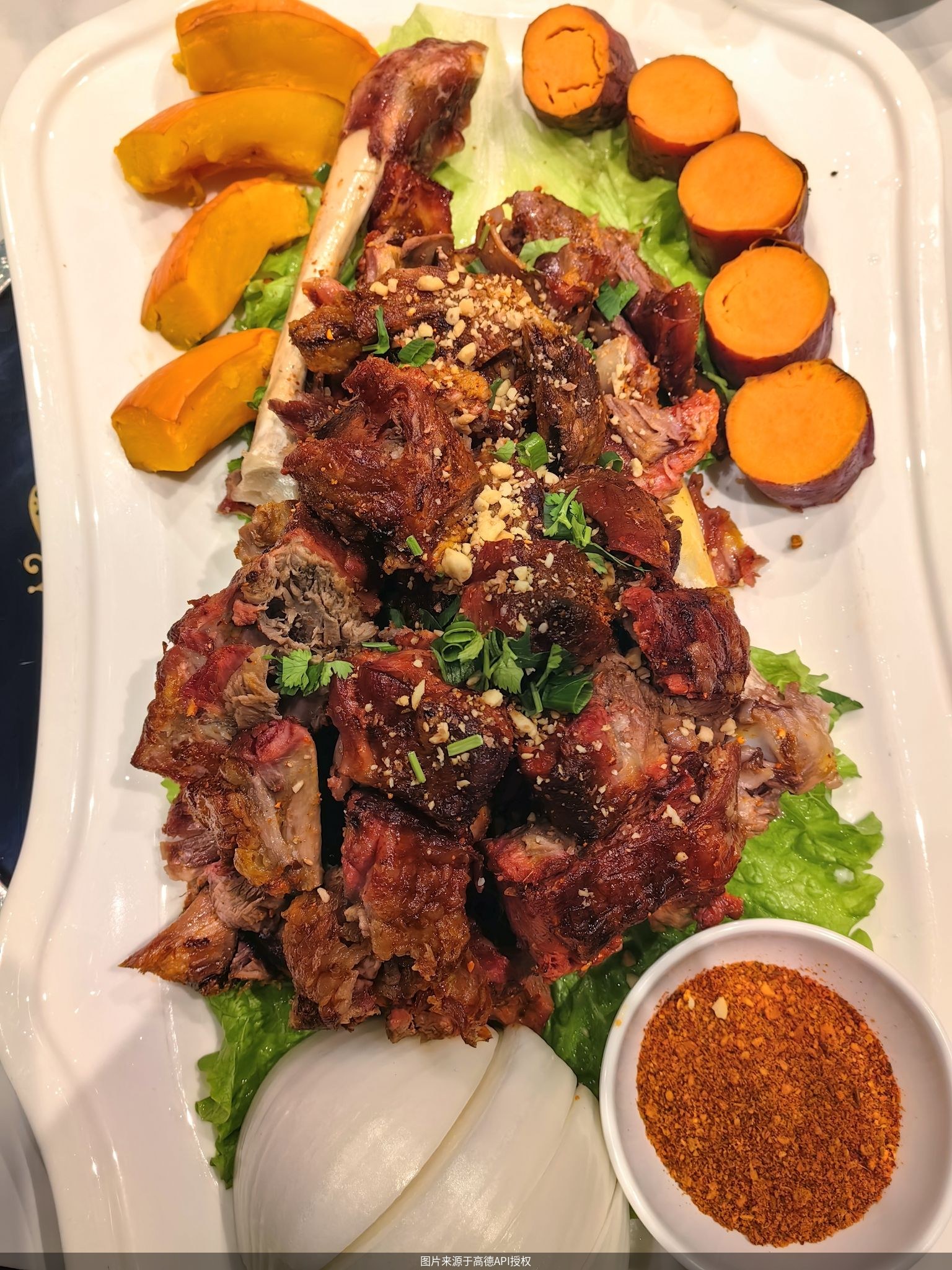
A special restaurant pairing whole roast lamb with Uygur song and dance performances. The slow-roasted lamb…
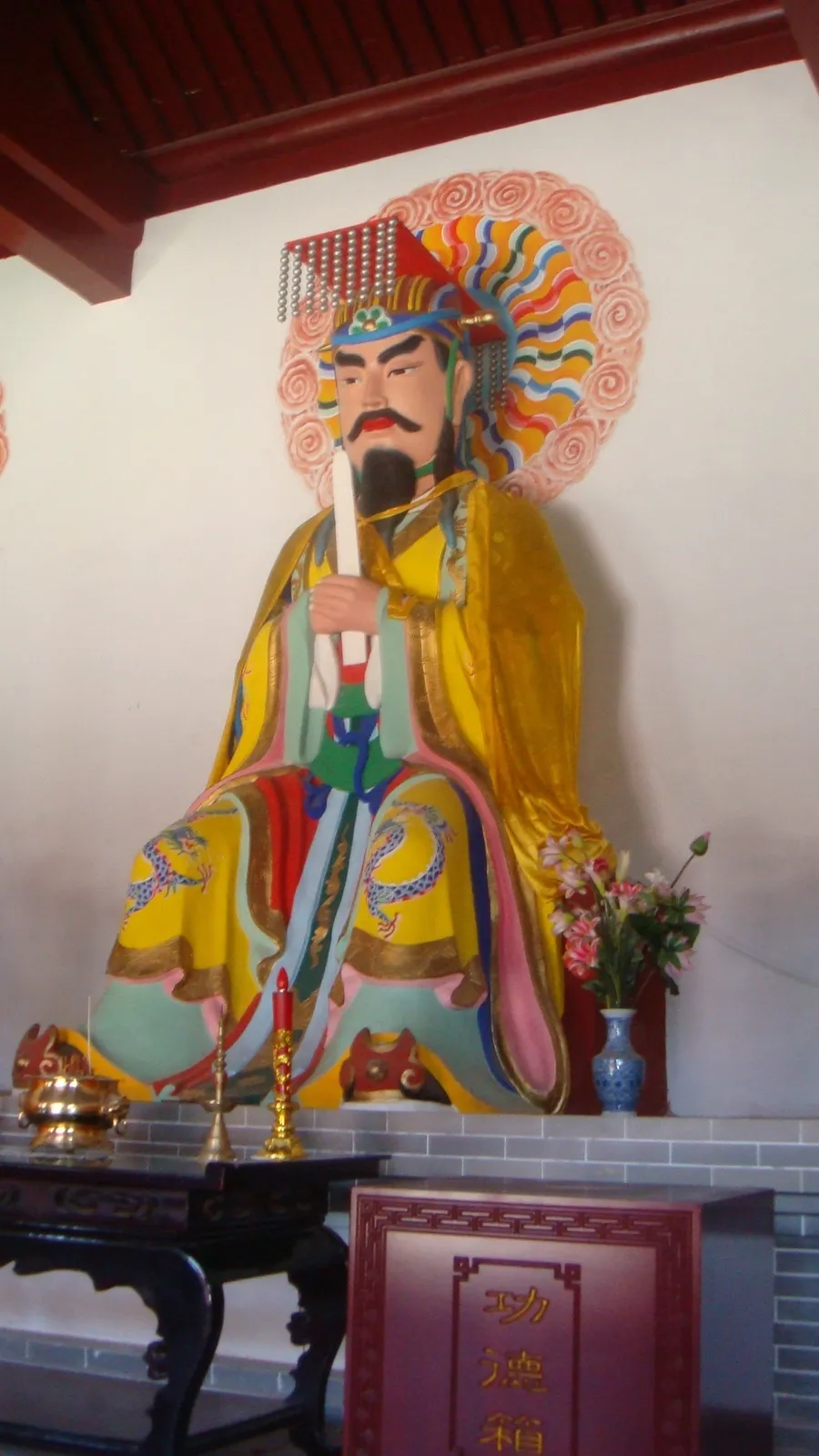
Lit tower and shops until 11pm.
Kebabs, pilaf and cold beer.
The bazaar stays lit late and the food streets run on kebabs.
Listed sites and the crafts that made this city famous.
Tarim mummies and 4,000-year-old textiles.
An alpine lake and Taoist temple site below Bogda Peak.
The 12-part suite performed at festivals.
Mulberry-wood bodies and silk strings.
Senior licensed guides with 10+ years in the field and fluent English — deep on history, culture and local life.
Experienced licensed guides with clear English — solid on city highlights, food and day-to-day logistics.
Licensed guides with workable English — a good-value choice for city days, transfers and standard commentary.
Chauffeur-driven by the day, plus airport and intercity transfers.
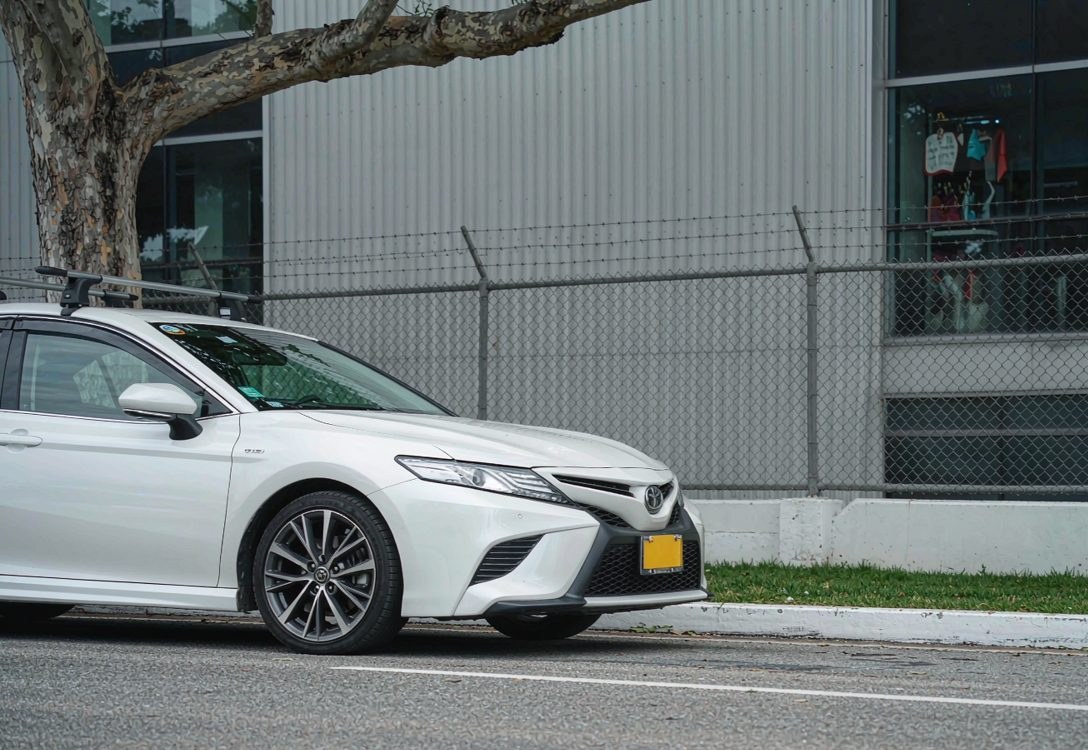
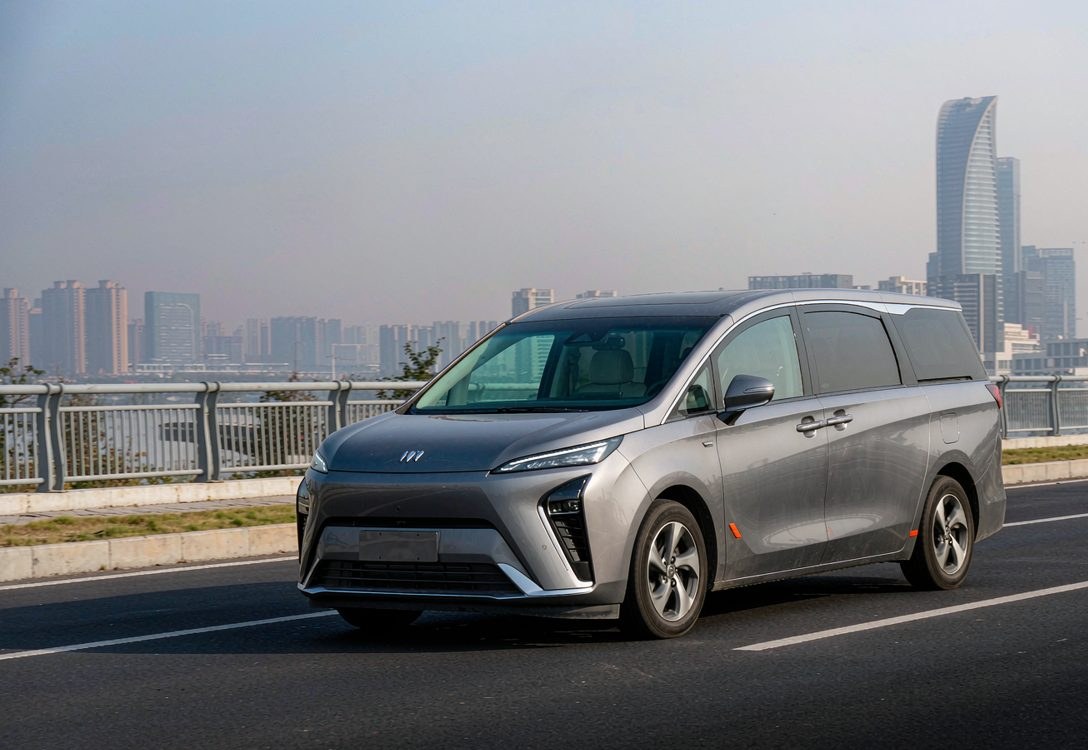
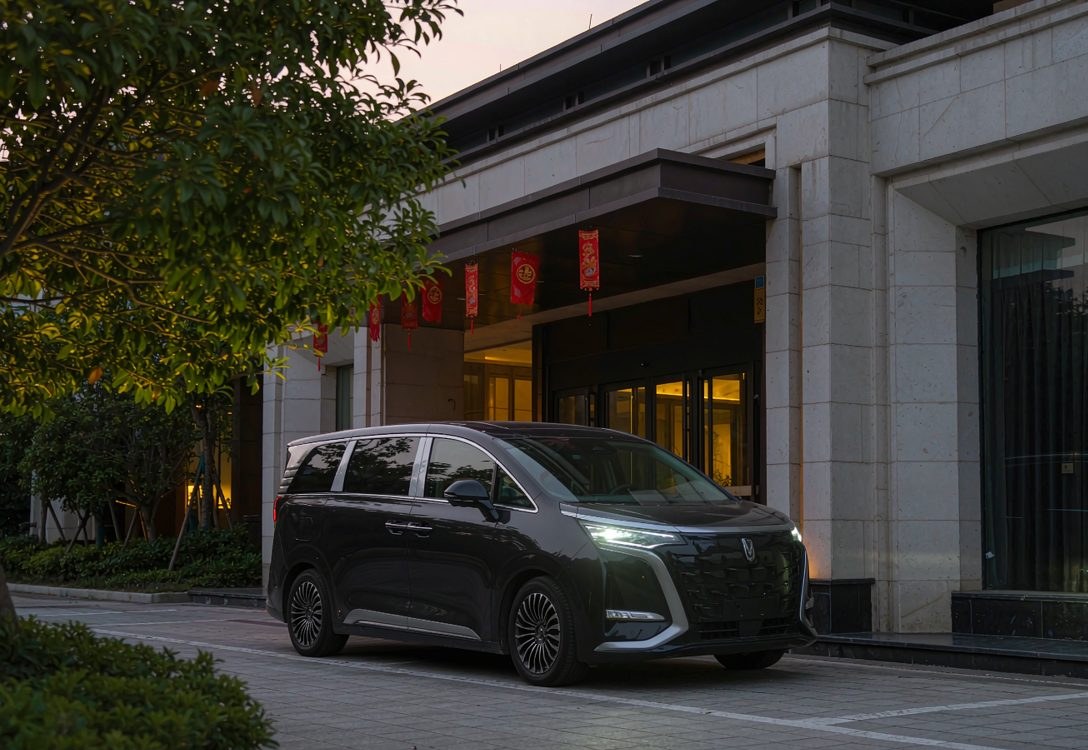
Private chauffeur-driven vehicles, priced per vehicle not per person. Airport transfer from $45; intercity transfer from $180.
A general-aviation airport handling low-altitude tourism, flight training and agricultural missions. An important node in Xinjiang's general aviation network.
Urumqi's historic railway station, once Xinjiang's main rail hub and now serving conventional trains. Centrally located in the south, it remains a key station for rail travel.
Xinjiang's main aviation hub and a gateway to Central Asia, with domestic and international routes across multiple terminals. Metro and airport buses link it to the city.
Urumqi's high-speed rail hub, serving the Lanzhou-Xinjiang line and linked to Metro Line 1. Its modern station hall is the core gateway of Xinjiang's high-speed rail network.
A large mall in the economic development zone, gathering fashion brands, dining and a cinema. A core urban retail and leisure landmark near the high-speed rail district.
A large shopping center in the Beijing Road district with full brand coverage and dining, the area's most mature commercial complex. Retail, food and family entertainment draw steady crowds.
A large mall on Dawan South Road combining fashion retail, dining and family entertainment, a new commercial landmark in south Urumqi. Modern and diverse, it serves one-stop shopping.

10 guides split by trip length: one-day city routes, three-day escapes and longer journeys, with stops, costs and transport in each.
Morning with the Loulan beauty at the regional museum, afternoon on the Hongshan Pagoda
Three DaysThree Nature Days around Urumqi: Heavenly Lake, the Grand Canyon and Nanshan Pasture as a LoopDay one climbs to Heavenly Lake under Bogda's snow, day two dives into the Tianshan Gran
Multi-DayFive Classic Days in Urumqi: Lake, Canyon, Pasture and the City's Museums as One PuzzleTwo days for the lake and canyon landscapes, one for Nanshan Pasture, two for museums, t
Real routes, real travellers — a sense of what a trip looks like.
Most travellers spend 3 days here. Add a day for a side trip if you want a slower pace.
Spring and autumn are usually the most comfortable. Check the seasonal notes above before booking.
We arrange airport/rail transfers and private drivers. Tell us your arrival point and we plan the connection.
Send an enquiry and a human expert replies within 12 hours with a draft plan and real prices. Flexible rescheduling; clear cancellation terms in your quote.
2-day private itineraries in Urumqi start from $540 per person, two travelling together. Your proposal itemises hotels, tickets, guide and car — no hidden fees.
One full day: the museum's mummies are world-class and the bazaar is the fastest introduction to Xinjiang.
About 90 minutes by road; allow a full day.
Recent listed prices: Tianchi Lake (Heavenly Lake of Tianshan) ¥155; Urumqi Grand Bazaar free; Xinjiang Museum free; Hongshan Park free; Tianshan Grand Canyon ¥60. Ticket prices change seasonally — we confirm them in your quote.