
Urumqi runs two beats slower than eastern China: the whole region keeps Beijing time but lives about two hours later, with shops opening near ten and night markets peaking at ten in the evening. Build the day to that rhythm: morning for the museum, afternoon for Red Hill, and the hours after dark for Erdaoqiao and the Grand Bazaar, the city's brightest stage.
Metro plus taxis carry the whole route: the regional museum holds the Loulan beauty and Silk Road relics, the old brick pagoda on Hongshan frames the skyline, and the Erdaoqiao-to-Bazaar stretch packs naan ovens, dried-fruit stalls and song-and-dinner halls. Expect about fifteen thousand steps, and take a mall or cafe break through the two harshest midday hours.
Itinerary at a glance
| 10:00 | Xinjiang Uygur Autonomous Region Museum: Loulan First, Then the Silk Road |
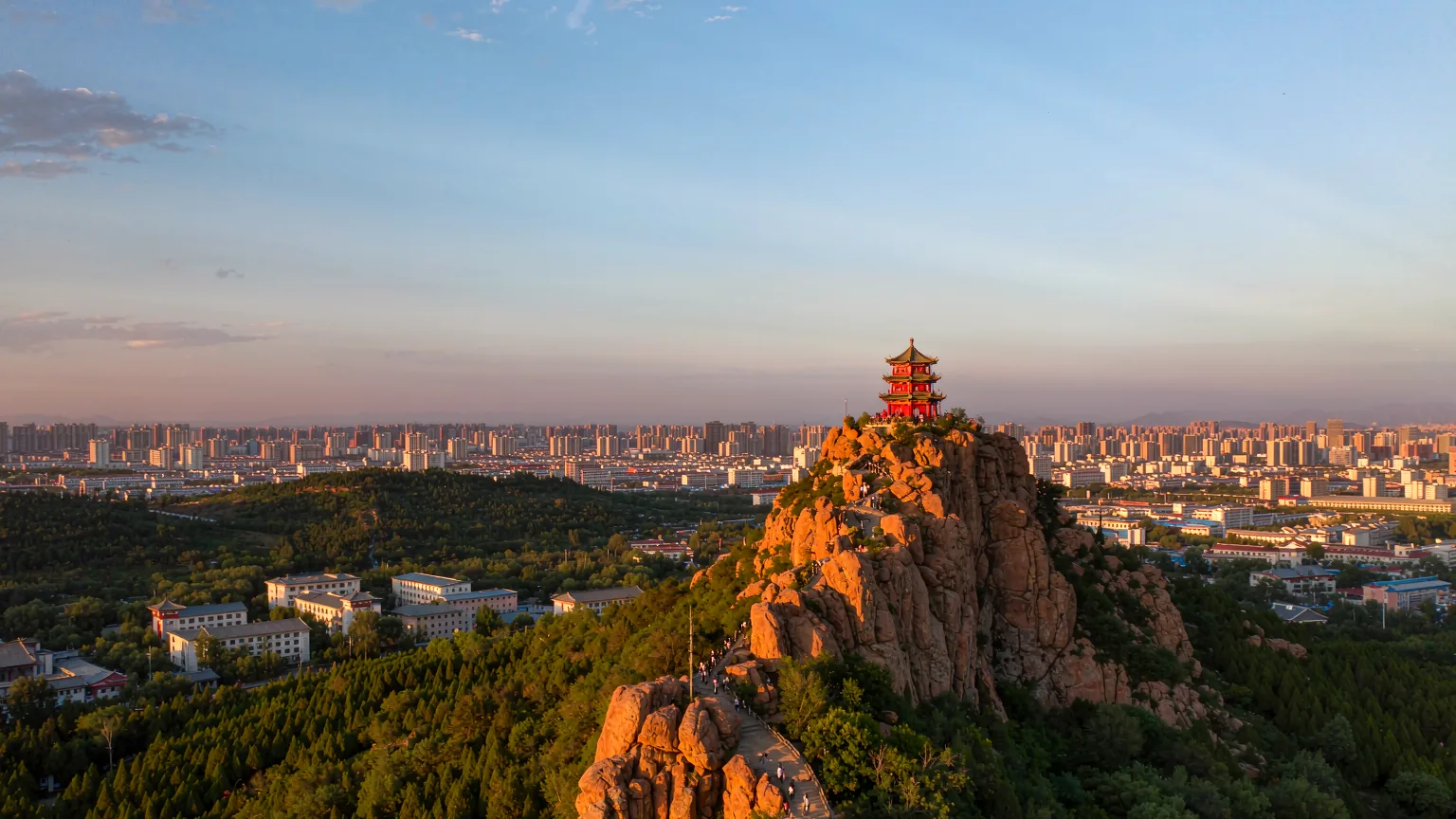
| 14:30 | Hongshan Park and the Red Hill Pagoda: The City Skyline's Reference Point |
| 17:30 | Erdaoqiao: The Old Town's First Breath of Street Life |
| 19:30 | The Xinjiang International Grand Bazaar: The Night Is the Main Event |
The route, stop by stop
Xinjiang Uygur Autonomous Region Museum: Loulan First, Then the Silk Road
Head first to the mummy hall, where the Loulan beauty holds the status of a signature treasure: skin and hair legible after more than three thousand years, and most visitors lower their voices without being told. The adjacent history galleries run chronologically, from steppe stone figures to Han-Tang documents and silks, the fastest possible primer on this land.
If time is short, catch two pieces: the painted wooden heavenly king trampling demons, from the Astana tombs in Turpan, its colors still alive after a millennium, and the actual Tang-dynasty dumplings and pastries in the Silk Road cases, enough to imagine a stage-station meal. In high season, an audio guide or shared docent strings the cases into one narrative.
Hongshan Park and the Red Hill Pagoda: The City Skyline's Reference Point
Red Hill is Urumqi's civic origin point; the grey-brick pagoda on its summit dates to the Qianlong era, raised as a flood-suppressing charm and now the landmark by which the whole city orients. From the mid-hill platforms the dense blocks fall away below and, on clear days, the silhouette of Bogda's snow peak joins the skyline, the local postcard shot.
The park is free and lives a double life: locals drill tai chi, sing and play chess in the mornings, visitors with tripods arrive by afternoon. You need not reach the summit; the mid-hill terraces suffice. With spare legs, loop the perimeter path in about forty minutes, shaded and cooler than downtown.
Erdaoqiao: The Old Town's First Breath of Street Life
Erdaoqiao began as an old commercial place-name and now labels the whole quarter around the Grand Bazaar. Toward dusk the naan ovens hit their stride, sesame loaves peeling off the clay walls, samsa ovens hissing, the air thick with cumin and roast meat; commerce slows but flavor deepens.
Shops stack Atlas silk, Yengisar knives, copper ewers and dried fruit floor to ceiling, and browsing outranks buying. Two rules: knives cannot board trains or planes in hand luggage, though reputable shops arrange shipping or checked transport; and taste dried fruit before weighing, prices quoted by the kilo, haggling politely expected.
The Xinjiang International Grand Bazaar: The Night Is the Main Event
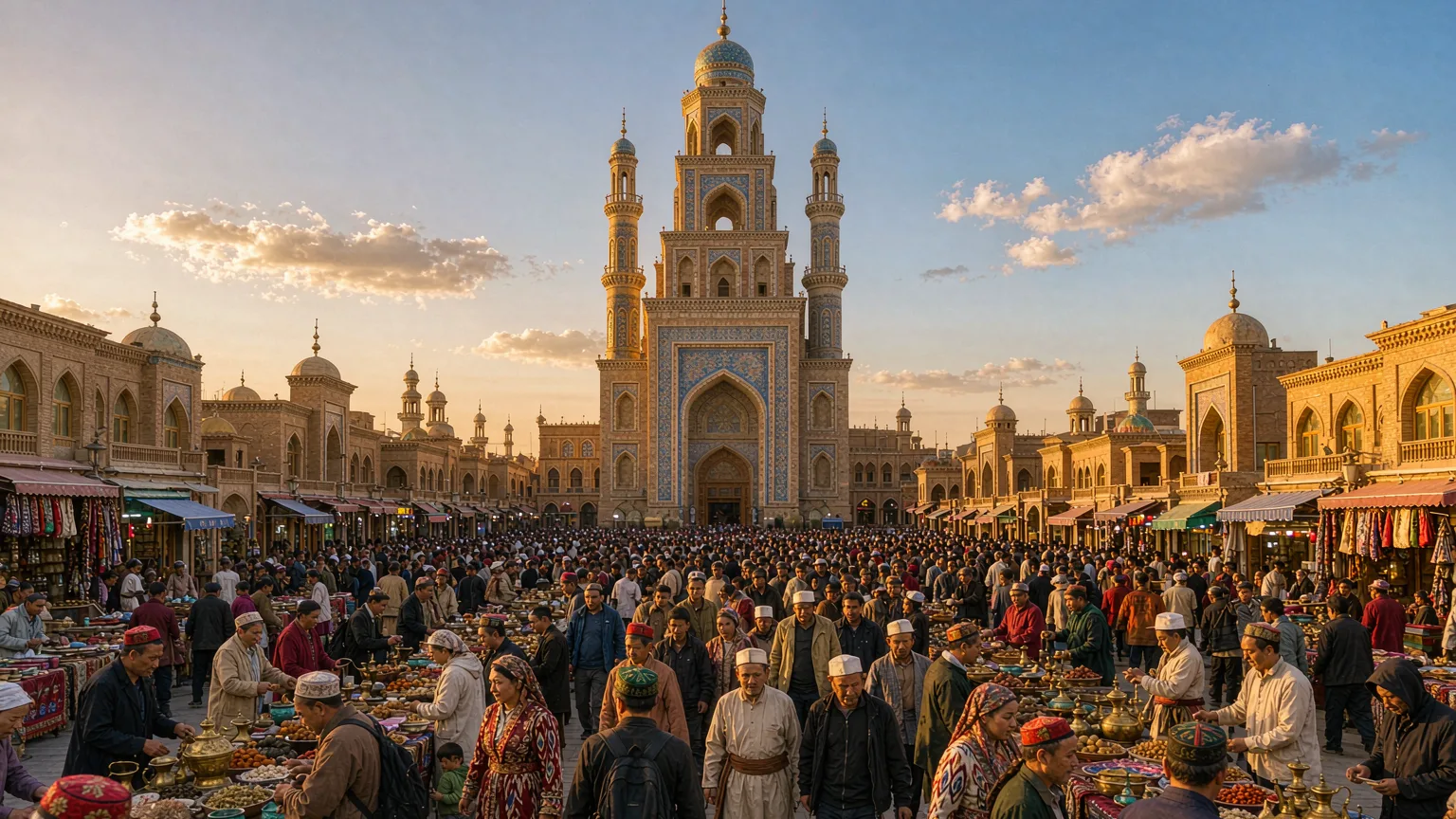
The bazaar square wakes after nine: the Silk Road sightseeing tower lights up, impromptu dancing breaks out on the plaza, and visitors are pulled into the circle within minutes, the mood a full notch above daytime. Inside, floors of dried fruit, carpets, jade and instruments invite polite bargaining, and every stall offers raisin samples whether you buy or not.
Eat where you stand: whole roast lamb sold by weight, big-plate chicken with belt noodles, and iced yogurt to close. For the dinner show, pick your session ahead; the stage runs Muqam selections and dances from several traditions, the classic way to spend an Urumqi night. When the hall empties, the streets outside are still wide awake.
| Getting around |
|
| Budget | The museum is free with booking and Hongshan Park free; the bazaar tower is about RMB 50, dinner shows extra. With chicken-and-potato platters and skewers, plan RMB 150-260 pp for the day. |
| Best time | May-June and Sep-Oct are the comfortable months; July-August is sunny but cools off by evening, while deep winter drops below minus ten and favors an all-indoor museum route. |
FAQs
What is the smoothest transport plan for museum, Red Hill and bazaar in one day?
The three sights line up roughly north to south, so metro line 1 plus taxis cover it: bus or taxi to the museum in the morning, Red Hill after lunch, then the metro to Erdaoqiao station at dusk, where the bazaar quarter starts outside the exit. Red Hill traffic snarls at rush hour, so leave early. Taxis all day total around fifty yuan.
Can I book the regional museum same-day, and what if slots run out?
Entry is free with real-name booking; weekdays usually have same-day room, while holidays reward camping the official WeChat account two or three days out, with cancellations dripping back. Foreign passports book by passport number and enter with the physical document. If it fails, the Urumqi City Museum is an easier free substitute, or slide this museum to the next morning.
With only half a day, museum or bazaar?
Protect the bazaar: fruit, crafts, song and the night market stack in one place, the densest experience in town, and it only wakes after dark. Compress the museum to an hour, the mummy hall plus key cases of the main gallery, and treat Red Hill as optional, best climbed toward dusk.
What should I pack for a summer day in Urumqi?
Three essentials: sunscreen and a hat for hard midday ultraviolet, a light jacket since day-night gaps pass ten degrees and nights cool off, and walkable shoes for ten thousand steps. Remember local hours run two late; dinner at nine is normal, so eat a solid morning meal and siesta through mid-afternoon.