
Urumqi eats two hours late: lunch starts happily at 13:30, dinner turns proper at 20:00, and night markets crest past 22:00. Follow the local stomach, naan ovens mid-morning, a foundation of big-plate chicken at midday, skewers in the evening, then dive into the night market, your appetite's shift schedule matching the city's.
The route crosses several districts, so taxis carry it. One etiquette note: most kitchens are halal, so respect the dietary custom, bring no outside food into restaurants, and read the signage and menu notes before ordering. Lamb headlines, but no-lamb eaters still eat well on chicken, pulled noodles and grilled eggs.
Itinerary at a glance
| 10:00 | The Art of Naan Baking: Opening Ceremony for the Day |
| 13:30 | Yanhai Dapan Chicken: The Main Engagement at Midday |
| 19:30 | Loulan Secret Roast: Red Willow, Rack Meat and Charcoal in Three Movements |
| 22:00 | Hetian Second Street Night Market: Where the Night Belongs |
The route, stop by stop
The Art of Naan Baking: Opening Ceremony for the Day
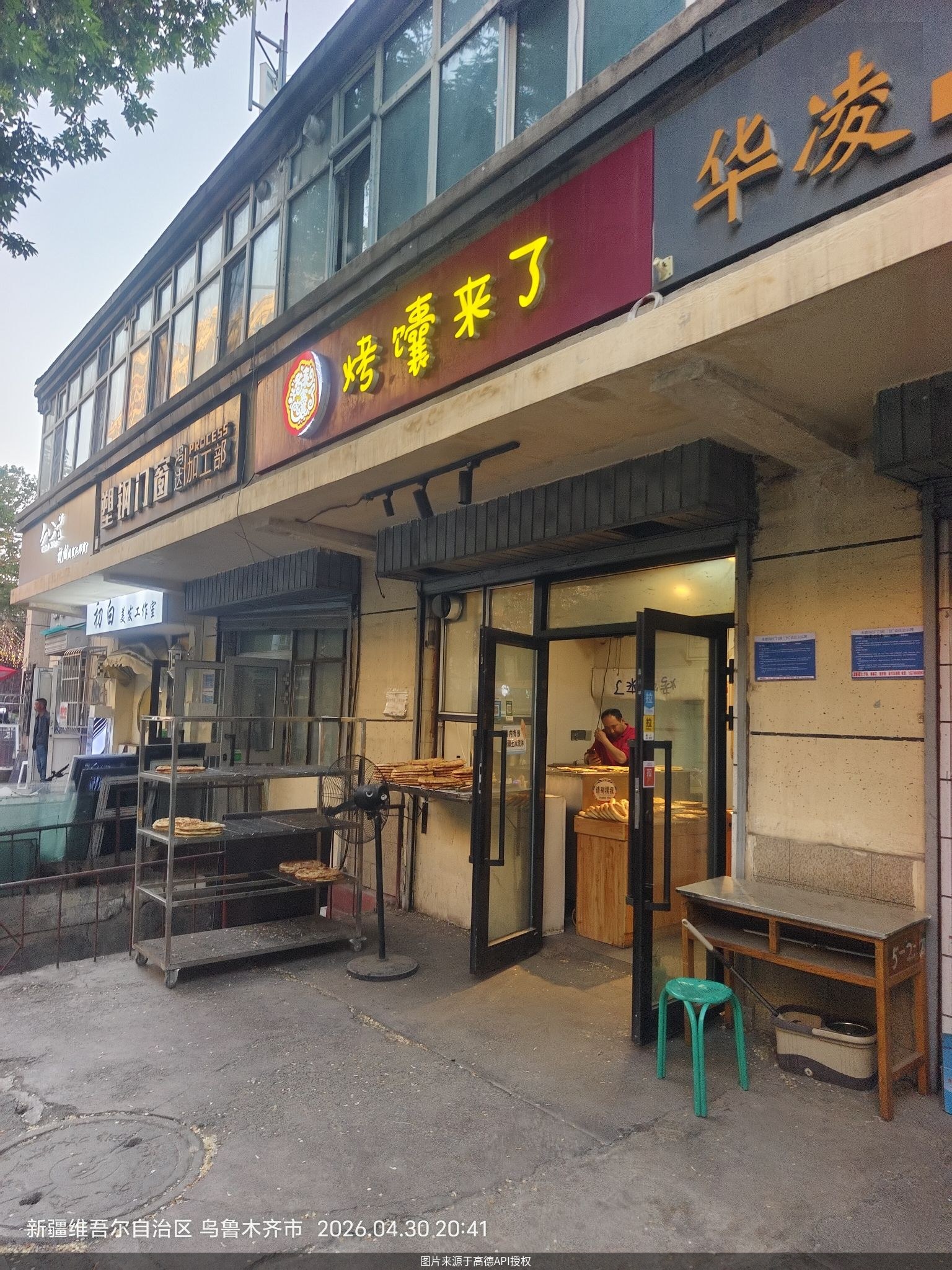
A Urumqi day should begin at a naan pit. The baker slaps sesame or onion onto proofed rounds, bends to press them against the clay wall of a charcoal oven, and minutes later crusty wreaths, oil-rich and sesame-studded rounds emerge in sequence; tear one hot, wheat perfume with a whisper of onion sweetness, delicious with nothing alongside.
Locals buy naan as provisions, three or five at a time; the sensible visitor play is eat a small one now, carry a big one as trail bread. Add a bowl of salty milk tea or brick tea and the morning is complete. Watching the slap-and-press itself is a show, decades of wrist in one motion.
Yanhai Dapan Chicken: The Main Engagement at Midday
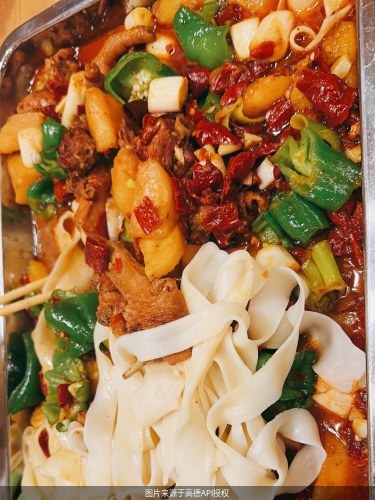
Big-plate chicken is Xinjiang's national answer to a proper meal, and the three-yellow-chicken version prizes tender meat and springy skin: chicken seared to caramel edges, potatoes stewed to sandy softness, peppers folded in last for color, and a glossy, mildly sweet-hot sauce that is the dish's soul. The local sequence: eat chicken and potatoes first, then tumble wide belt noodles into the sauce, the noodle a co-star.
One standard platter feeds two or three, with brick tea alongside to cut the richness. Lunch peaks 13:00-14:30, so arrive early to skip the wait; solo diners can order the small plate without embarrassment.
Loulan Secret Roast: Red Willow, Rack Meat and Charcoal in Three Movements
Xinjiang grilling unfurls its full pageantry at dinner: big lamb chunks on red-willow twigs, the wood's perfume roasted into the meat; whole marinated rack meat hung over coals, charred outside and juicy within; and samsa pastries puffing into golden pillows in the naan pit, bursting with diced lamb and onion, scalding and fresh.
Dinner proper starts near 20:00, so arriving 19:30 beats the rush. Order thin first, a few of each to test the fire, then scale up. A glass of kvass, the honey-fermented soda, or a pot of brick tea gives the fat somewhere to go.
Hetian Second Street Night Market: Where the Night Belongs
The night market runs the second half of Urumqi's evening. The signature is grilled eggs: hen and goose eggs cracked into an iron plate, simmered over charcoal with honey and assorted seasonings, a spoonful that warms clear to the stomach, the word-of-mouth midnight ration. Skewer stalls, offal soup and noodle stands line up alongside, their aromas merging into one current.
Save sweetness for iced yogurt and dried fruits, fig and apricot candied straight and honest. The right posture is plastic stool and patience, one plate at a time, a word or two with the vendors, while the eleven-thirty street still steams.
| Getting around |
|
| Budget | Breakfast RMB 10-20, lunch RMB 40-70 pp, skewer dinner RMB 80-150 pp, night market RMB 30-60; the full day lands near RMB 160-300 pp. |
| Best time | Any season works, with winter offering cozy interiors; in summer remember grill houses hit stride after 20:00 and night markets peak past 22:00. |
FAQs
Can a no-lamb traveler actually eat well on this route?
Yes. Big-plate chicken is a chicken headline, pulled noodles and pilaf come in chicken or vegetarian versions, and grilled eggs plus noodle dishes skip lamb entirely. Say so when ordering and kitchens will steer you; note many grill houses share surfaces, so scent-sensitive diners do better in halal Chinese kitchens or noodle shops.
Do the popular restaurants need queues or reservations?
Chicken houses turn tables fast, rarely over fifteen minutes at meal times; famous grill houses can queue past half an hour at peak, so arrive before 19:30 or call for a number. Most local kitchens skip online booking and run on physical lines, so bring a jacket for the doorway wait, the night wind is pleasantly cool.
Meal hours differ from eastern China, how do I avoid going hungry?
Everything runs two late: breakfast stalls stay warm past nine, lunch at thirteen is on time, dinner seats at twenty, markets crest at twenty-two. A naan stop late morning, proper lunch at noon, skewers at dusk, market at midnight, and hunger never lands. Mall food floors run past 22:00 as the failsafe.
What etiquette applies when eating in halal restaurants?
Three basics: bring no non-halal items inside, especially pork products or alcohol; keep talk and behavior comfortable for the hosts; and respect customs like washing before meals, observing quietly rather than imitating. Most owners are warm to visitors, so ask freely when ordering, keep flashes off other tables, and simply enjoy the meal.