
Urumqi is the index page for understanding Xinjiang. The regional museum supplies the time depth, steppe stone figures to mummies and Han-Tang documents; the city museum tells the urban story; the heritage hall keeps crafts alive, Atlas silk, mulberry paper, pottery and embroidery in working hands. Read those three layers by day, hear the Muqam at night, and the instruments in the cases stop being relics: they sounded on stage tonight.
The day needs just two moves: booking and ticketing. All three venues are free with real-name reservations through separate channels, and the Muqam evening needs seats bought ahead, weekends filling first. Taxis bridge the hops, mostly twenty minutes, with lunch and a rest planted at noon to match local hours.
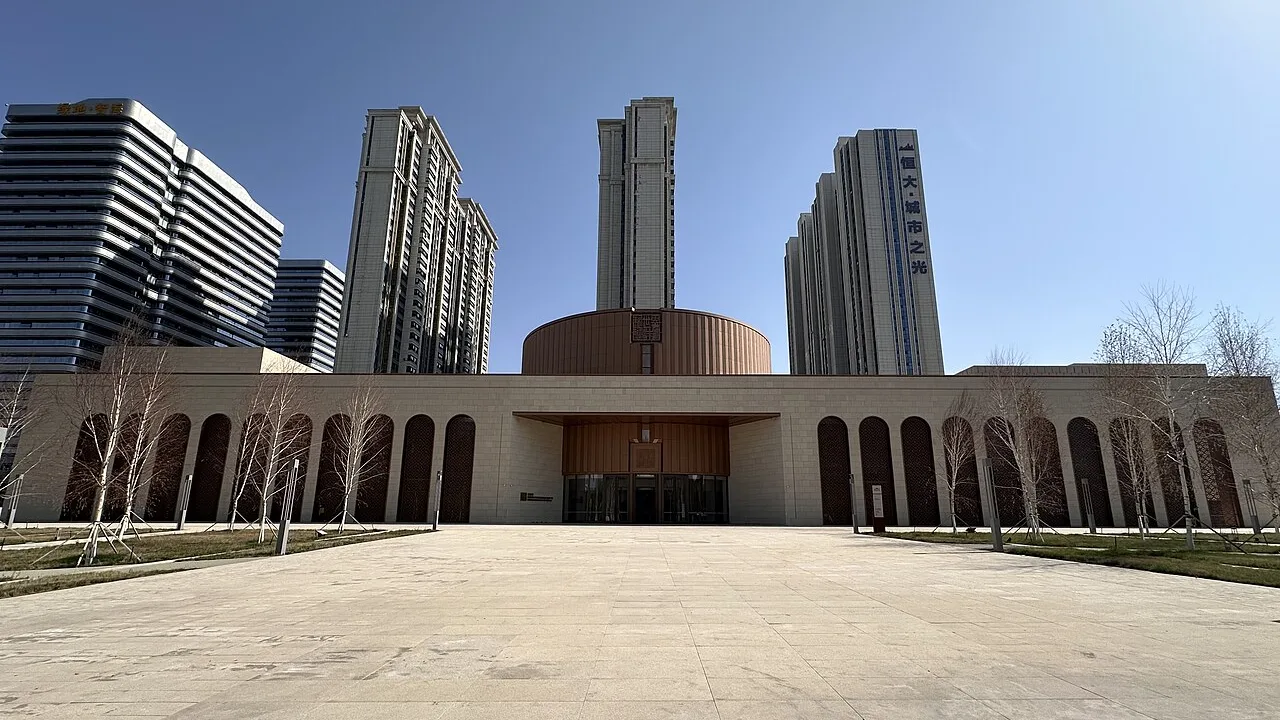
Itinerary at a glance
| 10:00 | Xinjiang Uygur Autonomous Region Museum: The Main Text |
| 14:00 | The Urumqi Museum: A City's Own Footnotes |
| 16:30 | The Xinjiang Intangible Cultural Heritage Museum: Crafts Still Breathing |
| 20:00 | Uygur Muqam Art: Give the Night to Your Ears |
The route, stop by stop
Xinjiang Uygur Autonomous Region Museum: The Main Text
The right circuit walks the main history galleries clockwise by era: steppe stone figures and early burial finds, then Han-Tang documents, silks and coins, closing in the ethnic folklore hall. Visitors often skip that last hall, yet it answers the question the timeline leaves open, how the textiles, instruments and tableware in the cases walk into daily life today.
Give the mummy hall a quiet hour: beyond the Loulan beauty, individuals preserved across periods and terrains sit in comparison, teaching how the basin's dry margins sealed detail away from time. Rent the audio guide without hesitation; the region's layered languages resist reconstruction from labels alone.
The Urumqi Museum: A City's Own Footnotes
After the region's grand narrative, the city museum zooms in: Qing-era founding, merchant caravans, multi-ethnic neighborhood life, and the city's expansion in recent decades, floor by floor a memoir of Urumqi itself. The old-photo and shop-sign rooms carry the most flavor, with local elders pointing at the walls to name the street corners of their youth.
The museum is compact, ninety minutes ample. Its value is completing the logic: the region's millennium upstairs, and here a single city growing out of the meeting of oasis and trade road. Affection for the place turns specific by the time you leave.
The Xinjiang Intangible Cultural Heritage Museum: Crafts Still Breathing
The heritage hall is the youngest and most sensory of the three: Atlas silk's tie-dyed warp and weft, mulberry-paper making, molded pottery, felt and embroidery, mostly staged with objects and settings, some crafts demonstrated by working artisans. The viewing logic differs from a museum; you are not looking at history but at skills that still find buyers today.
Give the instrument gallery twenty minutes: plucked and bowed instruments hang like a silent orchestra on the wall, and at the evening's Muqam you will spot several of them onstage. Understand their construction by day and their sound by night, and the day closes its own loop.
Uygur Muqam Art: Give the Night to Your Ears
Muqam is a grand suite weaving song, dance and instrumental music; the Uygur Muqam of Xinjiang is inscribed on UNESCO's intangible heritage lists, with the Twelve Muqam the mightiest cycle, some twenty hours to perform complete, so stages present selected movements. Plucked strings and voices alternate until the drums take over, and the audience's helpless sway is genuine.
Urumqi keeps regular evening programs of Muqam and folk dance in hotel theaters and proper playhouses, in both dinner-and-show and pure-performance formats. Instruments you studied at the heritage hall now sound live, and that echo is the finest possible ending to a culture day.
| Getting around |
|
| Budget | All three venues are free with booking; show tickets run RMB 120-380 by seat. The day's real spend is meals and taxis, about RMB 150-300 pp with the performance. |
| Best time | Works year-round with climate-controlled halls; in peak season (July-August, Golden Week) book museums 2-3 days ahead, and weekend show seats go fast. |
FAQs
Are three venues in one day too much, and can the order change?
The three curate differently, a region's millennium, a city's own story, and living crafts, so fatigue runs lower than feared. Keep the regional museum in the morning and the city museum plus heritage hall after lunch, since the regional hall is the biggest physical spend and belongs to your freshest hours. If pressed, drop the city museum and the narrative still holds.
Where do I buy Muqam tickets, and what is the etiquette?
Buy through the theaters' and hotel venues' official channels or legitimate ticketing platforms, RMB 120-380 by seat and meal inclusion. Etiquette leads with respect: let the performers signal applause, confirm house photography rules first, and bring no outside alcohol to halal dinner shows. When unsure, mirror what the local audience does.
The museums are free, so why book ahead?
Free does not mean walk-in: all three run real-name capacity limits, with peak-season and holiday slots gone by midday and no on-site fallback window. Book through each venue's official WeChat account, registering foreign passports by number and presenting the physical document at entry. Booking ahead also skips the identity-check queue, worth it in high season.
Can a total beginner to Xinjiang history still follow this day?
Yes, and the experience is arguably better: the regional museum's main galleries are built as a narrative for first-timers, walked chronologically from the entrance, with audio guides or shared docents supplying background. The heritage hall and evening show need no history at all, entering through the senses. Revisit your case photos after the performance and the understanding deepens.