
Urumqi's heritage worth is routinely underestimated: travelers treat it as a transit hub, yet it is the Silk Road's northern complete index. Three days unfold in three layers of time, earth and living practice: the regional and city museums keep the timeline, the geological museum explains how the land made oases and ore veins, the heritage hall and a Muqam evening carry what still lives, and the old pagoda and Erdaoqiao lanes return heritage from display cases to the street.
Nothing here rushes; every museum hop leaves a lunch and dinner buffer matching local hours two beats late. Only two tasks need lead time: each venue books through its own real-name channel, and Muqam seats deserve two or three days' notice. The rest belongs to walking, buses and taxis.
Itinerary at a glance
| Day 1 · 10:00 | Xinjiang Uygur Autonomous Region Museum: Reading the Timeline Thick |
| Day 1 · 14:30 | The Urumqi Museum: Heritage from Street Level |
| Day 1 · 19:30 | The Grand Bazaar: A Living Museum of Silk Road Commerce |
| Day 2 · 10:00 | The Xinjiang Geological and Mineral Museum: The Earth's Own Inventory |
| Day 2 · 15:00 | The Xinjiang Intangible Cultural Heritage Museum: The Lineage of Crafts |
| Day 2 · 20:00 | Uygur Muqam Art: Heritage in the Perfect Tense |
| Day 3 · 10:00 | The Hongshan Pagoda: One Tower's Civic Memory |
| Day 3 · 14:00 | The Xinjiang Art Museum: Heritage's Contemporary Echo |
| Day 3 · 17:30 | The Erdaoqiao Quarter: Heritage Back on the Street |
| Day 3 · 20:30 | Huatian Night Lane: The Three-Day Farewell Dinner |
The route, stop by stop
Xinjiang Uygur Autonomous Region Museum: Reading the Timeline Thick
Opening heritage days with the main timeline is the cleanest entry. Skip the case-dashing style and read three objects slowly: a Han brocade or silk for the central-plains genes in its patterns, a Tang document for the contracts and letters of ordinary lives, then back to the mummy hall to watch time itself become the greatest inheritance. Three slow reads beat ten scanned cases.
Save the folklore hall for last, connecting static heritage to living practice: instruments, textiles and tableware all find counterparts in today's bazaars and kitchens. Carry that impression into the afternoon and the next two days, and exhibits and streets will annotate each other constantly.
The Urumqi Museum: Heritage from Street Level
Where the regional house frames region and dynasty, the city museum frames lanes and households. Old-town sand tables, veteran shop signs, ration coupons and household tools record how a frontier city grew its own street traditions out of trade routes and migration. Linger at the multi-ethnic neighborhood displays, where door plates, family letters and sewing machines tell a moving history.
The permanent exhibition takes ninety minutes, with afternoon light falling kindly into the old-photo room. The evening stays loose, so take a nap and spend the first night at the Grand Bazaar.
The Grand Bazaar: A Living Museum of Silk Road Commerce
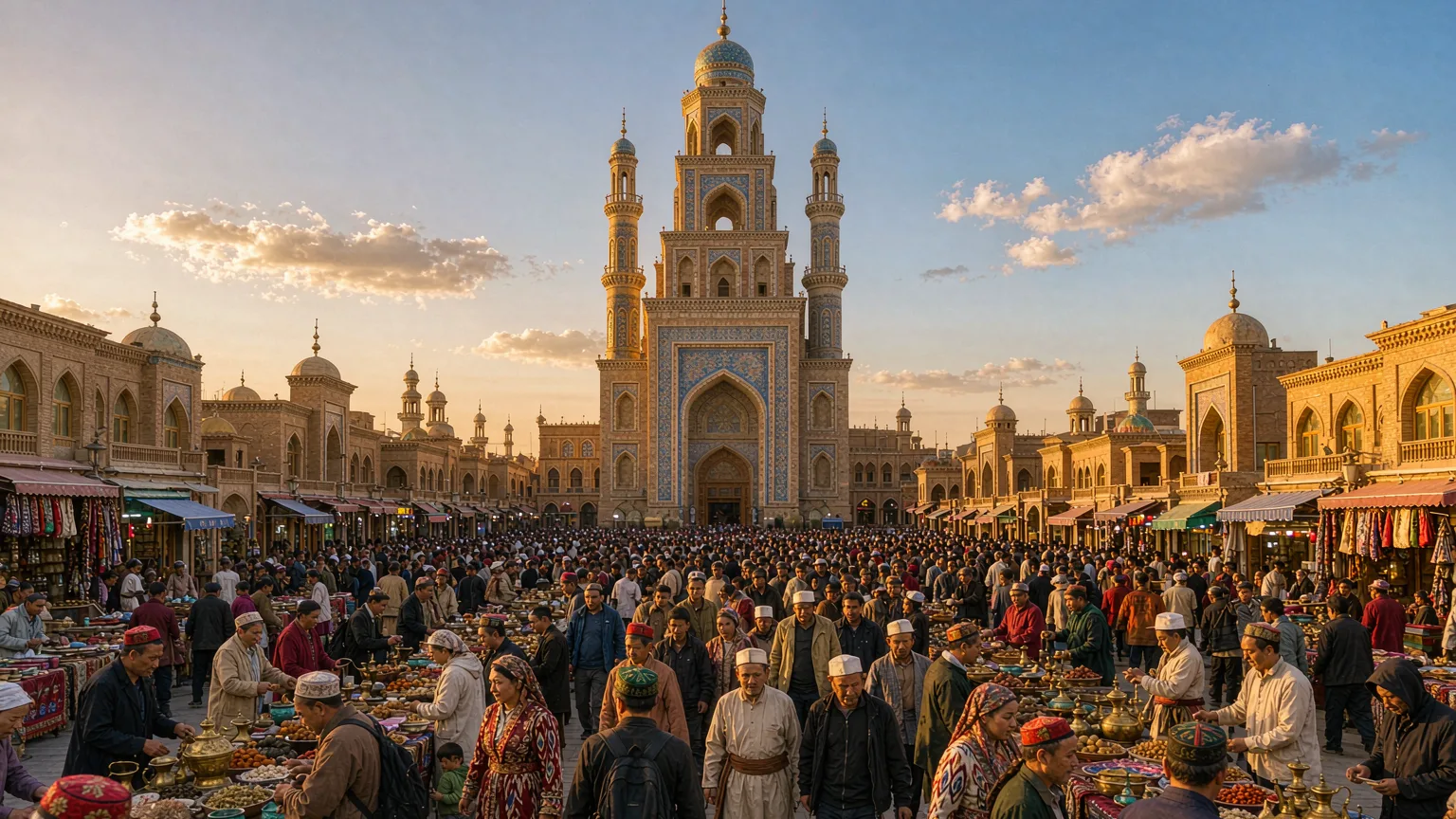
Read the bazaar as heritage rather than retail: the dried fruit, carpets, Atlas silk, copper and instruments it gathers are precisely the commodity structure two millennia of Silk Road trade built. The indoor halls zone by category, and walking food to craft traces a product map of the old routes, putting live stock beside the morning's museum textiles and instruments.
Night dancing on the square footnotes the words living practice, visitors and locals sharing one circle without anyone finding it odd. Eat dinner here, respectable skewers and pilaf, and bank the energy for tomorrow's geology.
The Xinjiang Geological and Mineral Museum: The Earth's Own Inventory
Day two shifts a layer down: beneath cultural heritage lies the earth's own. Ore and gem specimens, oil and coalfield displays, meteorites and paleontological fossils explain why oasis city-states grew where they did and why the post roads bent as they bent. Once the three-mountains-two-basins structure clicks, every museum from yesterday reads smoother.
The gem and meteorite halls delight children first and snare adults next, nobody walks quickly past giant petrified wood and crystal clusters. Compact enough for a leisurely two hours, with lunch and a rest back downtown at noon.
The Xinjiang Intangible Cultural Heritage Museum: The Lineage of Crafts
Back from geology to human hands, the heritage hall answers how the land's products became culture: mulberry paper from local branches, Atlas silk's self-contained warp-tying and dyeing, pottery, felt and embroidery each with a transmission lineage. Displays zone by craft with artisan profiles and step diagrams, and a careful read explains the master-apprentice system behind the phrase intangible heritage.
If live demonstrations run, prioritize Atlas silk's warp-tying and the potter's wheel, the most process-rich. Then find the same objects in markets and old lanes for comparison; tomorrow's Erdaoqiao is a ready-made field site.
Uygur Muqam Art: Heritage in the Perfect Tense
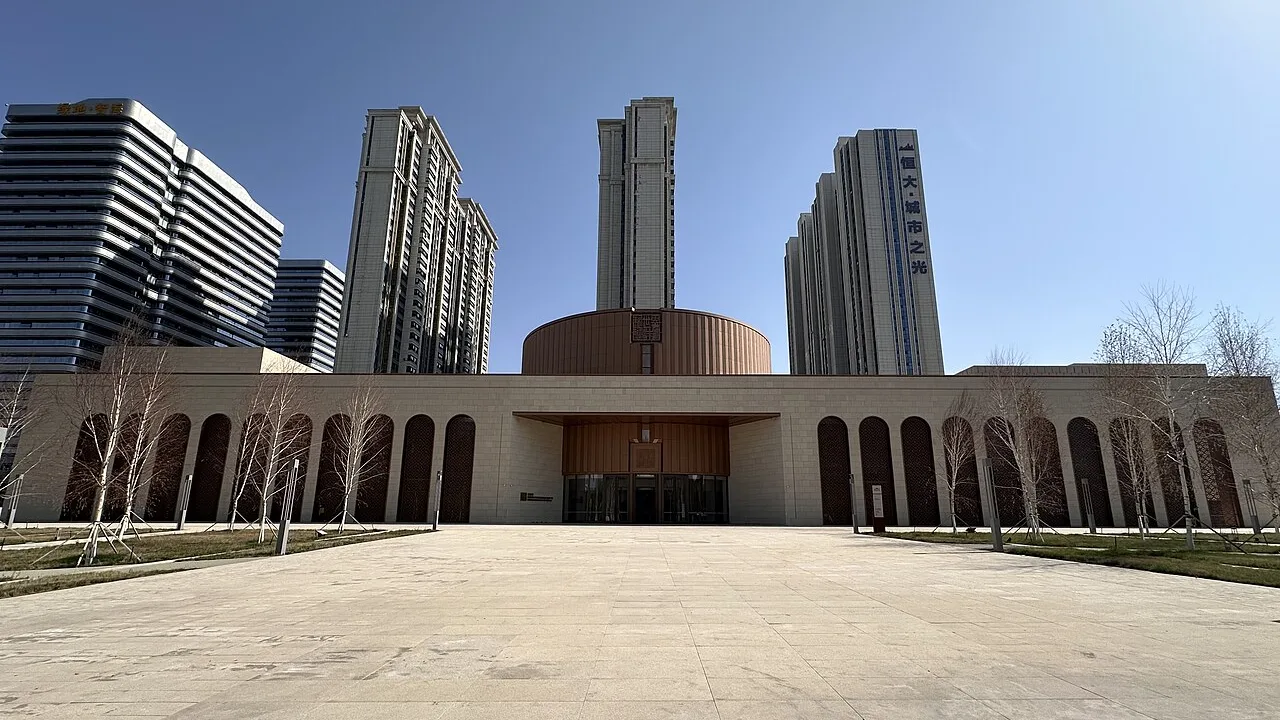
The instruments, embroidered pieces and textiles studied by day all sound and take the stage tonight. Muqam holds UNESCO's intangible heritage listing, and the Twelve Muqam rise from free-rhythm prologues through alternating plucked and bowed passages until drums gather everything in. First-time listeners need not chase comprehension; watch the players' eye contact and breathing, that wordless accord is the transmission itself.
Choose the pure-performance format for focus, the dinner format for one-stop convenience. Streets stay lively after the house empties; walk off the evening, since the final pagoda and old quarter want fresh spirit.
The Hongshan Pagoda: One Tower's Civic Memory
The final day returns inside the city. Built in the Qianlong era, the grey-brick pagoda crowns Red Hill as a flood-suppressing charm, maintained by generations of Urumqi residents for over two centuries until it graduated from talisman to civic totem. Its meaning lives in position more than height: visible across town, it marks the city's covenant with its mountain.
The hill also carries modern memorials, including one to Lin Zexu, stacking the ancient flood tower and modern history onto one slope. A perimeter walk takes forty minutes, a good while to gather the three days' heritage threads in your head.
The Xinjiang Art Museum: Heritage's Contemporary Echo
Ending the heritage line at the art museum is deliberate: local painters' Tianshan, oases and markets are exactly how all that heritage images in contemporary eyes. Play a game while viewing: match objects in the paintings to museum cases and bazaar stalls, from carpet motifs to instrument shapes, and the hit rate will startle you.
The museum fits an hour and a half, then rest at the in-house cafe and let three days settle, before the evening's final comparison and shopping at Erdaoqiao.
The Erdaoqiao Quarter: Heritage Back on the Street
Evening Erdaoqiao is the heritage line's final control group: the naan pits, instrument shops and textile stalls of the museums all exist here in operating condition. Walk one lane seriously, matching the baker's gestures to the heritage hall's step diagrams, and the dutar on the shop wall to its kin on the Muqam stage.
The assignment is confirmation, not consumption: confirm that everything seen over three days still lives on the street. Shop if convenient, under the morning's own rules, buy by need and compare first.
Huatian Night Lane: The Three-Day Farewell Dinner
Close at Huatian Night Lane, earthier and looser than the bazaar. Beyond skewers, noodles and iced yogurt, watch the handmade stalls between food vendors, leather, copper, dried flowers, the budget branches of exactly the crafts the heritage hall taught. A few-dozen-yuan trinket fits this line's theme better than any luxury souvenir.
After eating, run the final luggage check: vacuum-sealed fruit, shipping receipts for blades, padding on breakables. The heritage index is read; behind you, Urumqi keeps steaming.
| Getting around |
|
| Budget | Museums run free with booking, the Muqam evening RMB 120-380, bazaar spending open-ended; three days land near RMB 400-800 pp before lodging. |
| Best time | Runs year-round in climate-controlled halls; in Golden Week and summer book the popular venues two or three days ahead, and weekend show seats go first. |
FAQs
The museum count feels heavy, which stops can merge or drop?
The art museum is the most droppable, an echo rather than the text; the city museum comes second and can fold into the first afternoon if pressed. The heritage hall and Muqam night are this line's soul, keep them. The pagoda and Erdaoqiao do outdoor digestion work, and cutting them wastes the design that walks heritage back onto the street.
Is the geological museum worth it with kids?
Highly, and it may be the children's best stop of the three: gems, meteorites, petrified wood and fossils are tangible and need zero history background. Some galleries hold interactive stations and weekends crowd, so aim for a weekday morning. Let kids pick a small mineral specimen at the museum corner afterward, more meaningful than scenic-area trinkets.
Is one Muqam show enough, and should I study beforehand?
One show suffices, the point is experience not study. The only homework worth doing happens at the heritage hall: learn the shapes of the dutar, rawap and frame drum first, and the evening's instruments slot into place, doubling the experience. Walking in cold is also fine, Muqam's emotional language needs no translation, and nodding with the drums already counts as participating.
How friendly is this route to visitors without Chinese?
Chinese-only labels are the main hurdle, with three fixes: rent audio guides where English tracks exist, request language needs when booking live docents, and scan labels with a translation app. The bazaar and night lanes close deals on gestures and calculator alone, vendors know foreign faces well. Keep booking screenshots on your phone, show your physical passport at entry, and no spoken Chinese is needed anywhere.