 TripMyChinaJOURNEYS THROUGH REAL CHINA✦ AI Trip✦ Plan My Trip
English
简体中文
繁體中文
日本語
한국어
ไทย
Tiếng Việt
Bahasa Indonesia
Italiano
Español
العربية
Русский
Deutsch
Français
Bahasa Malaysia
TripMyChinaJOURNEYS THROUGH REAL CHINA✦ AI Trip✦ Plan My TripYangzhou · Attractions
Yechun Teahouse is where Yangzhou's famous "morning skin wrapped around water" ritual happens at its most storied: steamer baskets of translucent dumplings and plump buns carried out along a waterside terrace on the old city moat. The house traces its trade back through the Qing dynasty, and its tables still fill at dawn with locals lingering over tea, dim sum and newspapers. For visitors it is both a meal and a spectacle — watch the bamboo steamers rise, order the five-dice bun and the emerald dumplings, and take the corner seat by the water if you can get it.
Yangzhou's wealth in imperial times rested on salt, and its leisured gentry turned meals into institutions — none more enduring than morning tea, the custom of devoting hours to tea and delicate snacks before the day begins. Yechun, set among trees along the North Moat canal, has served that custom for generations, growing from a Qing-era garden teahouse into one of the city's most famous names. Its signature dishes read like a dim sum glossary: steamed dumplings with paper-thin skins, shaomai, and the celebrated five-dice bun, stuffed with diced abalone, chicken, pork, bamboo and shrimp.
The main Yechun complex spreads across waterside pavilions connected by covered walkways, with the busiest dining halls near the entrance and quieter rooms deeper in. Arrive before 8 a.m. for the classic scene — steamer fog over the canal, bird cages hanging from trees, tables of retirees settling in for the long haul. Later seatings run all day, but the morning is the point. Prices remain reasonable by big-city standards, payment is by phone or cash, and no reservation is needed for ordinary tables, though the best waterside seats go early.
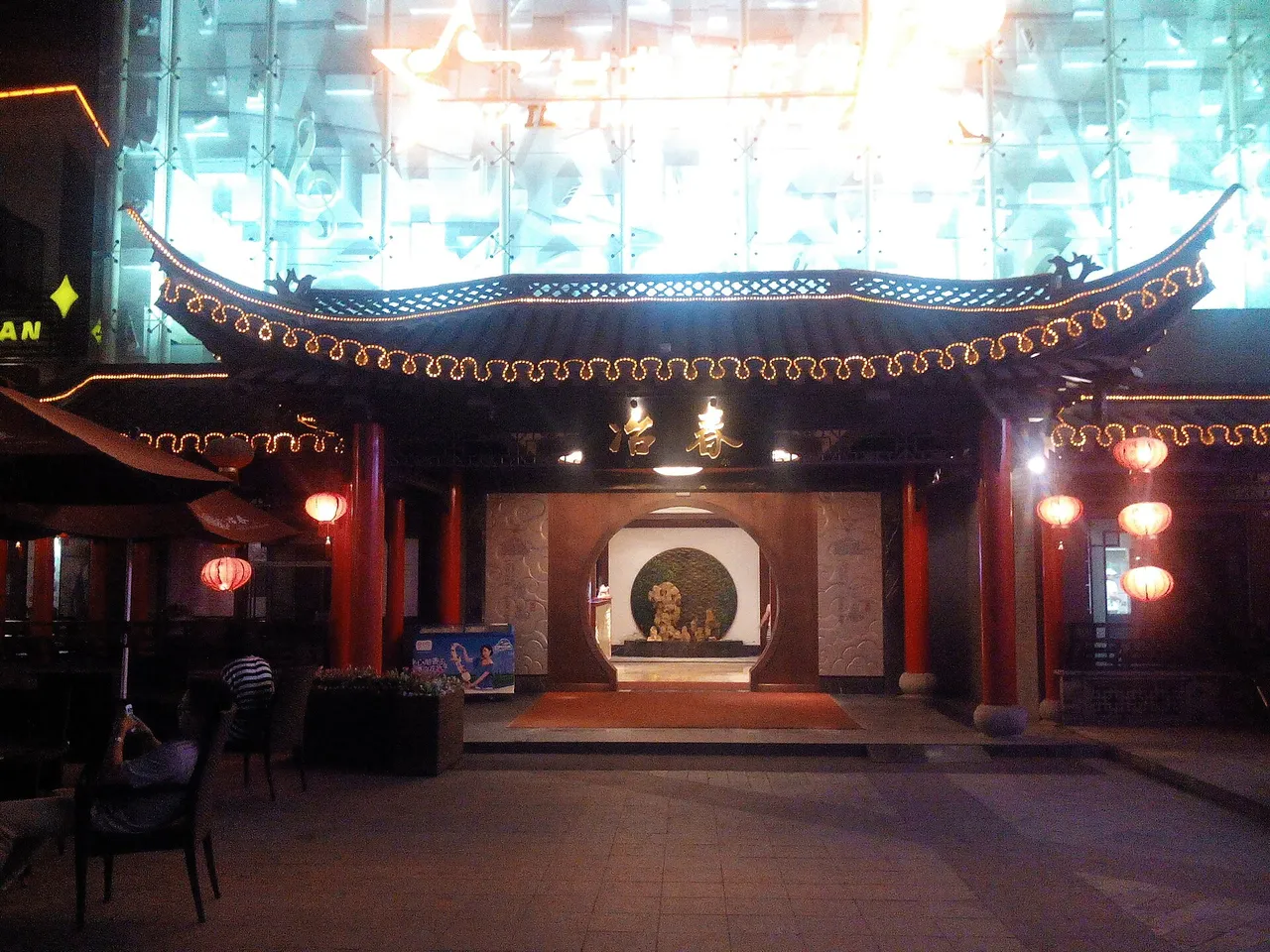
There is no ticket — you order and pay for food like any restaurant, with table service in the main halls and self-ordered counters in some sections. Morning tea costs far less than a comparable meal in Shanghai or Beijing; a table of two can eat handsomely for the price of a casual dinner elsewhere. Expect queues on weekends and holidays before 9 a.m., with a waiting system at the entrance; weekday early birds walk straight in. Hours run from early morning through the evening, but dim sum winds down by mid-afternoon and the kitchen pivots to regular dishes. No reservations are taken for most tables — arrive early for the waterside seats.
Yechun's main complex sits on the banks of the North Moat in central Yangzhou, a few minutes by taxi or ride-hail from the railway station and within easy walking distance of the old city's northern attractions. From the Slender West Lake area it is a short ride south; from Wenhe Square or the main shopping streets, a pleasant canal-side walk. The teahouse opens early — the first steamers come out around opening time, and the true morning-tea hours run from dawn to mid-morning. Combine breakfast here with a walk along the moat, then continue to the gardens or the lake; it is the most Yangzhou way to start a day of sightseeing.
Any season works — this is indoor, steam-warmed eating at its core — but Yangzhou's tourist heart beats strongest in spring and autumn, when a post-breakfast stroll along the moat or toward Slender West Lake is a pleasure. The critical variable is the hour, not the month: arrive between opening time and 8 a.m. to catch the classic scene of steamer fog, bird cages and leisurely locals, or accept the weekend crush later. If you miss morning tea entirely, a late-afternoon seat by the water with tea and one steamer of dumplings is a graceful consolation. Avoid the lunar New Year fortnight unless you relish queues.
It is the city's defining meal: hours spent over tea and delicate dim sum, traditionally before the working day began. Locals call the style "skin wrapped around water" — delicate dough wrapped around juicy fillings — and Yechun is its most famous stage.
Start with the five-dice bun, the translucent steamed shrimp dumplings and the shaomai, then add a pot of green tea. Sharing several small baskets beats ordering doubles of anything.
Generally no — most tables are first-come. The exception is the weekend and holiday morning rush, when a queue forms at the entrance before 9 a.m.; arrive early instead.
It is famous, but it remains a genuine local institution — weekday mornings are full of retirees lingering for hours. Sit deep in the pavilions away from the entrance for the most local feel.
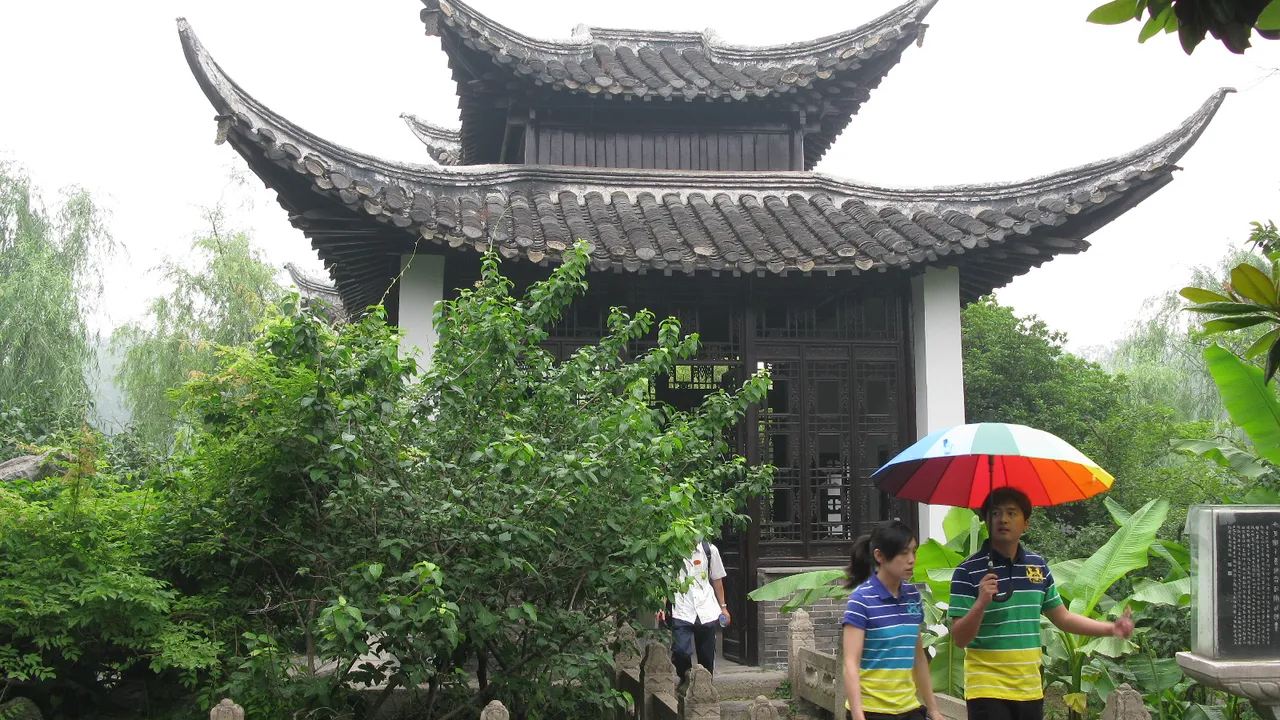 Full day · 8–10 hours
The day starts at a teahouse at seven and ends with a plate of tofu cut into five thousand threads
View details →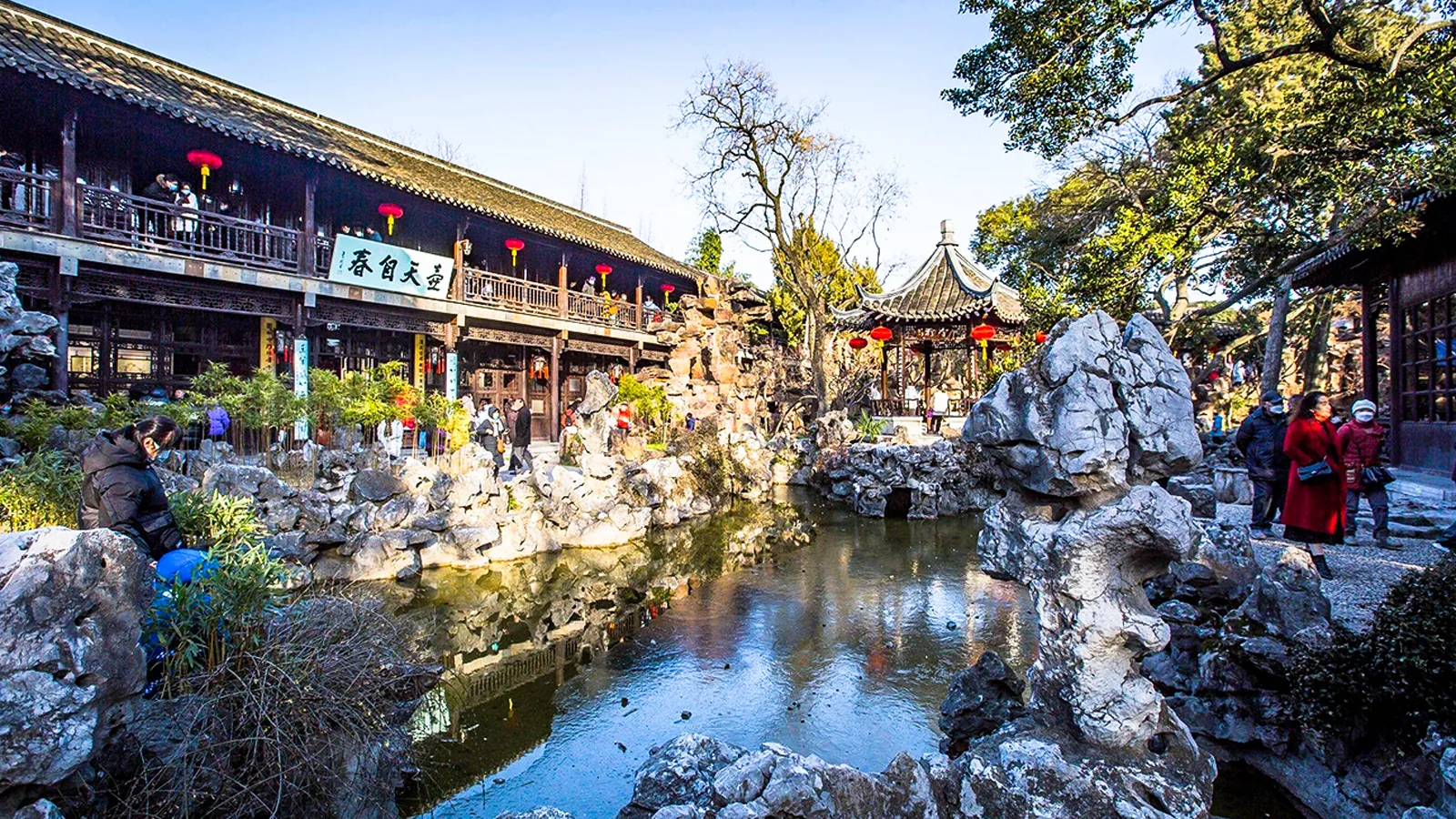 Full day · 8–10 hours
A city that made gardens into everyday life: bridges on the water, mountains inside the lanes
View details →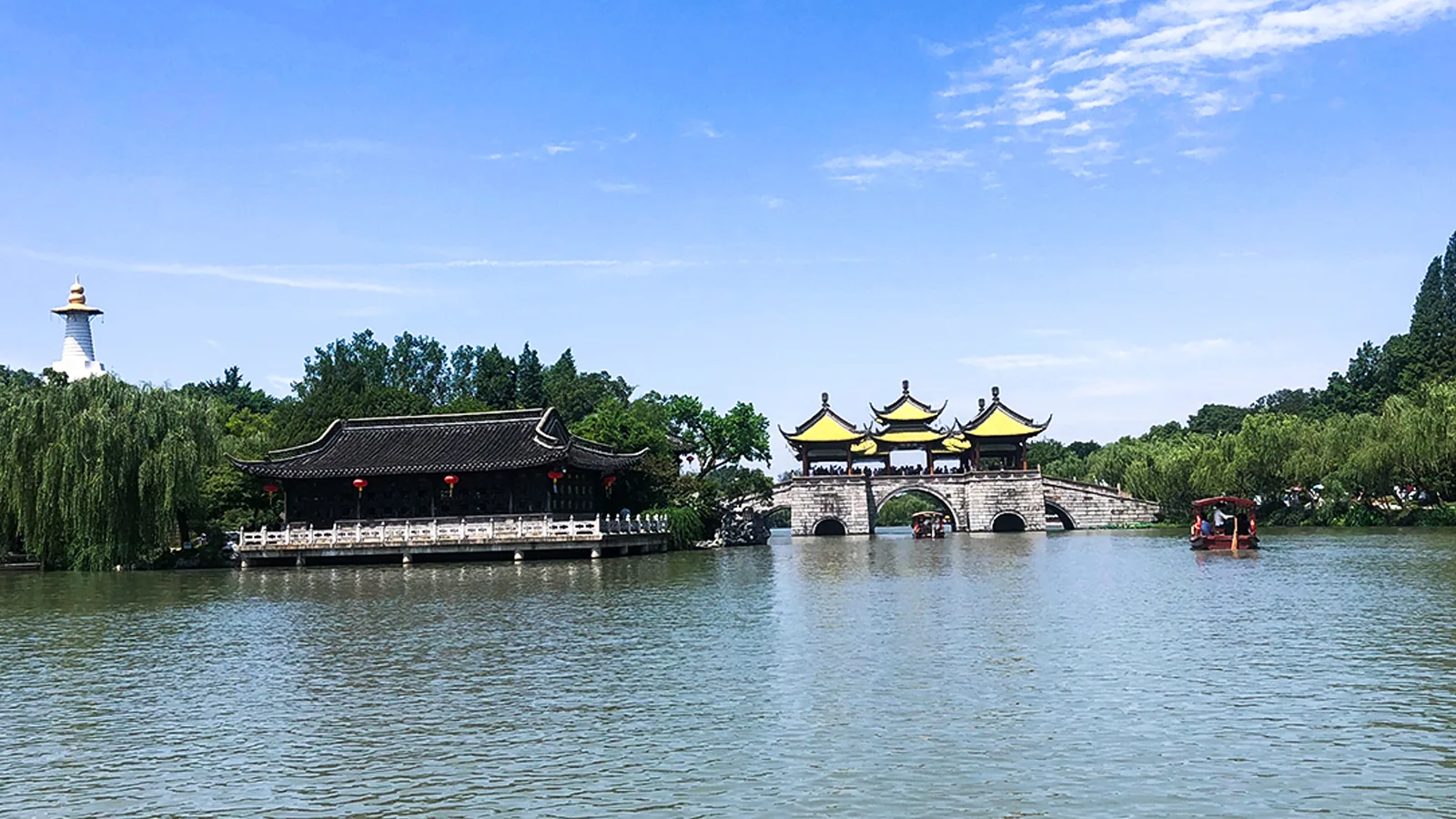 Full day · 8–10 hours
Up the canal to reeds, metasequoia and a lake with no crowd on it
View details →2 days · 1 night · privateThis two-day express route covers Yangzhou's essentials: Slender West
View details → 3 days · 2 nights · private
Three days cover the classic Yangzhou set: Slender West Lake and Damin
View details →Booked a private guide for one day and it was worth it just for the lake. We walked the causeways past Five Pavilion Bridge, and my guide kept pointing out which willow trees were oldest, stuff I'd never have noticed alone. Ge Garden was the surprise — I spent way longer than planned trying to figure out how they got four different rockeries to feel like four different seasons.
Took the kids to He Garden mainly because of the two-storey covered walkway, and they loved running up and down it. The place is quieter than the lake, which suited us fine. Only gripe: almost no English signage on the upper level, so I was basically guessing what each room was for. Still a good half-day out.
Private car & driver, day trips and multi-day routes from Yangzhou. · Free consultation · reply within 12h