 TripMyChinaJOURNEYS THROUGH REAL CHINA✦ AI Trip✦ Plan My Trip
English
简体中文
繁體中文
日本語
한국어
ไทย
Tiếng Việt
Bahasa Indonesia
Italiano
Español
العربية
Русский
Deutsch
Français
Bahasa Malaysia
TripMyChinaJOURNEYS THROUGH REAL CHINA✦ AI Trip✦ Plan My TripYangzhou sits on the Grand Canal in Jiangsu, known for the pavilions and bridges of Slender West Lake and for gardens such as Ge Garden and He Garden. The city's morning tea, served at places like Yechun and Fuchun, is a routine rather than an occasion.
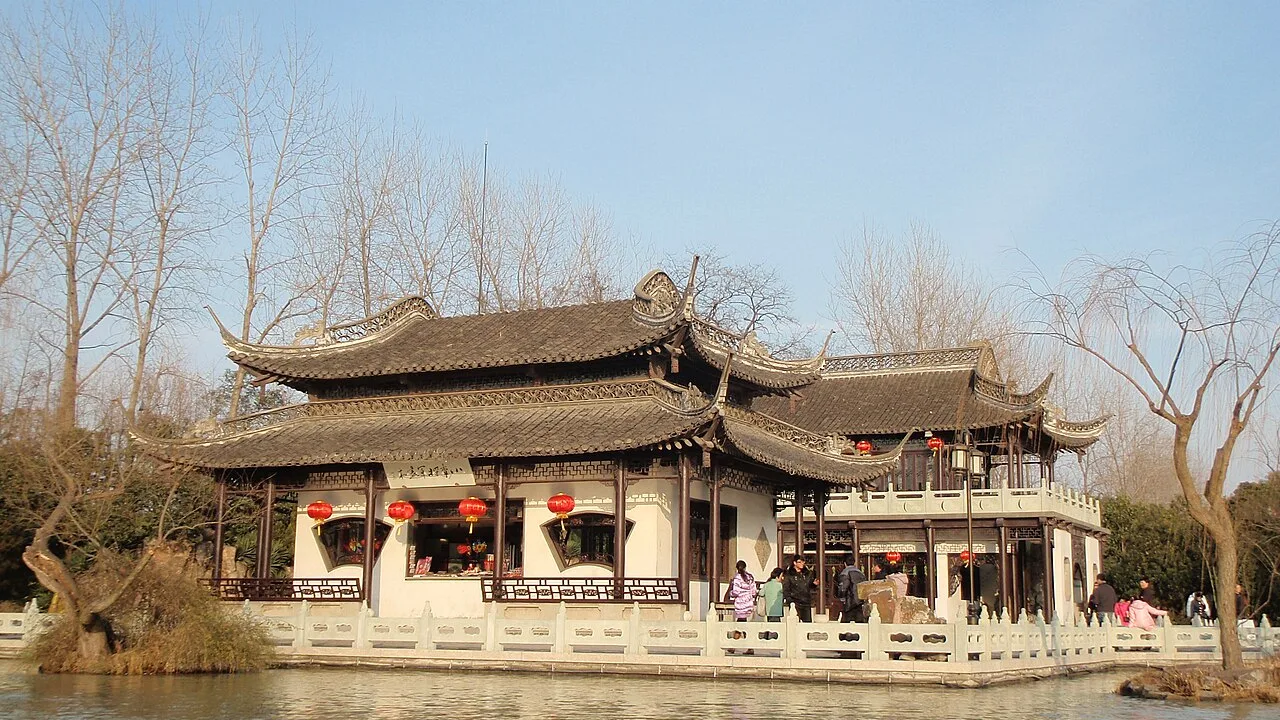
Yangzhou lies in central Jiangsu, on the northern bank of the Yangtze and astride the Grand Canal, which made it a major junction between the Yangtze Delta and northern China. It is a prefecture-level city in East China, and its historic core is compact and walkable.
The city prospered for centuries as a canal transport and salt-trade centre, and that commercial wealth left behind a dense legacy of gardens, waterways and merchant residences. The mood is quieter than neighbouring Nanjing or Suzhou: willow-lined lakes, low white-walled lanes and a strong local tradition of teahouses and slow mornings.
Most visits centre on Slender West Lake, where the Five-Pavilion Bridge and Twenty-Four Bridge sit among causeways and pavilions. In the old town, the gardens of Ge Garden and He Garden show different styles of Qing-era garden design, while Dongguan Street runs through the historic commercial quarter. The Yangzhou section of the Grand Canal is the thread linking these sites.
World-class, national and global recognition earned over the decades.
Yangzhou lies on the Grand Canal, inscribed on the UNESCO World Heritage List as a cultural property.
Yangzhou is one of the home cities of Huaiyang cuisine, one of China's major regional culinary traditions.
A landmark lake-and-garden scenic area known for the Five-Pavilion Bridge and the Twenty-Four Bridge.
Ge Garden and He Garden are representative classical gardens of Yangzhou, noted for rockeries and architecture.

The moments that shaped the city — and the stories its people still tell.
Yangzhou grew as a canal city on the Grand Canal, which linked the region to wider trade routes.
Ge Garden is known for its four-season rockeries, a celebrated feature of Yangzhou garden design.
He Garden, also called Jixiao Shanzhuang, is a classical garden known for its architecture and layout.
The lake area developed as a scenic and garden zone, with the Five-Pavilion Bridge and Twenty-Four Bridge among its landmarks.
Yangzhou morning tea is a local tradition centered on teahouses such as Yechun and Fuchun, with items like sandingbao and jade shaomai.
Dongguan Street is a historic street in Yangzhou, associated with the city's old commercial and residential quarters.
The Twenty-Four Bridge in Slender West Lake is a named landmark of Yangzhou, referenced in classical poetry and local lore.
Yechun and Fuchun are long-established teahouses associated with Yangzhou's morning tea custom.
Yangzhou's 'three knives' refer to the city's traditional trades of cooking, barbering and tailoring.
Three paces, one city — every route built from places we actually operate.
Weather, crowds and the best months for what you want to see.
Spring is a traditional time to visit Yangzhou's gardens and lake area; check official channels for opening details.
Summer is warm; gardens and teahouses remain the main attractions.
Autumn is mild and suited to walking the old streets and gardens.
Winter is cooler; classical gardens such as Ge Garden can be visited with fewer crowds.
Spring is often considered the best season for Yangzhou's gardens and Slender West Lake; check official channels for details.
What this city is known for — the things worth planning your day around.
The places worth building a day around.
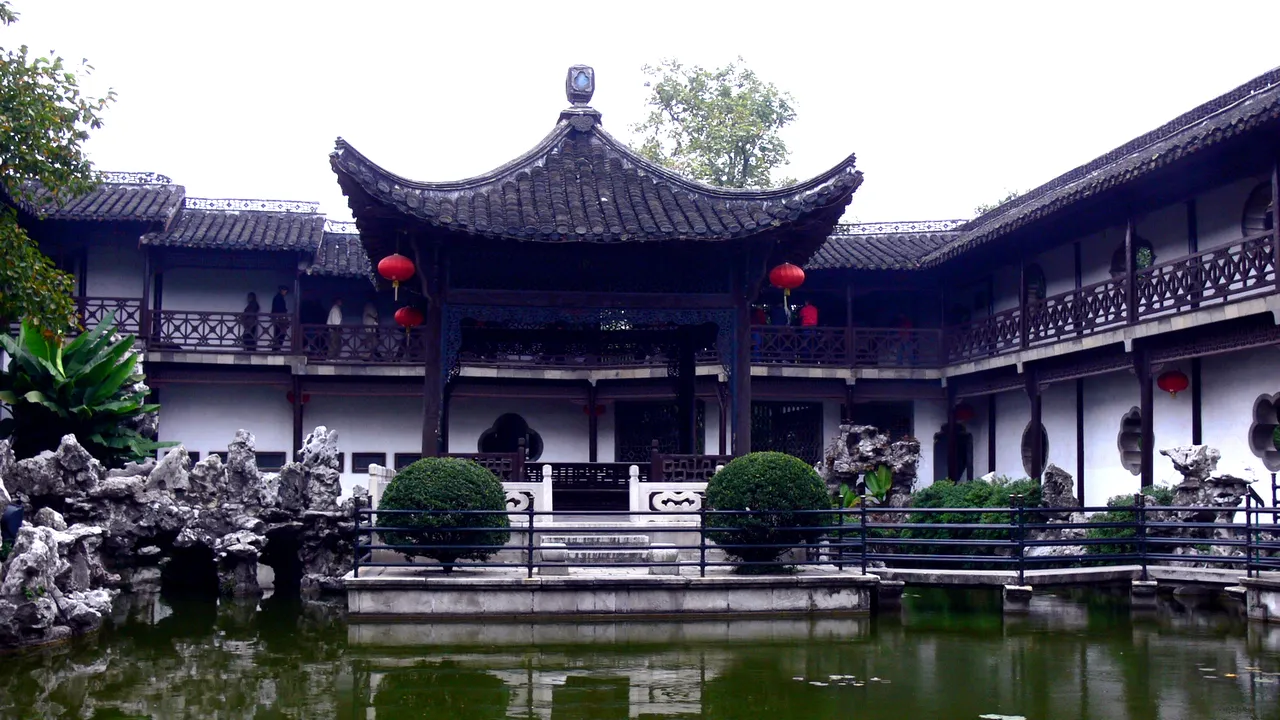
He Garden is Yangzhou's most theatrical private estate, built in the 1880s by a retired Qing official who had grown wealthy on the treaty-port trade.
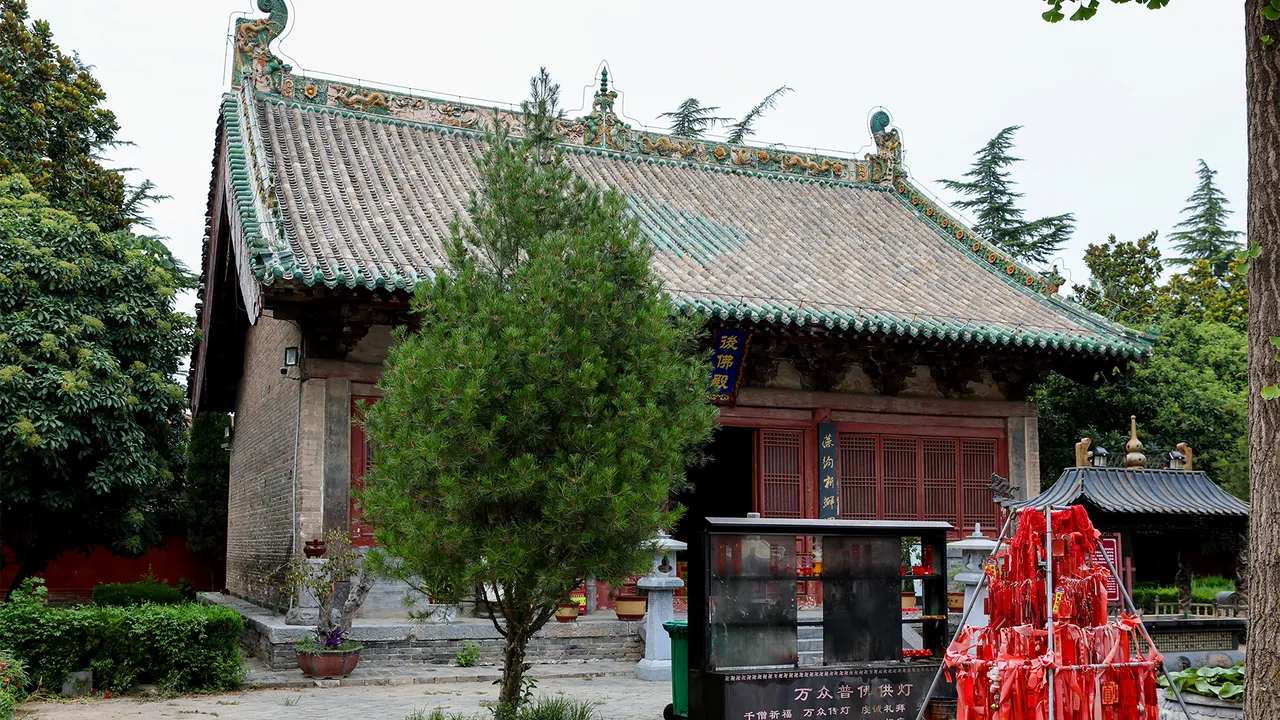
Daming Temple crowns Shugang Hill on Yangzhou's northern edge, a working monastery whose roots reach back some fifteen hundred years to the Southern D
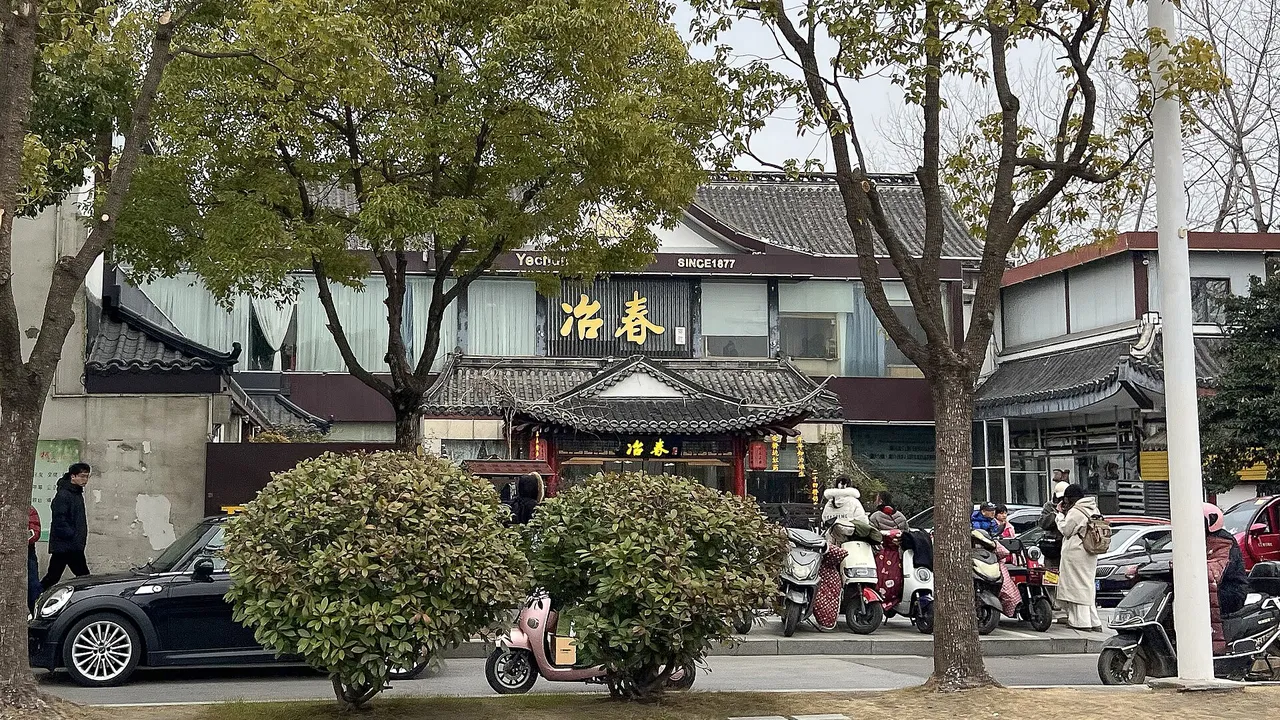
Yechun Teahouse is where Yangzhou's famous "morning skin wrapped around water" ritual happens at its most storied: steamer baskets of translucent dump
Where the whole street eats — the city's most famous food streets, each with its own guide page.
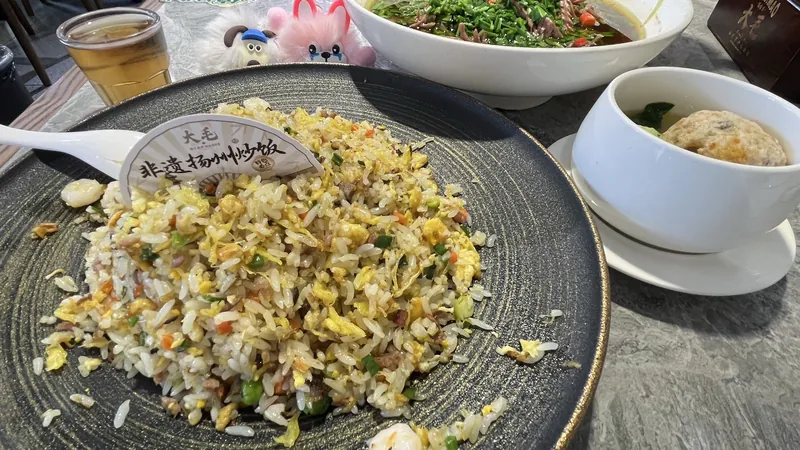
The Huaiyang cuisine of Yangzhou and its region is known for fine knife work and clean, balanced flavours.
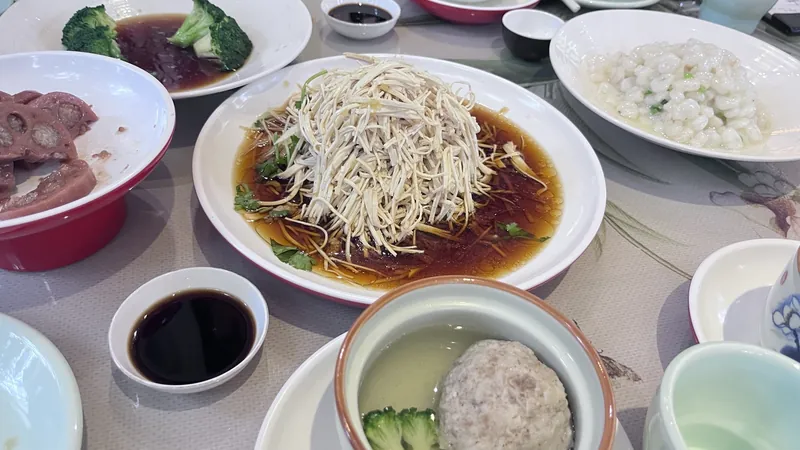
A well-known Yangzhou morning-tea spot serving traditional dim sum such as baozi and shaomai.
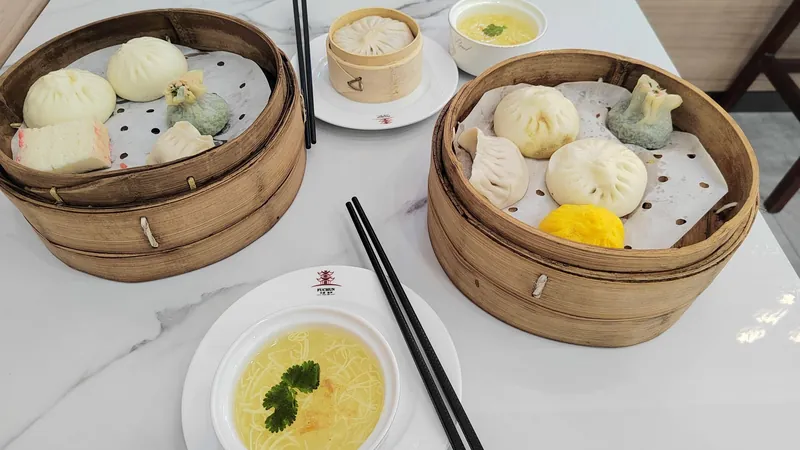
A long-established Yangzhou morning-tea house, a common choice for experiencing the local breakfast custom.
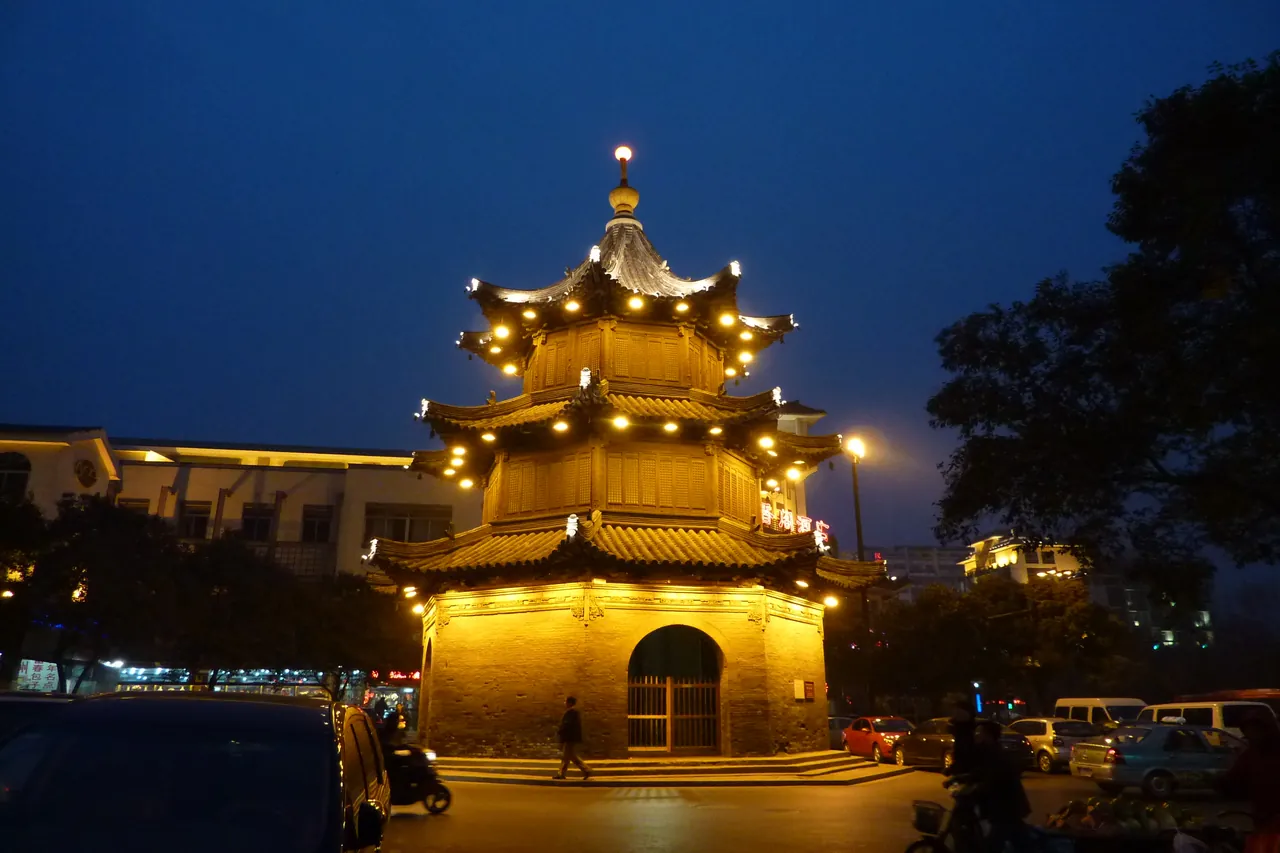
The Five Pavilion Bridge and Twenty-Four Bridge are lit after dark; check the lake's evening opening arrangements.
The old street stays lively into the evening with snacks and small shops.
Tea houses serve Yangzhou morning-tea dishes through the day; confirm evening hours.
A local restaurant for Huaiyang cooking is a calm way to end the day.
Evenings in Yangzhou are quiet: lit bridges over the lake, the old street's snack stalls and a late Huaiyang meal.
Listed sites and the crafts that made this city famous.
Yangzhou sits on the Grand Canal, a UNESCO World Heritage site; the city's fortunes were tied to this waterway.
A historic street in the old city, known for snacks and traditional shops.
A classical garden known for its four-season rockeries.
A late-Qing garden estate known for its covered walkways.
A breakfast tradition of tea and dim sum, including san ding bao and jade shumai.
A steamed bun with a three-part diced filling, a Yangzhou morning-tea staple.
A green vegetable-filled shumai served at morning tea.
Yangzhou's local cooking style, known for careful preparation and mild seasoning.
Yangzhou's traditional trades of kitchen knife, barber's knife and pedicure knife.
The old street's snack stalls are part of local daily eating habits.
Senior licensed guides with 10+ years in the field and fluent English — deep on history, culture and local life.

Experienced licensed guides with clear English — solid on city highlights, food and day-to-day logistics.

Licensed guides with workable English — a good-value choice for city days, transfers and standard commentary.

Chauffeur-driven by the day, plus airport and intercity transfers.



Private chauffeur-driven vehicles, priced per vehicle not per person. Airport transfer from $45; intercity transfer from $180.
10 guides split by trip length: one-day city routes, three-day escapes and longer journeys, with stops, costs and transport in each.
Morning through Slender West Lake's Five Pavilion and Twenty-Four Bridges, midday at Dam
Multi-DayThree Days of Yangzhou Heritage: Lake Gardens, Merchant Mansions and Canal RelicsDay one on the lake and Shugang ridge, day two among merchant mansions and literati home
Real routes, real travellers — a sense of what a trip looks like.
"We did the lake in the morning and Dongguan Street at night; the pace was right."
"Geyuan's rockeries were the highlight; He Garden's walkways came second."
"Morning tea at Fuchun was the reason we came; we went back twice."
Most travellers spend 3 days here. Add a day for a side trip if you want a slower pace.
Spring and autumn are usually the most comfortable. Check the seasonal notes above before booking.
We arrange airport/rail transfers and private drivers. Tell us your arrival point and we plan the connection.
Send an enquiry and a human expert replies within 12 hours with a draft plan and real prices. Flexible rescheduling; clear cancellation terms in your quote.
2-day private itineraries in Yangzhou start from $540 per person, two travelling together. Your proposal itemises hotels, tickets, guide and car — no hidden fees.
Slender West Lake with its Five Pavilion Bridge and Twenty-Four Bridge, the classical gardens Geyuan and He Garden, Dongguan Street, and Yangzhou morning tea.
Geyuan Garden is known for its four-season rockeries; He Garden (Jixiao Villa) for its covered walkways. Both are in the city.
Yechun and Fuchun are the well-known tea houses; san ding bao and jade shumai are typical items. Check opening hours on official channels.
This guide does not list ticket prices or booking rules; check the official channels of each site before you go.
One day covers the lake and old street; three days add both gardens and the canal; five days allow a slower pace with food and tea culture.
Yes, the Grand Canal is a UNESCO World Heritage site, and Yangzhou is one of the cities along it.
It refers to Yangzhou's traditional trades: kitchen knife, barber's knife and pedicure knife.
Huaiyang cuisine, san ding bao, jade shumai and a morning-tea spread at Yechun or Fuchun.
Recent listed prices: He Garden ¥28(线上特惠;挂牌¥45); Daming Temple ¥27(挂牌旺季¥45/淡季¥30;登栖灵塔约¥26另收); Five-Pavilion Bridge 含在瘦西湖门票内; Shi Kefa Memorial Hall 免费. Ticket prices change seasonally — we confirm them in your quote.