 TripMyChinaJOURNEYS THROUGH REAL CHINA✦ AI Trip✦ Plan My Trip
English
简体中文
繁體中文
日本語
한국어
ไทย
Tiếng Việt
Bahasa Indonesia
Italiano
Español
العربية
Русский
Deutsch
Français
Bahasa Malaysia
TripMyChinaJOURNEYS THROUGH REAL CHINA✦ AI Trip✦ Plan My TripLakes, villages and river canyons — a remote corner of Xinjiang where the Irtysh River shapes the land.
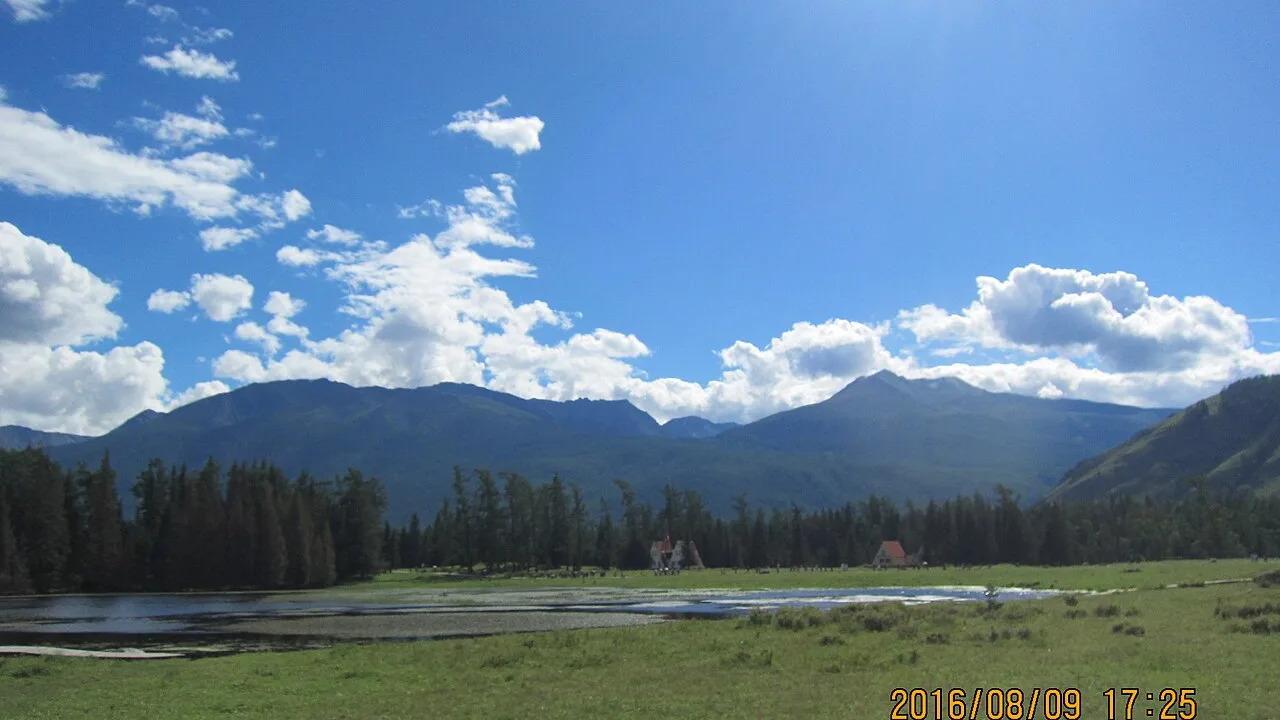
Altay (Aleitai) sits at the northern tip of Xinjiang, near the borders with Kazakhstan, Mongolia and Russia. It is the seat of Altay Prefecture and the gateway to the Kanas region, where the Irtysh River — the only Chinese river draining to the Arctic Ocean — cuts through forested mountains and steppe.
The area has long been a crossroads for Kazakh, Mongolian and Tuvan herders, and its towns and villages grew along trade and migration routes rather than as industrial centres. Altay retains a frontier, seasonal rhythm: winter is long and snowy, summer short and green, and much of daily life still follows pasture and river.
Most travellers come for the Kanas area: the lake bays of Shenxian Bay, Wolong Bay and Yueliang Bay, the Tuva village of Hemu and the border village of Baihaba, the colourful riverbank at Wucaitan, and the Irtysh Grand Canyon. The No. 3 Mine Pit near Koktokay adds a contrasting industrial-history stop.

The moments that shaped the city — and the stories its people still tell.
Petroglyphs in the Altay region record early human activity in the area.
The Altay region lay along steppe routes connecting China with Central Asia.
The area was part of the Tang dynasty's northern frontier zone.
The Qing dynasty exercised administration over the Altay region.
Altay became a prefecture in northern Xinjiang.
Kanas Lake and Hemu Village developed as major destinations in northern Xinjiang.
Local accounts describe a large creature in Kanas Lake; no scientific confirmation exists.
Hemu Village is known for the wooden houses of the Tuvan people.
Morning mist over Hemu Village is a noted local scene.
The No. 3 mine pit at Koktokay is a notable site in the Altay region.
Three paces, one city — every route built from places we actually operate.
Weather, crowds and the best months for what you want to see.
Spring brings milder weather to the Altay region.
Summer is a common season for visiting Kanas and Hemu.
Autumn colors are a noted feature of the Altay region.
Winter brings snow to the Altay region.
Autumn is often recommended for Kanas and Hemu; check official channels for current conditions.
What this city is known for — the things worth planning your day around.
The places worth building a day around.
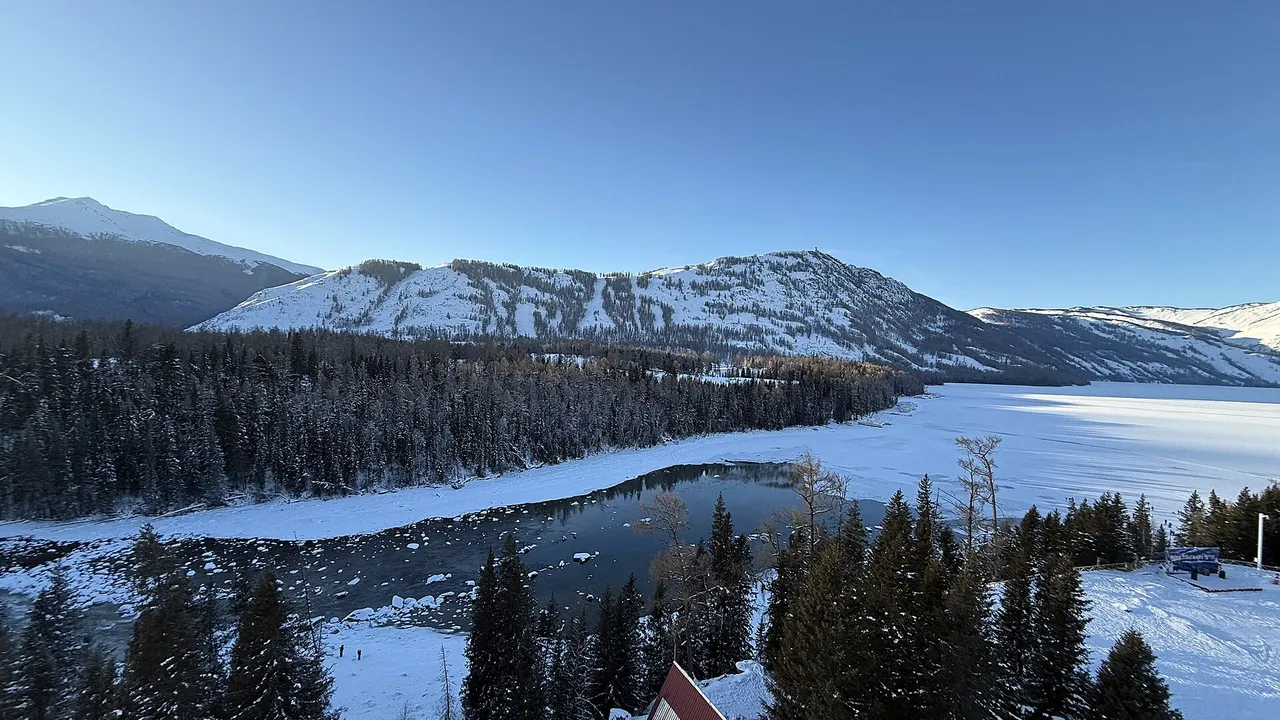
Kanas Lake, tucked into the far northern tip of Xinjiang where China borders Kazakhstan, Russia and Mongolia, is one of the country's most storied alp
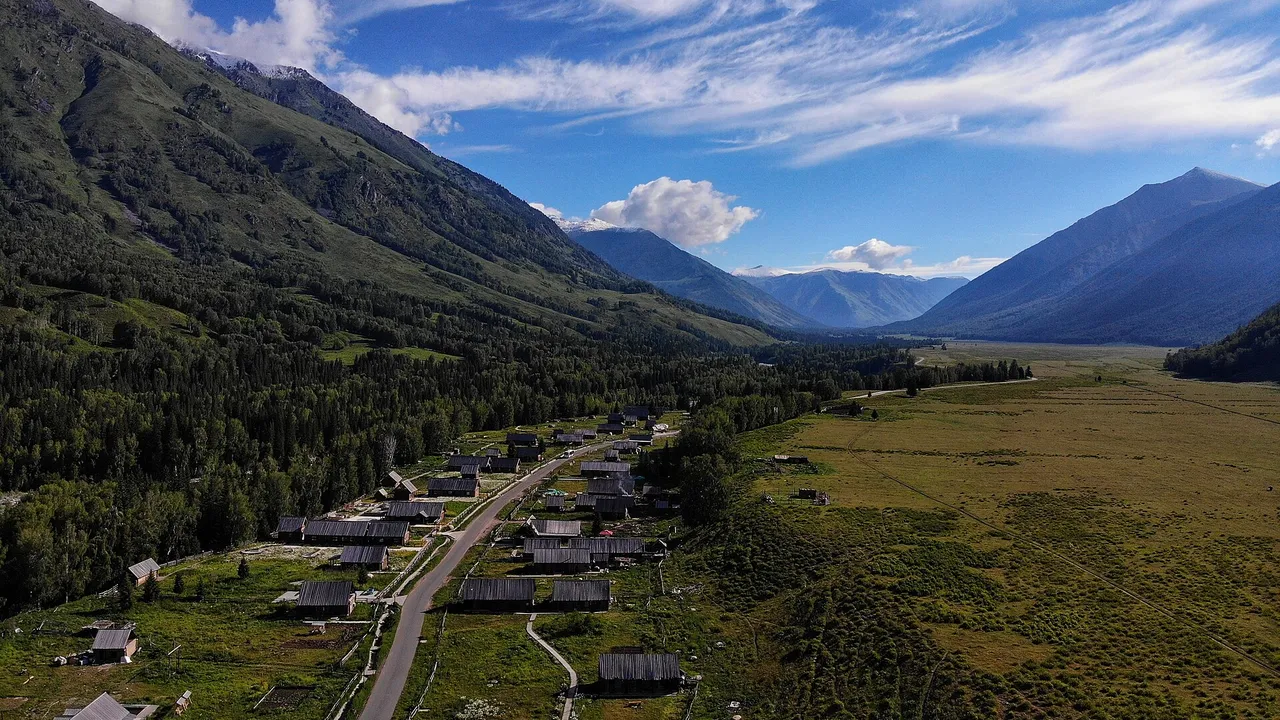
Hemu Village is a scattered settlement of wooden cabins and grazing pastures deep in the Altai Mountains of northern Xinjiang, home to one of China's
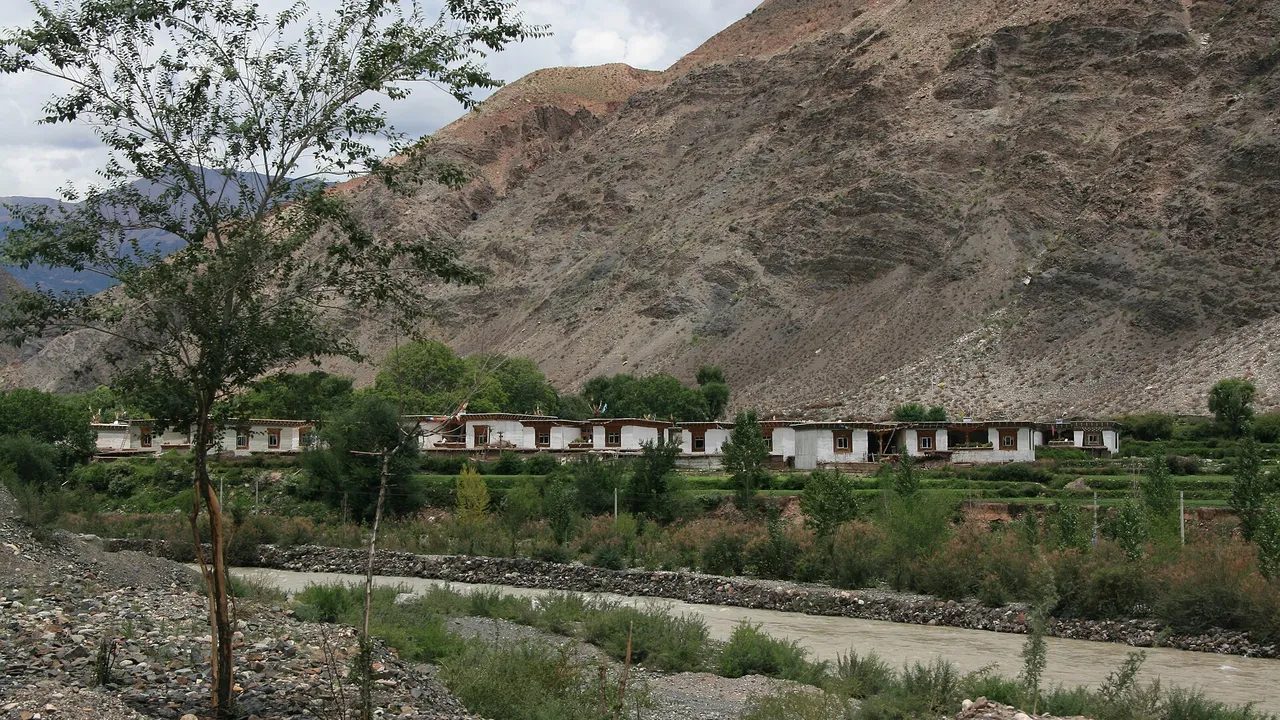
Wucai Beach, often called Rainbow Beach, is a stretch of aggressively colourful river bluffs on the Irtysh River near Burqin in Xinjiang's Altay Prefe
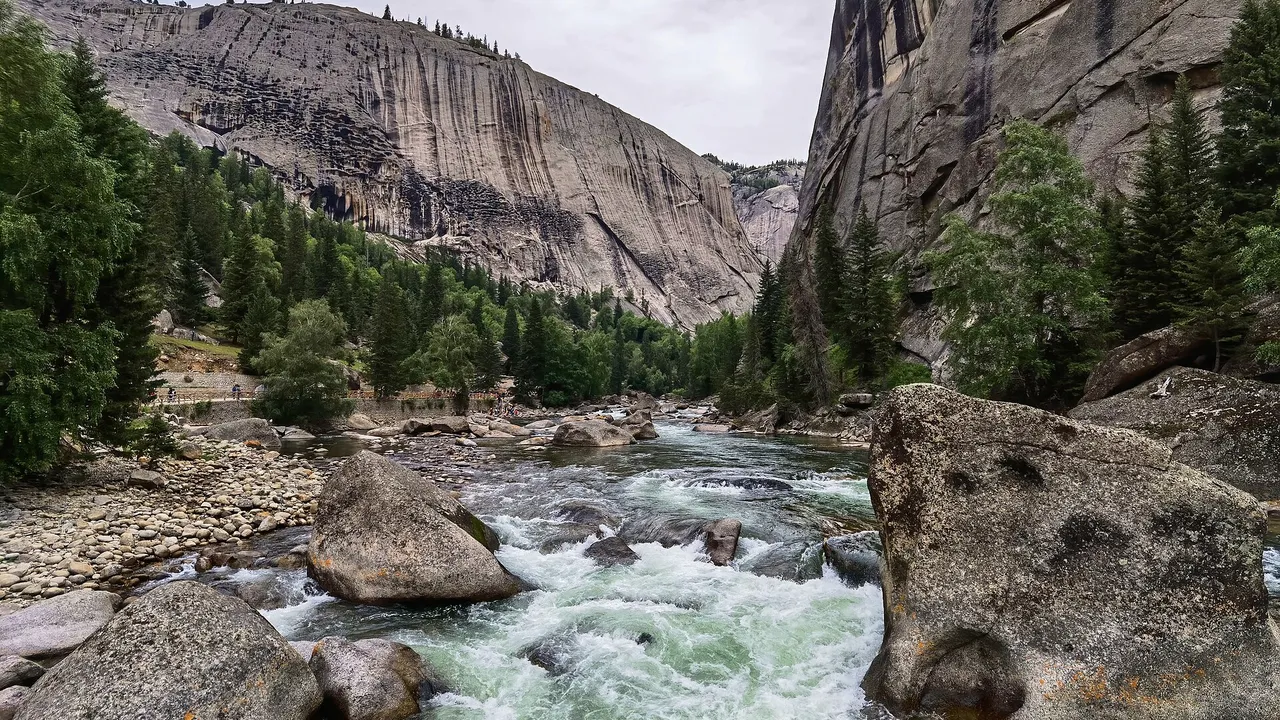
Koktokay, known in Mandarin as Keketuohai, is a national geopark in the far east of Xinjiang's Altay Prefecture, where the Irtysh River cuts a dramati
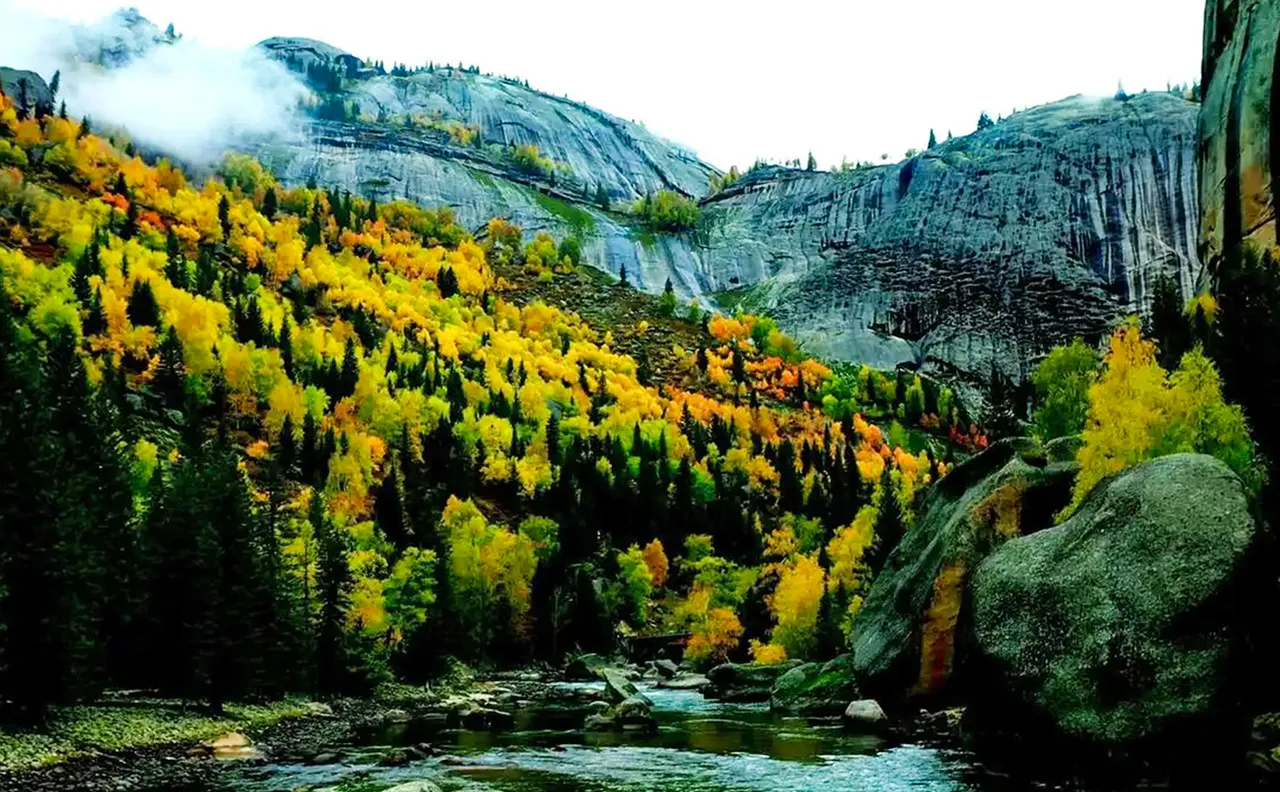
The Kelan River is the snow-fed stream that gives Altay City its shape, tumbling out of the Altai Mountains and winding straight through town before j
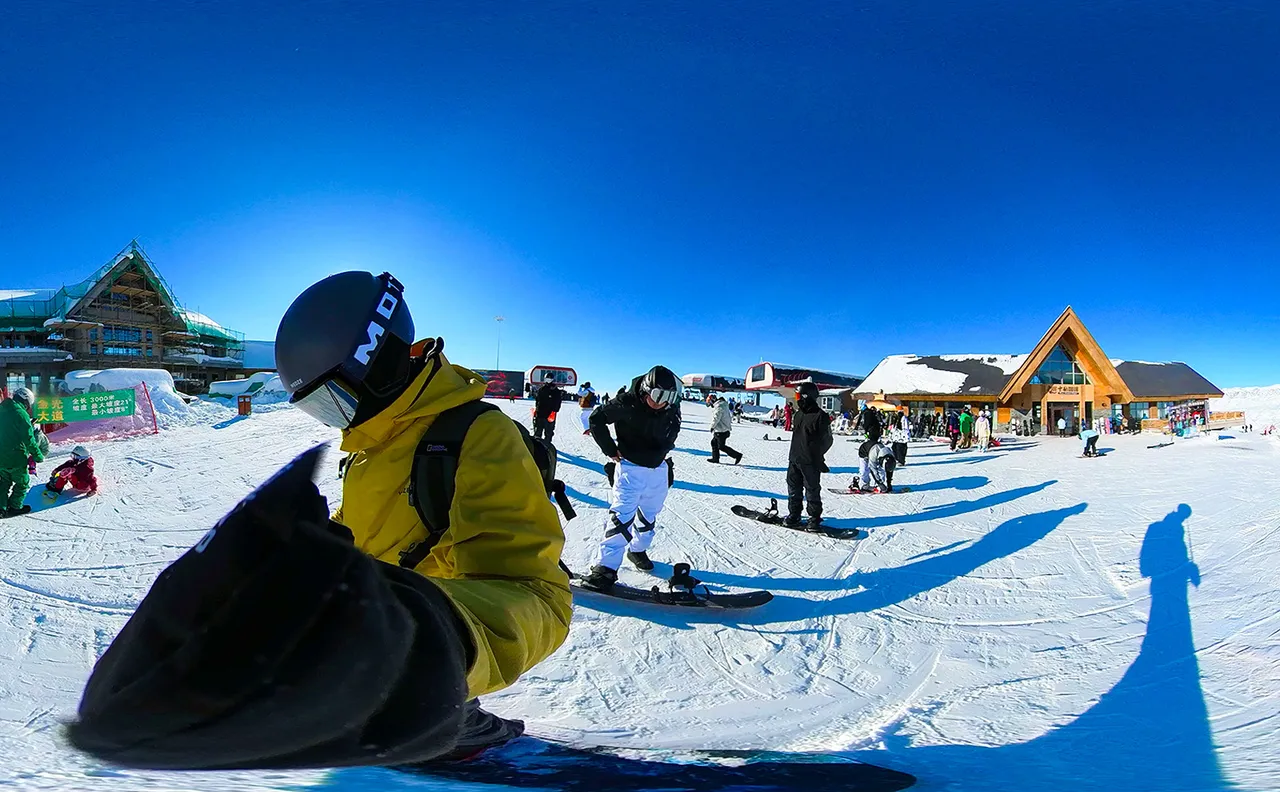
Jiangjunshan Ski Resort sits on the mountains immediately south of Altay City, close enough that locals joke about skiing after work. The Altai region
A little further out, for a spare half-day.

A deep-blue glacial lake ringed by birch forest and morning mist — the signature scenery of northern Xinjiang.
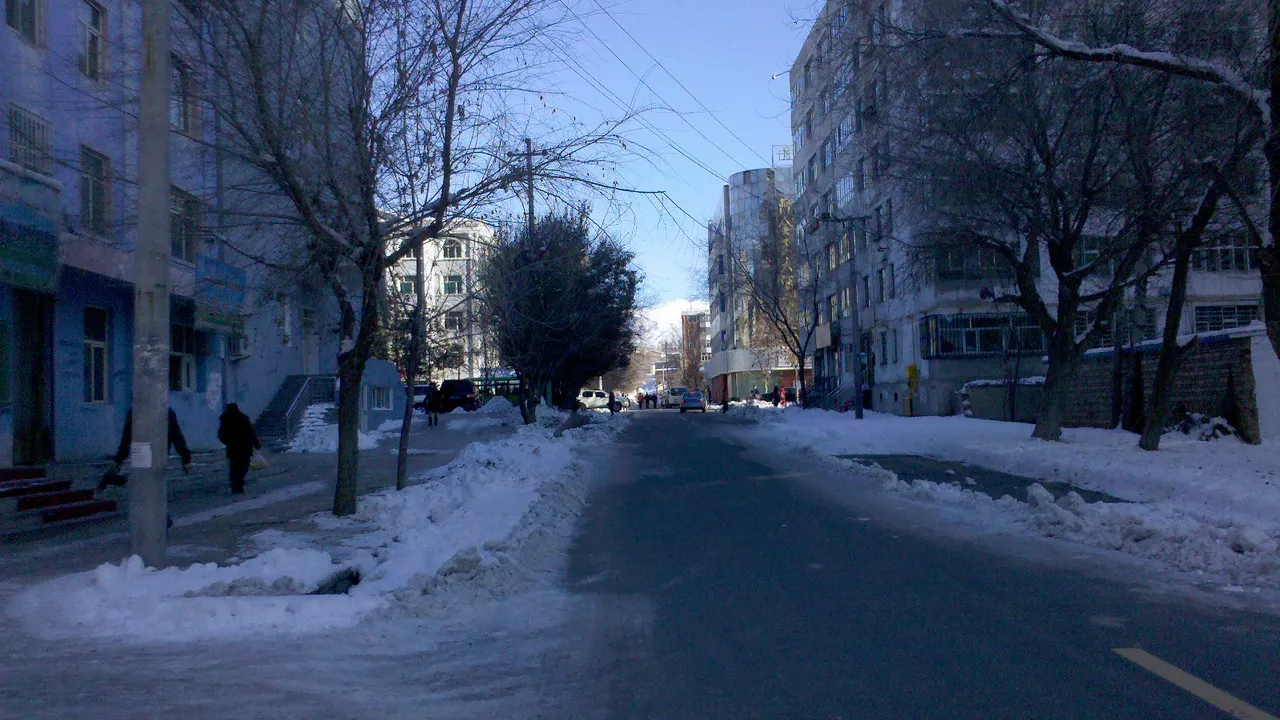
The Kran River threads through snowbound streets — a frontier town glowing softly with winter lights.
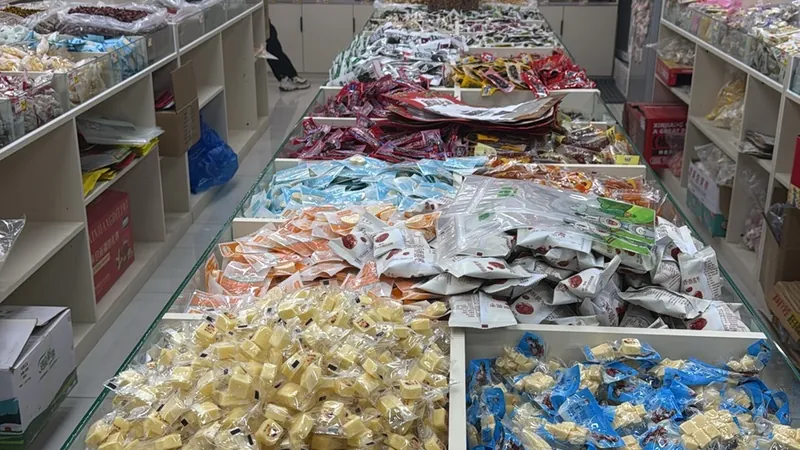
Cheese is one of the local specialties of Altay.
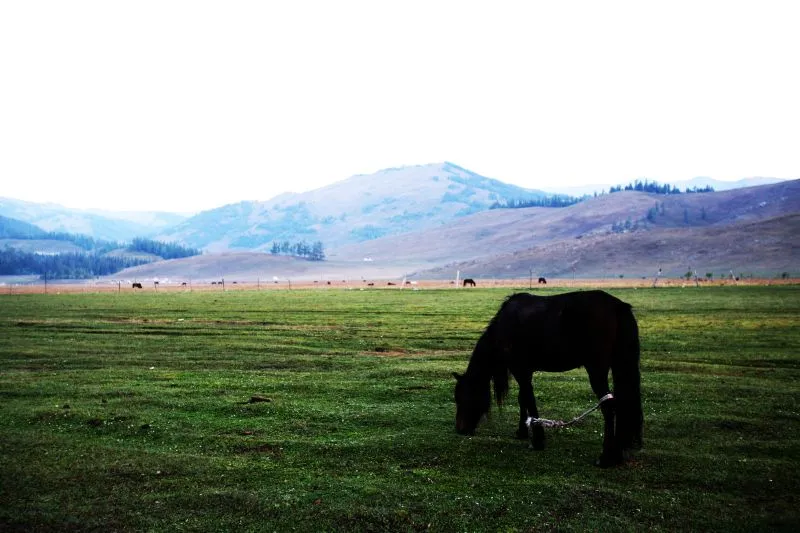
Cheese and kumis are common on local menus in Altay town.
The Tuvan wooden houses of Hemu are best seen in low evening light.
A short evening walk along the Kanas Lake boardwalks near Moon Bay.
Away from town lights, the night sky over the Altay mountains is clear on cloudless nights.
Nights are quiet. In Altay town, local restaurants serve cheese and kumis; in Hemu, evening light falls over the Tuvan wooden houses. Check official channels for seasonal opening hours.
Listed sites and the crafts that made this city famous.
A lake in the Altay mountains known for its three bays — Wolong Bay, Moon Bay and Shenxian Bay — and for the local lake-monster legend.
A village of Tuvan wooden houses, known for morning mist over the valley.
A border village in the Altay region, visited for its setting and wooden houses.
A historic mine pit in the Koktokay area, alongside the Irtysh Grand Canyon.
Dairy products such as cheese are part of the local food tradition in Altay.
Kumis, fermented mare's milk, is a traditional drink served in local homes and eateries.
The wooden houses of Hemu reflect Tuvan building traditions in the Altay mountains.
Horses remain central to daily life and travel in the Altay pastures.
Local guides and residents tell the legend of the Kanas Lake monster.
Pasture-based dairy and food customs shape meals across the region.
Senior licensed guides with 10+ years in the field and fluent English — deep on history, culture and local life.

Experienced licensed guides with clear English — solid on city highlights, food and day-to-day logistics.

Licensed guides with workable English — a good-value choice for city days, transfers and standard commentary.

Chauffeur-driven by the day, plus airport and intercity transfers.



Private chauffeur-driven vehicles, priced per vehicle not per person. Airport transfer from $45; intercity transfer from $180.
10 guides split by trip length: one-day city routes, three-day escapes and longer journeys, with stops, costs and transport in each.
Enter at Jiadengyu, ride the shuttle past Wolong, Moon and Shenxian bays in order, and s
Multi-DayThree Days at Kanas: Reading the Bays, the Lake and Baihaba Shoreline DeeplyDay one rides the bays in order into the lake country, day two climbs the pavilion, visi
Real routes, real travellers — a sense of what a trip looks like.
Three days in Altay: Kanas Lake, Hemu and Baihaba. She confirmed border rules for Baihaba before departure.
Five days covering Kanas, Hemu, Baihaba, Koktokay and Wucaitan. He checked shuttle times on official channels each morning.
One day at Kanas Lake with the three bays. She asked local guides about the lake-monster legend and tried cheese and kumis.
Most travellers spend 3 days here. Add a day for a side trip if you want a slower pace.
Spring and autumn are usually the most comfortable. Check the seasonal notes above before booking.
We arrange airport/rail transfers and private drivers. Tell us your arrival point and we plan the connection.
Send an enquiry and a human expert replies within 12 hours with a draft plan and real prices. Flexible rescheduling; clear cancellation terms in your quote.
2-day private itineraries in Altay start from $640 per person, two travelling together. Your proposal itemises hotels, tickets, guide and car — no hidden fees.
Wolong Bay, Moon Bay and Shenxian Bay. Boardwalks connect the viewpoints; check official channels for shuttle times.
The lake-monster legend is told by local guides and residents. It is a local story, not a confirmed animal.
Tuvan wooden houses and morning mist over the valley. Visit early for the mist; check official channels for entry rules.
Baihaba is a border village. Border-area rules apply; confirm documents and access in advance through official channels.
The Irtysh Grand Canyon and the No. 3 Mine Pit. Check official channels for opening hours and shuttle arrangements.
Wucaitan is known for banded colors best seen in low light; many visitors go at sunset. Check official channels for last entry.
Cheese and kumis (fermented mare's milk) are common local items. Menus vary by season and location.
Three days covers Kanas Lake, Hemu and Baihaba; five days adds Koktokay and Wucaitan. Distances are long, so plan transport in advance.
Recent listed prices: Kanas Lake 现场购票(以景区公示为准); Hemu Village 现场购票(以景区公示为准); Wucai Beach (Rainbow Beach) 现场购票(以景区公示为准); Koktokay 现场购票(以景区公示为准); Kelan River 免费. Ticket prices change seasonally — we confirm them in your quote.