
Chishui's table grows out of bamboo: shoots, bamboo fungus, bamboo pith and rice in bamboo tubes from the groves, joined by river fish from the Chishui, all backing the local Panda Feast, a full banquet of bamboo down to the fungus picked fresh on the mountain. To eat the town in layers within a day: douhua rice as breakfast base, the all-bamboo feast properly seated at noon, a slower table in the old town after, grilled fish to close the night.
The line runs between town and Bing'an, every leg under forty minutes. Portions are honest, so the right posture is half orders and shared plates; douhua rice from the old town's dawn kitchens, the feast from kitchens flying the bamboo-shoot sign, and grilled fish only from stalls that kill and grill to order.
Itinerary at a glance
| 08:00 | Old-Town Douhua Rice: The Town's First Bowl of the Day |
| 12:00 | The Panda Feast: A Noon Table Built of Bamboo |
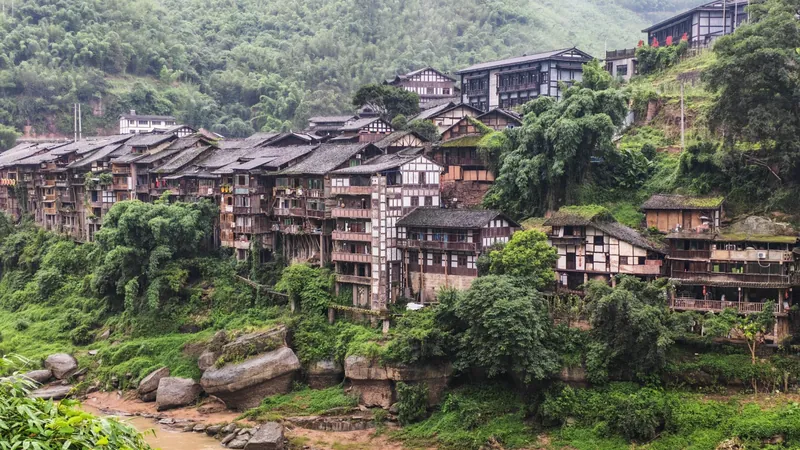
| 15:30 | Bing'an Ancient Town: Bamboo Shoots and Tea under the Stilt Houses |
| 19:30 | The Riverside Night Market: Grilled Fish, Cold Rice Cake and a Full Stop |
The route, stop by stop
Old-Town Douhua Rice: The Town's First Bowl of the Day
Douhua rice is the most honest breakfast on the Sichuan-Guizhou border: a basin of tofu pudding set with brine, a bowl of dipping sauce, a steamer of rice. The pudding must be soft enough to lift with chopsticks yet melt on the tongue, and the dip is the soul, chili oil, fish mint, litsea oil and garlic in family ratios, every kitchen tasting different. The old town's douhua kitchens open at six, full of locals by half past seven.
Order matters: one plain spoonful first, then dipped, then pressed into the rice and mixed, and having run the sequence you graduate from tourist to neighbor. About ten yuan a head, the day's best value.
The Panda Feast: A Noon Table Built of Bamboo
The Panda Feast is Chishui's formal answer: an all-bamboo banquet of shoots, bamboo fungus, bamboo pith, rice in the tube, bamboo marrow and bamboo mold, one dish per part of the plant, cooked cold-dressed, clear-stewed or braised, with cured pork and river fish woven through. The name is plain-spoken, everything the panda eats, people eat too, with better manners.
Ordering has its sense: two or three diners take the small set, eight to ten dishes already touring the main ingredients; among the heavy four, shoot stew with cured trotter and bamboo-fungus chicken are mandatory, soup first. Be seated before noon to dodge the meal-hour rush.
Bing'an Ancient Town: Bamboo Shoots and Tea under the Stilt Houses
Afternoon Bing'an belongs to snacks and tea. The bamboo-goods shops hang their own dried shoot tubes, the teahouses pour local sun-dried and bamboo-leaf teas, and from a stilt-house window the Chishui River slides beneath. Hunger finds fresh-fried bamboo-tube cakes or stir-fried fern cake with cured pork to hold the line.
The town's dried tofu and sweet-potato crisps travel home well, most workshops family-run, so taste before buying. This stop is not about fullness, it is about digesting lunch in the river wind.
The Riverside Night Market: Grilled Fish, Cold Rice Cake and a Full Stop
Back in town by night, the riverside market is Chishui's smokiest hour. The lead is grilled fish: live river fish killed to order over charcoal, brushed with chili oil, dipped in a sauce of fish mint and fermented beans; the supporting cast is cold rice cake and ice jelly, and the moment brown-sugar syrup hits the cake, the day's every chili is soothed.
The market rule is follow the crowd, the table with the most locals, and settle the fish by the jin before it hits the grill. Walk the riverside road home after, night boats and river wind the last course of the eating day.
| Getting around |
|
| Budget | Breakfast to nightcap runs about RMB 120-220 pp; the Panda Feast prices by set, and the small set split by two is thriftiest. |
| Best time | Any season; shoots run tenderest in summer and autumn, and the feast queues at meal hours, so eat against the clock. |
FAQs
How does the Panda Feast differ from an ordinary bamboo-shoot meal?
The difference is the word whole: ordinary kitchens cook shoots and a few fungi, while the feast builds the entire table on bamboo, from marrow and pith to tube rice, a dozen dishes barely leaving the character. Sets tier by headcount, larger tables adding river fish and cured meats. To compare, feast at noon and order one or two bamboo dishes at the night market, the gap shows itself.
Can non-spicy eaters eat well in Chishui?
Yes. Though the cuisine sits on the Sichuan-Guizhou border, the bamboo dishes have a mature natural-flavor line: bamboo-fungus chicken, plain stir-fried shoots and tube rice never lean on chili, and douhua rice serves a clear dip on request. Say the words for no chili or clear broth and kitchens comply; the night market's grilled fish also comes in salt-pepper and garlic styles.
Can dried bamboo fungus and shoots fly home to other provinces?
Yes, dried goods are Chishui's souvenir mainstay: fungus and shoots keep sealed for months at room temperature, cabin or hold, vacuum-packed against damp. Pick on three checks: intact natural-colored fungus caps, shoots without sour odor, and a dry non-sticky hand. Have the shop note item and weight, and re-weigh at home with confidence.
Will four sittings in a day overstuff me, how do I pace it?
It will, so cut actively each sitting: one bowl of douhua rice, one small feast set for two, snacks only at Bing'an, one fish and one rice cake split by two at night. Chishui food is oily rather than sweet-heavy, but dense in starch, so walk and tea between sittings. This line was never about clean plates, only about tasting everything once.