
Dalian's cultural story compresses into one line: a modern city born of its harbor. In place of ancient temples stand century-old banks, international-style buildings and the street life of migrants. This route orders the city's cultural carriers chronologically: the museum's modern-history galleries as the official record, the art museum's old mansion as artifact, the Nanshan quarter as living scenery, and the night stage as the part still breathing.
The anchors are two free museums, so carry ID for booking. The day runs loose; an hour and a half per museum suffices, the afternoon at Nanshan should slow down, and save legs for the evening show. If opera is not your language, swap Hongji Grand Stage for a performance at the Dalian Grand Theatre as the closer.
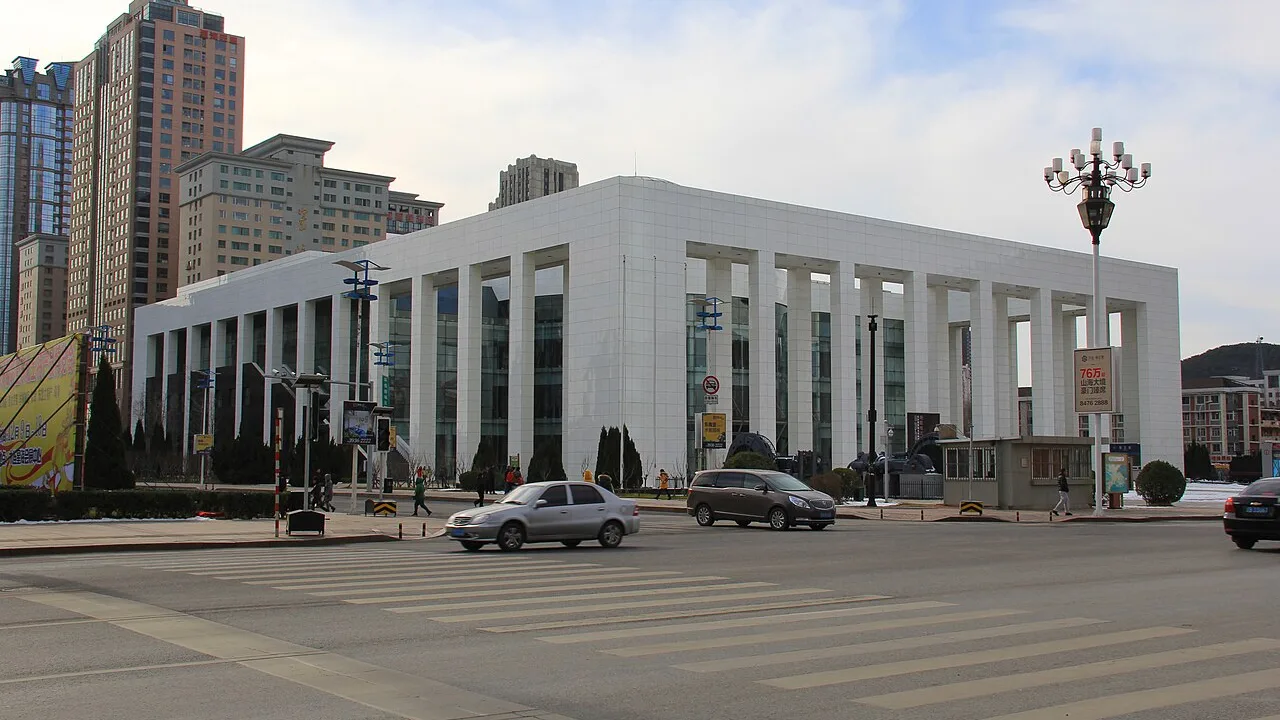
Itinerary at a glance
| 09:00 | Dalian Museum: The Modern Galleries First |
| 11:00 | Dalian Art Museum: The Building Is the Exhibit |
| 14:00 | Nanshan Tourist Style Street: The Living Backlot |
| 19:00 | Hongji Grand Stage: An Audible Ending for a Culture Day |
The route, stop by stop
Dalian Museum: The Modern Galleries First
The Dalian Museum stands west of Xinghai Square; head straight to the modern-Dalian galleries at opening. The exhibition tells the century from fishing village to port city with clean strokes, Russian planning, colonial occupation, harbor trade and street life, alternating objects, period photographs and reconstructed scenes; step outside afterward and the square reads differently.
The curatorial language is visitor-friendly with a clear timeline, intelligible without a guide. Temporary shows occupy the first floor when time allows, and even for the history-averse, the old city photographs alone repay two hours.
Dalian Art Museum: The Building Is the Exhibit
Twenty minutes by taxi from Xinghai Bay to the north of Shengli Bridge. The museum lives in a European-style mansion over a century old, its green dome and red brick standing out sharply among the towers. Galleries are modest, local painting and photography across a couple of halls; an hour is plenty.
The real exhibit is the building itself: wooden stairs, stained glass and a tall entrance hall kept in fine order, and at the corners photographers outnumber viewers. Afterward walk over to the adjacent Russian Style Street and fix lunch in that block.
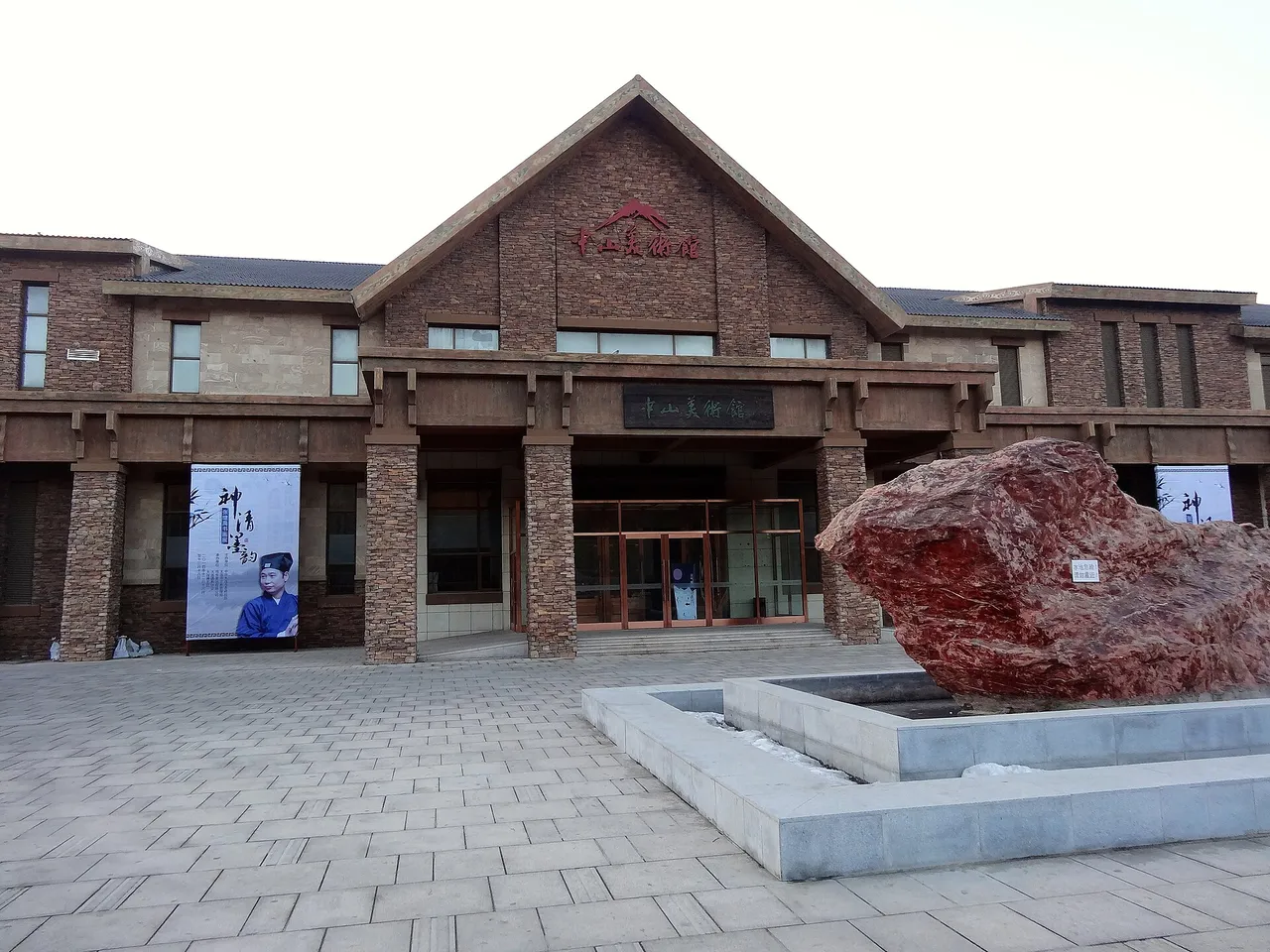
Nanshan Tourist Style Street: The Living Backlot
Give the afternoon to Nanshan. This sloping villa quarter keeps a broad run of modern-era houses, Japanese and European styles mixed along one street, some now teahouses, cafes and guesthouses. Walk it differently from a stroll: read the year plaques over the gates and cross-reference the morning's galleries, and the district starts talking.
Extend into the side lanes, where old trees and stone walls frame easy shots. Ginkgo season is Nanshan's visual peak; if you hit it, doubling your time here pays for itself.
Hongji Grand Stage: An Audible Ending for a Culture Day
Hongji Grand Stage is Dalian's preserved century-old theatre, its stage frame and old balcony rings intact, with Peking opera and regional shows on evening programs. Ending the culture day here completes the logic: by day you saw the city as preserved, by night the city as ongoing.
A mid-price ticket suffices, since the old hall's acoustics forgive any seat. Read a plot synopsis beforehand if the lyrics are opaque; the percussion and movement speak their own language. After curtain, taxis along the Renmin Road area are easy and the ride home direct.
| Getting around |
|
| Budget | Nearly ticket-free: both museums free and streets open; costs land on meals and the evening show, about RMB 150-300 pp. |
| Best time | Year-round in climate-controlled halls; both museums close Mondays, so dodge or reorder the day. |
FAQs
Is taxiing the whole culture day worthwhile?
Yes and recommended. The four stops scatter across Xinghai Bay, Shengli Bridge and Nanshan, each hop under twenty minutes and around RMB 10; for groups under four, taxis beat repeated bus transfers, with the metro only winning the Xinghai Bay leg.
Do the museums need reservations?
The Dalian Museum is free but requires real-name booking, tight on holidays, so reserve a day or two ahead on official channels; the Dalian Art Museum admits walk-ups. Both close Mondays, keep the day off Monday.
With only half a day, which two stops survive?
Keep the Dalian Museum and Nanshan: the museum is the key to the city, Nanshan turns that key into the scene before you. The art museum and the show suit a full day; in ginkgo season, trading the museum for Nanshan is no mistake either.
Is the evening show worth it if I cannot follow the opera?
Yes. Half of Hongji's value is the old playhouse itself, redeemed the moment you step under the wooden structure and balconies. Pick a program heavy on combat scenes, where percussion and movement carry without lyrics, and focus on the live orchestra. If truly unmoved, the Dalian Grand Theatre works the same way.