
This route splits Dalian's natural side three ways: forest in the city (the zoo built into a wooded ravine, animal viewing doubling as hill climbing), geology on the coast (Jinshitan's sedimentary strata and sea-etched landforms as a field lesson in deep time), and wind at the peninsula's southern tip (below Laotieshan, where Yellow Sea and Bohai draw a visible line across one sea). Intensity tapers daily, from hard walking to hot water.
Days one and two work on public transit; the Lushun direction on day three tangles buses, so a half-day taxi or charter is the common fix. Dalian's hills are modest, but coastal gradients plus sea wind burn more than flat cities, so carry water and sun protection daily.
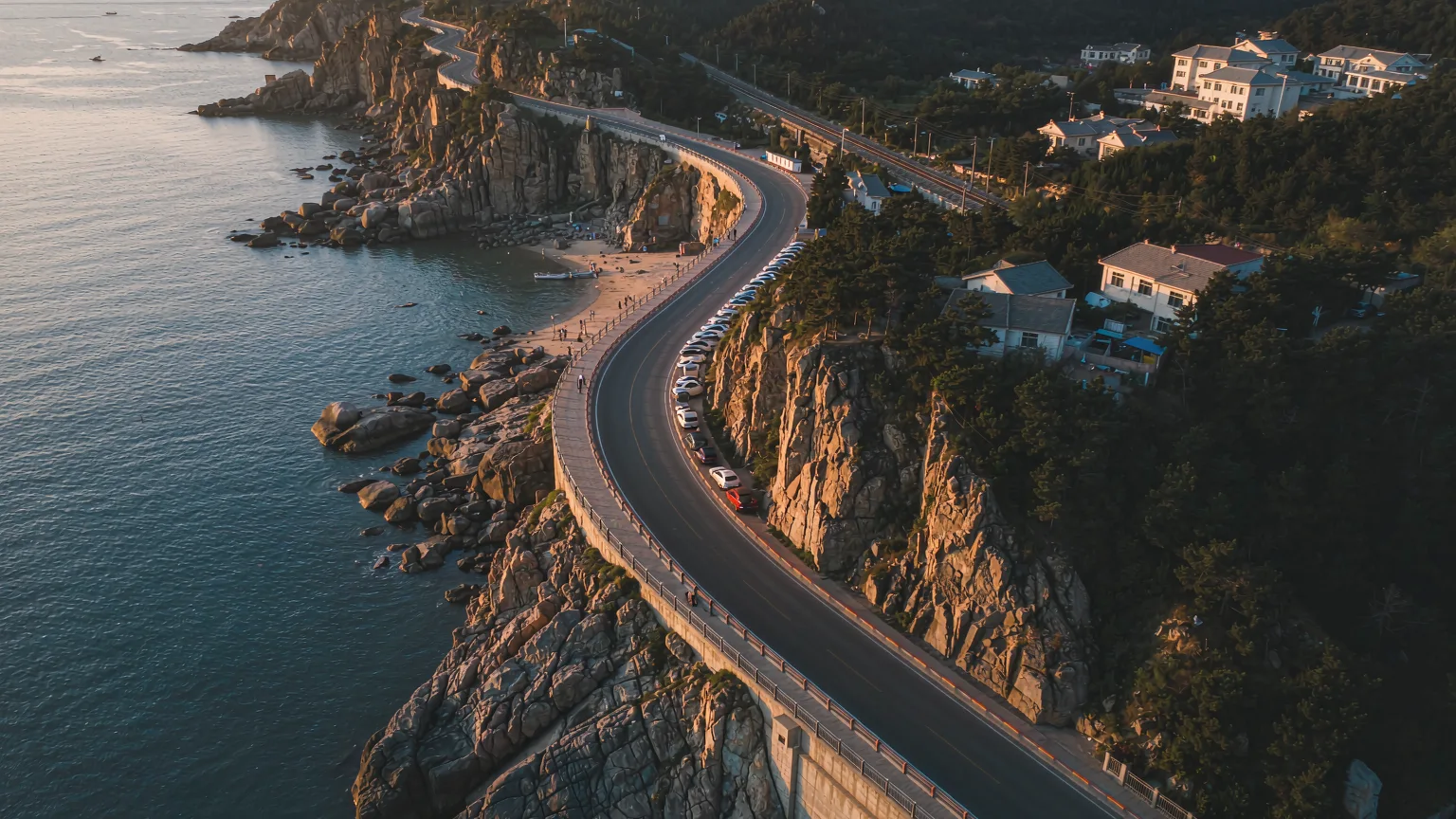
Itinerary at a glance
| 09:00 | Dalian Forest Zoo: A Zoo Built into a Ravine |
| 14:00 | Binhai Road (West Section): The Seam of Hill and Sea |
| 16:00 | Dalian Natural History Museum: Specimens and Tide Flats at Heishijiao |
| 09:00 | Jinshitan: A Field Lesson in Deep Time |
| 19:00 | Dalian Chengyuan Hot Spring Resort: Hot Water after a Geology Day |
| 08:30 | Yellow Sea & Bohai Sea Boundary Scenic Area: One Sea, Two Colors |
| 14:00 | Minghu International Hot Spring & Ski Resort: Pick Your Season |
| 18:00 | Xinghai Square: The Urban Full Stop of a Nature Trip |
| 17:30 | Gangdong Fifth Street Photo Spot: The Urban Coast Coda of a Nature Trip |
The route, stop by stop
Dalian Forest Zoo: A Zoo Built into a Ravine
The forest zoo claims a whole wooded valley, exhibits strung along the slopes so that watching animals doubles as light hiking. Giraffes and zebras graze the gentle paddocks of the free-range zone, the panda house reigns as crowd favorite, and the raptor and primate ravines demand a stair climb.
The park spans two sections linked by shuttle and trail; seeing everything takes the better part of a day. Do not rush a nature-themed day one, drifting between animals and forest, where afternoon shade beats the seaside for coolth.
Binhai Road (West Section): The Seam of Hill and Sea
Exit the zoo's main gate straight into Binhai Road's west section. This stretch runs quieter than the east, with the hill wall closer and the coves more broken; around Fujiazhuang, low tide exposes full intertidal flats, the easiest place to read Dalian's coastal ecology.
Walk about an hour and finish at a viewing deck, taxiing onward to your base. Bank the legs for the next two days and leave the full boardwalk to dedicated hikers.
Dalian Natural History Museum: Specimens and Tide Flats at Heishijiao
From the west Binhai section, taxi to Heishijiao. The natural history museum faces the sea, its marine mammal specimens the house treasures, enormous whales suspended in halls that look straight onto real reef coast.
Two hours cover the core displays; if low tide meets your exit, the intertidal creatures on the reef flats are the best living appendix to the specimens.
Jinshitan: A Field Lesson in Deep Time
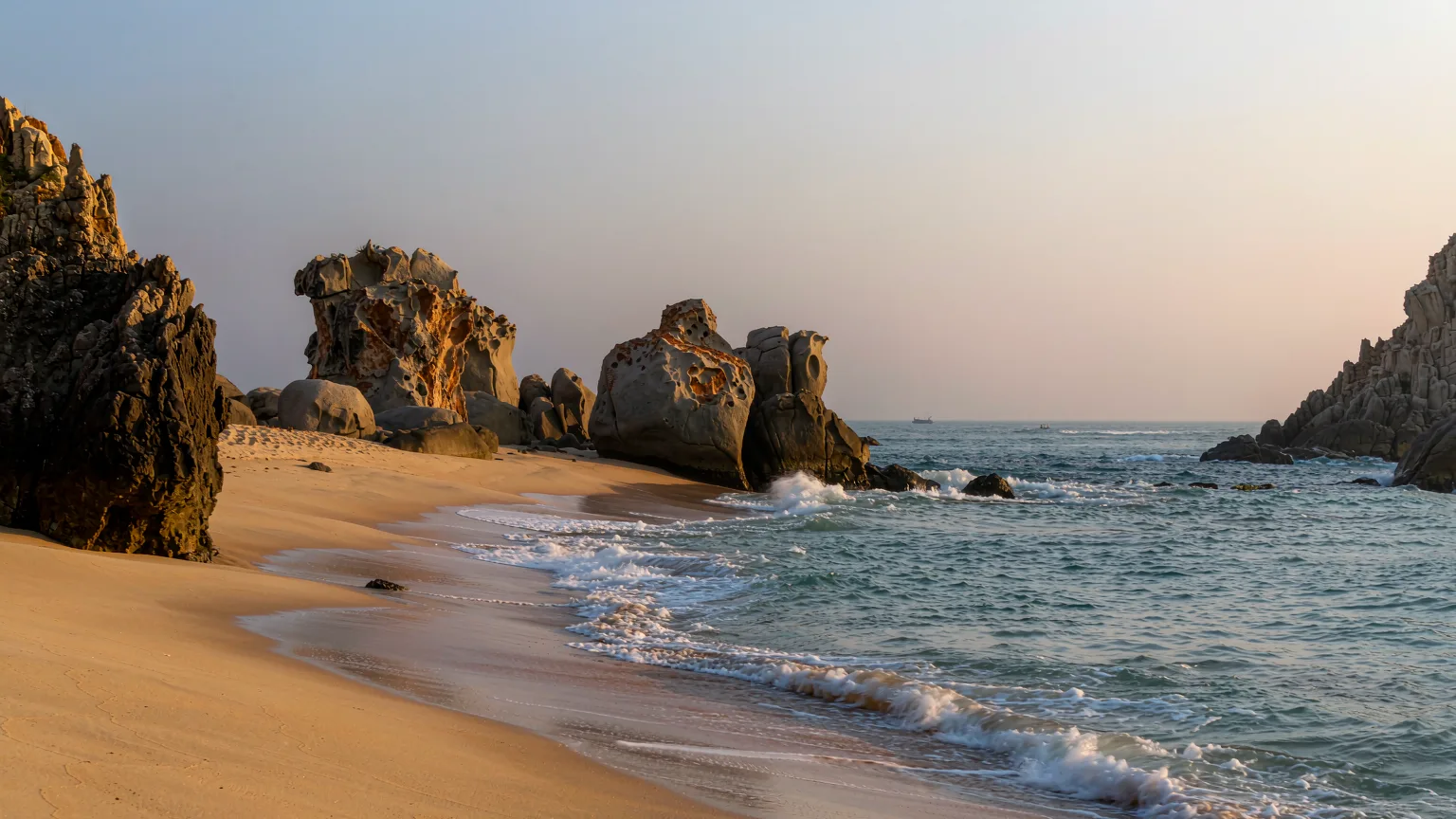
Day two's theme is geology. The coastal geopark strings Sinian and Cambrian strata along the shore, cracked-stone formations, sea cliffs and folded rock layers taking turns beside the trail, with interpretive signs more earnest than most museums'.
The main trail takes two to three hours, skipping none of the mid-route viewpoints. Shift to the Golden Coast in the afternoon, handing geology's coda to sand and surf, swimmable in summer, built for long walks in spring and autumn.
Dalian Chengyuan Hot Spring Resort: Hot Water after a Geology Day
Returning from Jinshitan, swing west into the hills to Chengyuan Hot Spring Resort, half an hour or so by car. Built against the hillside with a dozen-plus indoor and outdoor pools, the open-air baths at night carry the sound of wind through the trees, the correct reward for a day of geology walking.
Spa etiquette is simple: shower first, tie up long hair, keep towels out of the water. Lodging clusters around the resort, so stay in the area and skip the night drive.
Yellow Sea & Bohai Sea Boundary Scenic Area: One Sea, Two Colors
Start day three early, south to Lushun. The boundary scenic area below Laotieshan stands at the Liaodong Peninsula's southernmost tip; on clear days the Yellow Sea and the Bohai differ in salinity and color, drawing a visible line across the surface that drifts slowly with the tide.
The century-old lighthouse inside the area is the second authentic sight, and photo positions cluster along tower and trail. Viewing itself takes about an hour; the road is what eats time, so leave early without fail.
Minghu International Hot Spring & Ski Resort: Pick Your Season
From Lushun back through town, head north toward Minghu in Jinzhou. The resort plays both seasons: a ski field in winter with runs from beginner up, and for the rest of the year hot springs and grounds, with lakeside meadows at their most open in autumn.
If you already soaked at Chengyuan, treat Minghu's springs as a supplement rather than the theme and spend the visit on the slopes or lake views. Return to the city at night, choosing late supper or early rest by tomorrow's flight.
Xinghai Square: The Urban Full Stop of a Nature Trip
Give the final urban stop back to Xinghai Square. After hills, stones and the sea's dividing line, the embankment reads newly: the square itself is a reclaimed-land site of engineered nature.
Dinner rings the square, seafood and home cooking alike. Three days of walking add up; rest early tonight and return your legs to yourself.
Gangdong Fifth Street Photo Spot: The Urban Coast Coda of a Nature Trip
Returning from the Lushun direction on day three, reach Donggang by dusk. The downhill of Gangdong Fifth Street aims at the sea, light after 4 pm fitting lanes and water into one frame, the city-meets-sea scene completing hills, rocks and the divide.
After photos, stroll the embankment as the marina shifts color in the sunset; close the nature-themed days here with dinner in Donggang or around Xinghai Bay.
| Getting around |
|
| Budget | Tickets (zoo, geopark, boundary area) plus hot springs run about RMB 400-700 pp, before hotels and charters. |
| Best time | April-May blossoms and migrating birds, September-October clear skies and clean surf; in winter, swap hiking for hot springs and skiing. |
FAQs
Does the nature itinerary need a chartered car?
Only day three strongly: the Lushun boundary area and Minghu both sit in public-transit weak zones, and a half-day charter at a few hundred yuan multiplies efficiency. Days one and two are fine on buses plus fast rail, with direct options to zoo and Jinshitan.
What weather shows the boundary line best?
Clear, high-visibility, calm days work best; the salinity-driven color line reads better in raking light than under midday glare. Fog renders it invisible, so check weather and sea conditions the night before and swap with the Minghu day if needed.
Can hot springs and skiing share a day?
Yes, Minghu itself is the spring-plus-ski combo, and a soak after skiing is the standard sequence. Mind the order, ski first then soak, and never drive straight after; rest half an hour for blood pressure to settle.
What gear matters most across the three days?
A pair of grippy hiking shoes and an insulated bottle. Boardwalks, hill paths and reef flats dominate the route, so shoes outrank cameras; with constant sea wind, a windbreaker and hat beat heavy layers.