
Dalian's modern history is written into its urban fabric: the bank ring around a circular square, the Russian quarter north of Shengli Bridge, migrant villas on the Nanshan slopes, and the wind at Lushun that turned the peninsula's fate. These three days do not sprint through museums; they advance in the order of record, artifact, streetscape and landscape, reading material by day and living heritage by night.
Days one and two stay central, walking-led with taxi support; day three's Lushun run is long, so a half-day charter saves the most worry. Two free museums need booking and close Mondays, so dodge that day. Some modern-history exhibits run heavy; with children, curate the halls you explain.
Itinerary at a glance
| 09:00 | Zhongshan Square: The Historic Roundabout of Banks |
| 11:00 | Dalian Museum: Equipping Three Days with the Official Record |
| 14:00 | Russian Style Street: The City's Oldest Quarter |
| 16:00 | Dalian Art Museum: The Old House by the Bridge |
| 09:00 | Nanshan Tourist Style Street: A Migrant City's Villa Rows |
| 14:00 | Dalian Jinjia Street ICH Experience Hall: Crafts in Person |
| 19:00 | Hongji Grand Stage: The Century Playhouse Still Playing |
| 08:30 | Yellow Sea & Bohai Sea Boundary Scenic Area: Nature and Memory at Lushun |
| 18:30 | Dalian Grand Theatre: The Modern Echo of a Modern Story |
The route, stop by stop
Zhongshan Square: The Historic Roundabout of Banks
Open the history days at the square. Over a dozen century-old financial buildings survive around the roundabout, facades from Gothic to Renaissance framing an open-air textbook of the modern era; on weekday mornings some lobbies open, revealing old chandeliers and marble counters.
Circle once, reading every lintel plaque, and line up the buildings' years and architects into a mental timeline. This stop is the reference frame for everything that follows.
Dalian Museum: Equipping Three Days with the Official Record
Taxi to the Dalian Museum west of Xinghai Square and prioritize the modern-Dalian galleries. A century from harbor founding to treaty trade, colonial planning to street-level growth, told clearly in objects and period photographs; see this first and the coming days' streets gain their decoding keys.
Skim the ground-floor temporary shows and weight the modern galleries; take the exhibition brochure out the door to cross-check years at later stops.
Russian Style Street: The City's Oldest Quarter
Afternoon returns north of Shengli Bridge. Under the tourist veneer, the street keeps the skeleton of the city's earliest blocks, its head buildings and the nearby old station contemporaries; walk toward the bridge to read the layering of old town and new towers.
Treat this as a quarter's entrance, not a destination: pass briskly through the commercial stretch and spend time on the old buildings toward the art museum.
Dalian Art Museum: The Old House by the Bridge
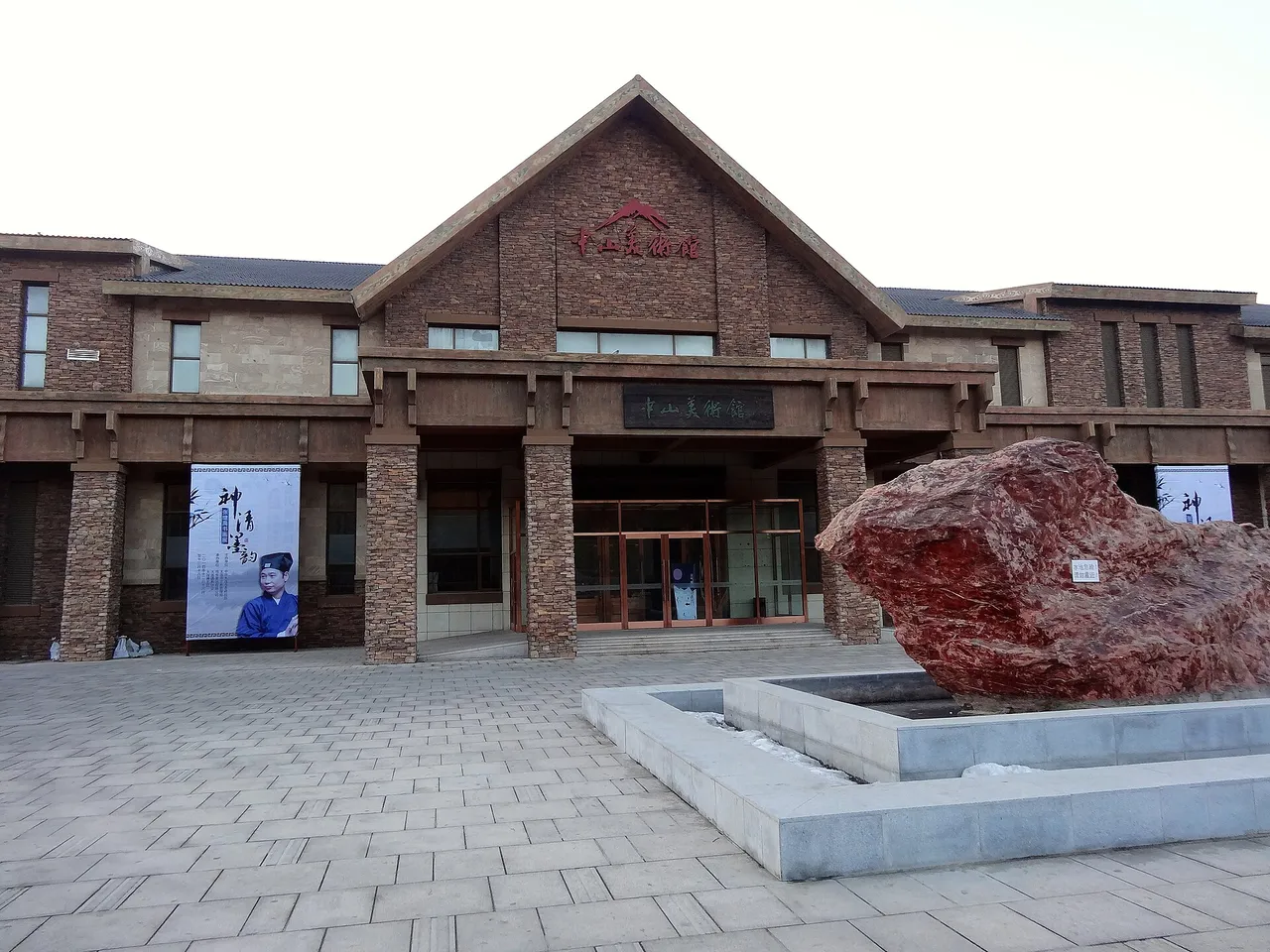
The museum's own house is modern-era heritage, a European-style building of a century-plus with its green dome as the quarter's landmark. Inside, local painting and photography fill an hour at most; give leftover time to architectural detail.
Exiting toward the old station, the bridge area rewards photographers, and before dusk the raking light warms the brick and stone.
Nanshan Tourist Style Street: A Migrant City's Villa Rows
Day two's morning belongs to Nanshan. The slope holds broad rows of modern-era villas, Japanese and European styles side by side, a living sample of colonial and migrant-era housing; gate plaques cross-check the museum timeline from yesterday.
The quarter is compact, two slow hours sufficing; focus on the pairing of gates, stone walls and old trees. Some houses operate as teahouses and guesthouses, letting you step inside for interior views.
Dalian Jinjia Street ICH Experience Hall: Crafts in Person
After lunch, the ICH experience hall at Jinjia Street turns the lens from buildings back to people. Local intangible-heritage crafts take the floor, paper-cutting and shell carving among displayed works, with hands-on sessions often running, adding a street-craft chapter beyond the history narrative.
Session times and crafts follow the day's program; families with children should widen this stop's budget.
Hongji Grand Stage: The Century Playhouse Still Playing
End day two at Hongji Grand Stage. The century-old theatre keeps its old stage frame and balcony rings, evenings given mostly to Peking opera and regional shows; the correct ending for a history day is not a closing museum but a performance still in motion.
A mid-price ticket suffices given the old hall's acoustics; if lyrics escape you, read a synopsis first and hand attention to percussion and movement.
Yellow Sea & Bohai Sea Boundary Scenic Area: Nature and Memory at Lushun
Charter south to Lushun on day three. The boundary area below Laotieshan carries double meaning: geographically the color divide of two seas, historically a keystone of modern coastal defense, with the century-old lighthouse above still working.
Walk the hill path to the viewpoint, where clear days show two tones drifting with the tide. Linger here; the history narrative deserves a pass in the sea wind.
Dalian Grand Theatre: The Modern Echo of a Modern Story
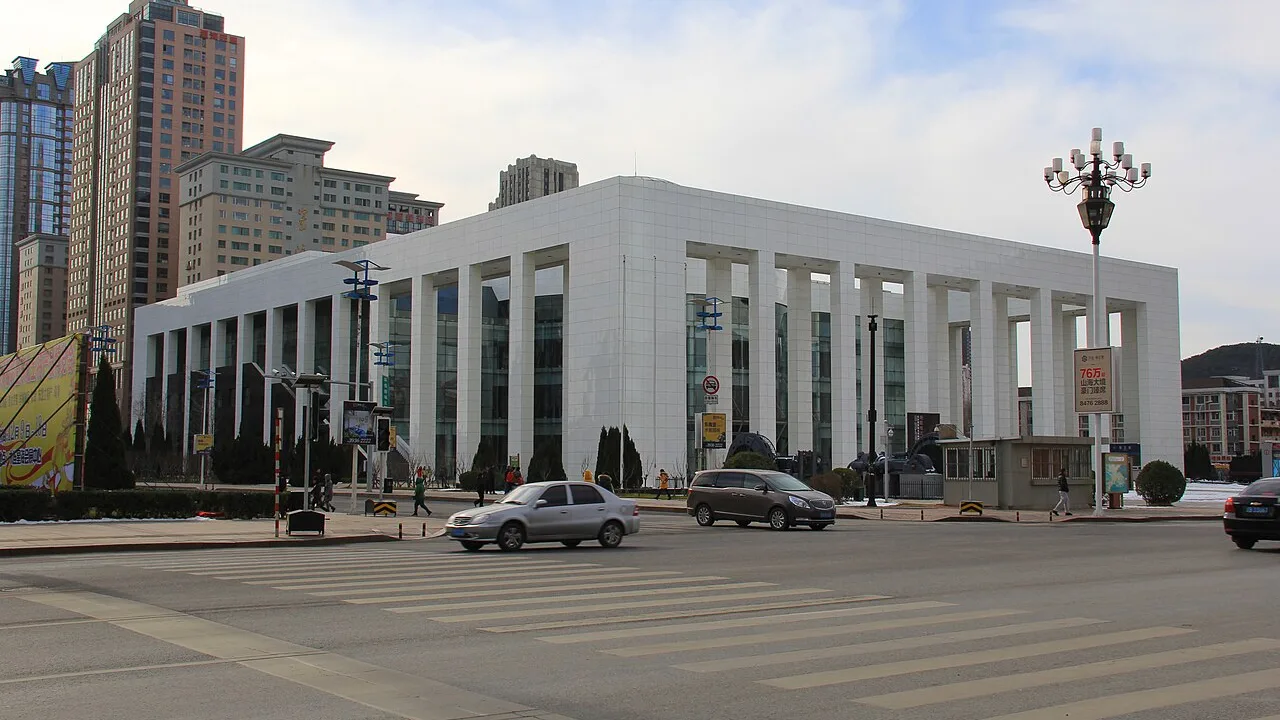
Return from Lushun and close the three days with a modern performance. The Grand Theatre sits on the Donggang waterfront, its building a manifesto of new Dalian closing the loop with the old houses you have been reading.
Programs rotate symphony, drama and dance per the monthly notice. After curtain, the embankment path glows; ten minutes on foot returns you to the main road for a taxi.
| Getting around |
|
| Budget | Nearly all free: museums free, streets open; main costs are the Lushun charter and an evening show, about RMB 300-500 pp. |
| Best time | Works in any season, with autumn's clear skies kindest to old facades; some venues close Mondays, plan around it. |
FAQs
Is a modern-history trip suitable for children?
Yes, with pruning. Museums and some exhibits run heavy, so curate which halls you explain; Nanshan and the ICH hall are interactive and child-friendly, and for shows pick combat opera or dance for an easier entry.
Can Lushun fit in half a day?
The boundary area easily fits, but Lushun's modern-history sites far exceed one stop. On half a day, charter with the boundary as anchor and scenic detours; to see the whole of Lushun properly, give it its own day.
Which buildings open their interiors?
Bank lobbies mostly open during weekday business hours, the art museum admits free, and some Nanshan villas run as teahouses and guesthouses with courtyards open. The rest serve as offices or homes; view facades and follow door signage.
Do I need a transit card for three urban days?
No. QR codes cover metro and buses, and taxi frequency and cost stay low. Only the Lushun day involves a charter; confirm meeting time and route with the driver a day ahead.