 TripMyChinaJOURNEYS THROUGH REAL CHINA✦ AI Trip✦ Plan My Trip
English
简体中文
繁體中文
日本語
한국어
ไทย
Tiếng Việt
Bahasa Indonesia
Italiano
Español
العربية
Русский
Deutsch
Français
Bahasa Malaysia
TripMyChinaJOURNEYS THROUGH REAL CHINA✦ AI Trip✦ Plan My TripDaoist temples and cliffside trails — a mountain complex where palaces, paths and incense burners sit among forested slopes.
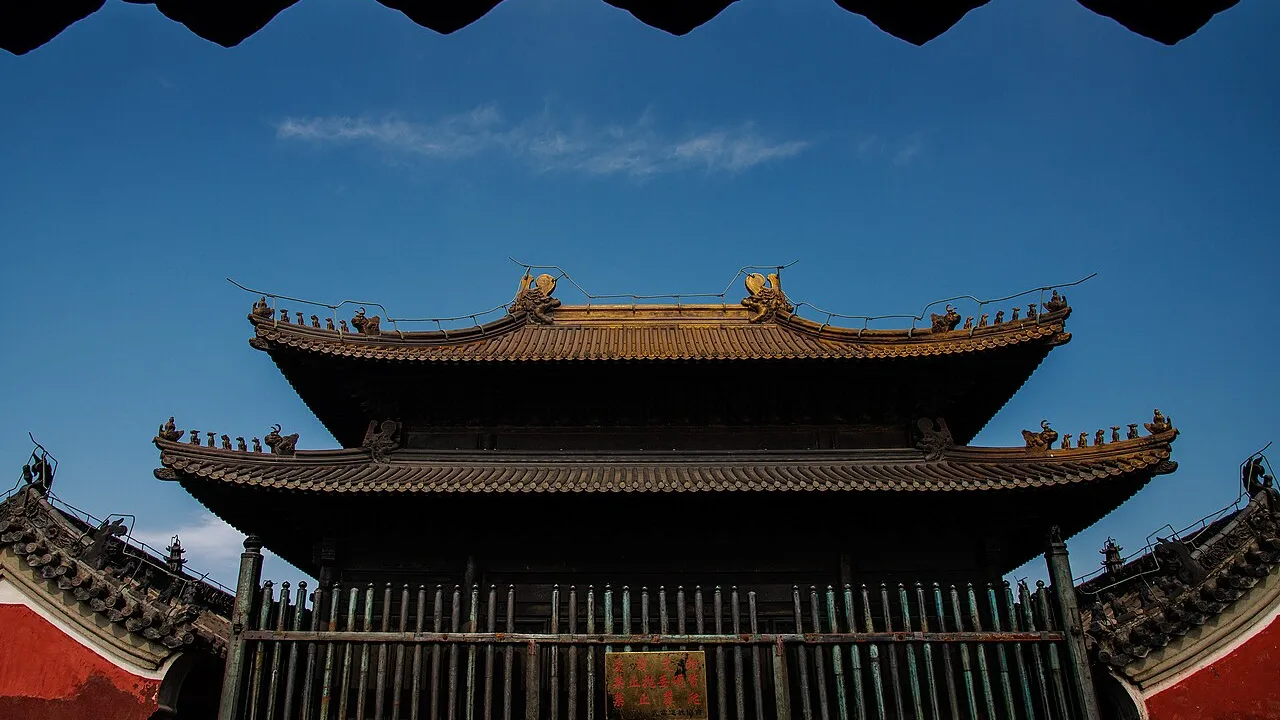
Wudangshan is a mountain complex in Hubei's Danjiangkou, at the northern edge of the Daba range where the Han River runs nearby. The scenic area sits south of Danjiangkou's urban center and is reached by road from Shiyan and by rail to Wudangshan station.
The mountain has been a center of Daoist practice for centuries, and its temple compounds were largely built and expanded under imperial patronage in the Ming dynasty. The architecture climbs the slopes rather than sitting on flat ground, with halls, gates and walls arranged along the ridges.
Visitors come to walk the stone stairways between temple groups, from the太子坡 area up through紫霄宫 and南岩宫 toward the金顶 summit, passing the curved九曲黄河墙 and the wooded逍遥谷. Allow time for the climb and for the shuttle routes that link the main sites.
World-class, national and global recognition earned over the decades.
Wudangshan was inscribed on the UNESCO World Heritage List for its ancient building complex.
Wudangshan is a renowned mountain in Daoist tradition, associated with Zhenwu the Great.
Wudangshan is known as the origin of Wudang martial arts and Tai Chi.
The Wudang mountain complex is a protected scenic and historic area.

The moments that shaped the city — and the stories its people still tell.
Wudangshan is regarded as the Daoist domain of Zhenwu the Great.
The mountain has long been a center of Daoist practice and pilgrimage.
The Golden Summit with the gilded bronze hall of Taihe Palace was built.
Zixiao Palace was established as a major Daoist temple complex.
Nanyan Palace was built, including the famous Dragon Head Incense burner.
Taizipo was constructed with its Nine-Bend Yellow River Wall.
At Nanyan Palace, a stone dragon head extends over the cliff, where pilgrims once placed incense.
Wudangshan is traditionally linked to the creation of Tai Chi and Wudang martial arts.
Xiaoyao Valley is known for its wild macaques living among the Daoist landscape.
Three paces, one city — every route built from places we actually operate.
Weather, crowds and the best months for what you want to see.
Mild weather and green mountain scenery.
Warm and lush, with occasional rain.
Clear skies and comfortable temperatures.
Cold with possible snow on the peaks.
Best season for clear views and hiking.
What this city is known for — the things worth planning your day around.
The places worth building a day around.
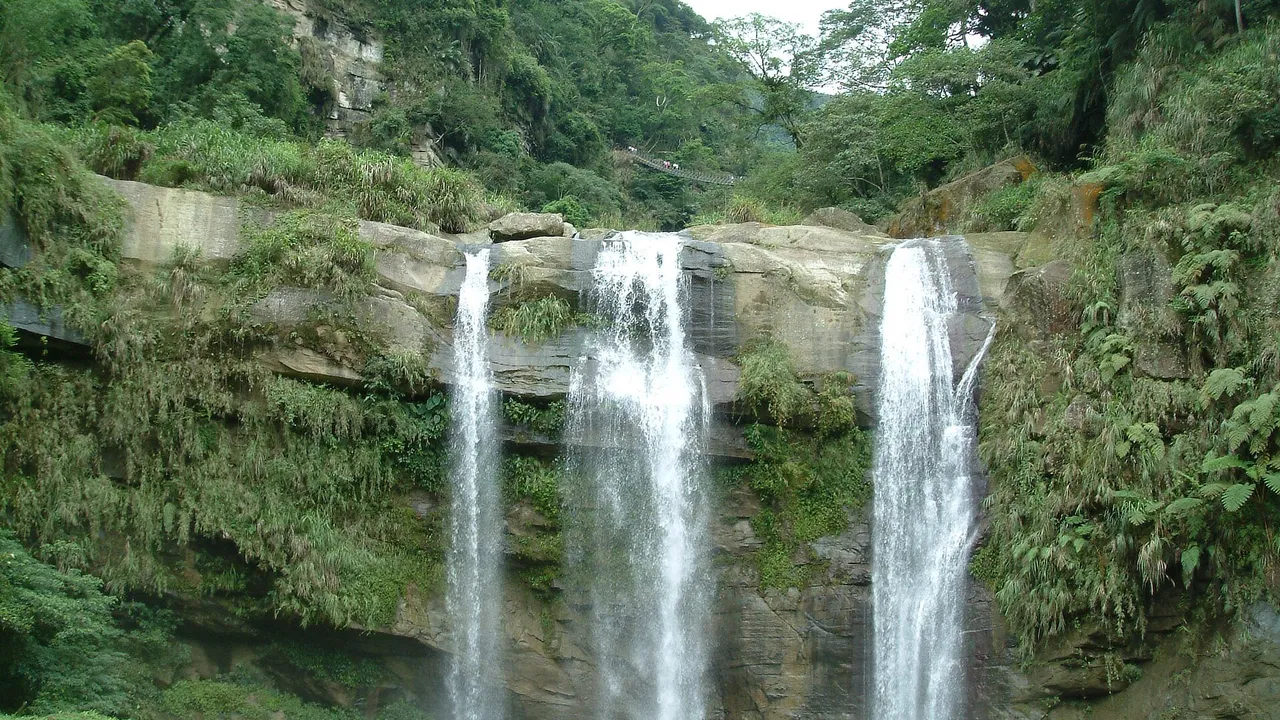
Taiji Gorge is Danjiangkou's most scenic canyon, a narrow defile in Shigu Town where two ridges meet in a shape locals liken to the yin-yang taiji sym
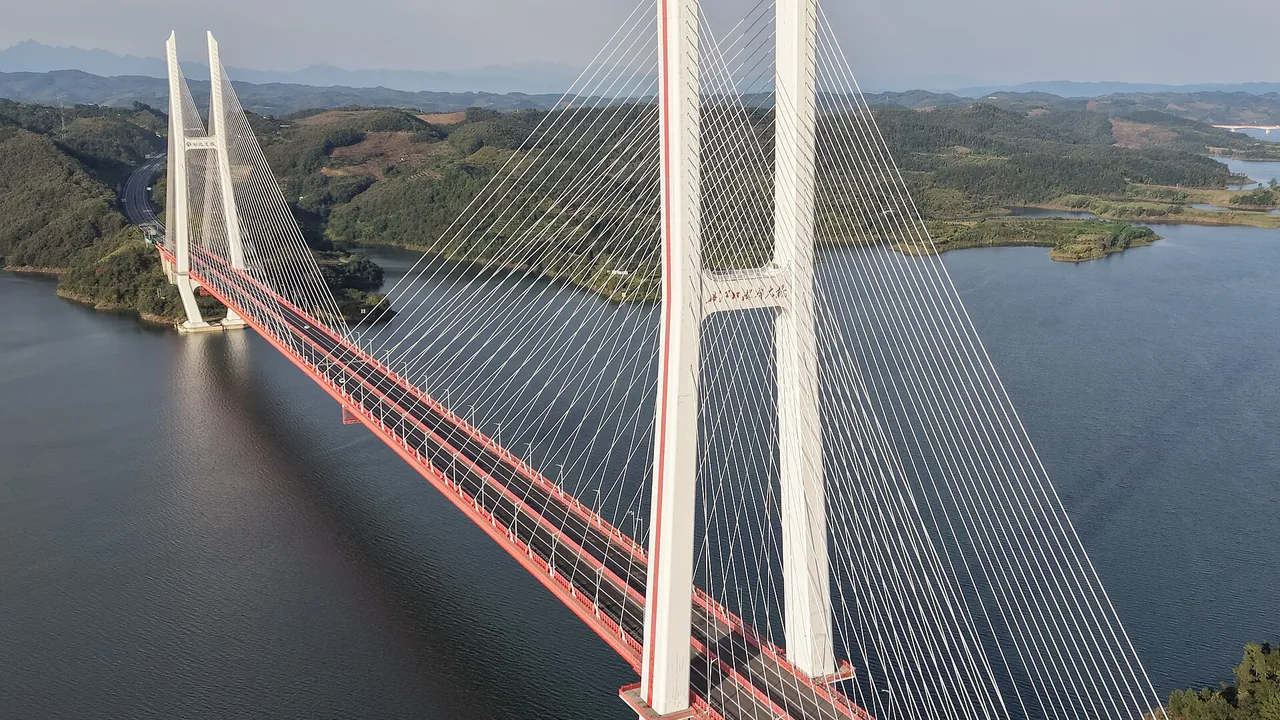
Danjiangkou Reservoir is one of Asia's largest man-made freshwater lakes, the holding pool of the South-North Water Diversion project that sends drink
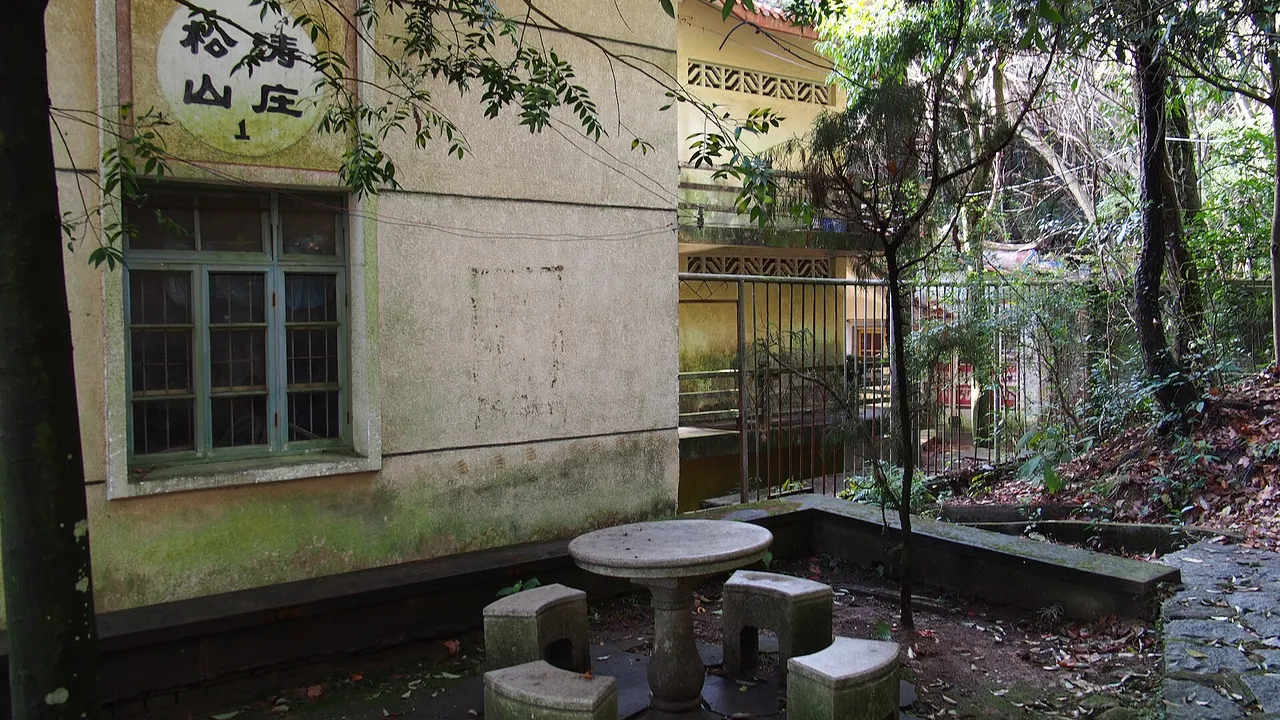
Songtao Villa, the Pine Wave Retreat, is Danjiangkou's favorite local viewpoint, a pine-forested hill on the reservoir's shore where walking paths cli
Where the whole street eats — the city's most famous food streets, each with its own guide page.
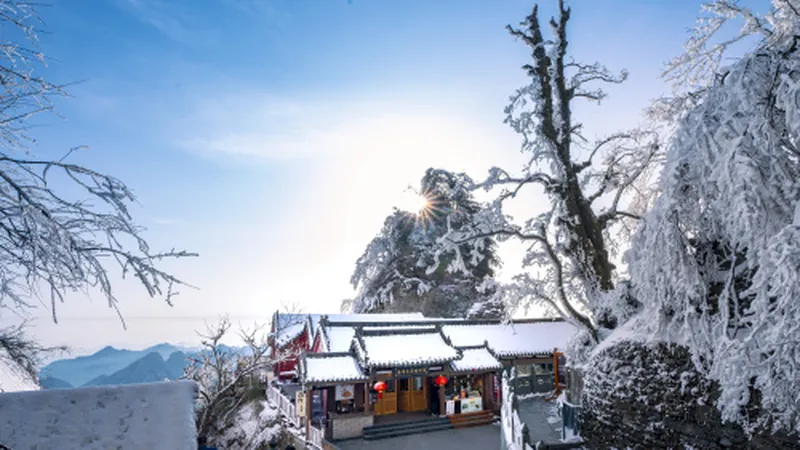
Serves vegetarian food in the style of Daoist temple meals, one way to experience Wudangshan's food tradition.
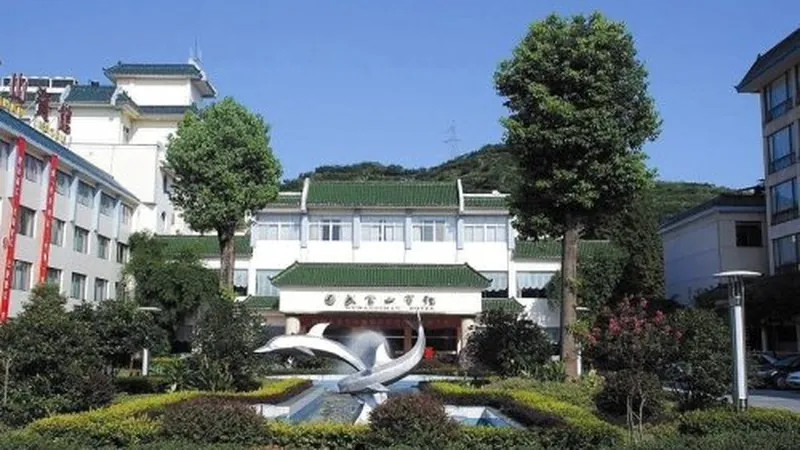
Serves local dishes from the Wudangshan area and can be paired with temple meals for a fuller picture of…
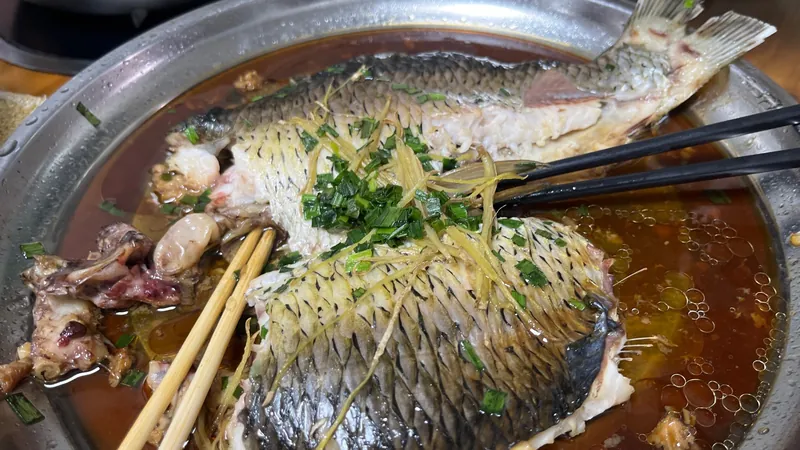
Farmhouse cooking around the foot of Wudangshan focuses on home-style dishes, convenient before or after a…
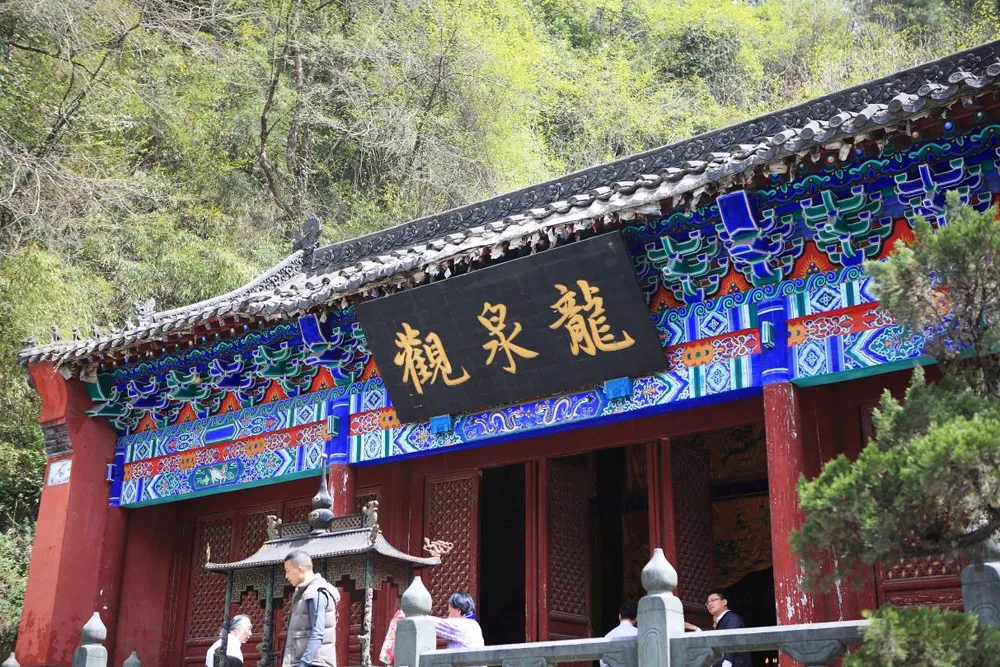
A simple zhai fan dinner at a local restaurant near the entrance or your lodging.
A short walk to settle in; the scenic area itself is not a night venue.
Some lodgings or local teachers offer evening or early-morning tai chi; ask locally.
Tea before an early start; check official channels for next-day shuttle times.
Wudangshan is a mountain scenic area, not a nightlife district. Evenings are quiet: a vegetarian meal, a short walk near the entrance or your lodging, and rest before an early start. Check official channels for shuttle and site hours; no night opening times are listed here.
Listed sites and the crafts that made this city famous.
Wudangshan is a Taoist mountain and a World Heritage site, with palaces and temples including Taihe Palace on the Golden Summit, Zixiao Palace, Nanyang Palace and Taizipo.
The Golden Summit (Jinding) area includes Taihe Palace and a gilded bronze hall; it is the summit focus of a Wudangshan visit.
Wudang martial arts are practiced on the mountain and are part of its identity; short introductory sessions may be available locally.
Tai chi is associated with Wudangshan; ask locally about classes or practice sessions.
Zhai fan, Taoist vegetarian meals, are served at local restaurants and are a practical lunch or dinner option.
Xiaoyaogu (Xiaoyao Valley) is known for macaques; keep a safe distance and do not feed them.
Senior licensed guides with 10+ years in the field and fluent English — deep on history, culture and local life.

Experienced licensed guides with clear English — solid on city highlights, food and day-to-day logistics.

Licensed guides with workable English — a good-value choice for city days, transfers and standard commentary.

Chauffeur-driven by the day, plus airport and intercity transfers.



Private chauffeur-driven vehicles, priced per vehicle not per person. Airport transfer from $45; intercity transfer from $180.
10 guides split by trip length: one-day city routes, three-day escapes and longer journeys, with stops, costs and transport in each.
Catch the first cable car to the Golden Summit, take Taihe Palace and the Golden Hall in
Three DaysThree Days of Wudang and Danjiang: A Nature Line of Lakes, Mountains and Seas of CloudDay one at Taihu Lake and Xiaoyao Valley, day two up the hiking trails through Nanyan to
Multi-DayFive Days Across Wudang and Danjiang: The Full Route of Summit Cloud Seas and the Great Water DiversionTwo days across Wudang's palaces and summit, one day completing Xiaoyao Valley and Nanya
Real routes, real travellers — a sense of what a trip looks like.
One day was enough for the Golden Summit and Zixiao Palace; I checked shuttle times the night before.
Three days let me add Nanyang Palace, Taizipo and a short tai chi session; no prices were listed, so I confirmed locally.
Five days at a slow pace, including Xiaoyaogu and a Taoist vegetarian meal; the valley walk was the quiet part of the trip.
Most travellers spend 3 days here. Add a day for a side trip if you want a slower pace.
Spring and autumn are usually the most comfortable. Check the seasonal notes above before booking.
We arrange airport/rail transfers and private drivers. Tell us your arrival point and we plan the connection.
Send an enquiry and a human expert replies within 12 hours with a draft plan and real prices. Flexible rescheduling; clear cancellation terms in your quote.
2-day private itineraries in Wudang Mountain start from $590 per person, two travelling together. Your proposal itemises hotels, tickets, guide and car — no hidden fees.
The main sites include the Golden Summit (Taihe Palace, gilded bronze hall), Zixiao Palace, Nanyang Palace (Dragon Head Incense), Taizipo (Nine-Bend Yellow River Wall) and Xiaoyaogu (Xiaoyao Valley).
Yes. Wudangshan is a Taoist mountain and a World Heritage site, known for its ancient building complex.
A core visit fits in one day (Golden Summit, Zixiao Palace, Nanyang Palace, Taizipo). Three to five days allow a slower pace, Xiaoyaogu and a tai chi or martial arts session.
No. This page does not list ticket prices or opening hours; check official channels before travel.
Taoist vegetarian meals (zhai fan) are available at local restaurants and are a practical option for lunch or dinner.
Yes, at Xiaoyaogu (Xiaoyao Valley). Keep a safe distance and do not feed them.
Yes. Wudang martial arts and tai chi are associated with the mountain; ask locally about classes or practice sessions.
Use the scenic-area shuttle; schedules vary, so check official channels for shuttle times and site hours.
Recent listed prices: Taiji Gorge 约¥90; Danjiangkou Reservoir 约¥60; Songtao Villa 免费; Wudang Mountains 约¥240. Ticket prices change seasonally — we confirm them in your quote.