
Five days strike the fullest ratio for Wudang and Danjiangkou: three for the mountain, two for the water. The mountain runs easy to hard, Taizipo and Zixiao as warm-up, then Xiaoyao Valley and Nanyan, the summit last; the water runs dam to ring road to Canglanghai, reading the diversion project's true scale.
The line's wisdom is slack: check the sky on summit morning, climb when cloud-sea odds run high, swap with a Danjiangkou day when they don't. Five days hold exactly one weather negotiation, and the summit experience can double on the right side of it.
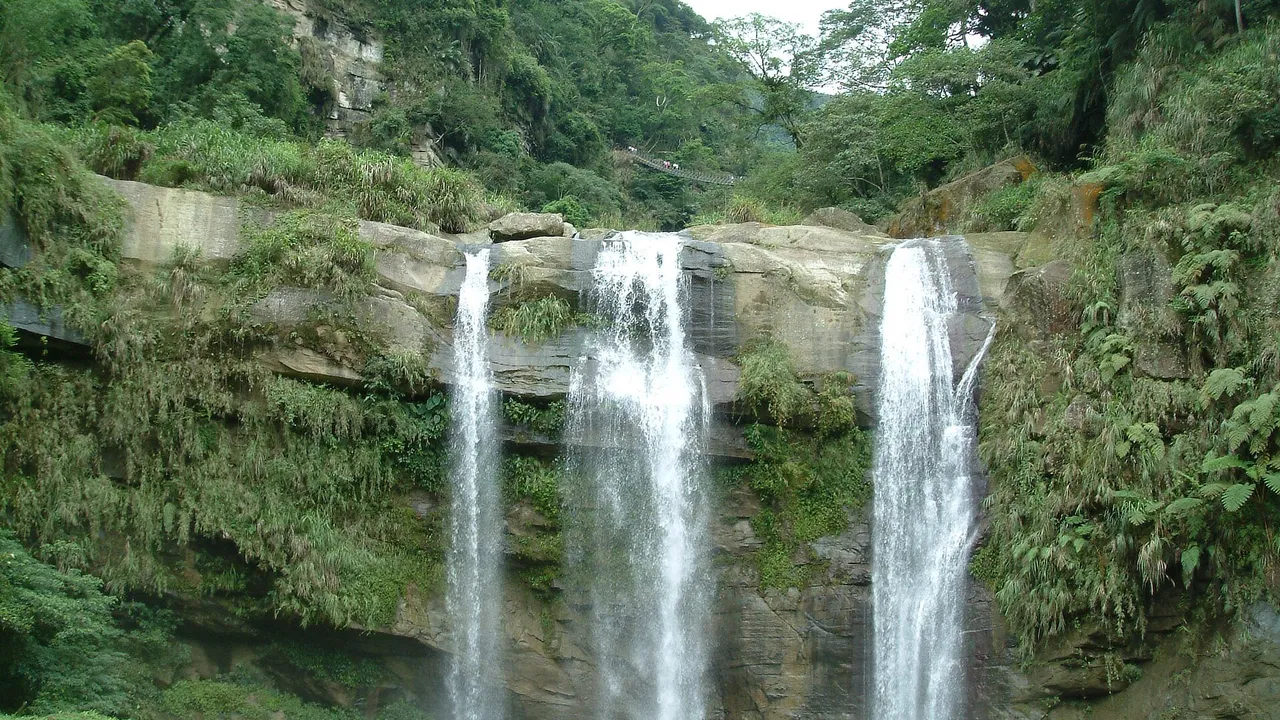
Itinerary at a glance
| D1 09:30 | Taizipo: Warm-Up and Tone-Setting |
| D1 14:00 | Zixiao Palace: The Red-Wall Axis in Full Demonstration |
| D2 09:30 | Xiaoyao Valley: A Transition Day of Ravines and Martial Arts |
| D3 08:00 | Nanyan Palace and the Hiking Trails: Summit Day |
| D3 16:00 | The Golden Summit: Cloud Sea and Bronze Hall as Coronation |
| D4 09:00 | Danjiangkou Dam: First Lesson in the Turn from Mountain to Water |
| D4 14:00 | The Ring Road: Reading One Stretch of Reservoir Shore |
| D5 09:30 | Taiji Gorge: An Easy Ravine Finish |
| D5 15:00 | Canglanghai Tourist Harbor: The Five Days' Watery Full Stop |
The route, stop by stop
Taizipo: Warm-Up and Tone-Setting
Open the five days at Taizipo, both pre-climb warm-up and first lesson in Wudang's architectural grammar: one-pillar-twelve-beams joinery, the nine-bend wall's guidance, the axis folding up the slope, all demonstrated in this one monastery.
Walk two and a half slow hours, drilling step rhythm and slope technique. Architecture readers study the beams, landscape readers study the view-back axis; the five days' method of reading starts today.
Turn toward Zixiao after the slope. No high-intensity items on day one, a clear warm-up signal to the body.
Zixiao Palace: The Red-Wall Axis in Full Demonstration
Day one's afternoon at Zixiao delivers Wudang palace architecture's standard answer in one pass: backed by peak, fronted by water, axis rising, halls advancing. Nanyan and the summit to come are variations on this lesson.
Walk the central axis slowly through Dragon-Tiger Hall, Zixiao Hall and the Parent Hall. Catch ritual music or chanting, sit quietly a while, the unrecordable part beyond architecture.
Ninety minutes; overnight in Wudang town, soak feet, sleep early, entering Xiaoyao Valley and Nanyan's pre-climb ground tomorrow.
Xiaoyao Valley: A Transition Day of Ravines and Martial Arts
Day two skips the summit and buffers the body: Xiaoyao Valley in the morning, a martial show and the ravine path gently waking the muscle groups the climb will need.
One show, then a ninety-minute circuit of the valley; the metasequoia-and-stone pairing photographs well, and on slick stretches the handrail matters, steadiness over distance today.
Sit by Taihu Lake or take a short cruise in the afternoon, early bed back in town. Tomorrow's climb crowns the five days, and tonight's sleep writes the cloud-sea day's condition.
Nanyan Palace and the Hiking Trails: Summit Day
Day three crowns the five days. First shuttle to Nanyan, half an hour with the dragon-head beam and cliff halls, then the old trail to the summit, two hours of continuous steps cashing in the gate-by-gate rites from the First Heavenly Gate up.
The pace chant holds: a talking speed. Braces and poles deploy on the steep pitches, resting two or three times hourly; a clear morning after rain is the cloud-sea script at its likeliest.
At the top, layer up before admiring: when the cloud sea spreads between a thousand peaks, three days of buildup pay out at once. Descend by Qiongtai cable in the afternoon, returning via the Taizipo side.
The Golden Summit: Cloud Sea and Bronze Hall as Coronation
The summit earns its own stop and a dedicated half hour: circle the Purple Gold City, watch the bronze hall's gilding glint above the cloud sea, and watch two days of palatial axes gather beneath your feet.
The climb is the trip's physical climax and the key to Wudang: from atop all peaks, Taizipo's folding, Nanyan's cantilever and the trail's gathering all point at this one summit.
Wind and chill bite, so shoot briskly. After descending, soak feet and sleep early, turning to Danjiangkou's waters on day four.
Danjiangkou Dam: First Lesson in the Turn from Mountain to Water
Day four descends to Danjiangkou and the dam crest. Yesterday read cloud from atop all peaks, today reads one clear reservoir heading north from the crest, two high vantages annotating each other as the five days' narrative pivots.
Circle the crest, the elevator sparing yesterday's climbed legs, which will thank the plan. The project exhibits reward slow reading, and spill-season torrents are bonus spectacle.
Two hours, city fish at noon, then the ring road's prime stretches in the afternoon.
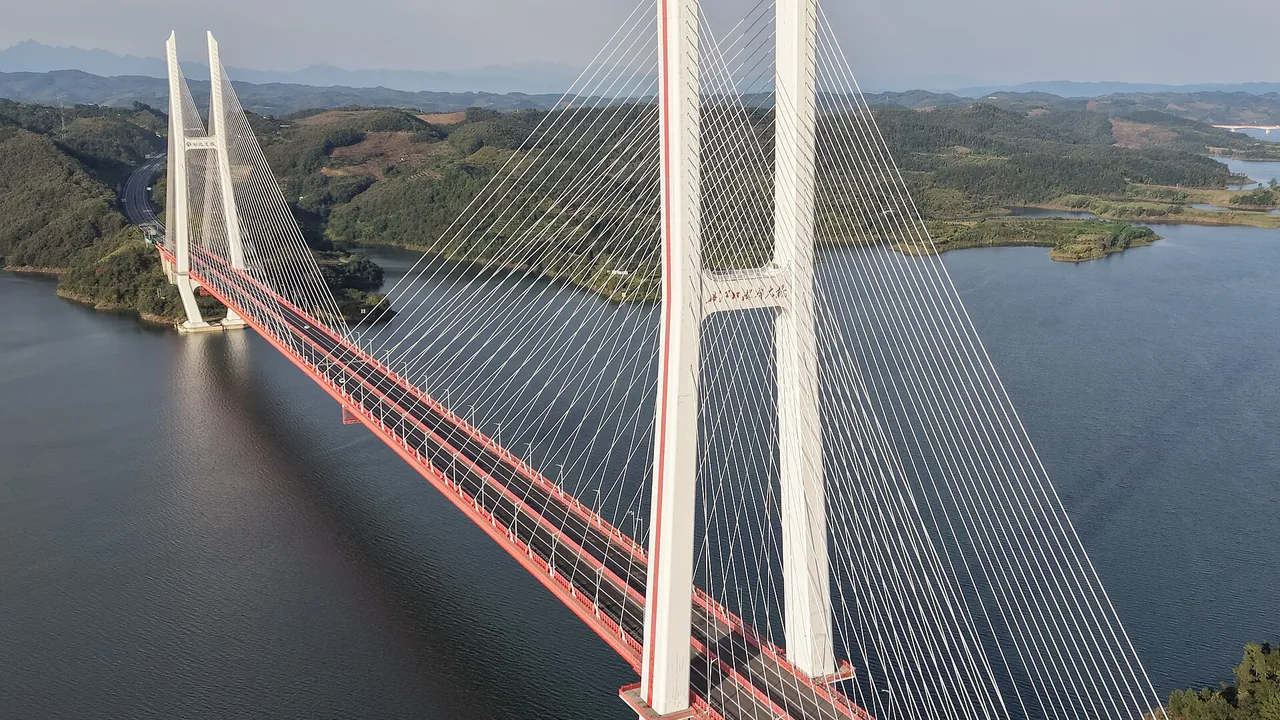
The Ring Road: Reading One Stretch of Reservoir Shore
Take the ring road's prime stretches in the afternoon, two or three decks with half an hour each. Reservoir bays, islands and fishing boats take the stage in slant light, the diversion's water appearing first as scenery.
Self-drive or charter both work, slowing through bridge-and-tunnel runs. The right mindset is reading, not running: the water's light changes minute to minute, worth stopping for.
Gather toward Canglanghai by dusk, overnight in Danjiangkou city, riverside grills for dinner.
Taiji Gorge: An Easy Ravine Finish
Day five morning goes to Taiji Gorge, the ravine hike cashing in at the trip's end. Cool inside, the streamside trestles run about two hours return, gentler than summit day, a fitting close.
Karst walls and vines filter the light green, photos arriving pre-filtered. Lunch in town after, home flavors done honestly.
If time pinches, swap or drop this stop for Canglanghai; the five days' trade rule: mountain over gorge, gorge over streets.
Canglanghai Tourist Harbor: The Five Days' Watery Full Stop
The five days' last stop returns to water. Canglanghai's widest reservoir reaches earn the little-Pacific nickname; take a cruise or stroll the quarter, merging five days of mountain and water in one final glance.
From summit cloud to crest water to reservoir boats, the route's complete logic clarifies on this farewell afternoon: the mountain guards the water's source, the water proves the mountain exists.
Return by rail from Wudangshan West or bus from Danjiangkou per your luggage. In the five-day pack should ride the cloud sea's chill, Taoist tea's fragrance, and the crest's wind.
| Getting around |
|
| Budget | Mountain entry about RMB 240, summit RMB 27, Zixiao RMB 15, dam RMB 65; with four nights plus meals and transport, five days run roughly RMB 1,800-3,200 pp. |
| Best time | April-June and September-October are the classic window for cloud seas and color; keep the climbing day weather-flexible, cloud seas likeliest on clear mornings after rain. |
FAQs
How do five days cover both halves fully?
The canonical ratio is three mountain, two water: three Wudang days from palace warm-ups to the summit push, two Danjiangkou days from dam to ring road to Canglanghai. Keep summit-day weather slack, swapping with Danjiangkou when cloud-sea odds dip. Nothing rushes under this split, the soundest plan.
What is the fallback if the climbing day outlasts my strength?
Three graded fallbacks: ride the cable car both ways, skipping the trail but keeping the summit; stop at Nanyan Palace, take the cliff architecture, and turn back; or convert the whole day to the mountain-foot line, Yuxu, Taizipo, Taihu Lake, leaving the summit for next time. Fallbacks are not shame; the itinerary serves the body.
Where does a five-day budget mostly go?
Lodging and transport take six parts in ten: Wudang town rooms RMB 200-500 a night, charters RMB 400-600 a day; tickets total near RMB 350 (entry, summit, Zixiao, dam, cruise); meals stay controllable under RMB 100 daily. RMB 1,800-3,200 per person is the common band, so book rooms early in season.
On a first visit, which stops can be dropped?
Protect the trinity first, Golden Summit, Nanyan and Zixiao; Taizipo and Xiaoyao are enhancements; on the water side keep the dam and choose between ring road and Canglanghai; Taiji Gorge can go for first-timers. The principle: keep uniqueness, not quantity.