
Wudang's food runs two lines: vegetarian halls and Taoist tea on the mountain, river fish and farmhouse tables below. The day descends, a quiet vegetarian lunch beside the temples at noon, a cup of Taoist tea as afternoon hinge, then down to the base to close on a table of Danjiang fish.
Two cautions set the rhythm: mountain restaurants are few, so arrive half an hour before mealtime to seat surely; and vegetarian dining prizes quiet and no waste, order only what you finish. Below, fish houses post prices, so ask the day's rate and watch the scale.
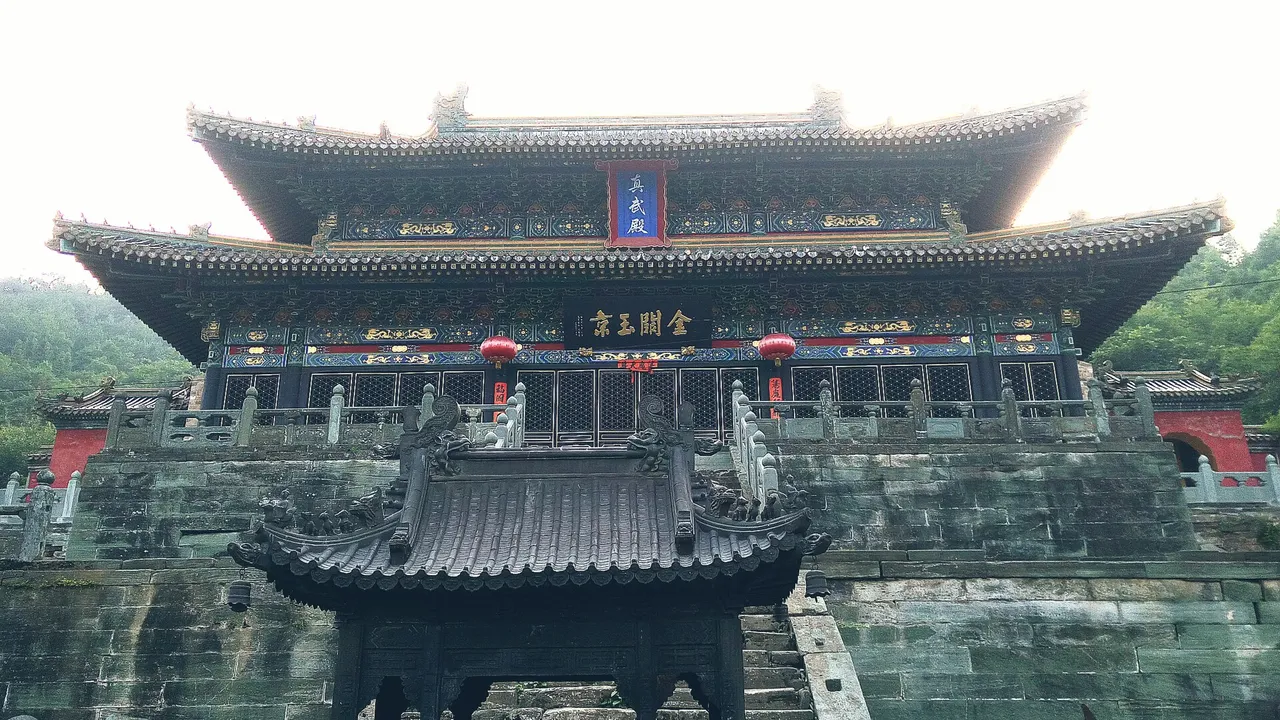
Itinerary at a glance
| 12:00 | Wudangshan Vegetarian Restaurant: A Lunch with Liturgy |
| 14:30 | Wudangshan Local Restaurant: Honest Northwestern Hubei Flavors |
| 16:00 | Wudangshan Teahouse: An Afternoon of Taoist Tea |
| 18:30 | Farmhouse Cooking at the Mountain Foot: A Table of Danjiang Fish to Close |
The route, stop by stop
Wudangshan Vegetarian Restaurant: A Lunch with Liturgy
Noon vegetarian fare is Wudang's signature lunch: bean curd, mountain mushrooms and seasonal greens shaped and seasoned into mock dishes, luohan stew, vegetarian fish and chicken all convincingly done, mushrooms carrying the broth, craft over novelty.
Learn the rules before eating: take only what you finish, waste nothing, keep the table quiet. Dining near temples, never point or tap with chopsticks, and pushing the bowl forward is the wordless ask for more rice.
You leave feeling clean, perfect for the afternoon. Vegetarian halls cluster near Zixiao and Taizipo, peak service noon to one, and ten minutes' early arrival buys composure.
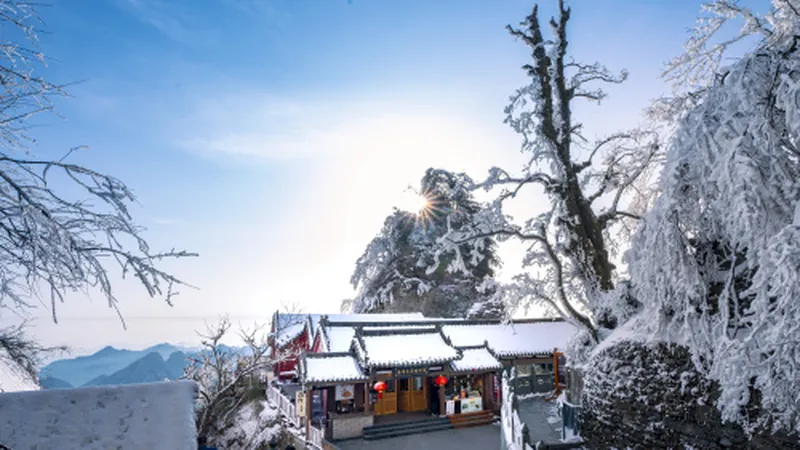
Wudangshan Local Restaurant: Honest Northwestern Hubei Flavors
Before tea, scout the local kitchens' repertoire. Restaurants in Wudang town and along the park road cook northwestern Hubei style: cured-trotter hotpot, bamboo shoots with cured pork, sour-hot konjac and mountain greens, salty-savory and pickle-forward.
Treat this as a scouting stop, not a feast: two small dishes to test the fire, noting which house handles the wok best. Cured pork with shoots is the local signature, and mountain greens follow seasons, toon and bamboo peaking in spring.
Local kitchens price kindly, two dishes and a soup around fifty RMB. Mark a favorite or two; the evening descent may bring you back.
Wudangshan Teahouse: An Afternoon of Taoist Tea
The afternoon hinge goes to the teahouse. Wudang's Taoist tea holds protected status, grown on misty slopes around 800 meters, tight slender leaves with a clear chestnut note, the first cup poured for any local guest.
Sit an hour, watch the pour, eavesdrop on neighboring talk of martial arts and regimen. Wudang teahouses run slow, no one hurries you out, and one pot can last until the sun slants.
To buy tea, check origin and grade on the packaging; hilltop tea houses and base-town supermarkets differ markedly in price, so taste before you pay.
Farmhouse Cooking at the Mountain Foot: A Table of Danjiang Fish to Close
Evening descends to the farmhouse table at the mountain foot, where Danjiang's waters take the lead: steamed topmouth culter, fine and few-boned, fish-head soup milky and rich, pan-fried river small fry the perfect drink's companion.
The second rank runs free-range chicken with mountain mushrooms, cured pork with bamboo shoots and just-picked greens; the wok-breath of a wood-fire stove is what no city kitchen copies. Order by logic: one fish, one meat, two greens, one soup, exact for four.
After dinner the mountain foot turns quiet, a digestive stroll, then back to Wudang town or Danjiangkou city with ease. The day's eating runs from plain to fresh-umami, tasting both faces of one mountain.
| Getting around |
|
| Budget | Vegetarian halls run RMB 60-120 pp and farmhouse river-fish tables RMB 60-100; the day totals about RMB 150-260. |
| Best time | Year-round; the vegetarian lunch service is truest at midday, river fish fattest in autumn-winter, and holiday queues at mountain restaurants reward arriving before the bell. |
FAQs
Does this food line still work for non-vegetarians?
It does. The vegetarian hall is a single-meal experience; the afternoon local kitchen and the evening farmhouse river fish serve meat and greens alike, with cured trotters, free-range chicken and Danjiang fish carrying the day. Treat the vegetarian lunch as one mountain sight, expectations set right, and it lands better.
How do I order Danjiang fish without being shortchanged?
Three rules: ask the live price and minimum order; watch the scale and note the weight; and choose steaming or soup to test quality, since stale fish cannot hide in steam. In season reserve ahead, one to one-and-a-half jin per person plus sides lands right.
Is mountain food expensive? Can I bring my own?
Mountain dining does run thirty to fifty percent above base-town prices, transport the reason. Bringing bread, energy bars and water works fine, with supply points near the temples; still, keep at least one meal on the mountain, the vegetarian lunch being part of the experience. Pack all trash down, the mountain's rule.
How friendly is this food line to seniors and kids?
Very. Vegetarian dishes are soft and digestible, teahouses seat and wait, and farmhouse stews and soups suit elders and kids. Three cautions: beat the mountain mealtime queues by arriving early; test the salty cured flavors on kids one bite first; and avoid late dinners after descending, mountain nights chill, so eat and rest early.