 TripMyChinaJOURNEYS THROUGH REAL CHINA✦ AI Trip✦ Plan My Trip
English
简体中文
繁體中文
日本語
한국어
ไทย
Tiếng Việt
Bahasa Indonesia
Italiano
Español
العربية
Русский
Deutsch
Français
Bahasa Malaysia
TripMyChinaJOURNEYS THROUGH REAL CHINA✦ AI Trip✦ Plan My TripGuangzhou, the beating heart of Cantonese culture, is China's best city for food. From silk-thread dim sum to midnight lamb pots along the Pearl River, it rewards travelers who eat their way through neighborhoods like Liwan, with colonial-era arcades and ancient temples in between. Perfect for foodies and slow explorers.
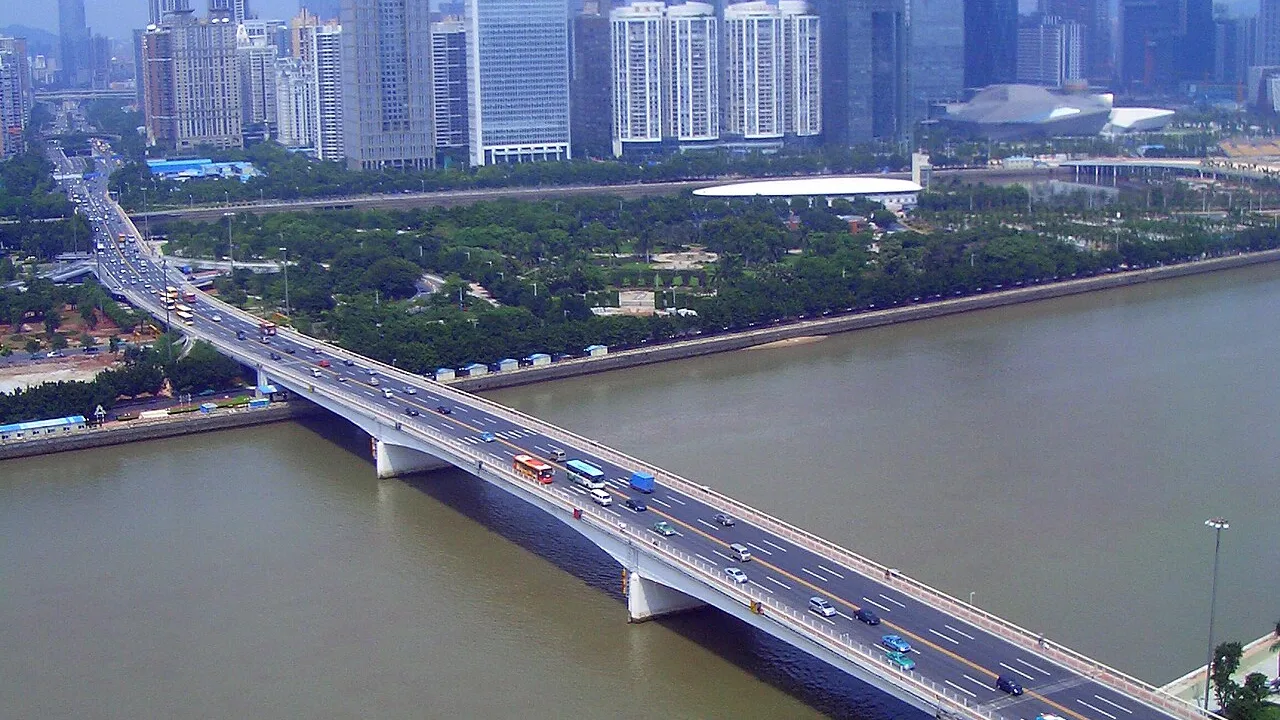
Guangzhou, known historically as Canton, is the capital of Guangdong Province and a vibrant metropolis in southern China. With a history spanning over 2,200 years, it was a major starting point of the Maritime Silk Road and has long been a gateway for trade and cultural exchange. Today, Guangzhou is a modern economic powerhouse, hosting the Canton Fair and serving as a key hub in the Greater Bay Area.
The city is spread across 11 districts, each with its own character. Yuexiu and Liwan are the historic cores, home to ancient temples and traditional arcades. Tianhe is the modern CBD with skyscrapers and shopping malls, while Haizhu and Panyu offer a mix of residential areas and attractions like the Canton Tower and Chimelong Paradise. The Pearl River winds through the city, dividing it into north and south banks.
Visitors to Guangzhou can experience a blend of old and new: explore the Chen Clan Ancestral Hall, stroll along the Pearl River at night, and savor dim sum in a traditional teahouse. The city's subtropical climate ensures lush greenery year-round, and its diverse culinary scene, known as Cantonese cuisine, is a highlight for any traveler.
Guangzhou covers an area of 7,434 square kilometers and has a population of approximately 18.7 million (2020 census). It is divided into 11 districts and is a UNESCO City of Gastronomy, renowned for its Cantonese cuisine and rich cultural heritage.
World-class, national and global recognition earned over the decades.
Cantonese opera was inscribed on UNESCO's intangible heritage list in 2009.
Guangzhou's port has traded with the Indian Ocean world for 2,000 years — the only Chinese port never closed to foreign trade.
Yum cha — tea with dim sum — began here and is now the city's daily ritual.
Named in the first batch in 1982.
Cantonese language, opera, food and lion dance all centre on Guangzhou.
China's oldest and largest trade fair, held twice a year without interruption.

The moments that shaped the city — and the stories its people still tell.
Qin armies reached the Pearl River, and Panyu became the region's administrative centre.
The Wu kingdom split Jiaozhou and named the new prefecture Guangzhou — the name has lasted 1,800 years.
Arab and Persian traders settled here; the Huaisheng Mosque dates from this era.
The Qing restricted all foreign trade to Guangzhou — the Thirteen Factories became China's only window to the world.
The first Canton Fair opened, and the city became the gateway for China's exports.
Guangzhou hosted the 16th Asian Games, rebuilding the Pearl River waterfront.
Five immortals riding rams brought rice seeds to a famine-stricken city and left the rams turned to stone — Guangzhou is still called 'Ram City'.
The red kapok, the city flower, is said to bloom the colour of the heroes who died defending the city.
Three paces, one city — every route built from places we actually operate.
Weather, crowds and the best months for what you want to see.
The best months — dry, sunny and 20–28°C, with the Canton Fair crowds in October.
Warm and humid with heavy rain; kapok blooms in March.
Hot, wet and typhoon-prone — plan indoor museums at midday.
Mild and dry, 15–20°C — a comfortable escape from northern winter.
What this city is known for — the things worth planning your day around.
The places worth building a day around.
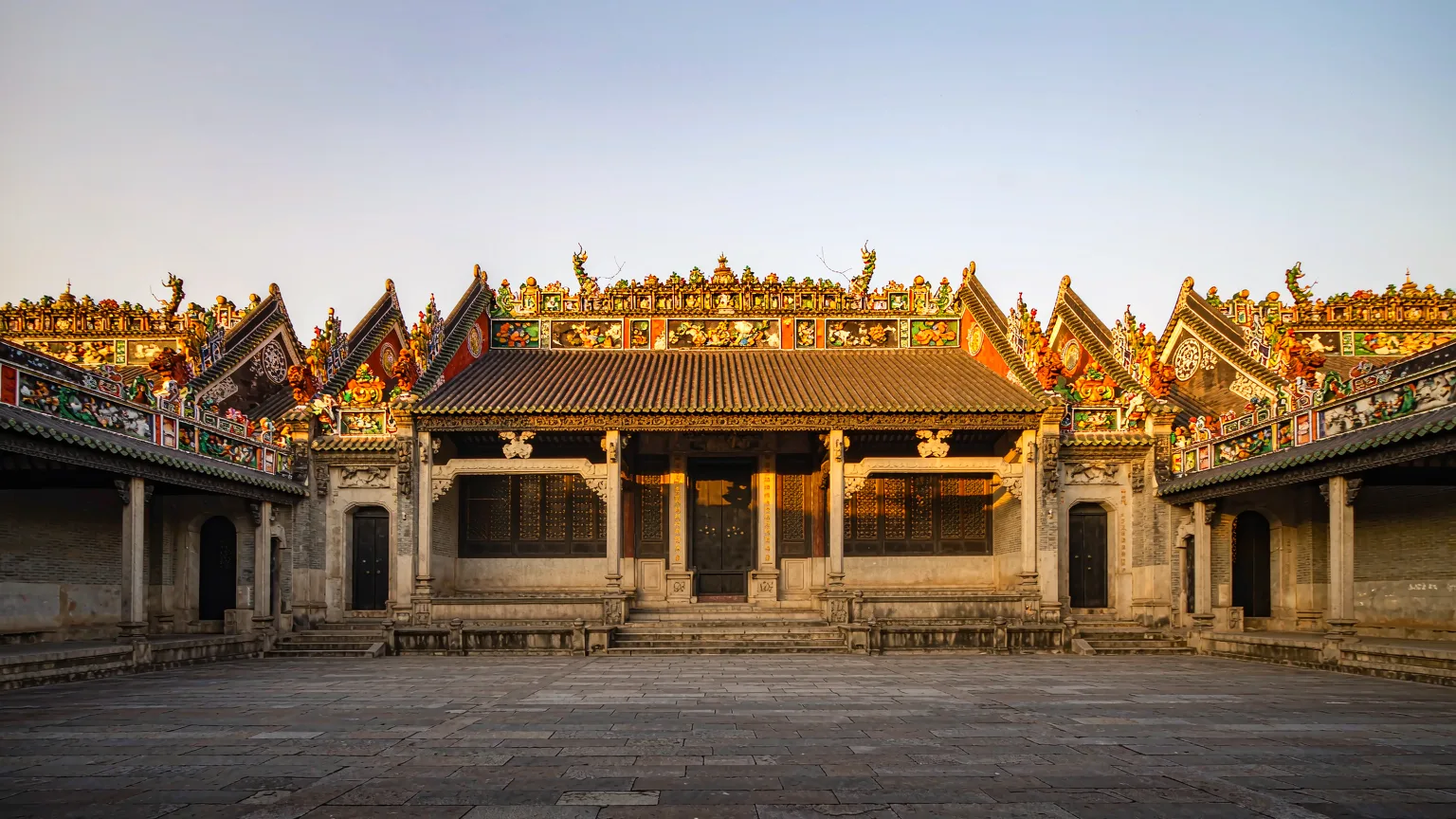
The Chen Clan Ancestral Hall was built between 1888 and 1894 by 72 Chen families from Guangdong as a hostel for candidates sitting the imperial exams.
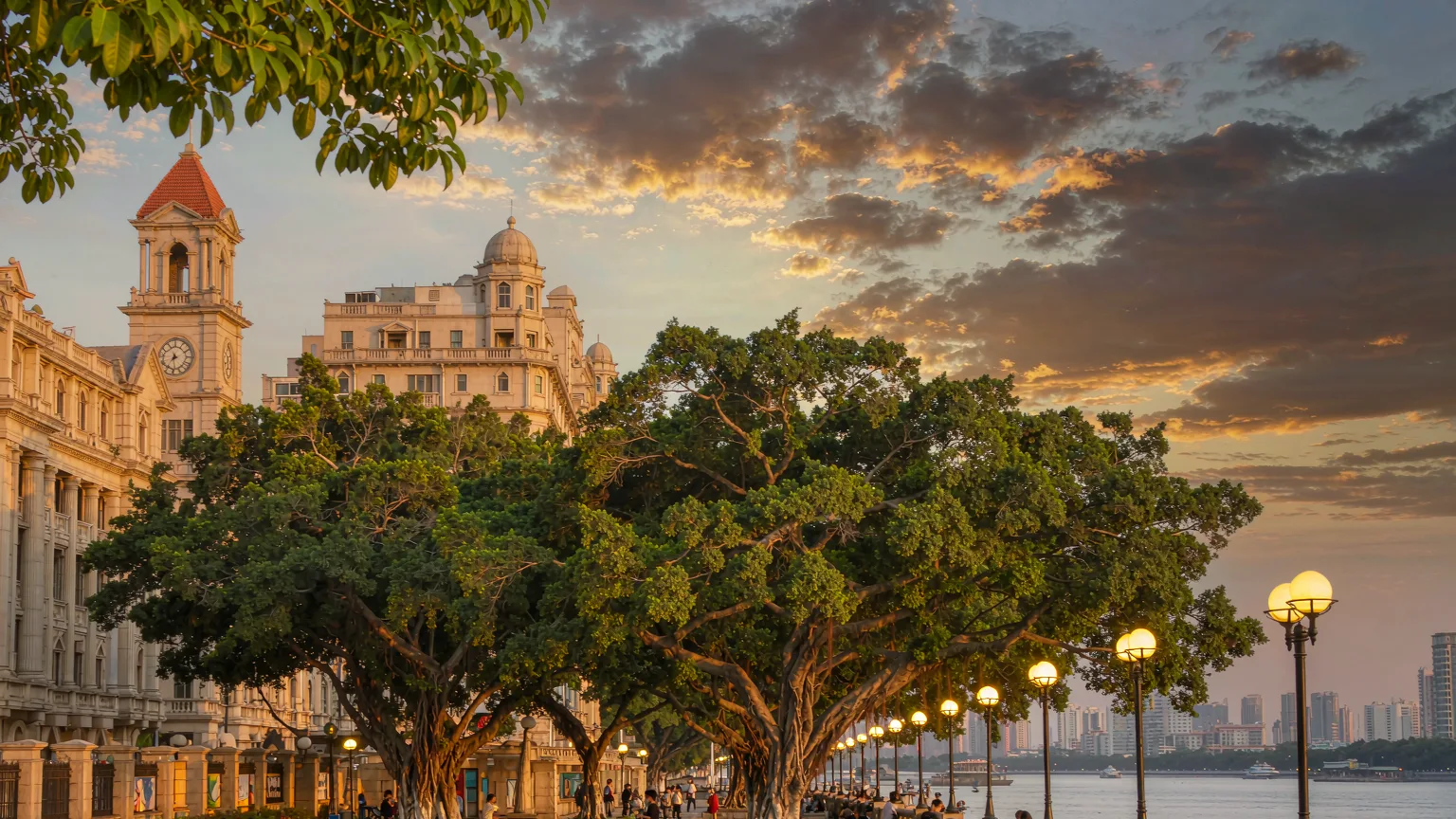
Shamian is a 900-metre sandbank in the Pearl River that was the British and French concession from 1861 to 1945. It has 150 colonial buildings, no car
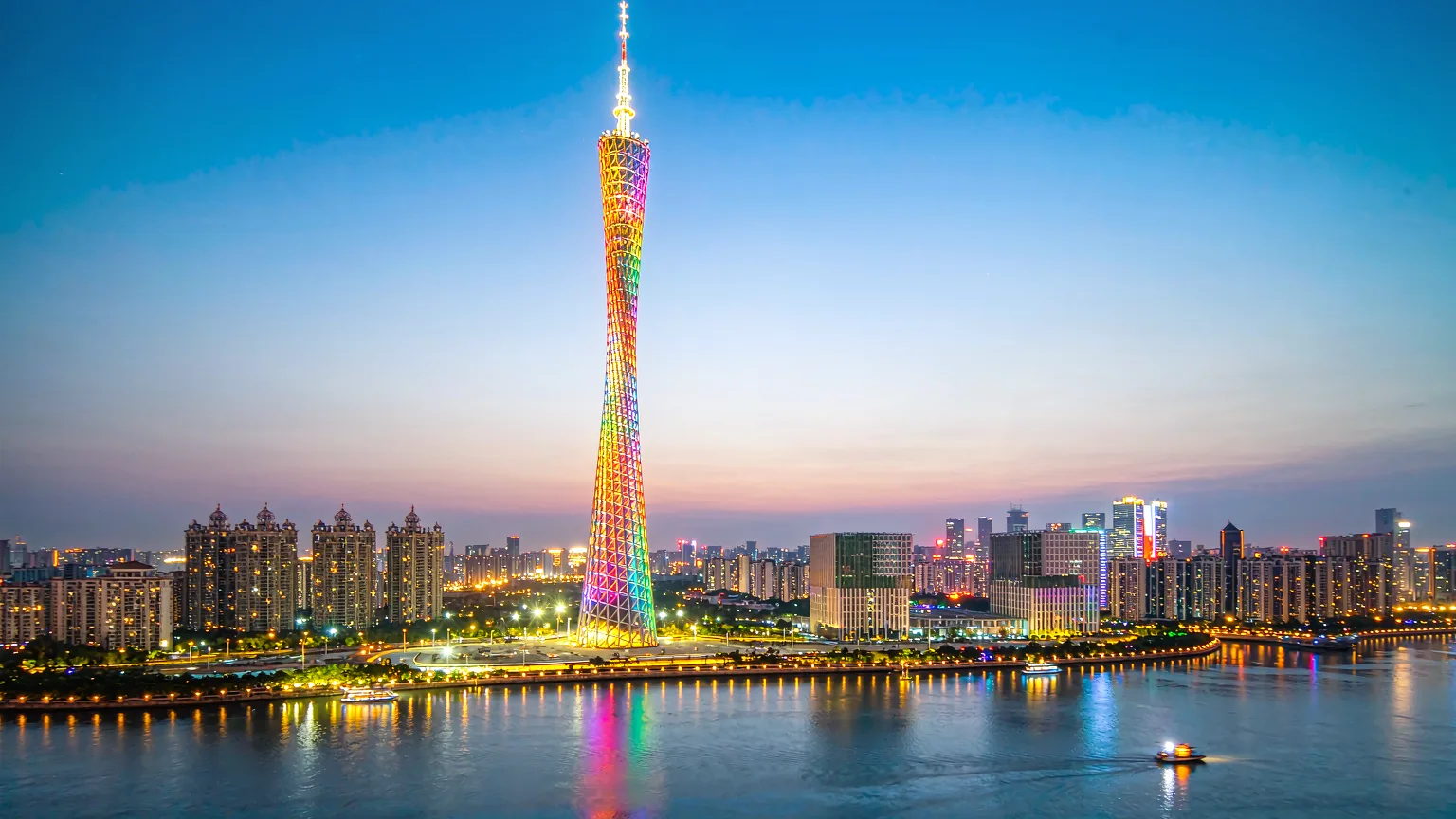
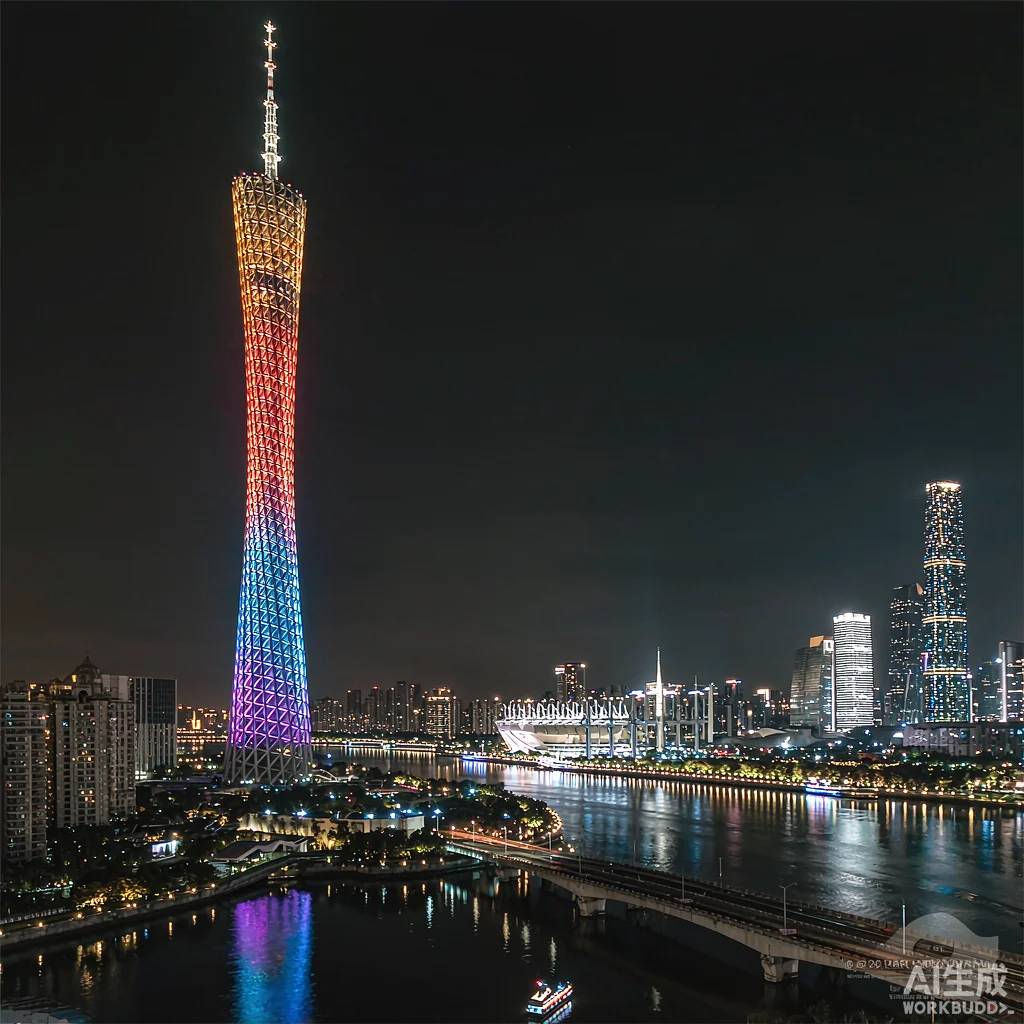
Canton Tower is 600 metres of twisted steel lattice on the south bank of the Pearl River, with a 488-metre observation deck and a Ferris wheel on the
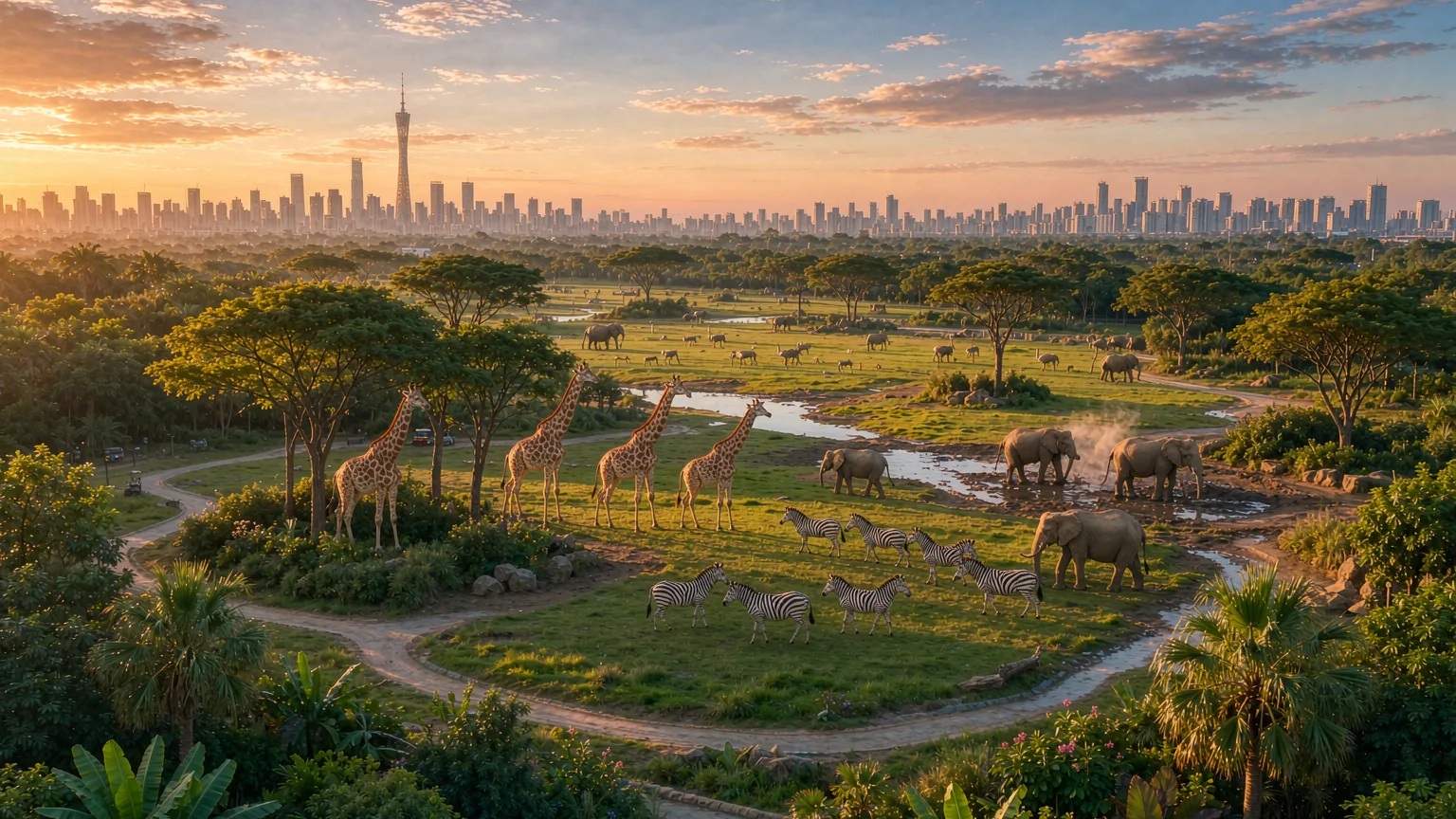
Chimelong is a 600-hectare resort complex with a safari park, a water park, a circus and three hotels, 20 km south of Guangzhou. The safari park is th
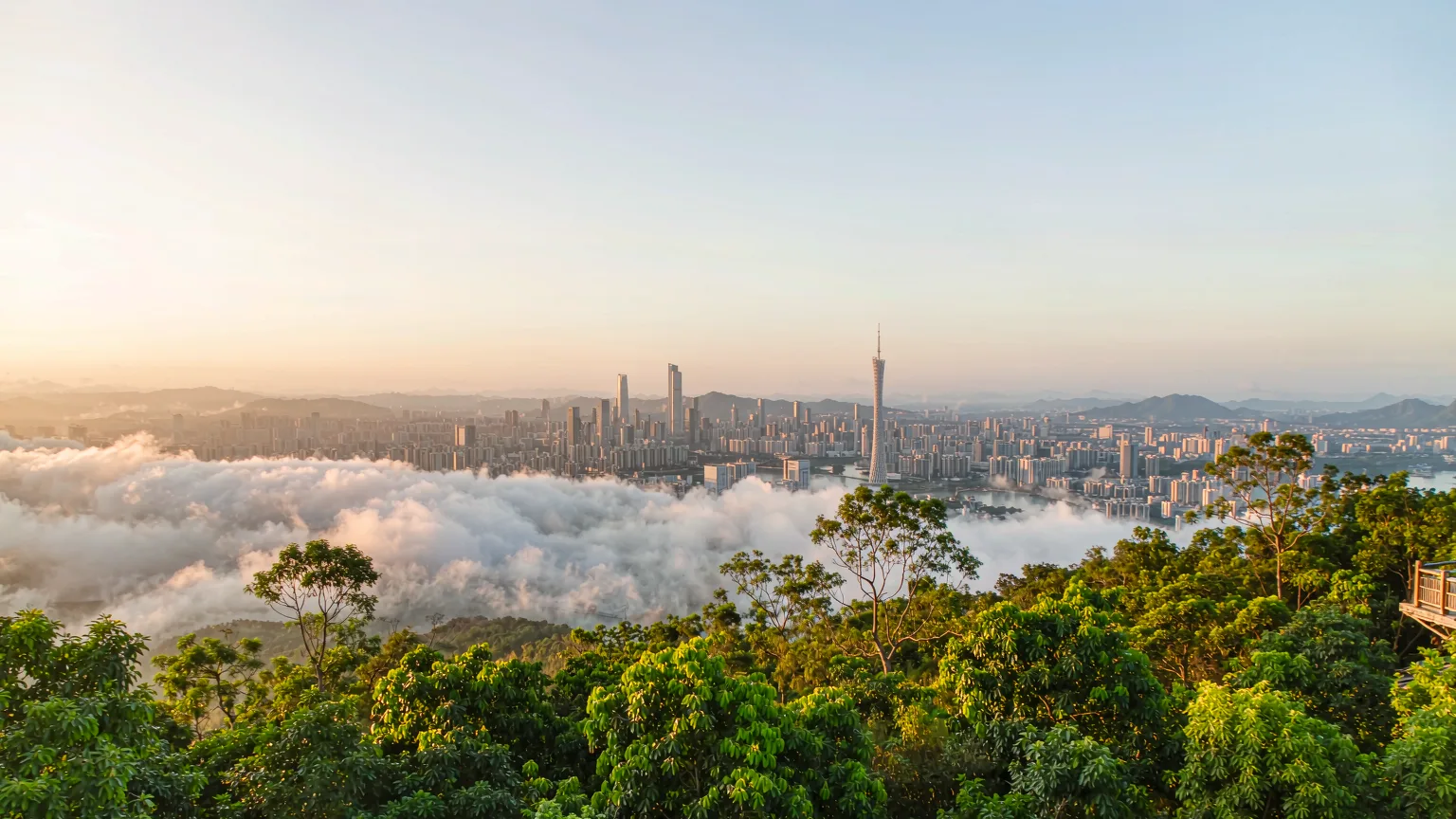
Baiyun Mountain is 382 metres of granite and forest on the northern edge of the city, with 30 km of paths and a cable car. It costs 5 yuan to enter, w
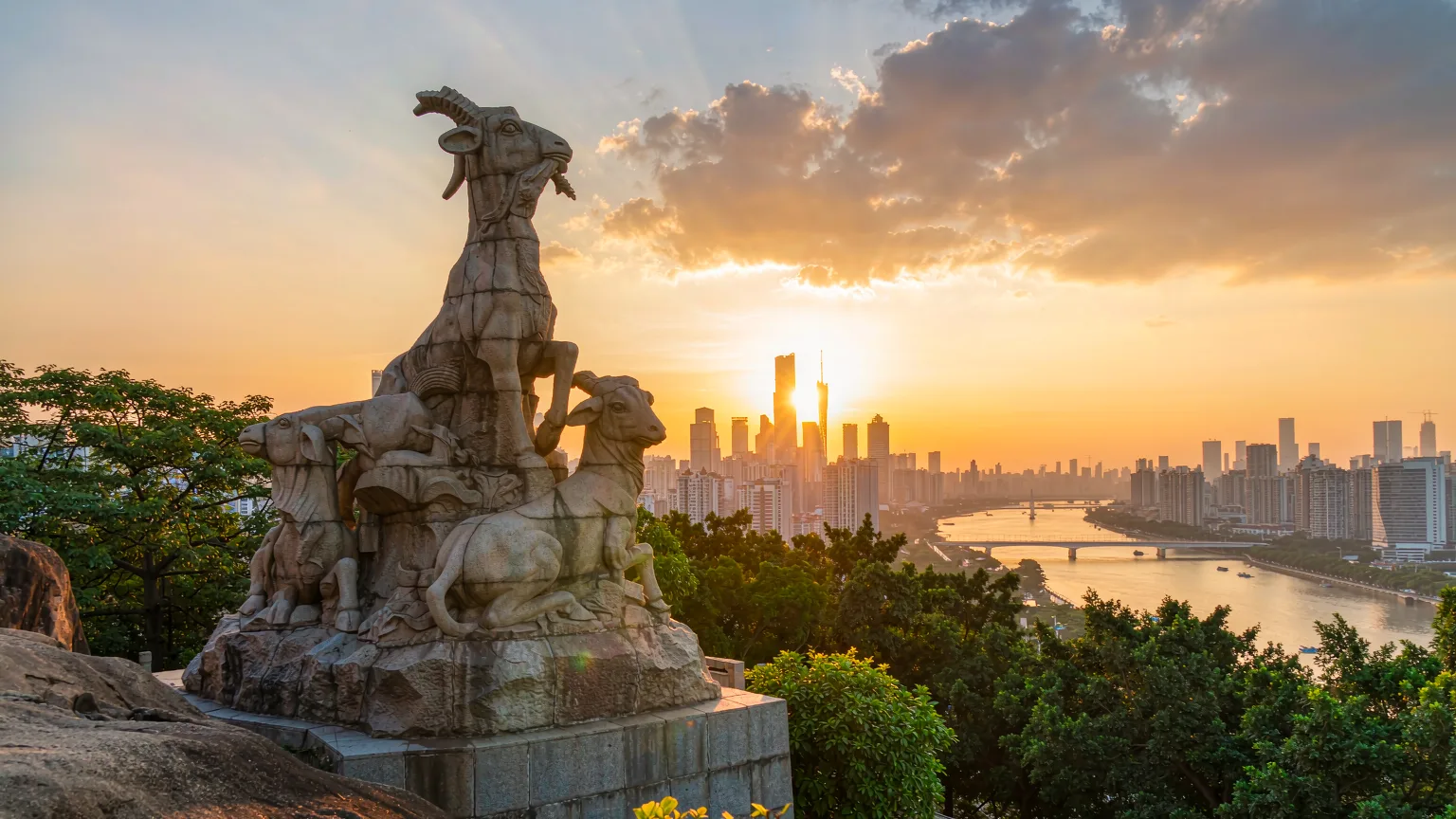
Yuexiu Park is 86 hectares of lakes and hills in the north of the old city, with the Five Rams statue, a 600-year-old watchtower that is now the city
A little further out, for a spare half-day.
A premium Guangzhou mall gathering international luxury brands, fine dining and cultural spaces in elegant…
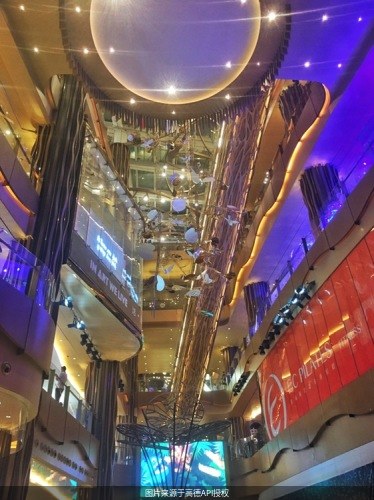
An upscale mall blending art and retail in Zhujiang New Town, pairing exhibitions with brand shopping.…
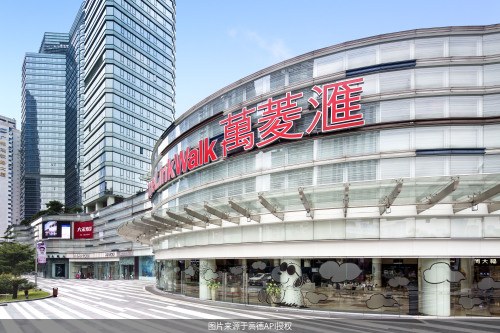
A fashionable mall on Tianhe Road with trendy brands, dining and offices, next to Taikoo Hui. Youthful and…
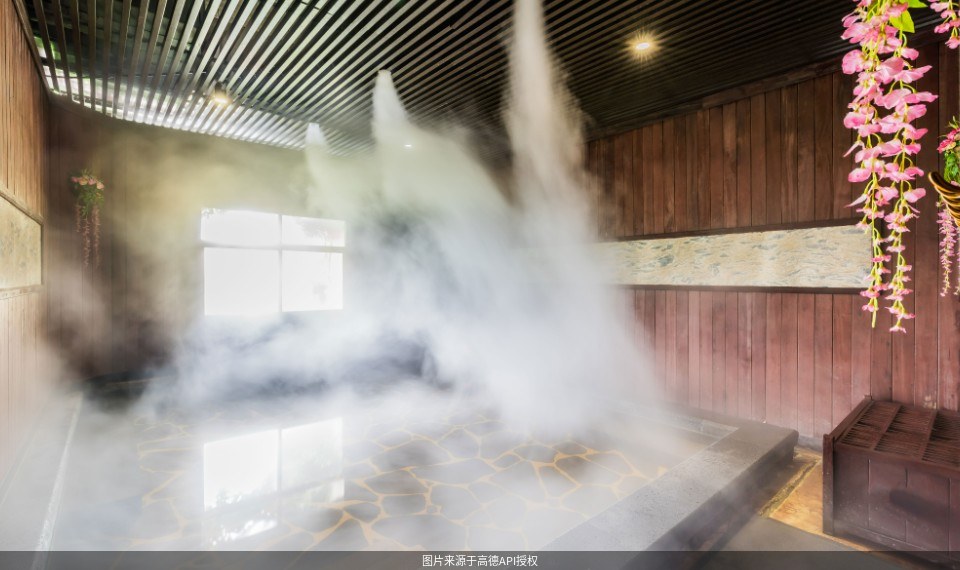
A hot-spring resort near Baishuizhai in Zengcheng, with quality waters and pools set amid mountain scenery. A…
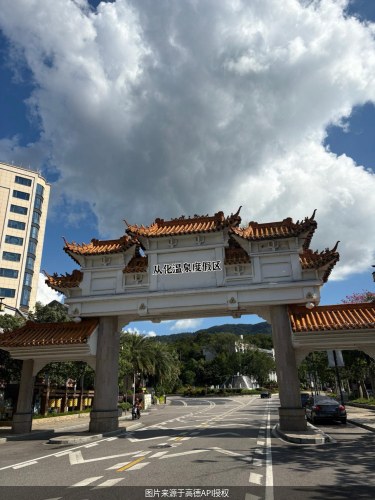
Guangzhou's famed hot-spring resort on the Liuxi River, with mineral-rich radon waters for wellness.…
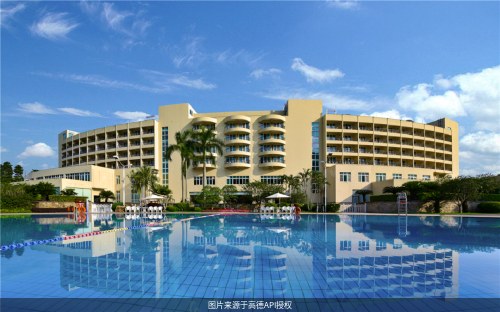
A garden-style resort by the Conghua Liuxi River with serene grounds and abundant natural hot-spring pools. A…
Museums, galleries and workshops still keeping old crafts alive.
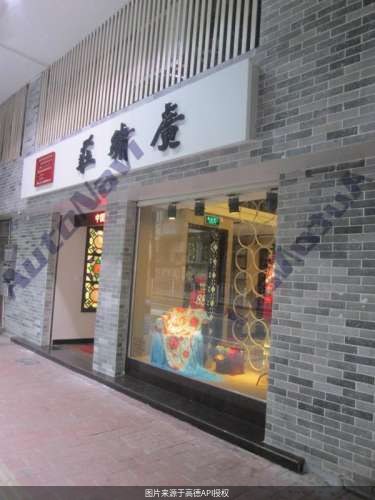
A celebrated branch of Yue embroidery, one of China's four great embroideries, known for full composition…
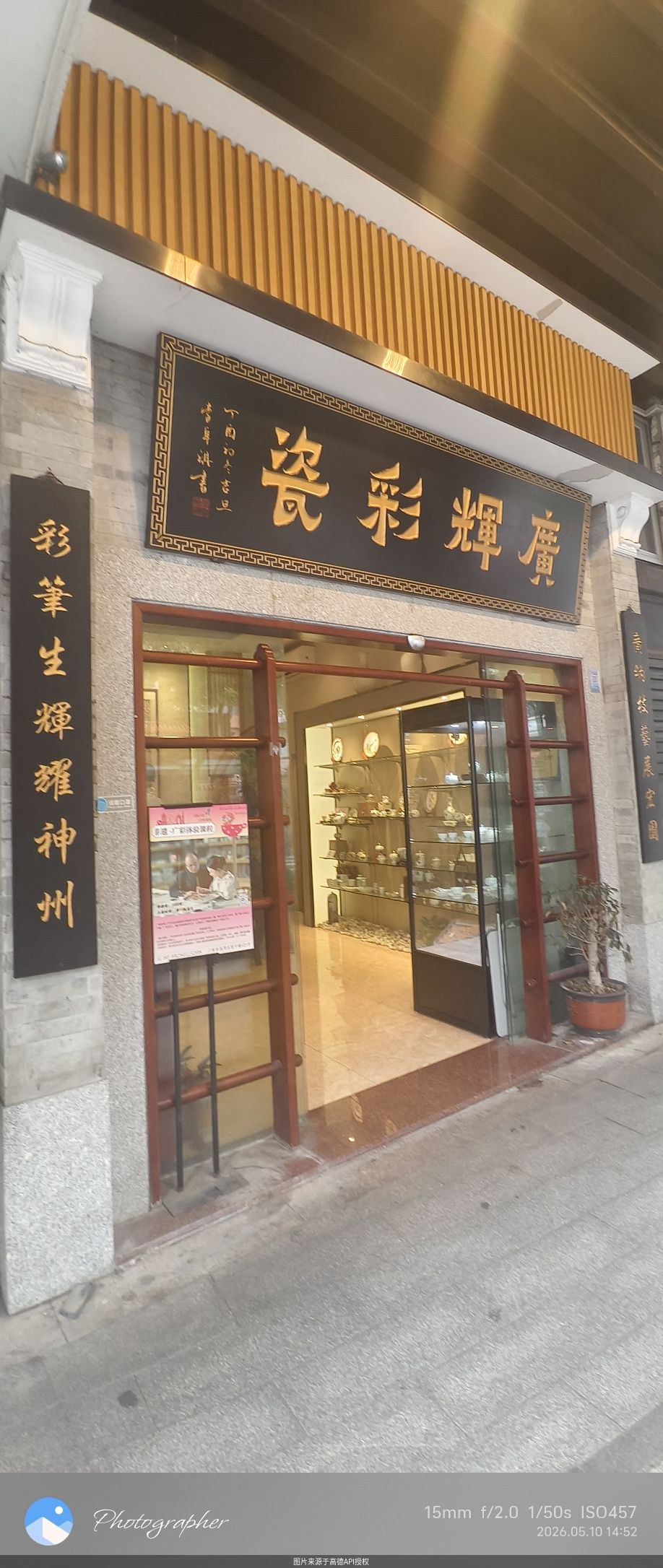
Guangzhou's distinctive porcelain craft, famed for gilded decoration and Western-influenced painting in rich…
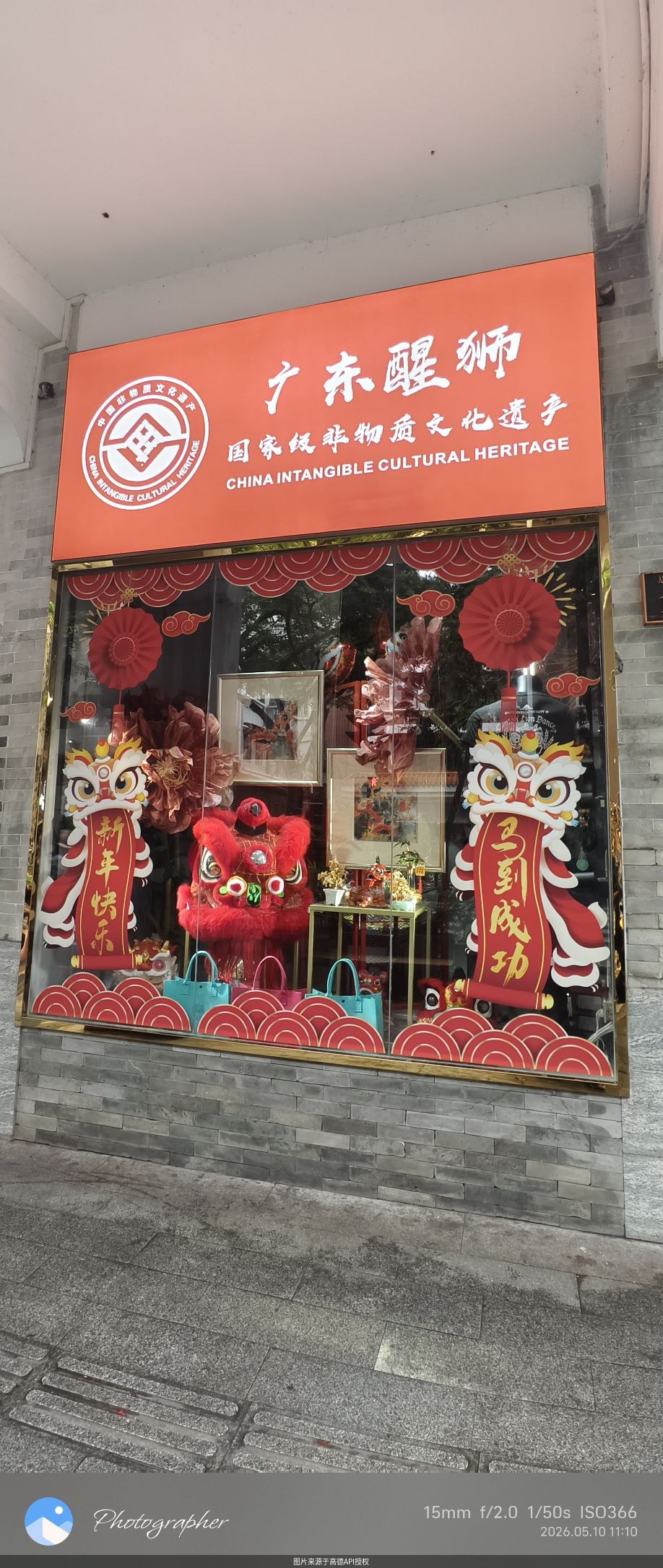
A traditional Lingnan folk art featuring vivid lion heads and vigorous dance, performed at festivals with…
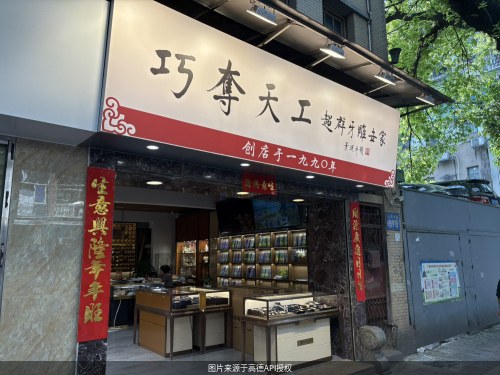
Guangzhou's traditional carving craft, famed for intricate ivory openwork and layered detail, especially the…
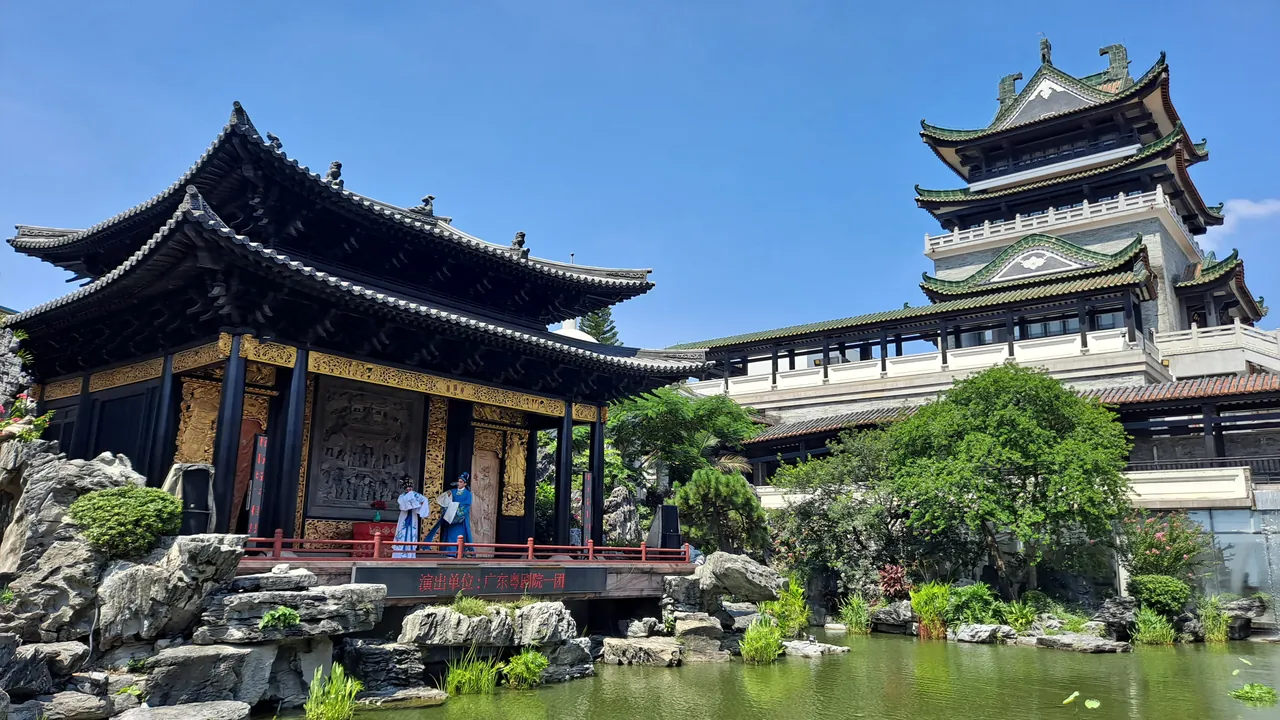
A Lingnan garden built for one art — pavilions around a pond, free opera excerpts at the water's edge.
A treasure box of Lingnan history, from ancient bronzes to Chaozhou woodcarving.
What is on stage after dark.
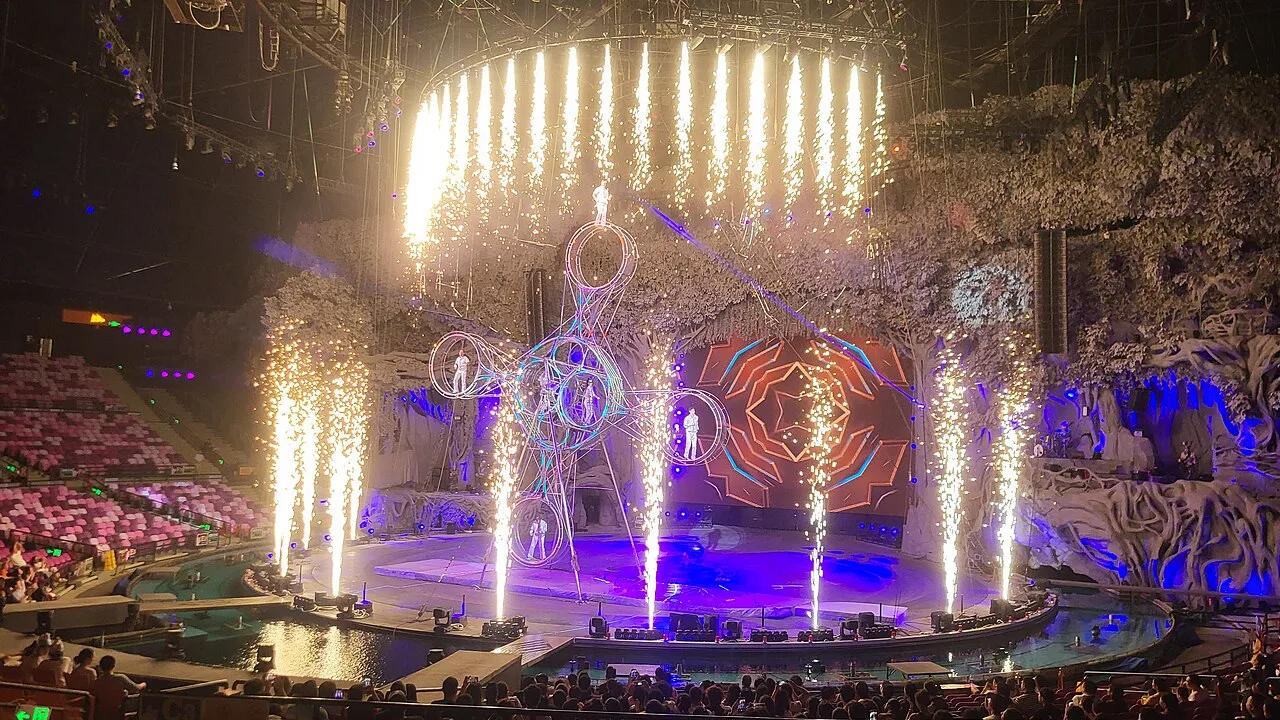
A world-class circus show in the Chimelong resort featuring aerial acrobatics, animal acts and dazzling…
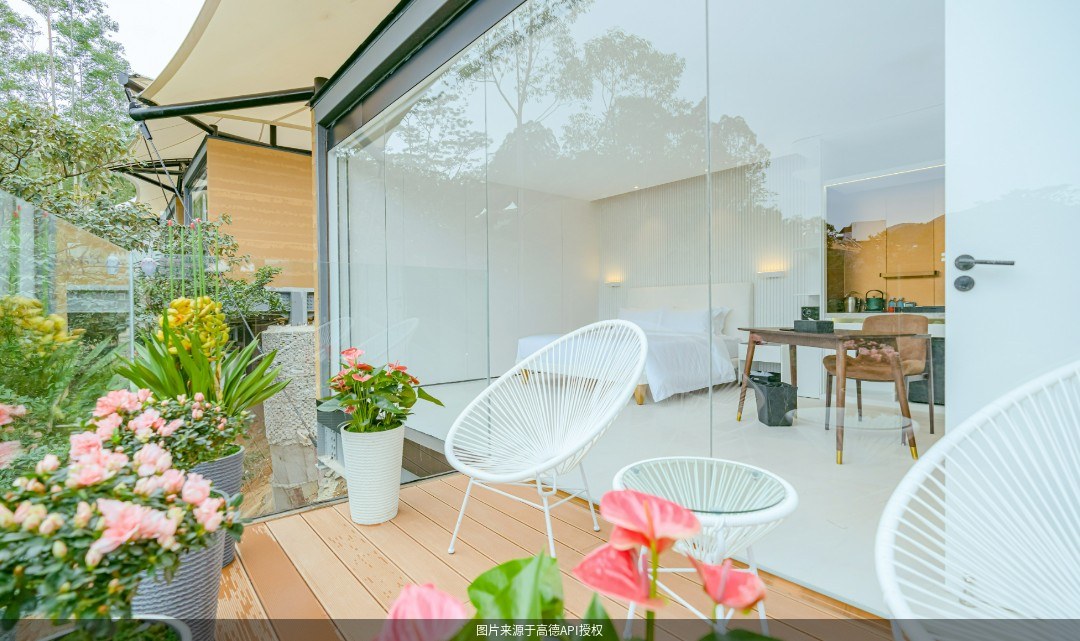
A major Guangdong performing-arts venue staging drama, dance, opera and concerts. With advanced staging and a…
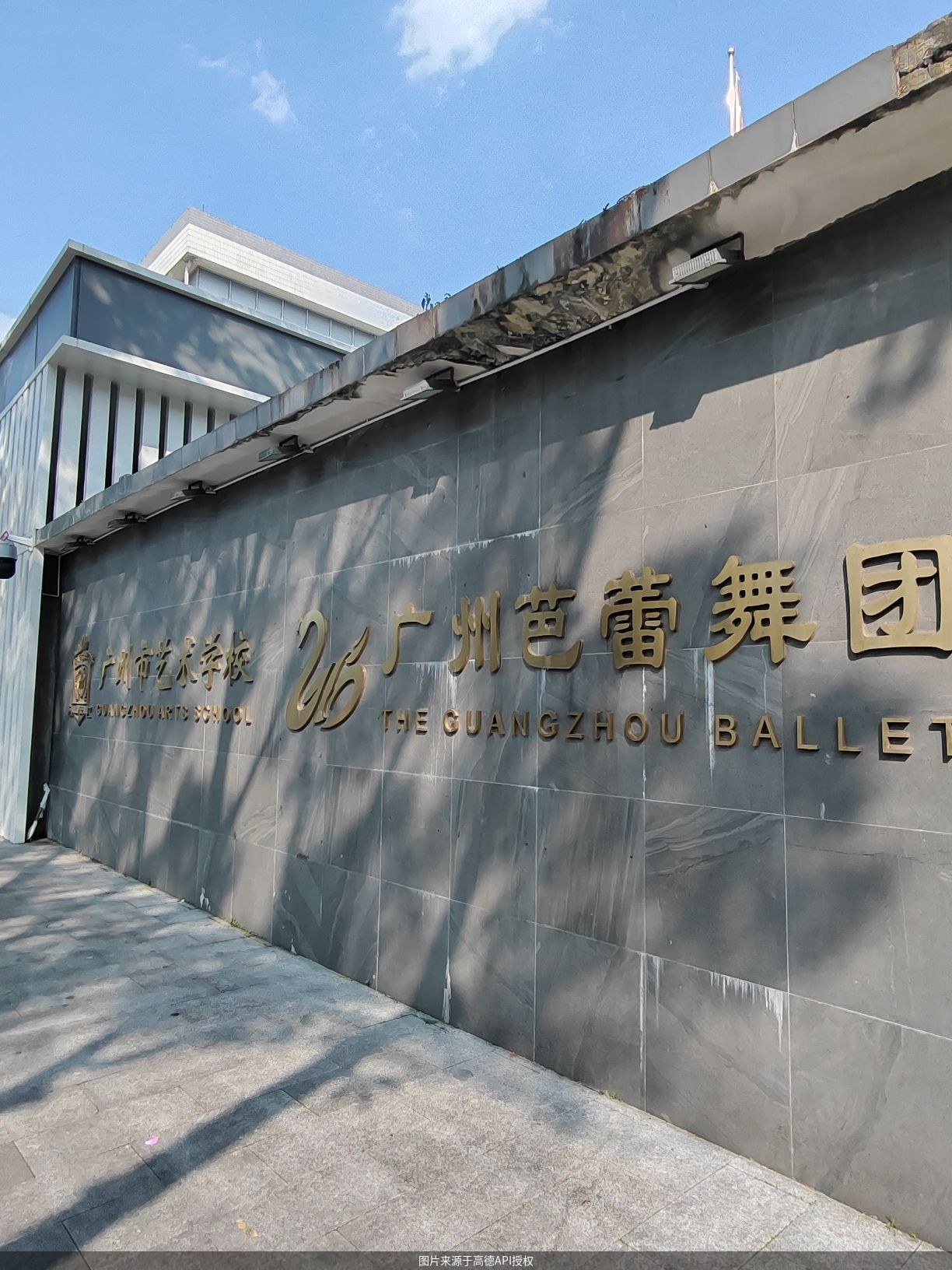
Home of the Guangzhou Ballet, staging classics like Swan Lake and The Nutcracker alongside original works. It…
Where the whole street eats — the city's most famous food streets, each with its own guide page.
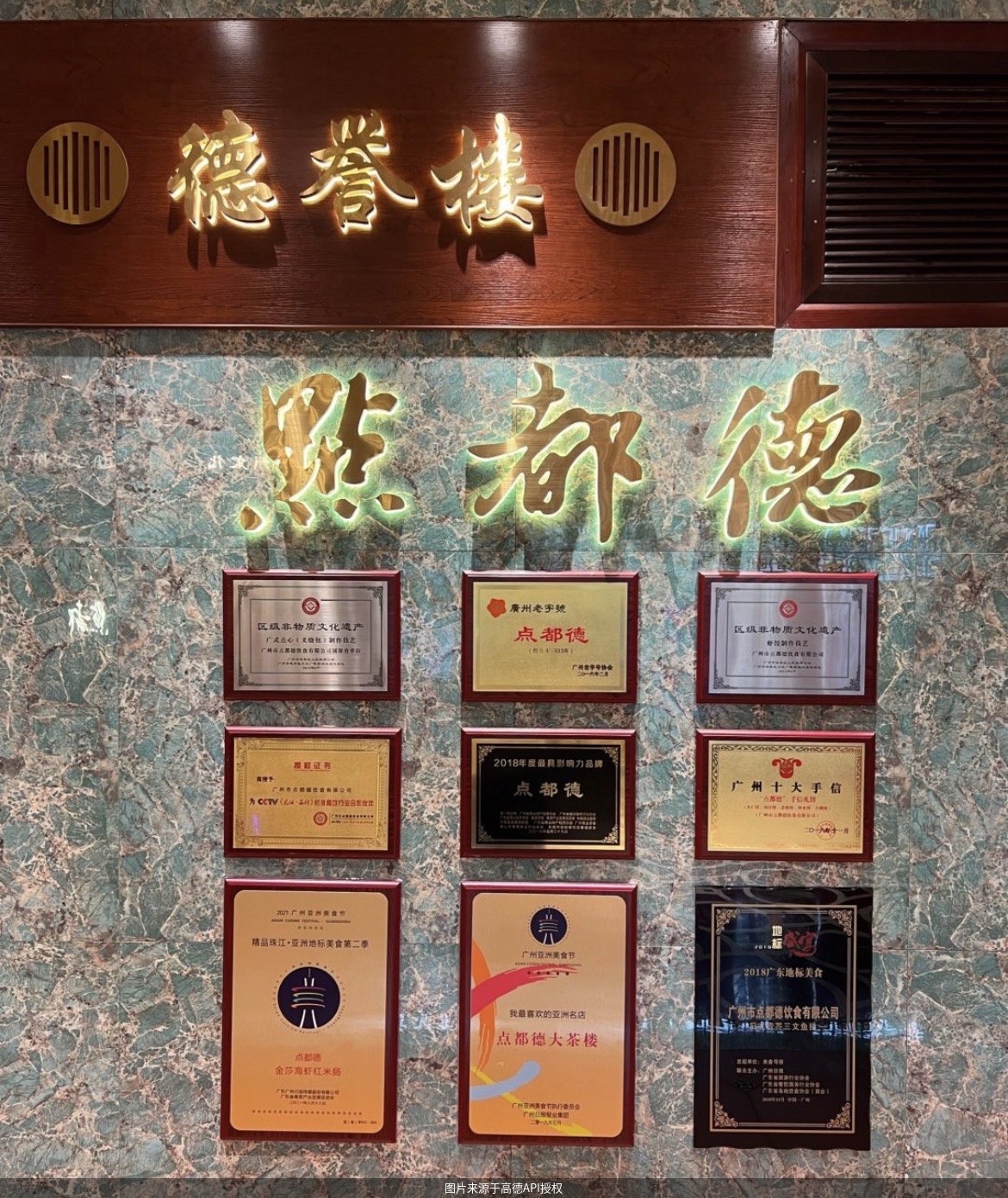
A hugely popular dim-sum teahouse chain serving Cantonese morning tea, known for shrimp dumplings, red rice…
A heritage restaurant founded in 1935, acclaimed as 'the first name in Guangzhou dining', serving both dim…
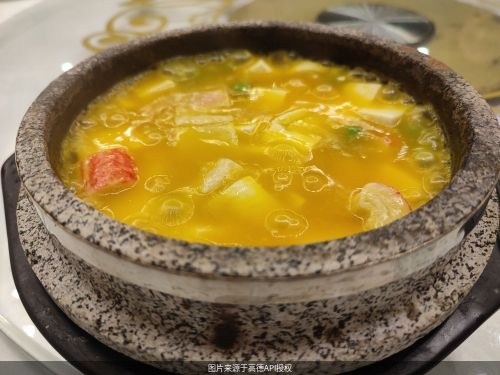
A garden-style restaurant by Liwan Lake, one of Guangzhou's famed classical garden eateries, with pavilions…
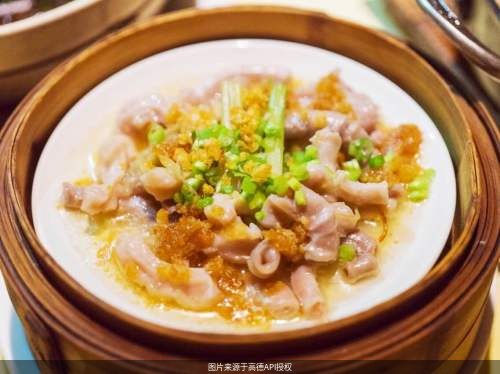
A popular Cantonese restaurant famed for its 'jue jue' clay-pot dishes, sizzling with wok-fired aroma. Its…
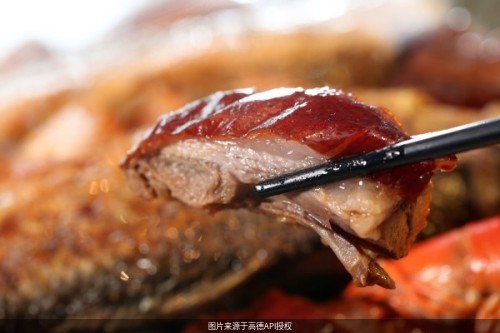
A celebrated Cantonese restaurant group that grew from a humble stall, known for crispy char siu and poached…
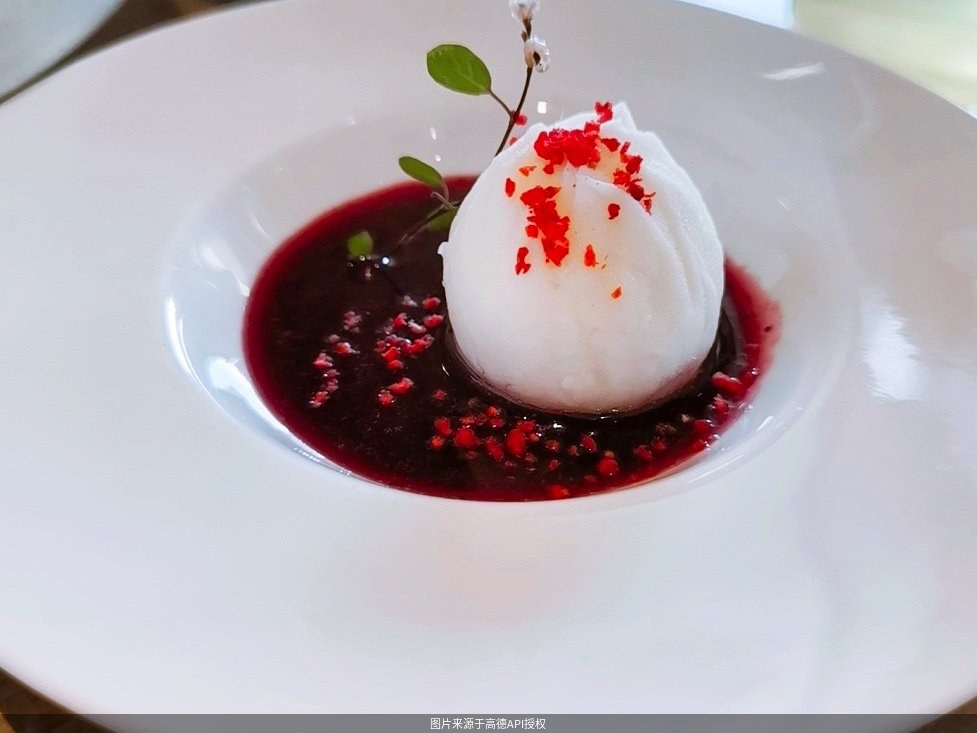
A renowned Cantonese restaurant originating in Hong Kong, celebrated for its soups and refined dishes and…
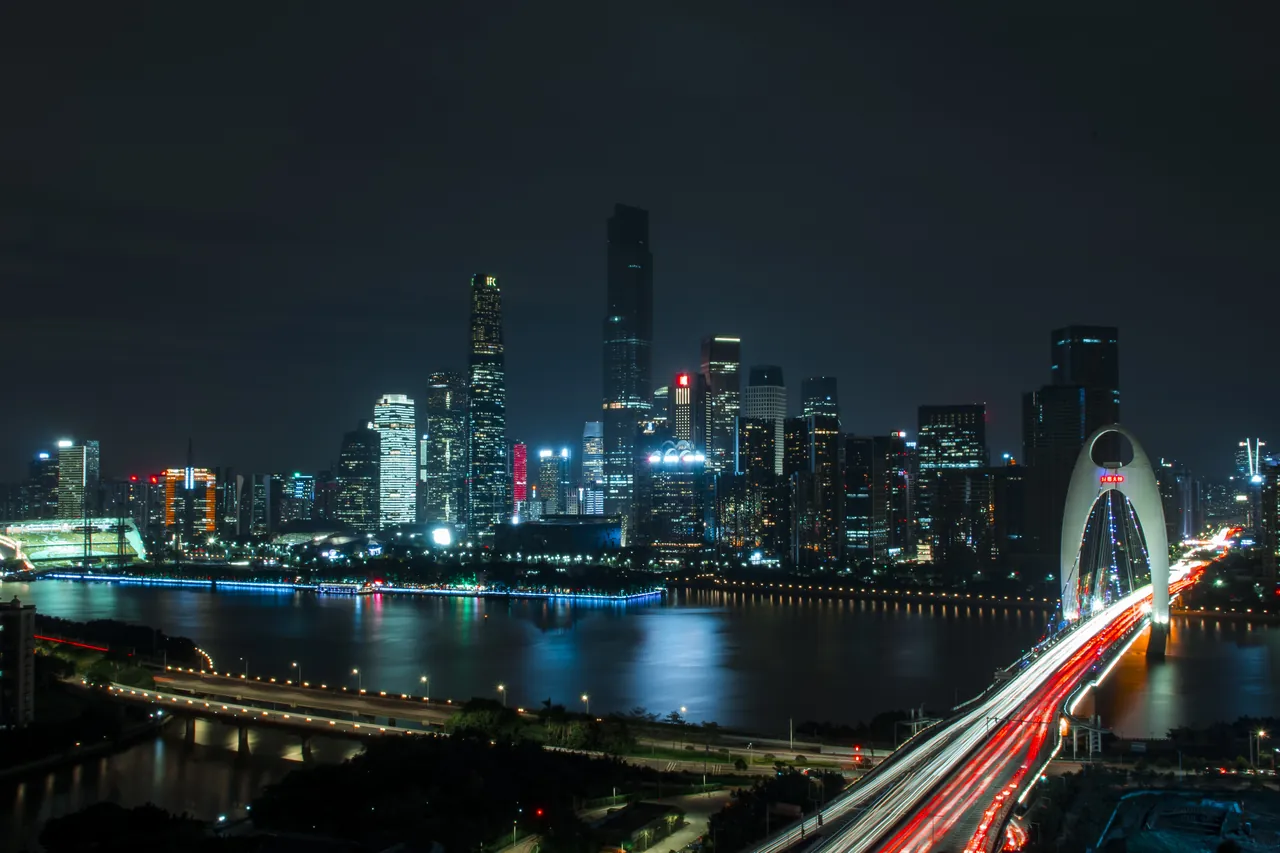
Past the lit Canton Tower and the bridges of the delta.
Wok-fired seafood and claypot rice on the pavement until late.
Restored xiguan lanes with teahouses and small bars.
Double-skin milk and red-bean soup — Cantonese dessert culture.
Guangzhou eats late — the city's real nightlife is a dai pai dong at 11pm, not a club.
Listed sites and the crafts that made this city famous.
A Qing academy (1894) with the finest wood, brick and stone carving in Guangdong.
The tomb of Zhao Mo (122 BC) with 1,000+ relics, including a jade burial suit.
One of China's earliest mosques, founded in the Tang dynasty.
150 colonial-era buildings on a former concession island.
Big-makeup, high-pitched singing and acrobatic martial scenes — UNESCO heritage (2009).
Bold colours and bird-and-flower motifs, one of China's four great embroideries.
Southern lion dance with high poles and drumming — performed at every opening.
Tea with dim sum as a social institution, from morning to afternoon.
Senior licensed guides with 10+ years in the field and fluent English — deep on history, culture and local life.
Experienced licensed guides with clear English — solid on city highlights, food and day-to-day logistics.
Licensed guides with workable English — a good-value choice for city days, transfers and standard commentary.
Chauffeur-driven by the day, plus airport and intercity transfers.
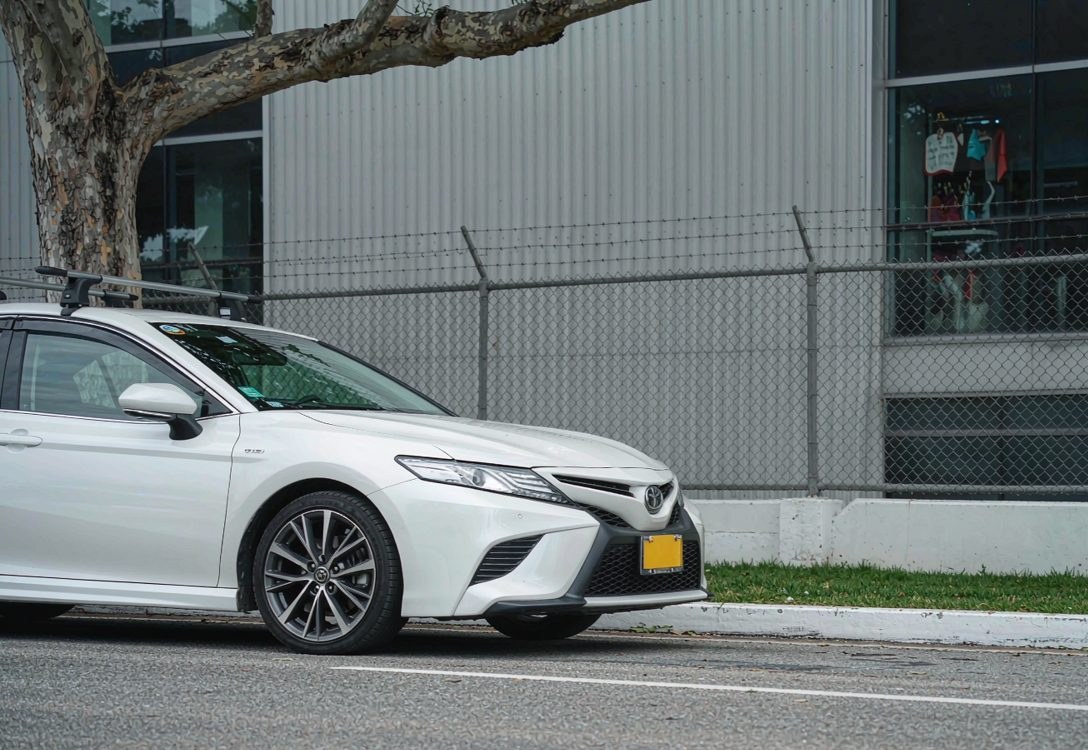
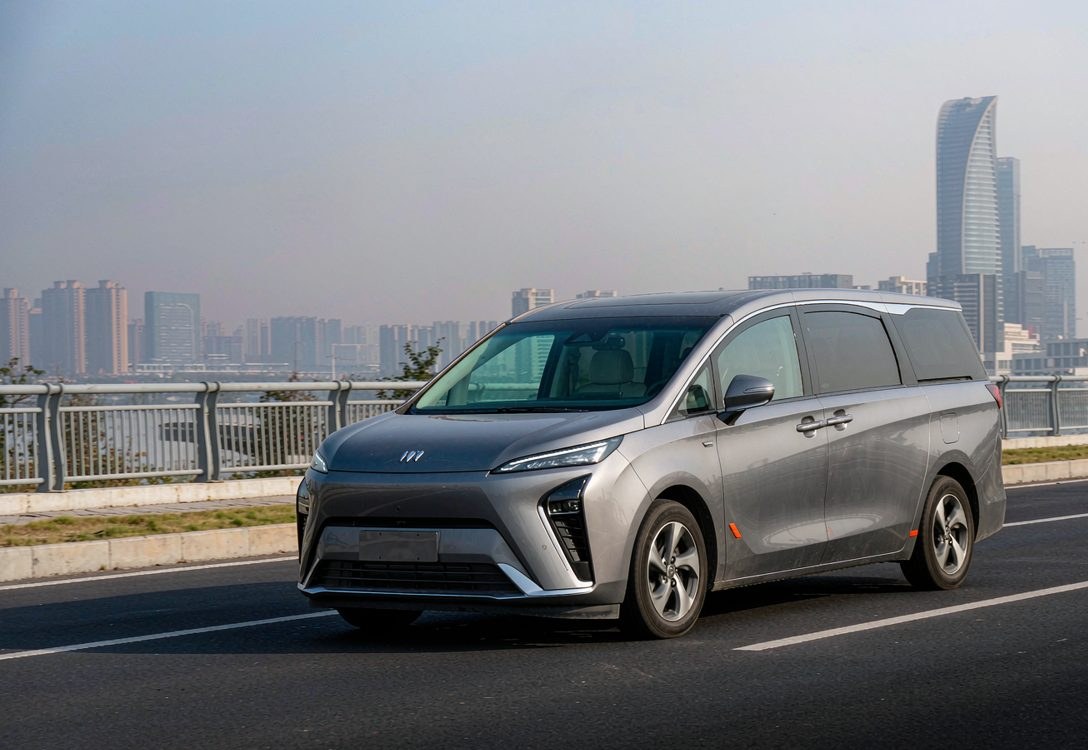
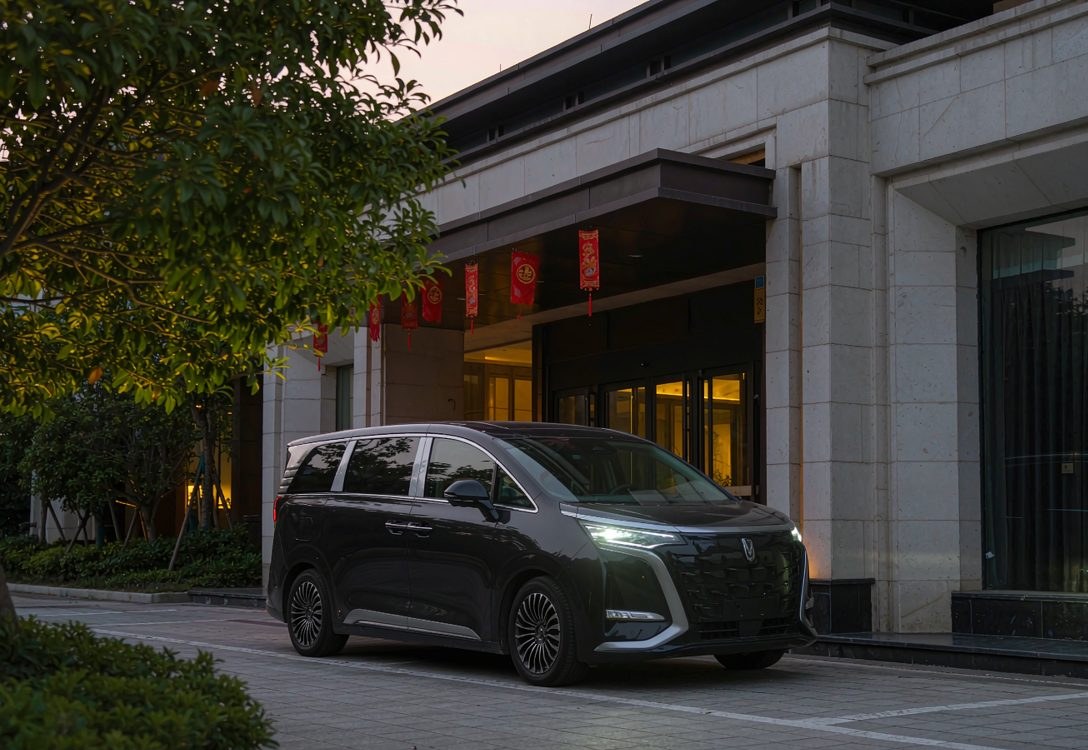
Private chauffeur-driven vehicles, priced per vehicle not per person. Airport transfer from $45; intercity transfer from $180.
A key aviation hub in southern China with multiple terminals and extensive domestic and international routes. Metro, intercity rail and airport buses make it the gateway to Guangzhou and the Greater Bay Area.
A key rail hub in central Tianhe serving Guangzhou-Shenzhen intercity and high-speed trains, linked to Metro Lines 1 and 3. A convenient gateway to the Pearl River Delta.
A newly built mega transport hub integrating high-speed, conventional and intercity rail, with a grand modern station. A rising rail gateway and landmark for Guangzhou.
A major riverside tourist wharf and a main boarding point for Pearl River cruises, near Haiyin Bridge. From here boats set off to enjoy the riverside scenery.
A premium Guangzhou mall gathering international luxury brands, fine dining and cultural spaces in elegant modern design. A landmark for upscale shopping and socializing.
An upscale mall blending art and retail in Zhujiang New Town, pairing exhibitions with brand shopping. Artistic and fashionable, it is a landmark for trendy consumption.
A fashionable mall on Tianhe Road with trendy brands, dining and offices, next to Taikoo Hui. Youthful and energetic, it is a popular shopping destination.

10 guides split by trip length: one-day city routes, three-day escapes and longer journeys, with stops, costs and transport in each.
Morning with the Five Rams at Yuexiu, midday reading Lingnan brick carving at the Chen C
Three DaysThree Days of Guangzhou Nature: Baiyun Mountain, City Wetlands and Conghua Hot SpringsDay one climbs Baiyun Mountain for the city panorama, day two dives into the national bo
Multi-DayFive Days in Guangzhou: The Full Puzzle of Old Town, New Axis and Baiyun MountainTwo days exhaust the old town's axis and Xiguan, one day across the river for modern his
Real routes, real travellers — a sense of what a trip looks like.
Most travellers spend 3 days here. Add a day for a side trip if you want a slower pace.
Spring and autumn are usually the most comfortable. Check the seasonal notes above before booking.
We arrange airport/rail transfers and private drivers. Tell us your arrival point and we plan the connection.
Send an enquiry and a human expert replies within 12 hours with a draft plan and real prices. Flexible rescheduling; clear cancellation terms in your quote.
2-day private itineraries in Guangzhou start from $560 per person, two travelling together. Your proposal itemises hotels, tickets, guide and car — no hidden fees.
From 6am at traditional teahouses, and all day at larger restaurants. Weekend mornings are busiest — arrive before 9am or after 1pm.
Yes — high-speed rail reaches Hong Kong West Kowloon in under an hour and Macau via Zhuhai in about an hour.
Roast goose, char siu, har gow and shumai, claypot rice, and double-skin milk for dessert.
Recent listed prices: Chen Clan Ancestral Hall ¥10; Shamian Island free; Canton Tower ¥150; Chimelong Tourist Resort ¥350; Baiyun Mountain ¥5. Ticket prices change seasonally — we confirm them in your quote.