 TripMyChinaJOURNEYS THROUGH REAL CHINA✦ AI Trip✦ Plan My Trip
English
简体中文
繁體中文
日本語
한국어
ไทย
Tiếng Việt
Bahasa Indonesia
Italiano
Español
العربية
Русский
Deutsch
Français
Bahasa Malaysia
TripMyChinaJOURNEYS THROUGH REAL CHINA✦ AI Trip✦ Plan My TripOdd-shaped pines, grotesque rocks, seas of clouds, hot springs — after returning from Huangshan, no other mountain is worth seeing; a world-famous mountain where every step reveals a new view.
Huangshan City sits in the mountainous south of Anhui Province, in eastern China, and is named after the Huangshan massif that dominates its landscape. It is a prefecture-level city whose main urban area, Tunxi, serves as the transport and accommodation base for trips into the surrounding mountains and old villages.
The region has a long history of settlement and trade, and its villages grew wealthy on merchant families who built the white-walled, dark-tiled houses and ancestral halls still standing today. The city's character comes from the contrast between rugged granite peaks and the carefully ordered courtyards and waterways of the villages below.
Most visitors come for the granite scenery of Huangshan Scenic Area, with its pine-covered ridges and cloud-filled valleys, and for the nearby villages of Hongcun and Xidi, both noted for their Ming- and Qing-era architecture. Tunxi Old Street offers an easy urban walk, while Huashan Mysterious Grottoes, Qiyun Mountain, Feicui Valley and Tangmo can fill out a longer stay.
Huangshan Scenic Area covers approximately 160.6 square kilometers, with a core area of 154 square kilometers. It is a UNESCO World Heritage Site and a Global Geopark. The scenic area is managed by the Huangshan Scenic Area Management Committee and does not have traditional districts; it is divided into zones such as the Hot Spring, Cloud Valley, Pine Valley, and West Sea. The permanent population is minimal, with only service staff and residents in nearby villages.
World-class, national and global recognition earned over the decades.
Inscribed in 1990 for its granite peaks, pines and cloud seas — the landscape that shaped Chinese ink painting.
Two Ming-Qing Huizhou villages inscribed in 2000 for their feng-shui layout and carved houses.
From the 17th century, painters made Huangshan the central subject of Chinese landscape art.
Huangshan City (historic Huizhou) was named in the third batch in 1994.
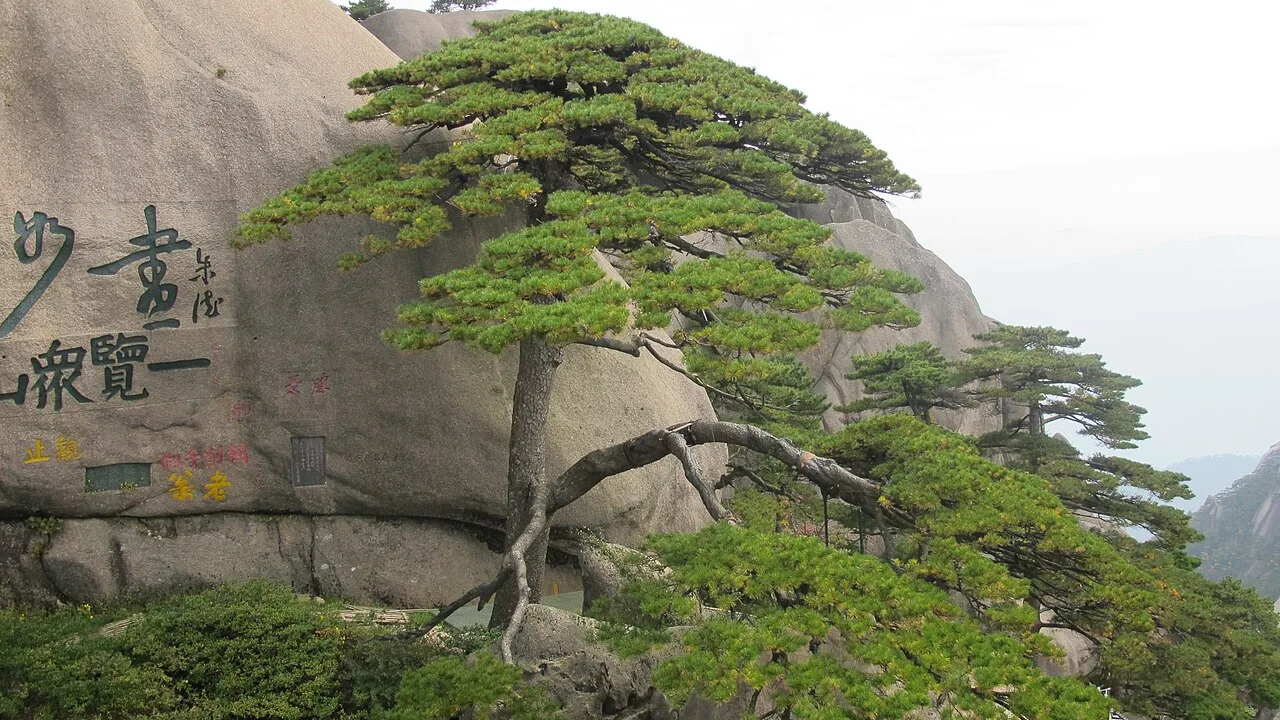
A 1,000-year-old pine on Jade Screen Peak, the symbol of the mountain.

The moments that shaped the city — and the stories its people still tell.
Emperor Xuanzong renamed Yishan to Huangshan after the Yellow Emperor, said to have cultivated immortality here.
Painters such as Shitao and Mei Qing made the mountain the centre of Chinese landscape painting.
Huizhou merchants funded the region's schools, bridges and ancestral halls.
Huangshan was inscribed as a mixed cultural-natural site.
The two villages joined the World Heritage list.
The Guest-Greeting Pine has welcomed travellers for a thousand years, with a dedicated keeper watching over it since 1981.
Legend says the clouds are the breath of a dragon sleeping beneath the peaks.
Three paces, one city — every route built from places we actually operate.
Weather, crowds and the best months for what you want to see.
Mild with frequent cloud seas — the most atmospheric season.
Clear skies and fewer crowds — the best visibility.
Warm and busy, with afternoon storms.
Snow and rime ice on the pines — spectacular and empty.
What this city is known for — the things worth planning your day around.
The places worth building a day around.
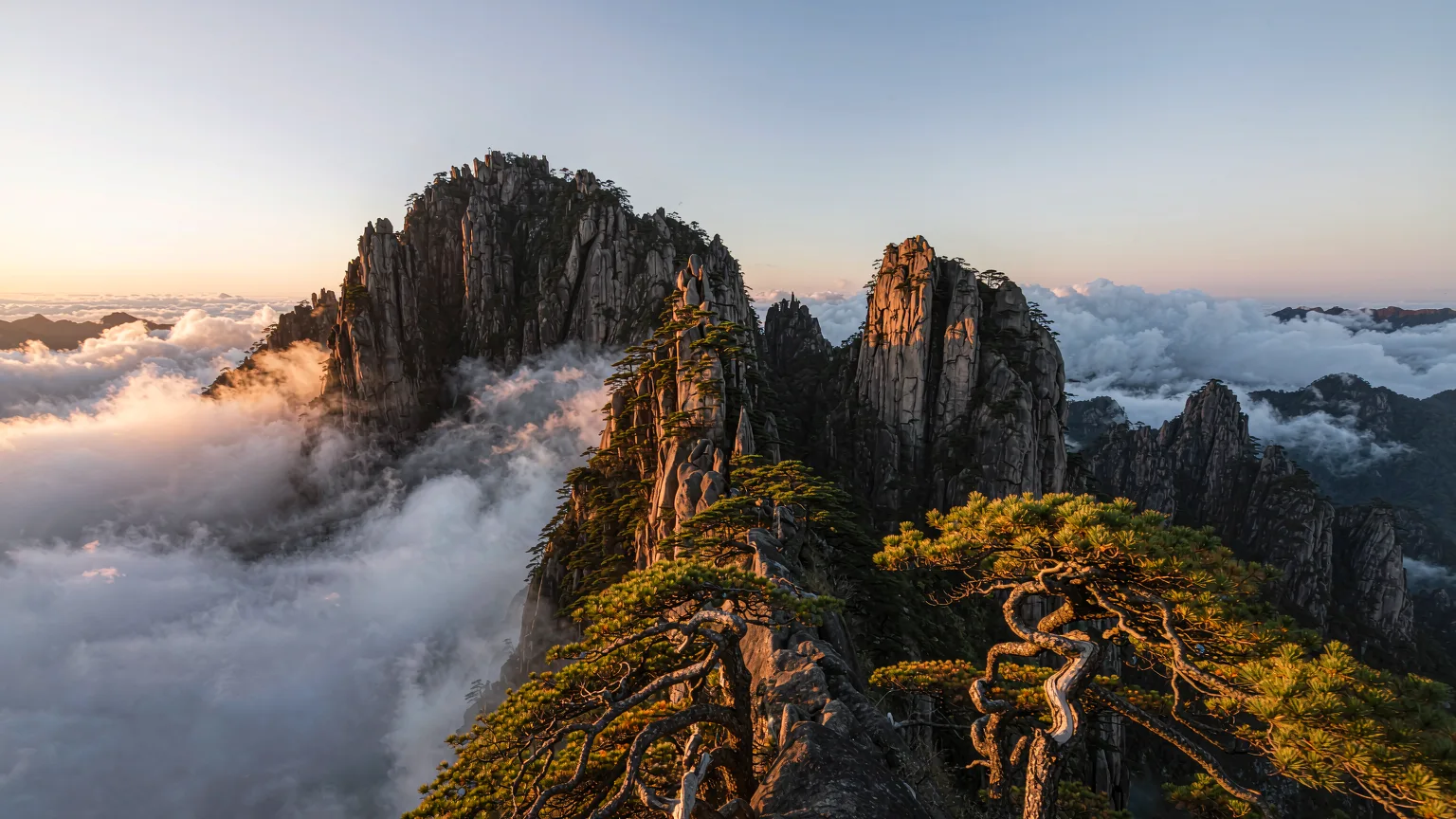
Granite peaks between 1,600 and 1,864 metres, 400 kilometres of stone paths, and a cable car system that takes you to 1,600 metres in eight minutes. T
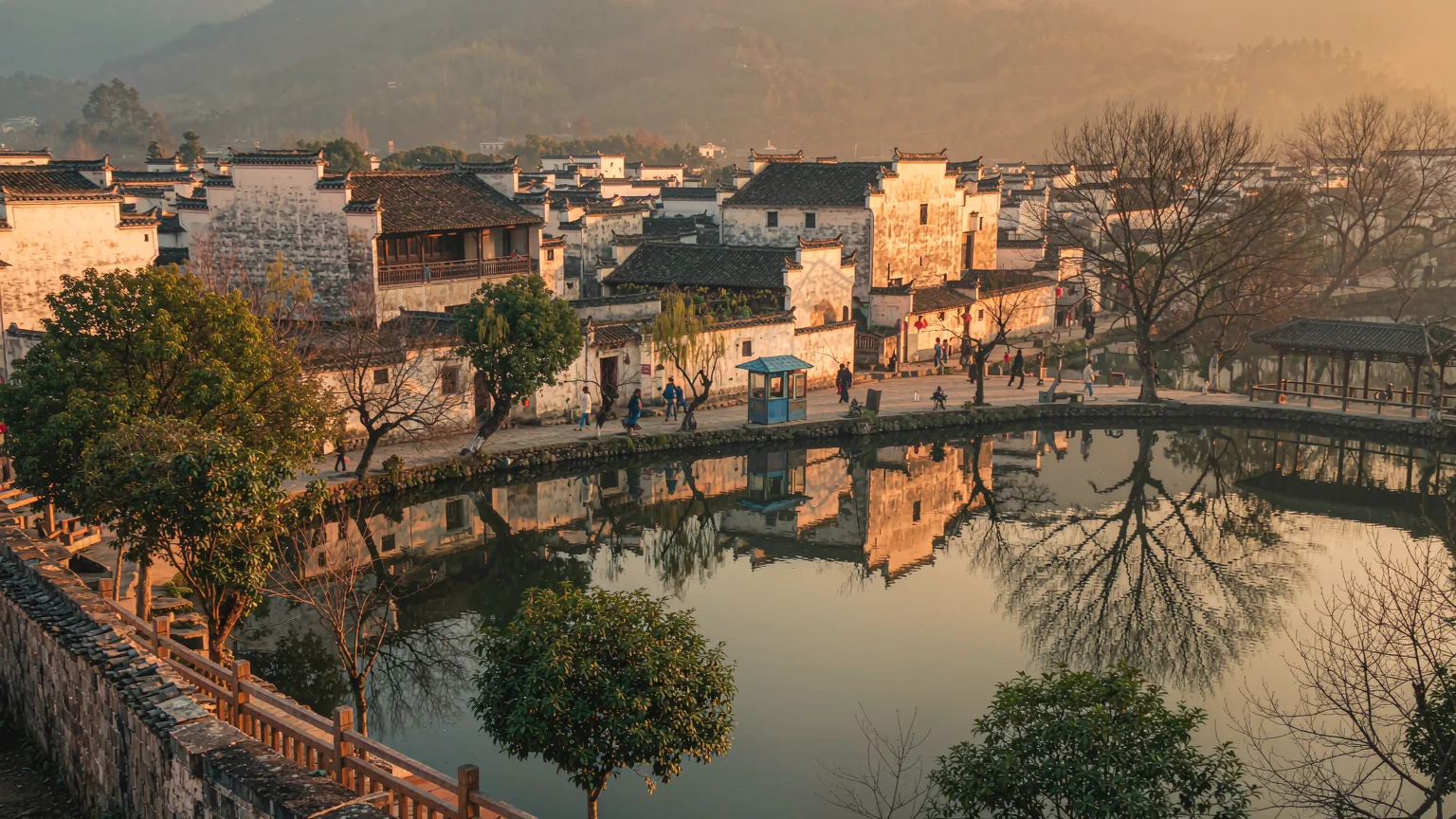
A Wang family village laid out in 1131 around a water system that still works: a moon-shaped pond in the centre, a larger lake at the south gate, and
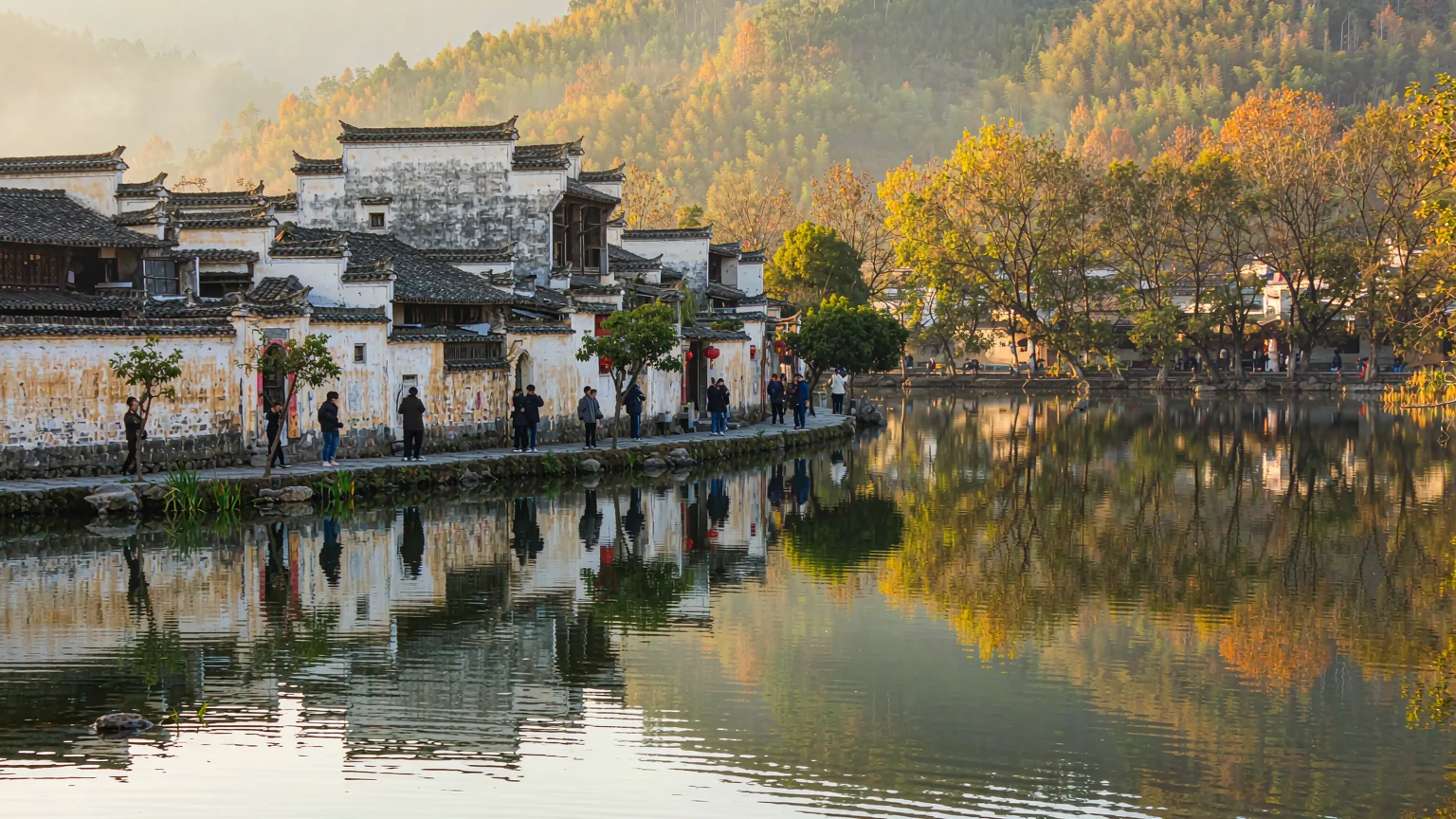
A Hu family village founded in 1047, with 224 Ming and Qing houses and one stone archway from 1578 standing at the entrance. It is quieter than Hongcu
A little further out, for a spare half-day.
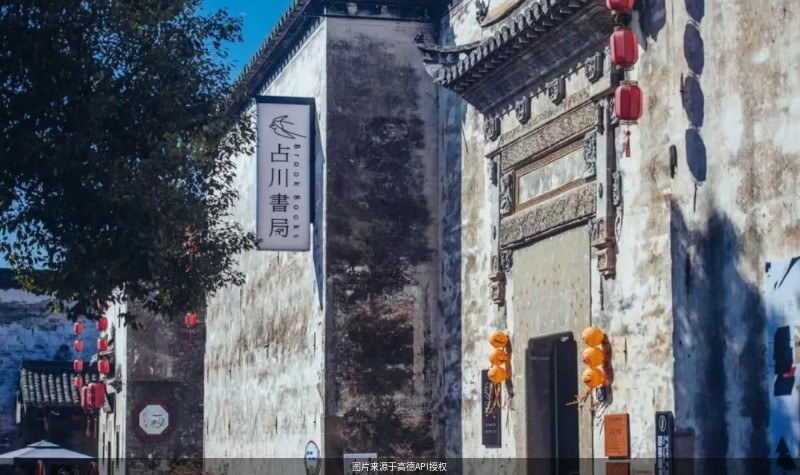
A revitalised Hui-style block in Tunxi's Liyang Old Street. White walls and dark tiles mingle with trendy…
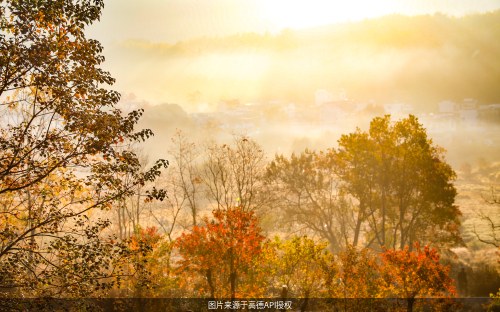
A forest park in Tachuan Village, Yixian County, famed for autumn colours ranked among China's top three.…
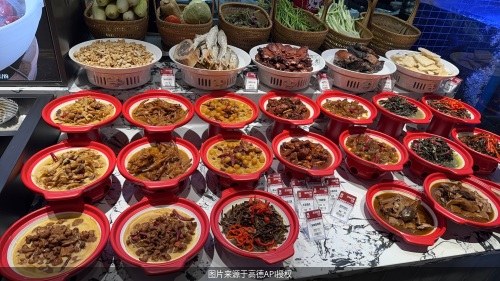
A new night food street beside Chengxu Avenue in Shexian. Barbecue, crayfish and Huizhou snacks line the…
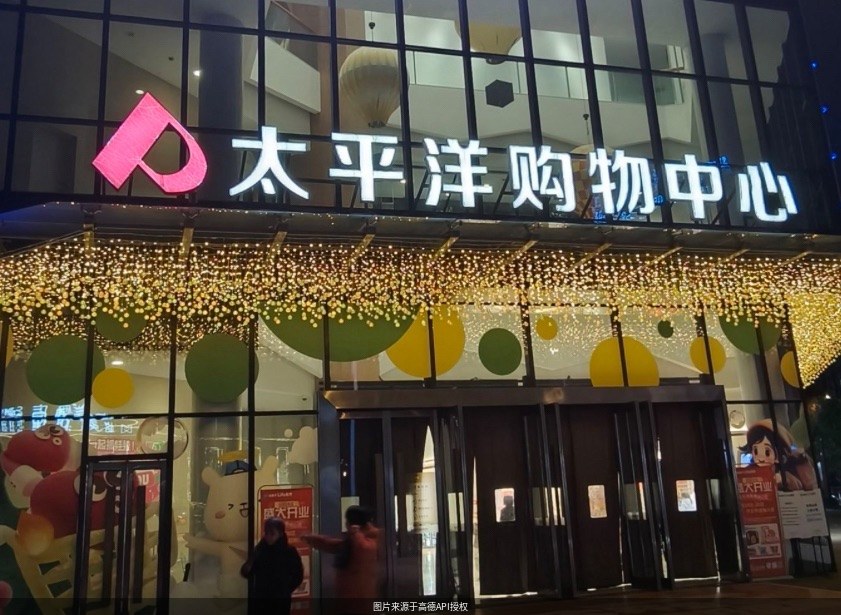
A comprehensive mall on Xihai Road, Tunxi, combining brand retail, dining and a cinema. Its diverse stores…
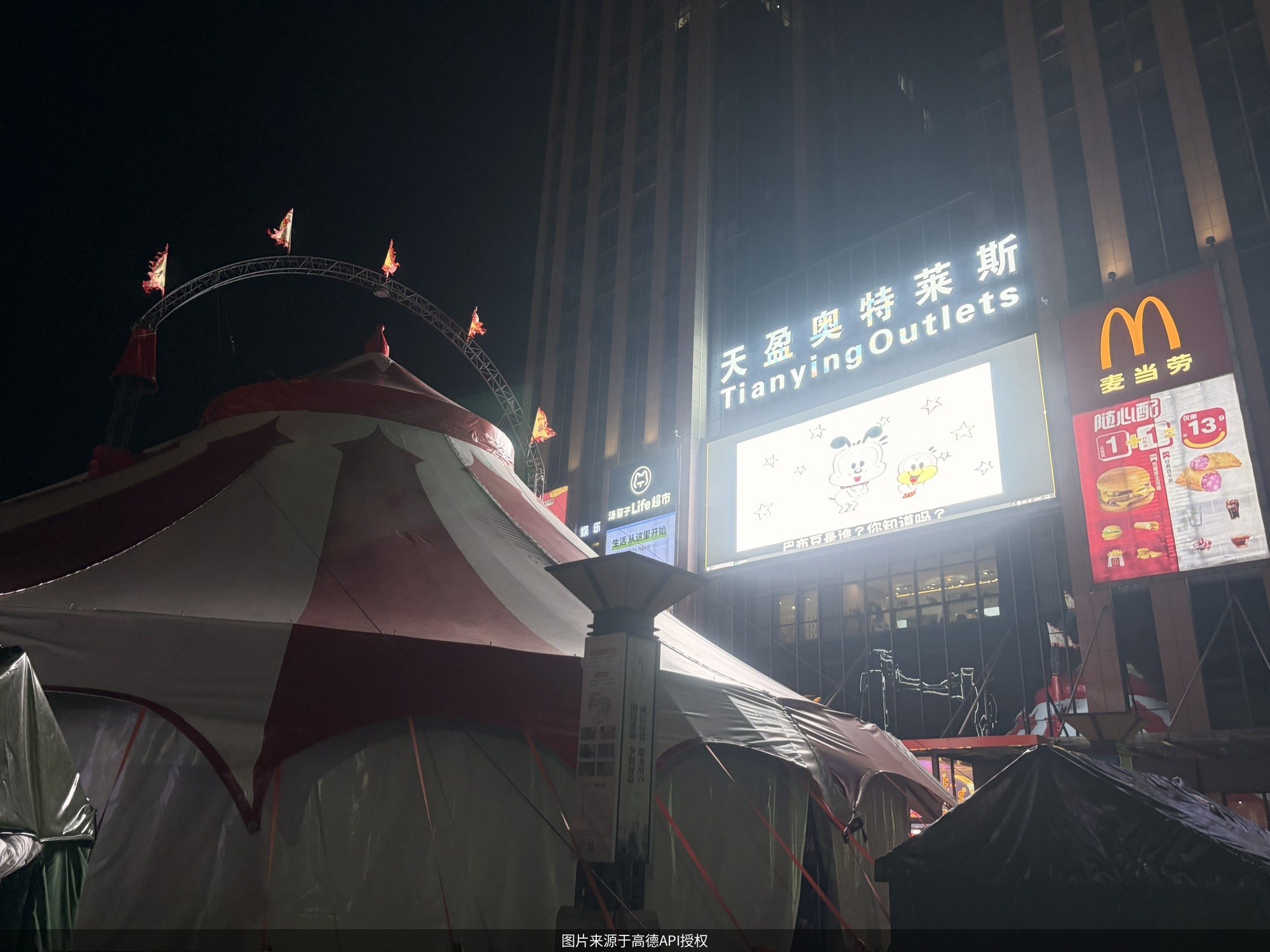
An outlet mall on Tanguang Avenue, Tunxi. It gathers domestic and international brand discount stores across…
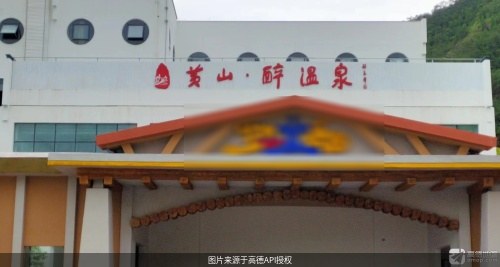
A leisure venue on Huashan Road in the Drunk Hot Spring Resort, combining open-air hot springs with a water…
Museums, galleries and workshops still keeping old crafts alive.
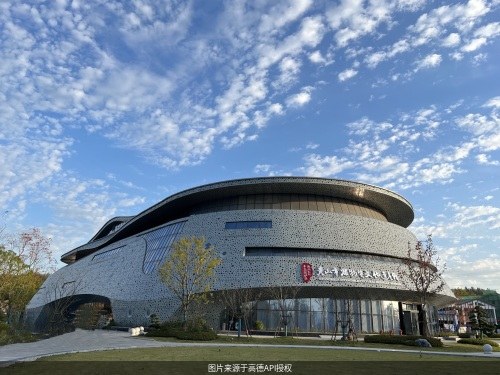
A museum in the Huiyi Intangible Heritage Park showcasing Huizhou's living heritage. Hui ink, She inkstones…
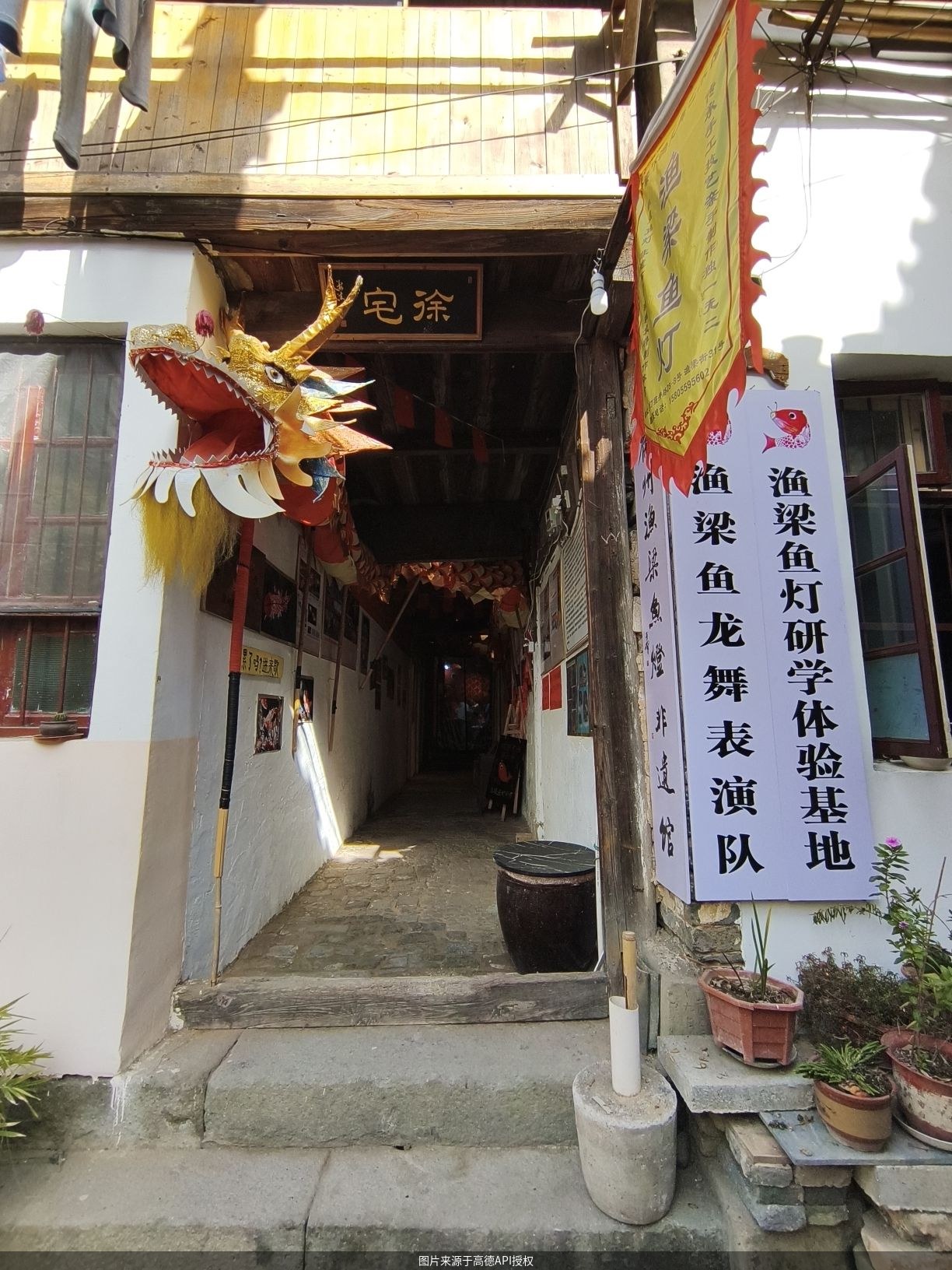
A hall on Yuliang Street built around the local fish-lantern craft. Visitors watch artisans frame and paint…
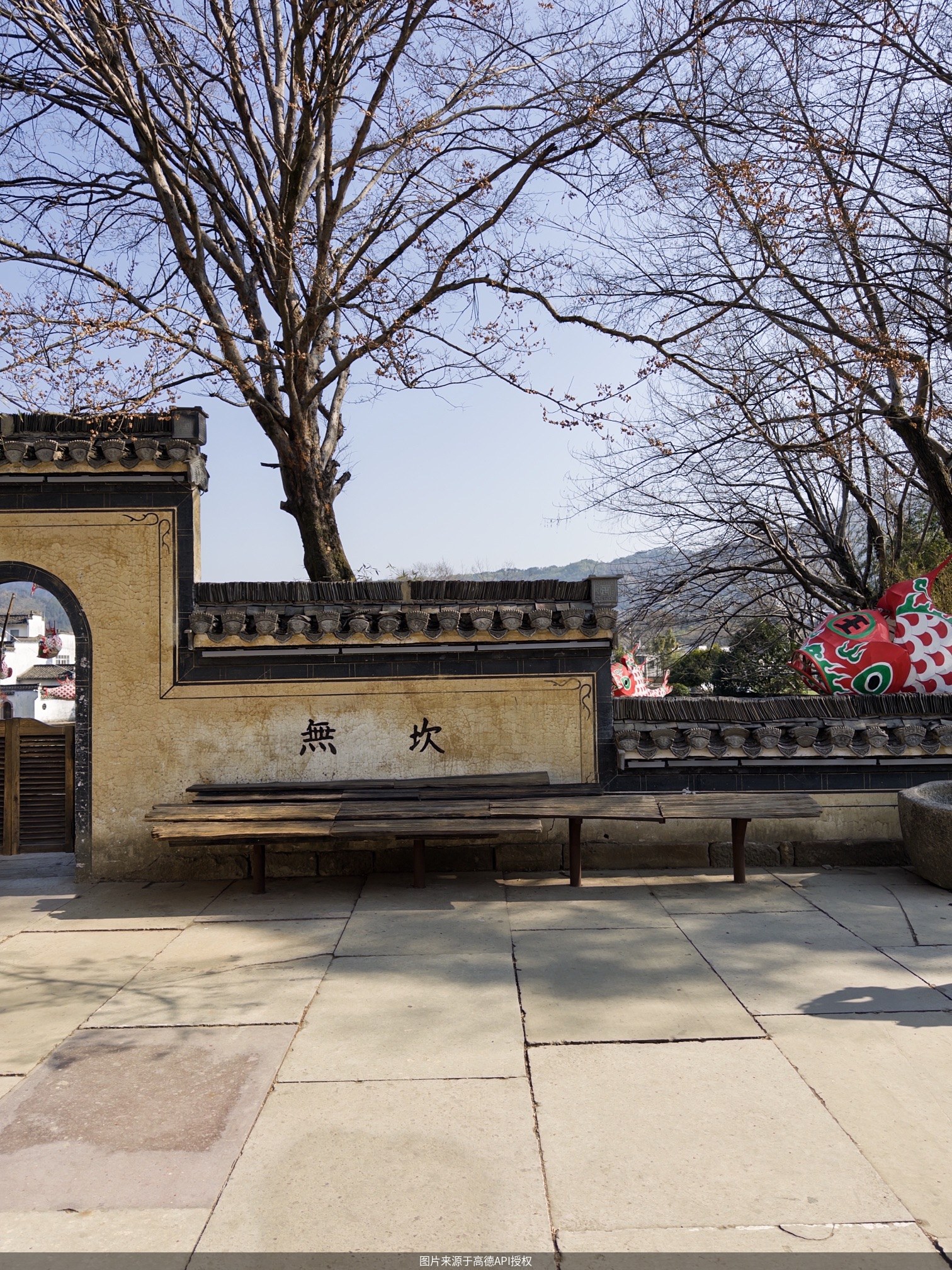
A studio in Chengkan founded by Wang Jinsheng, a provincial inheritor of Huizhou woodcarving. It displays his…
Where the whole street eats — the city's most famous food streets, each with its own guide page.
A Hui-cuisine eatery near Tunxi Old Street serving honest home-style dishes. Its stinky mandarin fish, hairy…
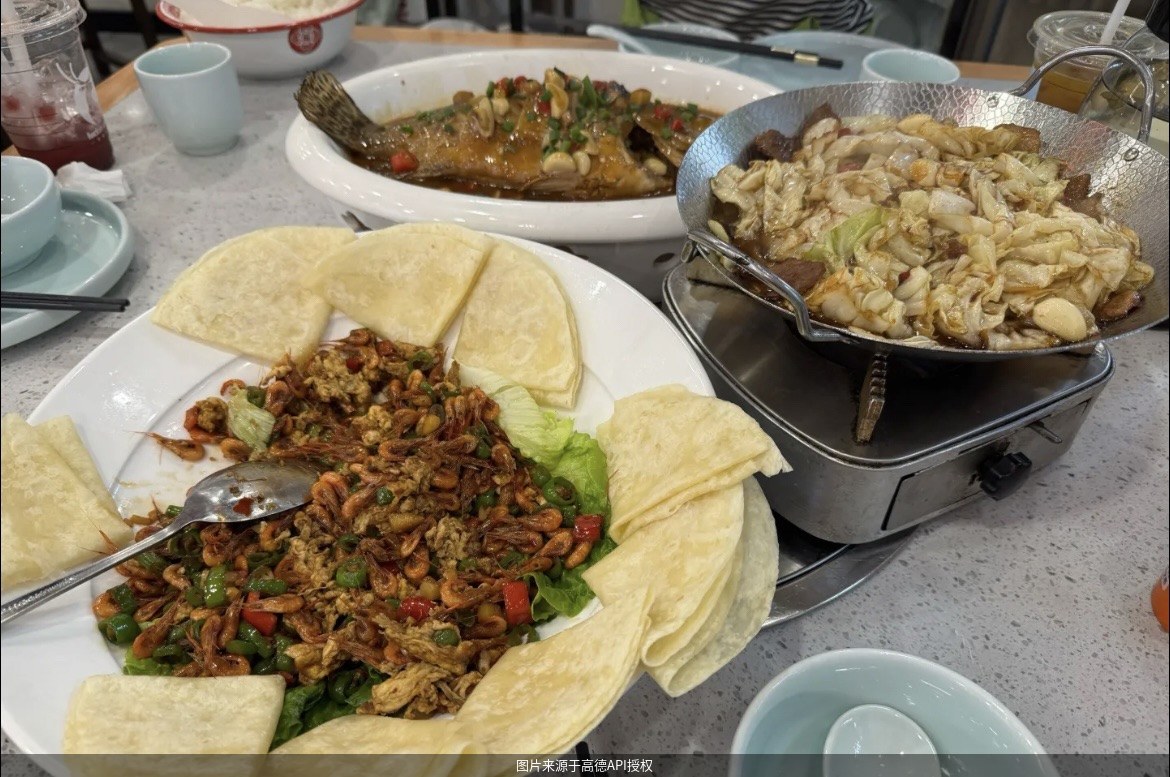
A banquet restaurant on Tiandu Avenue known for inventive Hui cuisine. It reinterprets classics like stinky…
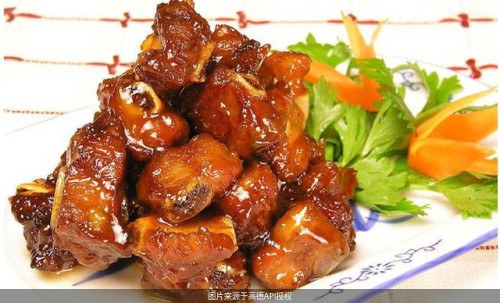
A long-established Hui-cuisine restaurant at the entrance to Tunxi Old Street. Its carefully prepared…
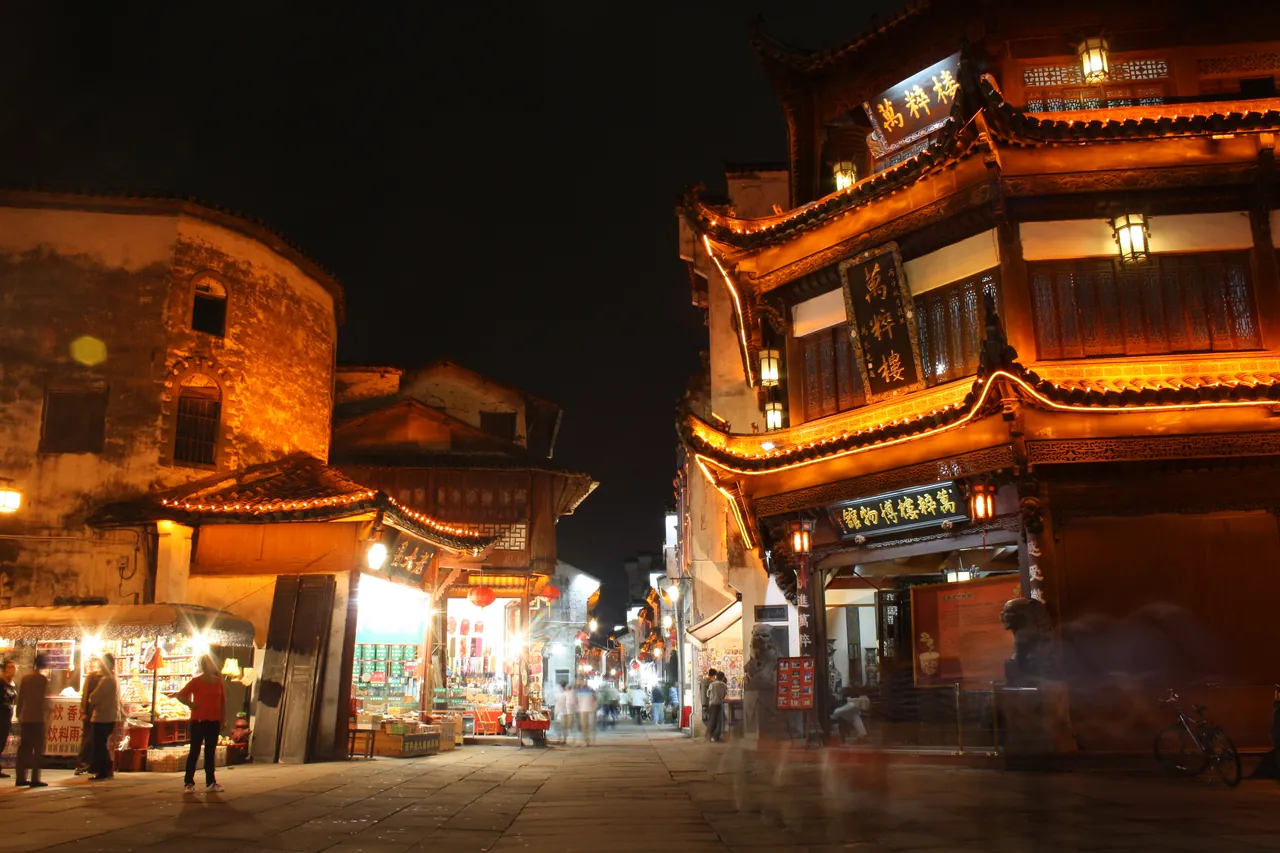
Basic but the only way to see sunrise easily.
At 1,800 m the night sky is very clear.
Simple hotpot and rice, carried up by porters.
Stay on the summit for sunrise — nights are cold, quiet and full of stars.
Listed sites and the crafts that made this city famous.
Granite peaks, pines and cloud seas, inscribed in 1990.
A Ming-Qing village laid out as an ox, with the Moon Pond as its stomach (2000).
White walls, black tiles, horse-head gables and carved beams.
Pine-soot ink and carved stone inkstones — a scholar's essentials.
Senior licensed guides with 10+ years in the field and fluent English — deep on history, culture and local life.

Experienced licensed guides with clear English — solid on city highlights, food and day-to-day logistics.
Licensed guides with workable English — a good-value choice for city days, transfers and standard commentary.
Chauffeur-driven by the day, plus airport and intercity transfers.



Private chauffeur-driven vehicles, priced per vehicle not per person. Airport transfer from $45; intercity transfer from $180.
The only civil airport in southern Anhui, in Yiqi Town, Tunxi. It serves domestic routes to Beijing, Shanghai, Guangzhou and Shenzhen, acting as the key air gateway to Huangshan and the region.
A major high-speed rail hub in Xintan Town, Huizhou District, where the Hefei-Fuzhou, Hangzhou-Huangshan and Chizhou-Huangshan lines meet. Trains link to Hefei, Hangzhou, Shanghai and Beijing.
The main long-distance coach terminal on Qiyun Avenue, Tunxi. Buses to surrounding counties and cities depart here, next to the railway station, serving as a key road transport hub for Huangshan.
A comprehensive mall on Xihai Road, Tunxi, combining brand retail, dining and a cinema. Its diverse stores and steady footfall make it a main shopping destination for the city.
An outlet mall on Tanguang Avenue, Tunxi. It gathers domestic and international brand discount stores across apparel, footwear and sportswear, offering value shopping for locals and visitors.

10 guides split by trip length: one-day city routes, three-day escapes and longer journeys, with stops, costs and transport in each.
Ride the Yuping cableway up at opening, stand on Brightness Summit at noon, drop into th
Three DaysThree Nature Days in Huangshan: Peaks, Canyons and a Red-Rock Second MountainTraverse Huangshan's main ridge front to back, wade Emerald Valley after descending, the
Multi-DayThe Five-Day Huangshan Classic: Mountain, Villages and City in One SweepTwo days on the mountain, two in the Anhui-south villages, one in Tunxi to close: the co
Real routes, real travellers — a sense of what a trip looks like.
Most travellers spend 3 days here. Add a day for a side trip if you want a slower pace.
Spring and autumn are usually the most comfortable. Check the seasonal notes above before booking.
We arrange airport/rail transfers and private drivers. Tell us your arrival point and we plan the connection.
Send an enquiry and a human expert replies within 12 hours with a draft plan and real prices. Flexible rescheduling; clear cancellation terms in your quote.
2-day private itineraries in Huangshan start from $590 per person, two travelling together. Your proposal itemises hotels, tickets, guide and car — no hidden fees.
Stay one night on the summit for sunrise — rooms are expensive and basic, but the alternative is a 4am cable-car queue.
Cable cars remove most of the climb; the West Sea loop adds 3–4 hours of steep steps.
Recent listed prices: Huangshan Scenic Area ¥190; Hongcun Ancient Village ¥104; Xidi ¥104; Tunxi Old Street free. Ticket prices change seasonally — we confirm them in your quote.