TripMyChinaJOURNEYS THROUGH REAL CHINA✦ AI Trip✦ Plan My Trip
English
简体中文
繁體中文
日本語
한국어
ไทย
Tiếng Việt
Bahasa Indonesia
Italiano
Español
العربية
Русский
Deutsch
Français
Bahasa Malaysia
TripMyChinaJOURNEYS THROUGH REAL CHINA✦ AI Trip✦ Plan My TripGrasslands and border towns — a vast northern landscape of open steppe, wetlands, and Russian-influenced settlements.
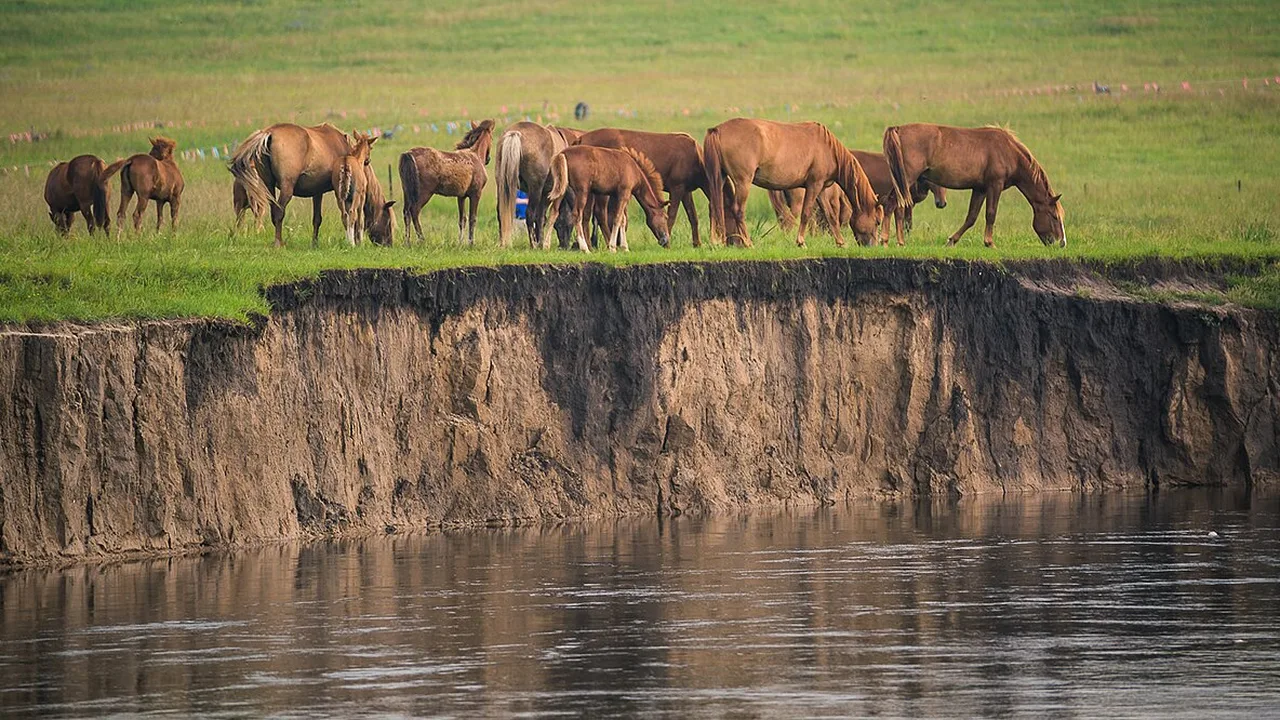
Hulunbeier (Hulunbuir) lies in the far northeast of Inner Mongolia, sharing a long border with Russia and Mongolia. It is a prefecture-level region rather than a single dense city: administration is spread across several districts and county-level towns, while most of the land is open steppe, forest, and wetland. Hailar is the main urban center and the point where most travelers begin.
For centuries this was pastureland of nomadic herding peoples, and later a frontier zone shaped by Russian trade and the Chinese Eastern Railway. That layered history shows in the border towns, in the Russian-influenced architecture of Manzhouli, and in the villages along the Ergun River. The region's character is still defined by distance, livestock, and a sparse population spread across a very large area.
Most visits center on the grassland itself — the Hulunbeier Grassland around Hailar and the Jinzhanghan area — then move north and west: the Ergun Wetland, the Russian ethnic township of Shiwei on the border river, and Hulun Lake. Manzhouli adds the Guomen (national gate) border area and the Matryoshka Square. Genhe and its surrounding wetlands suit travelers continuing into the forested north.
World-class, national and global recognition earned over the decades.
Hulunbuir Grassland is counted among the four major grasslands of the world.
Hulun Lake (Dalai Nur) ranks fifth among China's freshwater lakes by area.
Ergun Wetland is described as the largest wetland in Asia.
The Mergel River winds across the Hulunbuir Grassland and is known as the finest meandering river in China.
The Aoluguya Ewenki maintain reindeer herding traditions in the forests near Genhe.
Shiwei and Enhe are home to Chinese-Russian descendants and traditional wooden log houses.

The moments that shaped the city — and the stories its people still tell.
The grasslands have long supported nomadic pastoral life, reflected today in long song and khoomei traditions.
Manzhouli grew as a border town with Russian architectural influence and cross-border trade.
Railway construction linked the region to wider trade networks and shaped towns along the line.
Ewenki communities continued reindeer herding in the Greater Khingan forests around Aoluguya.
Chinese-Russian families settled in Shiwei and Enhe, building wooden log houses known as muke leng.
Nadam gatherings continue to feature Mongolian wrestling, horse racing and archery.
The Mergel River is celebrated as the finest meandering river, its loops tracing the grassland.
The Ewenki of Aoluguya are known for keeping reindeer in the forests near Genhe.
Chinese-Russian families in Shiwei and Enhe preserve wooden log house architecture.
Mongolian long song and khoomei are part of the region's musical heritage.
Three paces, one city — every route built from places we actually operate.
Weather, crowds and the best months for what you want to see.
Grasslands green up and temperatures are mild; check official channels for local conditions.
Peak grassland season with Nadam gatherings; expect crowds and book ahead.
Grass turns golden and skies are clear; temperatures drop quickly.
Cold and snowy; travel requires preparation for low temperatures.
Warm weather and full grassland growth make this the most comfortable window for visiting.
What this city is known for — the things worth planning your day around.
The places worth building a day around.
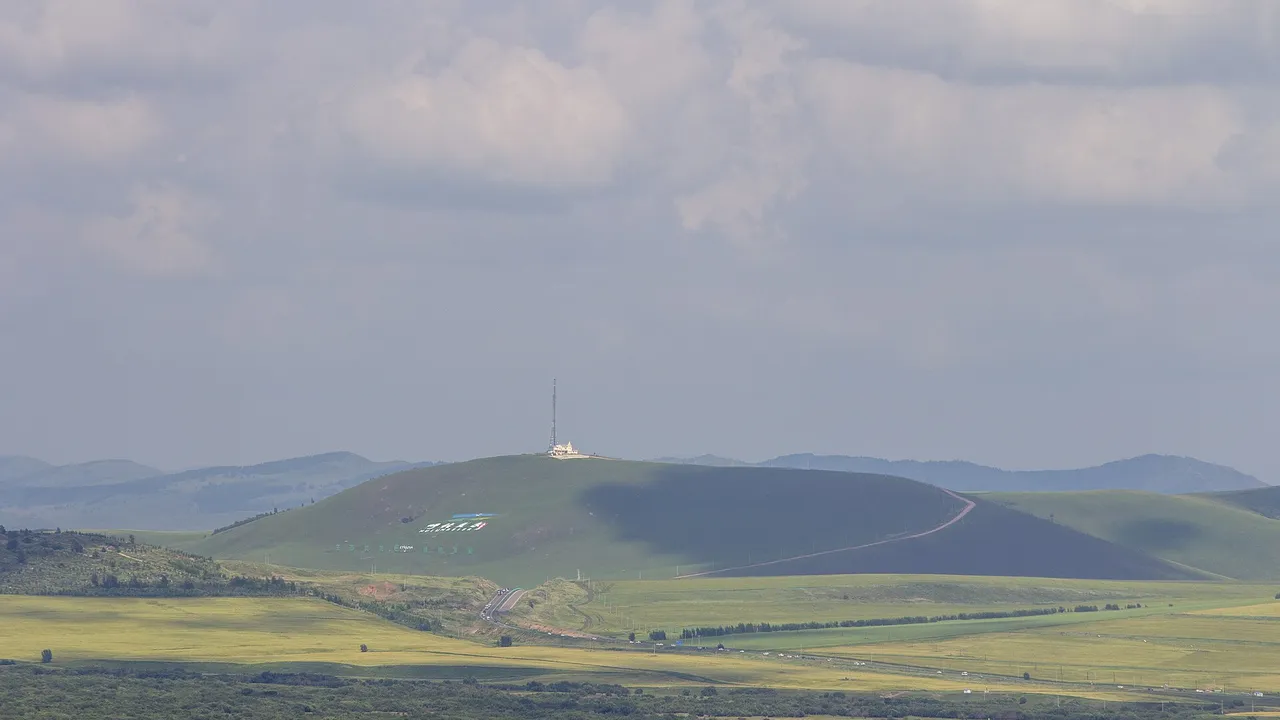
The Hulunbuir Grassland is one of the best-preserved natural pastures in the world, a rolling sea of green that stretches from Hailar all the way to t
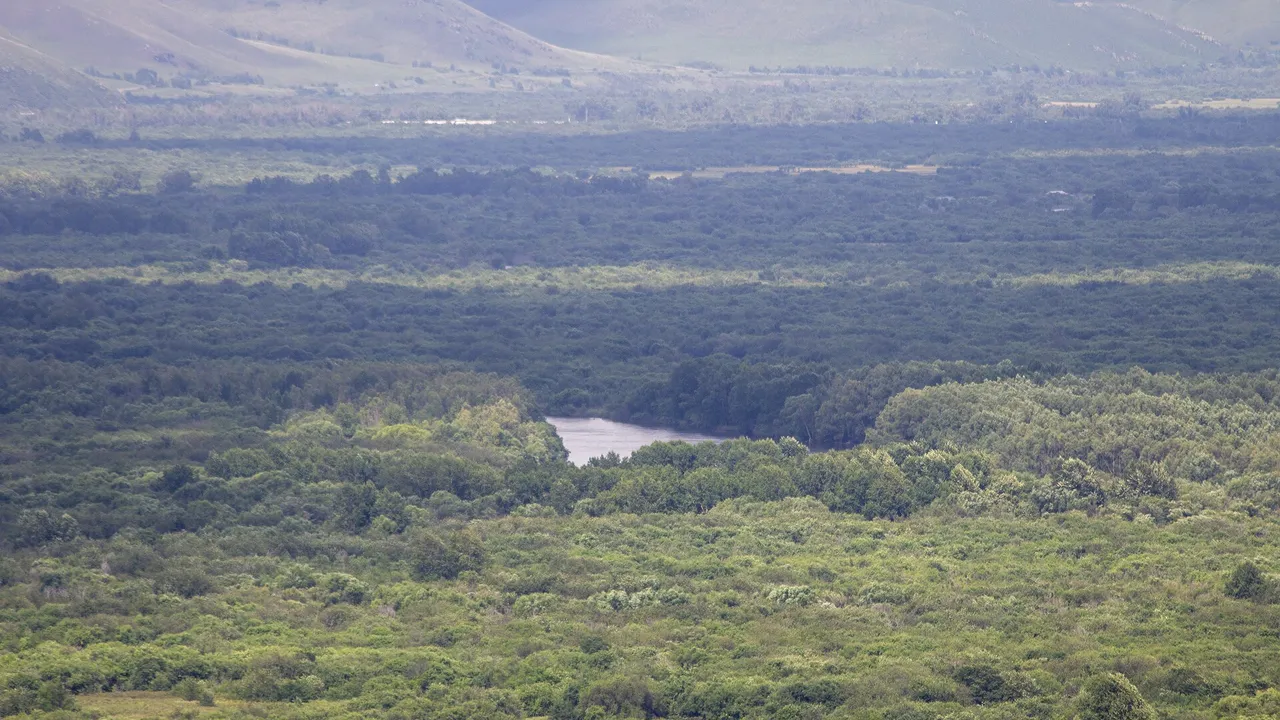
Overlooking the winding Genhe River from a hillside boardwalk, the Ergun Wetland is often called the largest wetland reserve in Asia — a broad floodpl
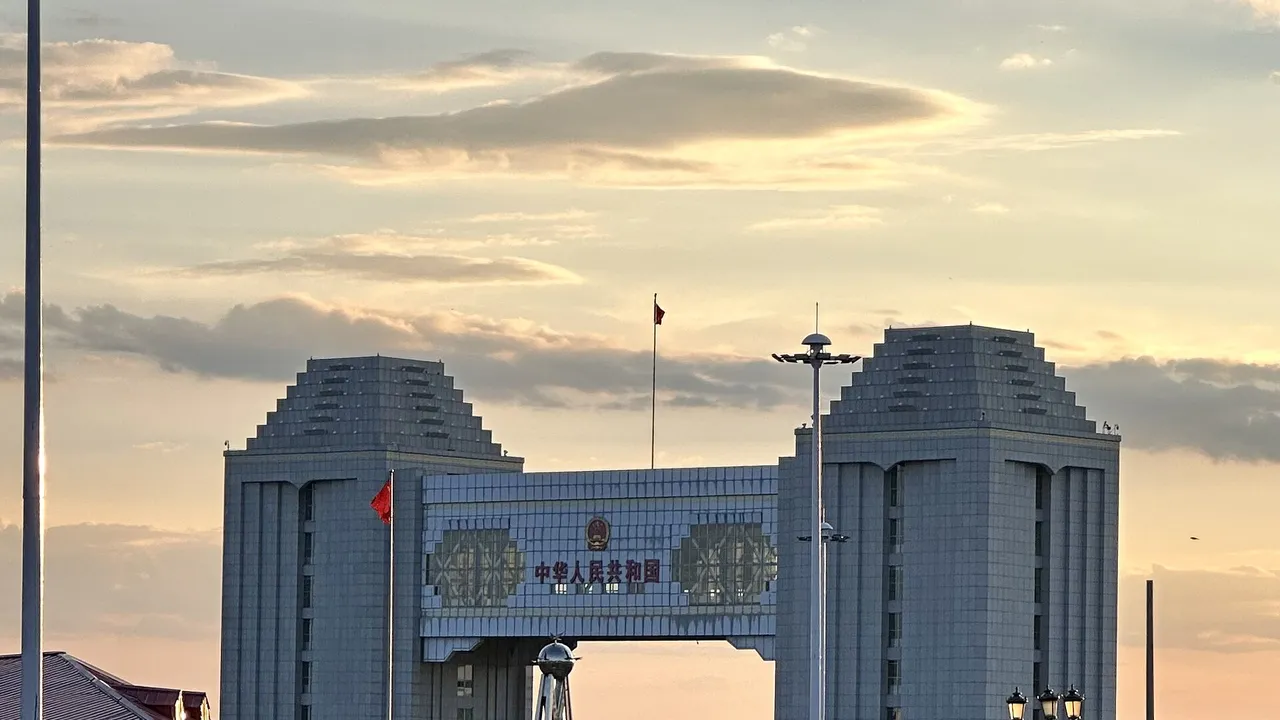
Standing on the western edge of Manzhouli, the Manzhouli National Gate is the monumental border crossing between China and Russia, where freight train
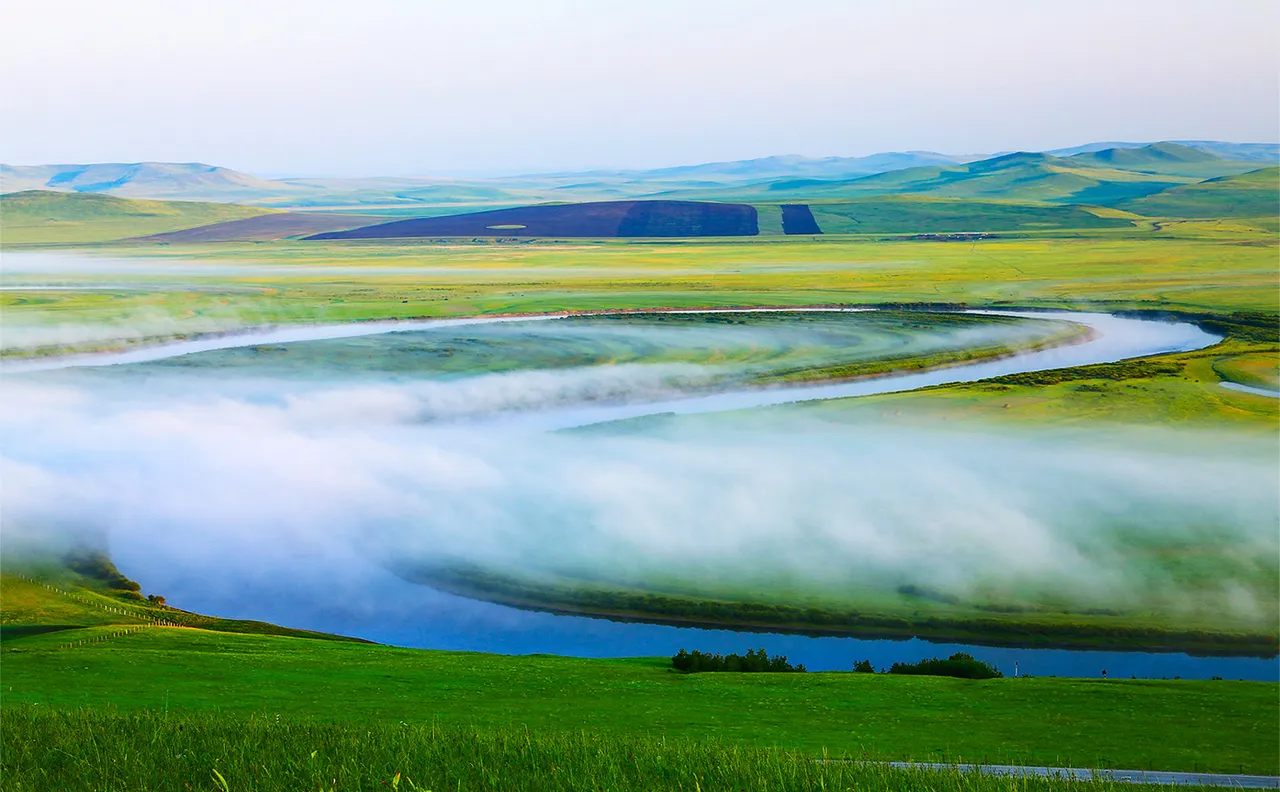
The Moergele River is the grassland of your imagination made real: a slim silver stream that loops, coils and doubles back across the green steppe of
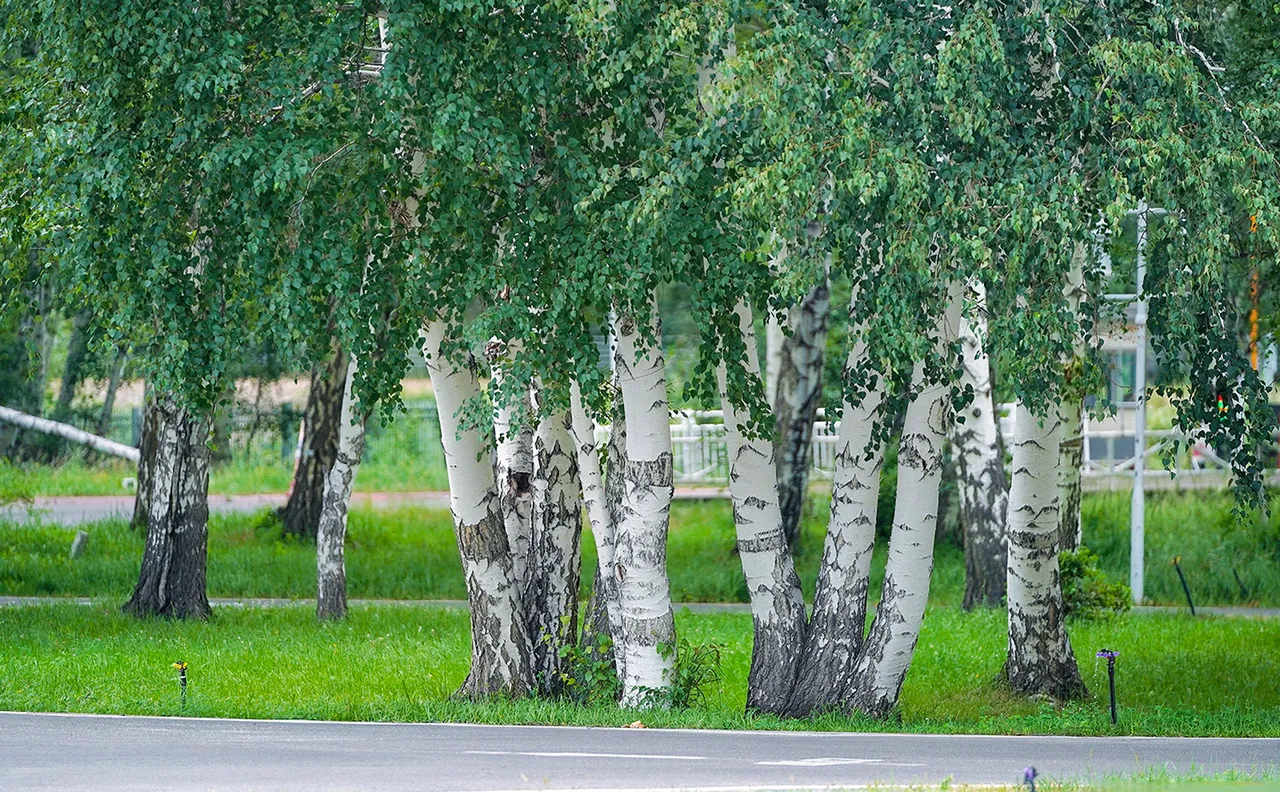
On the road between Ergun and the border village of Shiwei, the Hulunbuir Birch Forest preserves a stretch of pure white-barked woodland that feels al
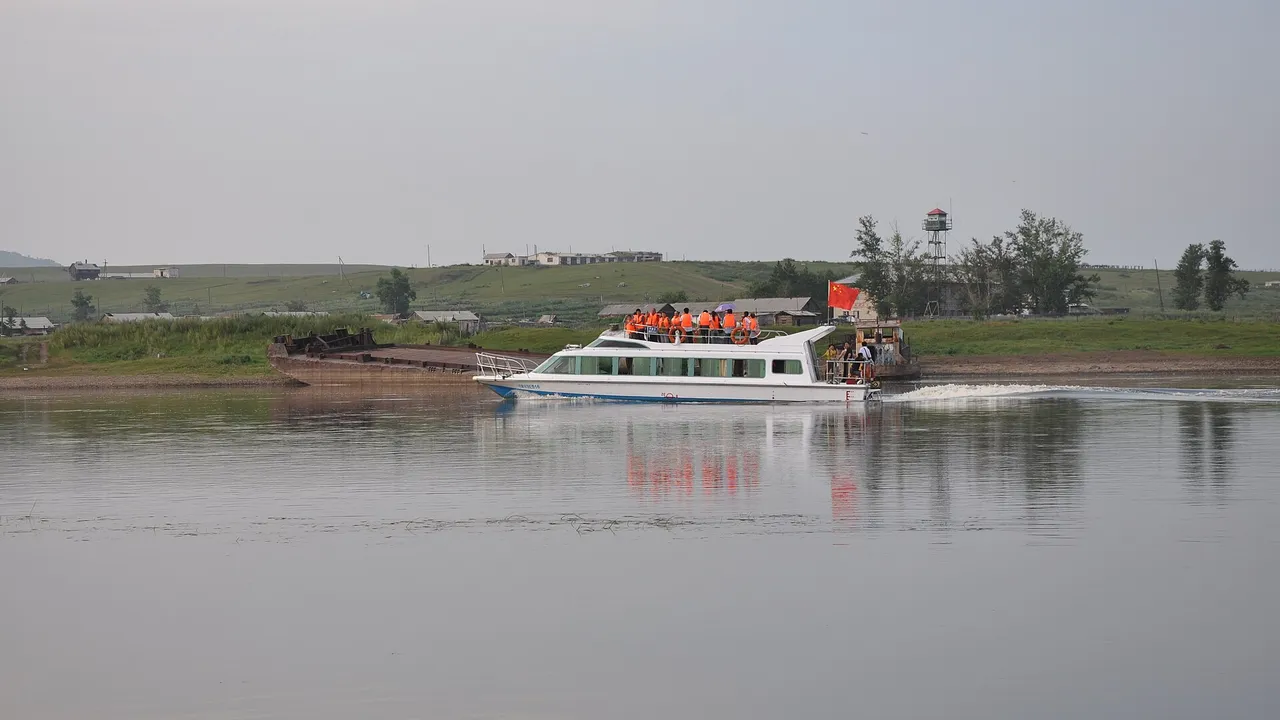
Shiwei sits at the very edge of China, on a bluff above the Ergun River that separates it from Russia. One of the country's designated Russian ethnic
A little further out, for a spare half-day.
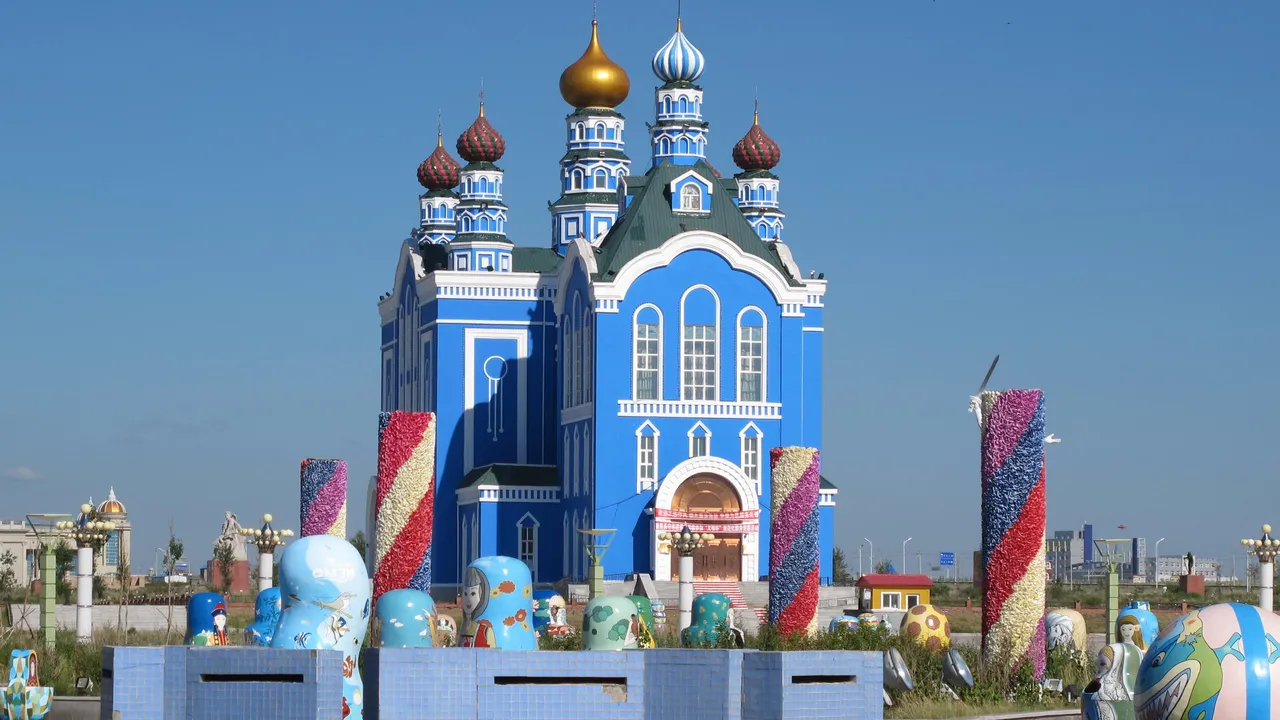
A hotel built as the world's biggest matryoshka, ringed by an amusement park and hundreds of painted dolls.
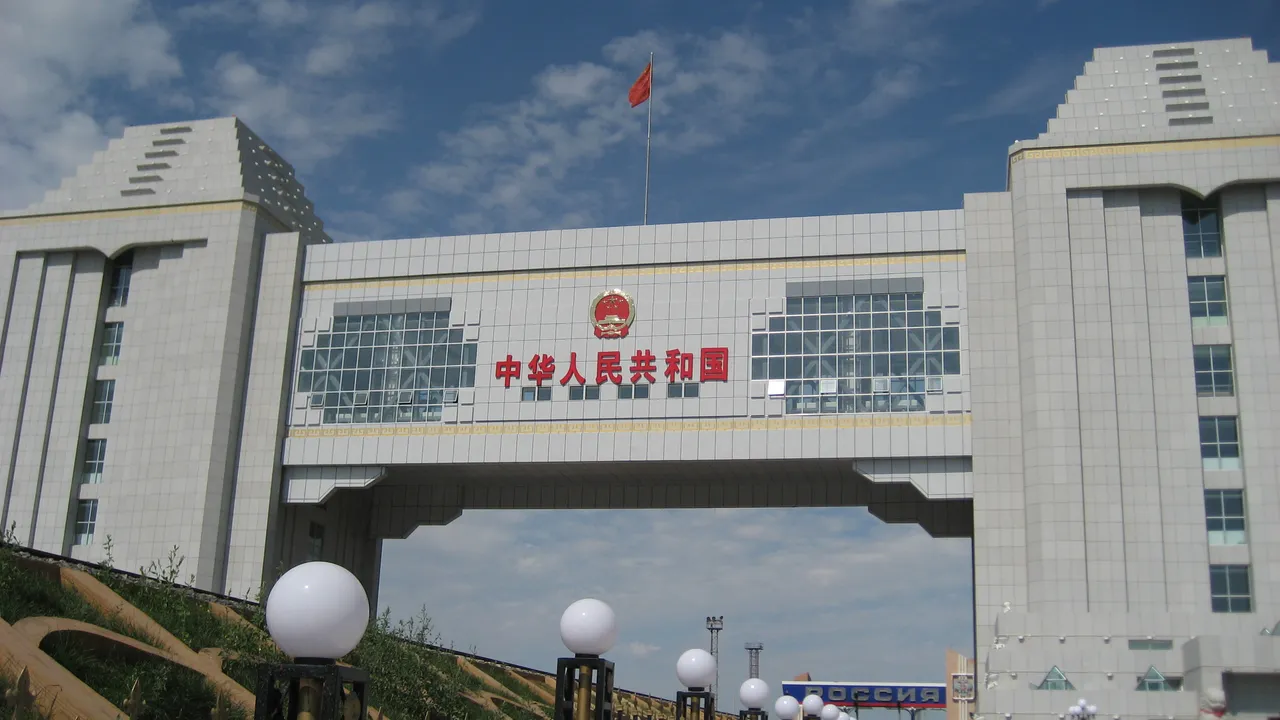
Stand on China's fifth-generation border gate and watch freight trains roll into Russia's Zabaykalsk.
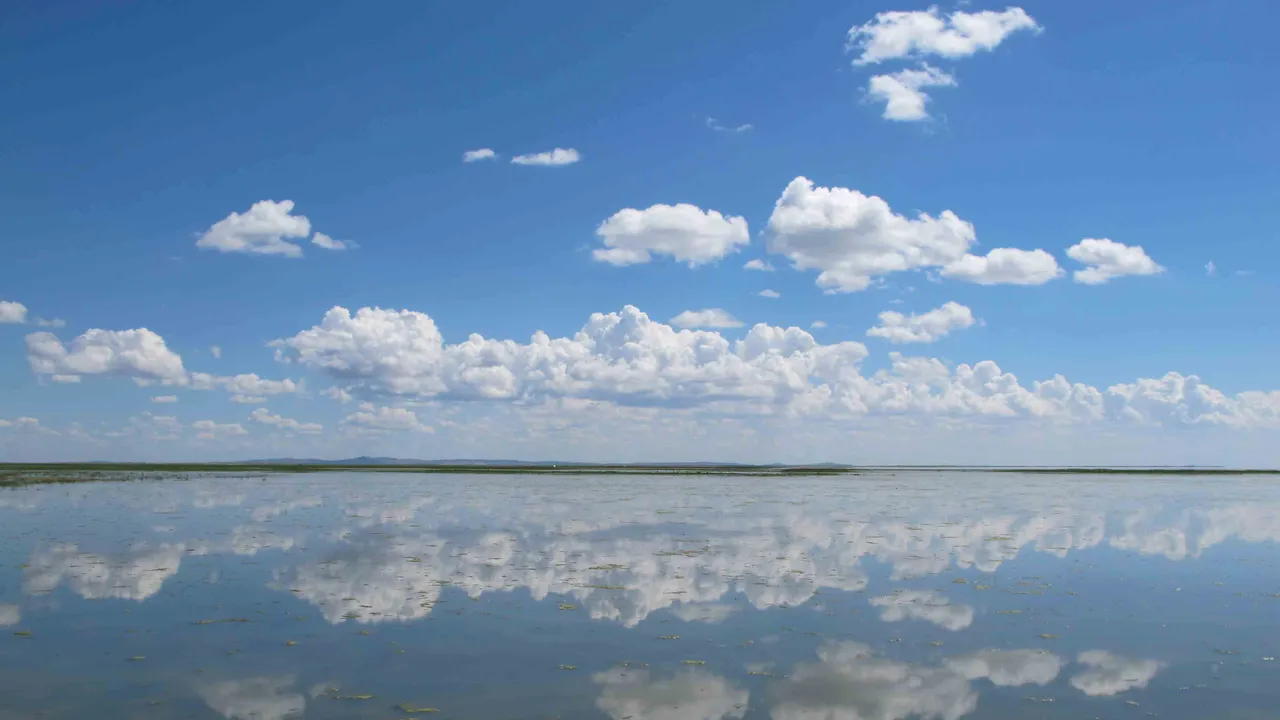
A vast northern lake dissolving into the sky, reed beds alive with birds on the edge of the grassland.
Where the whole street eats — the city's most famous food streets, each with its own guide page.
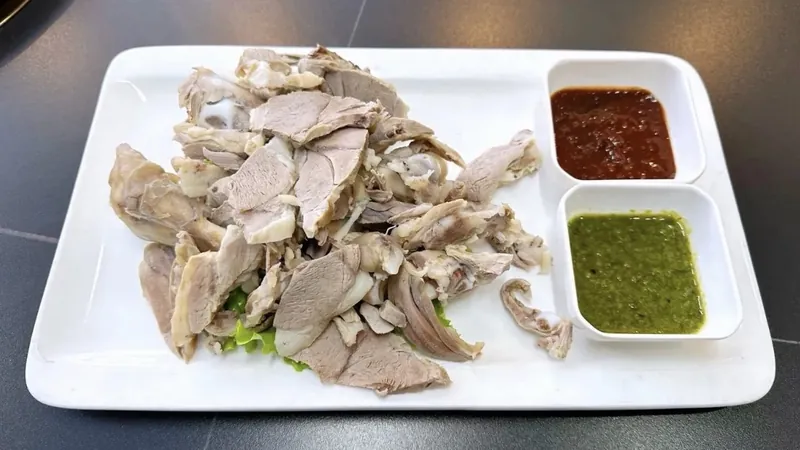
Hand-grabbed mutton, roast lamb ribs and milk tea at a grassland camp such as Jinzanghan.
Russian-style architecture and Matryoshka Square lit after dark in the border town.
Wooden log houses of the Sino-Russian community, best seen on a slow evening walk.
Mongolian long song and khoomei throat singing appear at local gatherings and the Nadam fair.
Nights here are quiet and spread out. Grassland camps serve lamb and milk tea; border towns light up with Russian-style facades. Check seasonal opening hours locally.
Listed sites and the crafts that made this city famous.
One of the world's four great grasslands, crossed by the Moergele River, called the finest winding river under heaven.
Also known as Dalai Lake, China's fifth-largest freshwater lake.
Described as Asia's largest wetland.
Russian ethnic townships of Sino-Russian descendants, known for wooden log houses.
Mongolian gathering with traditional contests, held on the grassland.
Long-drawn Mongolian vocal tradition performed at local gatherings.
Mongolian overtone singing associated with the region.
Reindeer herding culture of the Ewenki at Aoluguya in Genhe.
Wooden log house construction of the Sino-Russian community in Shiwei and Enhe.
Hand-grabbed mutton, roast lamb ribs, milk tea and milk tofu.
Senior licensed guides with 10+ years in the field and fluent English — deep on history, culture and local life.

Experienced licensed guides with clear English — solid on city highlights, food and day-to-day logistics.

Licensed guides with workable English — a good-value choice for city days, transfers and standard commentary.

Chauffeur-driven by the day, plus airport and intercity transfers.



Private chauffeur-driven vehicles, priced per vehicle not per person. Airport transfer from $45; intercity transfer from $180.
10 guides split by trip length: one-day city routes, three-day escapes and longer journeys, with stops, costs and transport in each.
Enter the grassland before the tour vans, lunch on lieba bread in Ergun, climb the wetla
Multi-DayThree Days in Hulunbuir: A Full Sweep of Steppe, Wetland and Border RiverEnter the steppe by the Morigele, read the waters at the Ergun Wetland, walk the border
Real routes, real travellers — a sense of what a trip looks like.
Took the three-day route: grassland, Ergun Wetland, then Manzhouli. Said the driving was long but the log houses in Enhe were the highlight.
Spent five days and included Hulun Lake and Aoluguya. Noted that opening hours had to be checked locally each morning.
Had one free day and stayed on the grassland along the Moergele River, with a camp lunch at Jinzanghan.
Most travellers spend 3 days here. Add a day for a side trip if you want a slower pace.
Spring and autumn are usually the most comfortable. Check the seasonal notes above before booking.
We arrange airport/rail transfers and private drivers. Tell us your arrival point and we plan the connection.
Send an enquiry and a human expert replies within 12 hours with a draft plan and real prices. Flexible rescheduling; clear cancellation terms in your quote.
2-day private itineraries in Hulunbuir start from $590 per person, two travelling together. Your proposal itemises hotels, tickets, guide and car — no hidden fees.
It is one of the world's four great grasslands. The Moergele River crosses it and is called the finest winding river under heaven; Jinzanghan camp is on the grassland.
Hulun Lake, also called Dalai Lake, is China's fifth-largest freshwater lake. The source does not give its area.
The National Gate scenic area, Matryoshka Square, the China-Russia mutual trade zone and Russian-style architecture.
In Ergun, described as Asia's largest wetland. It is usually paired with Shiwei and Enhe on a three-day route.
Sino-Russian descendants, known for wooden log houses (mukeleng).
At Aoluguya in Genhe, home to the Ewenki reindeer herding community. Also visit Genhe Wetland nearby.
Hand-grabbed mutton, roast lamb ribs, milk tea, milk tofu and Russian-style lieba bread.
No. The source does not include ticket prices or opening hours for any site; check official channels before you go.
Recent listed prices: Hulunbuir Grassland 免费; Ergun Wetland ¥20; Manzhouli National Gate ¥60; Moergele River 免费(观光车另收); Birch Forest Scenic Area 现场购票(以景区公示为准). Ticket prices change seasonally — we confirm them in your quote.