
Seven days turn Macao from a one-visit checklist into a city you could settle into: three days going deep through the historic core and museums, two crossing to Taipa, and two final ones for Coloane's coast and villages. One heavyweight point per day, the rest given to markets and walking.
Macao's depth lies not in sight counts but in centuries of Chinese and Portuguese life seeping into each other. The plan deliberately leaves gaps of market, temple and cafe; the slowest day usually harvests the most.
Itinerary at a glance
| Day 1 · 09:30 | Senado Square and St. Dominic's Church |
| Day 1 · 10:30 | The Ruins of St. Paul's and Travessa da Paixao |
| Day 1 · 13:00 | Mount Fortress and the Macao Museum |
| Day 2 · 09:30 | St. Augustine's Square and St. Lawrence's Church |
| Day 2 · 14:00 | The Mandarin's House and Lilau Square |
| Day 2 · 16:30 | A-Ma Temple and the Maritime Museum |
| Day 3 · 09:30 | Guia Fortress and Guia Hill Municipal Park |
| Day 3 · 15:00 | Camoes Garden and the Oriental Foundation Mansion |
| Day 4 · 10:00 | The Macao Museum of Art and the Handover Gifts Museum |
| Day 4 · 15:00 | The Macau Grand Prix Museum |
| Day 5 · 10:30 | Rua do Cunha and Taipa Old Town |
| Day 5 · 15:00 | The Taipa Houses and the Taipa Waterfront |
| Day 6 · 09:30 | Hac Sa Beach and Coloane Village |
| Day 7 · 09:30 | Ka Ho Chapel Village and the Mazu Cultural Village |
The route, stop by stop
Senado Square and St. Dominic's Church
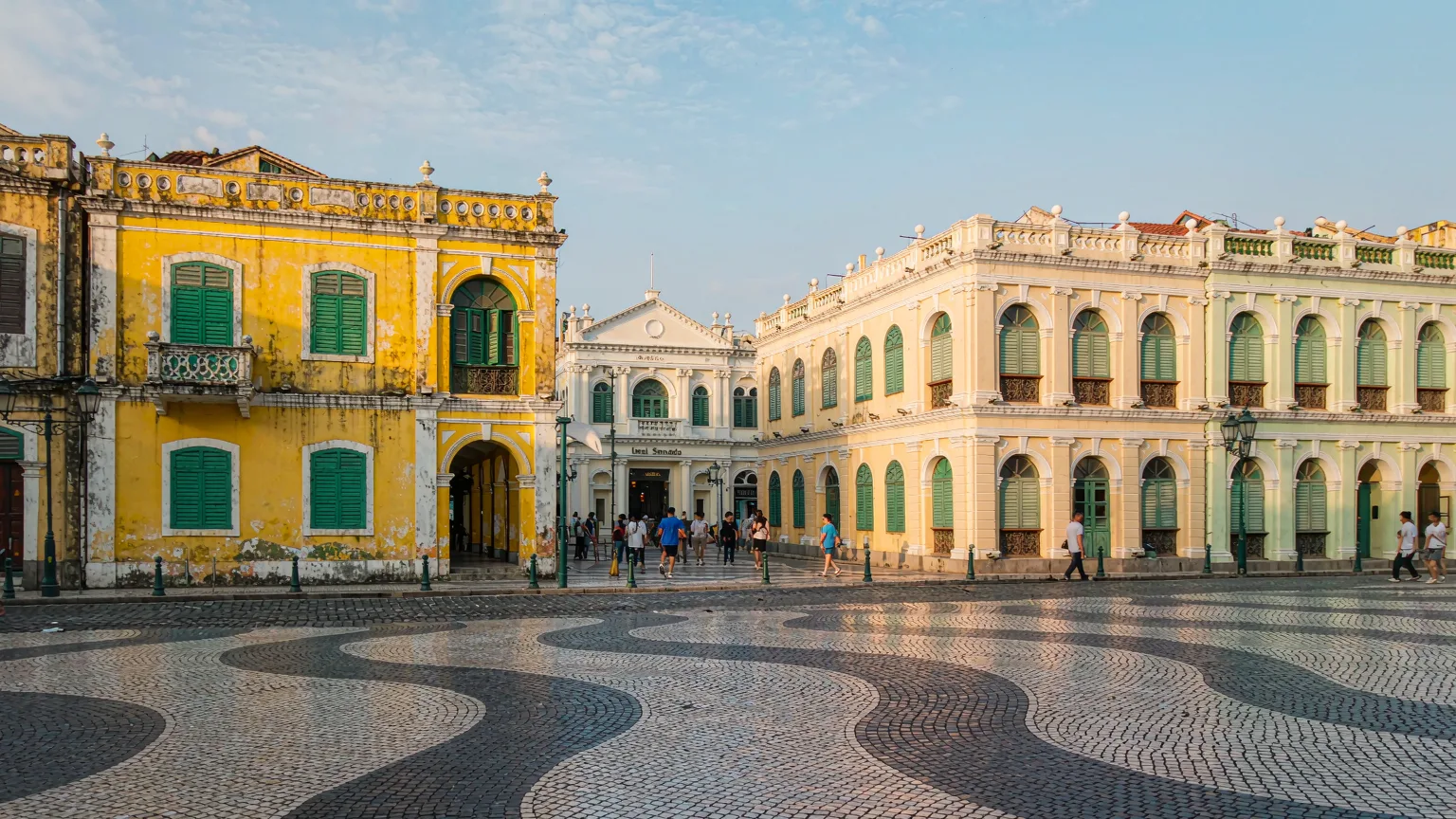
Seven days set their bearings at the city's heart: Senado's wave mosaic, the civic courtyard and the side-lane St. Dominic's form a triple key to Macao's street pattern, at the day's thinnest tourist density.
The church's baroque altar and relic treasury deserve forty minutes; day one's job is learning the pedestrian grid's directions and tempo, the map the next six days reuse.
The Ruins of St. Paul's and Travessa da Paixao
Ten minutes on foot from the square stands the facade, its braided Eastern-Western carvings worth close reading, with the free sacred-art museum behind missed by most.
Travessa da Paixao, the few dozen meters of pink and yellow, photographs best in morning light; crowds build by half past nine, so clear both before noon.
Mount Fortress and the Macao Museum
The afternoon platform spreads the whole historic centre below, the seven days' best orientation class; the museum's three floors of city history take an hour and provide the week's narrative base.
Descend at dusk for dinner back toward the avenue; day one lives entirely within walking range, and the body learns the city's scale.
St. Augustine's Square and St. Lawrence's Church
Day two walks the densest heritage stretch south: the square wrapping church, China's earliest Western theatre and the Ho Tung Library stays quiet, while St. Lawrence's garden and feng-shui spheres anchor community life.
Morning light slants through the green church windows, the main photography supplier for the week's second half; five minutes between the two buildings, so run the pace at its slowest.
The Mandarin's House and Lilau Square
The afternoon reads Chinese heritage's flagship: the Mandarin's House needs time for its courtyard depth and Sino-Western ornament, sliding gates, lime reliefs and Manchurian windows rewarding slowness; free entry with timed tickets.
Outside waits Lilau Square, the Portuguese townhouses' dusk light among the softest images in Macao; spend half an hour on the plaza's edge doing nothing, which is also part of the itinerary.
A-Ma Temple and the Maritime Museum
Before dusk reach the peninsula's southern tip: A-Ma Temple spreads gate, inscriptions and incense up the slope, the legendary source of the city's Western name, while the Maritime Museum across tells four centuries of the port.
Evening light slants into the square, incense and crowds calmer than morning; bus back from the Barra area, closing day two at the origin of the city's own name, the narrative neatly looped.
Guia Fortress and Guia Hill Municipal Park
Day three climbs Guia Hill: the lighthouse among China's earliest modern coastal lights, the chapel murals blending Chinese and Western elements, morning wind and the whole-city view the finest classroom in the city's geography.
Ride the funicular up from the Flora Garden side and walk the loop down; standing by the lighthouse identifying every point of the last two days, day three's harvest peaks here.
Camoes Garden and the Oriental Foundation Mansion
The afternoon hands day three to green and literature: the grotto bronze of the Portuguese epic poet Camoes, terraced banyans and market sounds making the old town's afternoon parlor.
Beside it, the Oriental Foundation's garden keeps peacocks and an eighteenth-century Portuguese mansion implausibly quiet for downtown; the day's back half runs deliberately light, banking energy for the museum line.
The Macao Museum of Art and the Handover Gifts Museum
Day four enters the museum line with a morning pair: the art museum's Sino-Western painting and export-view archives, and the gifts museum's craft presents from every province, one telling Macao's gaze and the other its position.
The two museums adjoin on foot, three hours combined; the Cultural Centre lawns and waterfront hold the midday rest, lunch solved in NAPE.
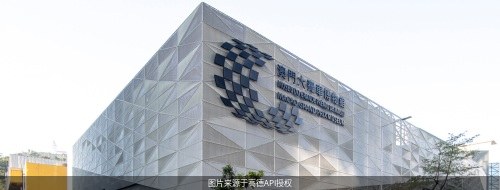
The Macau Grand Prix Museum
The afternoon belongs to engines: the Grand Prix collection running since 1954 is complete, the Guia circuit model makes street racing's dangers visceral, and the interactive rigs welcome everyone.
Fans sink to closing time, ninety minutes enough for the rest; all-indoor day four carries the week's highest weather tolerance.
Rua do Cunha and Taipa Old Town
Day five crosses the water: work Rua do Cunha's tastings first, almond cookies and pork jerky baked on the spot with generous samples, then compare before buying; surrounding lanes hold old houses and temples at Taipa's former density.
Old Taipa carries no sight pressure, pork-chop buns and offal for lunch, day five's pace deliberately slow, the afternoon budgeted for the Taipa Houses.
The Taipa Houses and the Taipa Waterfront
The afternoon's Taipa Houses are the island's card: five mint-green residences showing Portuguese-Macao domestic life at cheap combination rates, house-and-wetland among Macao's most photogenic pairings.
Watch the Cotai lights come on from the evening promenade; dine by the shore and hand the first island night to quiet.
Hac Sa Beach and Coloane Village
Day six enters Coloane: Hac Sa at its emptiest in the morning, dark sand against headlands in clean composition; swim in season or walk the shore, with the country park's family trail as an add-on.
Midday in the village, the chapel of St. Francis Xavier and Rua de Cinco de Outubro's fishing-village air showing Macao's other face; Lord Stow's original at batch time, one warm tart with sea wind.
Ka Ho Chapel Village and the Mazu Cultural Village
The last day goes deep into Coloane: the distinctive triangular chapel at Ka Ho, built for the old leprosarium, now quiet enough to hear wind in the pines, with village lanes keeping the island's rural fabric.
Descend toward the Mazu Cultural Village on the hills' lower slopes, the giant Mazu statue facing the sea from one of Macao's widest overlooks; the week ends between mountain and sea, the loop closed.
| Getting around |
|
| Budget | Seven days of tickets total about MOP 300-400 (RMB 270-370); meals run RMB 150-250 a day, lodging extra. |
| Best time | October to March the most comfortable; with outdoor and beach days built in, keep slack through typhoon season, July to September. |
FAQs
How to arrange documents and endorsements for seven days?
Mainland residents carry the Exit-Entry Permit with a valid tourist endorsement, confirming the entry type and validity cover the full seven days before departure. Overseas visitors match the itinerary to their passport's visa-free stay per the Public Security Police of Macao, China.
Which seven-day items truly need advance booking?
Museums and heritage buildings run walk-in, with the Mandarin's House ticketed at the door and hot special shows bought ahead; the eco-zone's core guided visits apply through the municipal institute. The Guia funicular and panda pavilion simply queue per posted sessions in peak season.
How to order seven days without fading late?
Heritage core first, museums middle, islands and country parks last: three days to build bearings and knowledge, a mid-trip change of sea and tempo, and Coloane's villages closing between mountain and shore. One core point per day with flexible everything is the only right answer at this length.
How to prepare safety and payments for seven days?
On country-park and beach days follow signage and lifeguard hours, dialing nine-nine-nine in emergencies. Pay by mobile wallet plus cash with ample small patacas for old shops and markets, photograph documents to the cloud, wear backpacks in front in crowds, and split cash from cards.