
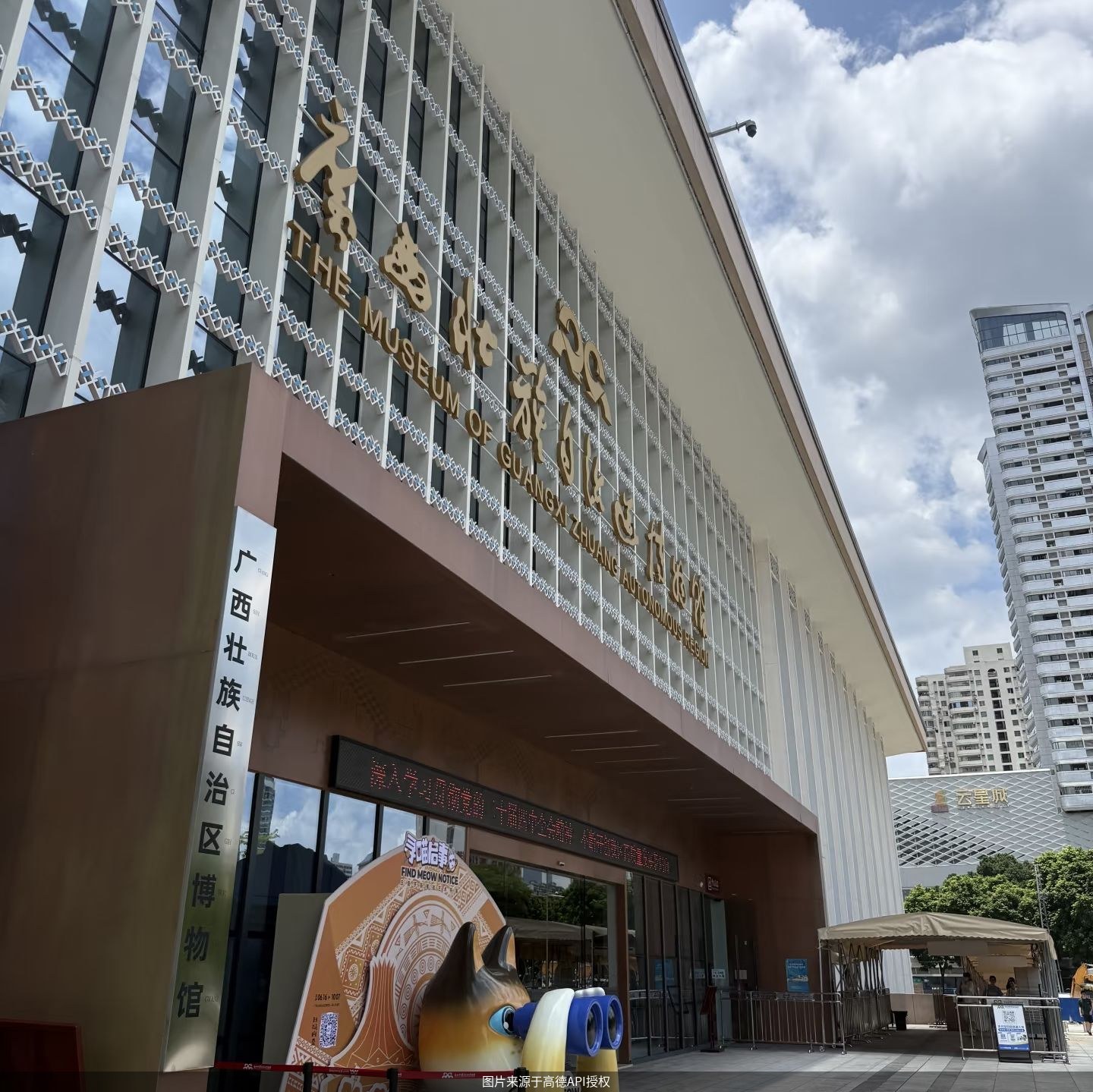
Nanning's cultural wealth sits in three venues: the regional museum holds Guangxi's two-thousand-year main hall, from the bronze phoenix lamp of the Hepu Han tombs through generations of bronze drums; the Nanning Museum keeps the city's own story; the science museum adds the hands-on link. All three are free and bookable without pain, a day of rare value.
Order follows geography: the regional museum on Minzu Avenue in the morning, across the river to the Nanning Museum in Wuxiang after lunch, then back north for the science museum and dinner. Museum-day discipline is one rule only, set an alarm per venue, since overrun is the single real risk.
Itinerary at a glance
| 09:00 | Guangxi Zhuang Autonomous Region Museum: The Bronze Phoenix Lamp First |
| 13:00 | Nanning Museum: The City's Own Biography by the River |
| 15:30 | Guangxi Science and Technology Museum: Hands-On Hours |
| 18:00 | Zhuang Brocade Museum Theme Restaurant: Eating the Culture |
The route, stop by stop
Guangxi Zhuang Autonomous Region Museum: The Bronze Phoenix Lamp First
Enter at opening and head for the general-history galleries. The signature bronze phoenix lamp, from the Han tombs at Hepu, bends a phoenix's neck to swirl lamp smoke into its belly, an environmental design two millennia old; the egret-pattern bronze drum opens the story of Zhuang drum culture.
The chronological galleries run from pre-Qin bronze to exotic goods of the Han maritime silk road, glass cases holding the physical proof of Hepu as a founding seaport. Special exhibitions come only if time allows; two hours is the honest share for the main course.
Nanning Museum: The City's Own Biography by the River
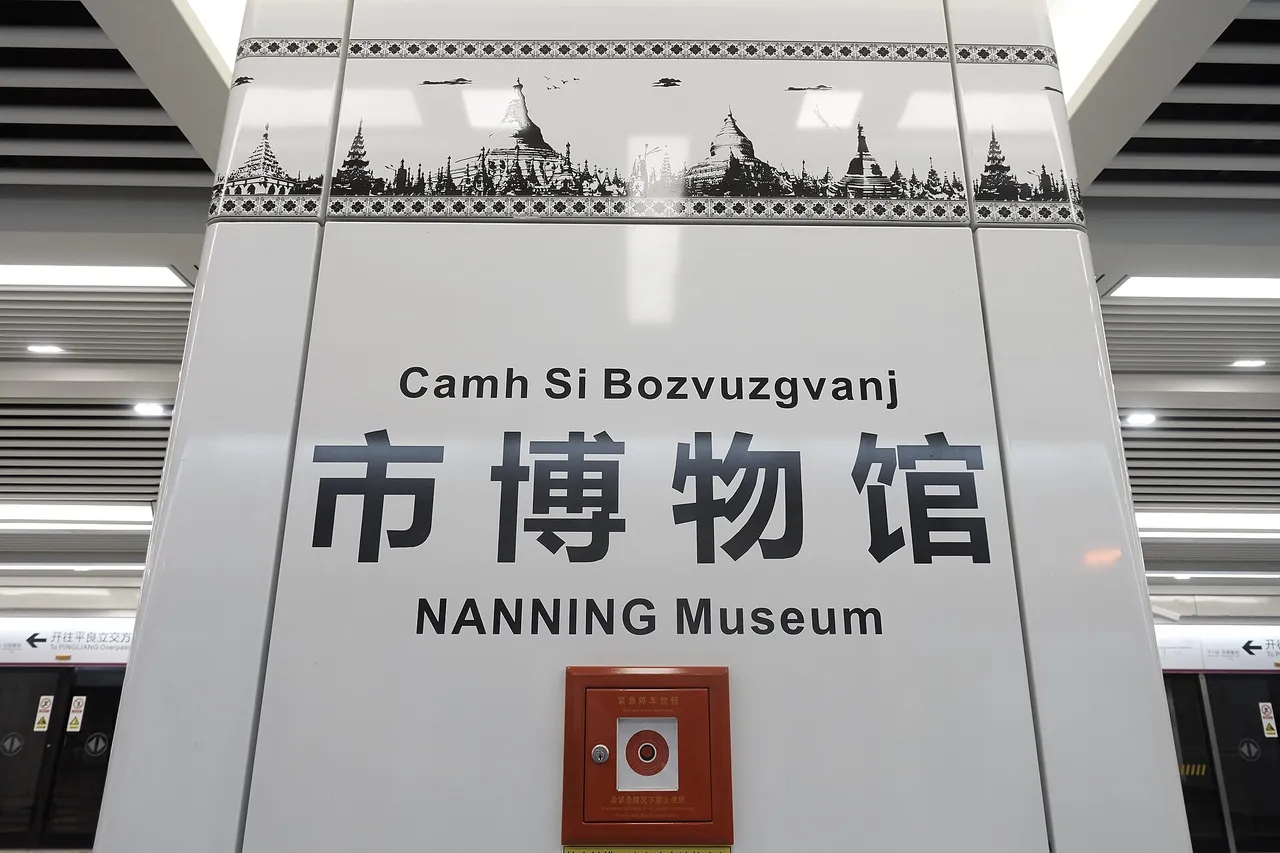
Cross the river after lunch to the Nanning Museum in Wuxiang, a building curved like the Yongjiang's own ripples and part of the river view. Its narrative runs from prehistoric shell mounds through treaty-port days to today's green city, a size down from the regional museum but sharper on Nanning itself.
The modern galleries reward slow walking, old photographs of wharves and arcade streets that map onto the lanes you walked yesterday. Temporary shows rotate often, scan the listings on entry for a bonus.
Guangxi Science and Technology Museum: Hands-On Hours
Back north of the river, give the late afternoon to the science museum. Permanent halls lean interactive, mechanics, acoustics, optics and robots all touchable, and the dome theater screenings are the venue's hidden program, a change of rhythm for eyes tired of labels.
By now a culture day runs heavy, and the science museum's value is needing no reading: an easy hour of hands-on. Childless adults should not dismiss it either, Guangxi's own research and engineering exhibits are hard to find elsewhere.
Zhuang Brocade Museum Theme Restaurant: Eating the Culture
Close at the Zhuang Brocade Museum theme restaurant, its walls covered in brocade patterns and ethnic instruments, the menu one long Guangxi sentence: sour-fragrant lemon duck, slick rice noodles tossed in soy and oyster sauce, Zhuang sticky blood sausage and mugwort cakes all on the card.
The trick is that the exhibition continues onto the table, waiting for dishes doubles as browsing. Three museums plus one Guangxi table, and the city's cultural base color is complete; stroll off dinner and the hotel waits nearby.
| Getting around |
|
| Budget | RMB 120-260 pp: permanent galleries at all three venues free with reservation; science films and dinner priced separately. |
| Best time | Year-round in climate control; all three close Mondays so plan around it, and book two or three days ahead for peak weekends. |
FAQs
What is the fastest way between the three museums?
No direct metro links the regional museum to the Nanning Museum, so 20-30 minutes by taxi is the honest number; the river crossing back north takes about half an hour off-peak. Bus transfers can eat an hour each way, and museum days are precious, so taxi every leg.
Do the free museums all need booking, or can I walk in?
Both museums run primarily on online real-name booking, entering with ID or the physical passport, and walk-up slots are unreliable; the science museum books the same way. Peak weekends fill early, so reserve all three the night before; foreign passports register by passport number.
If time allows only one museum, which one?
The regional museum. Its collection spans all Guangxi across two millennia, with the bronze phoenix lamp and drums as unrepeatable anchors; the Nanning Museum reads as city biography, best for return visitors; the science museum leans family, and substitutes exist for adults.
Any practical details for museum-going?
All three close Mondays, route around it; halls run cold air, so a light layer in summer; large bags get checked while power banks and cameras stay with you. Ask at entry about audio guides or timed docent tours, the general-history galleries transform with one.