 TripMyChinaJOURNEYS THROUGH REAL CHINA✦ AI Trip✦ Plan My Trip
English
简体中文
繁體中文
日本語
한국어
ไทย
Tiếng Việt
Bahasa Indonesia
Italiano
Español
العربية
Русский
Deutsch
Français
Bahasa Malaysia
TripMyChinaJOURNEYS THROUGH REAL CHINA✦ AI Trip✦ Plan My TripThe well-preserved Ming and Qing Ancient Town, where the draft banks and escort agencies hold the commercial secrets of the Shanxi merchants who dominated the country.
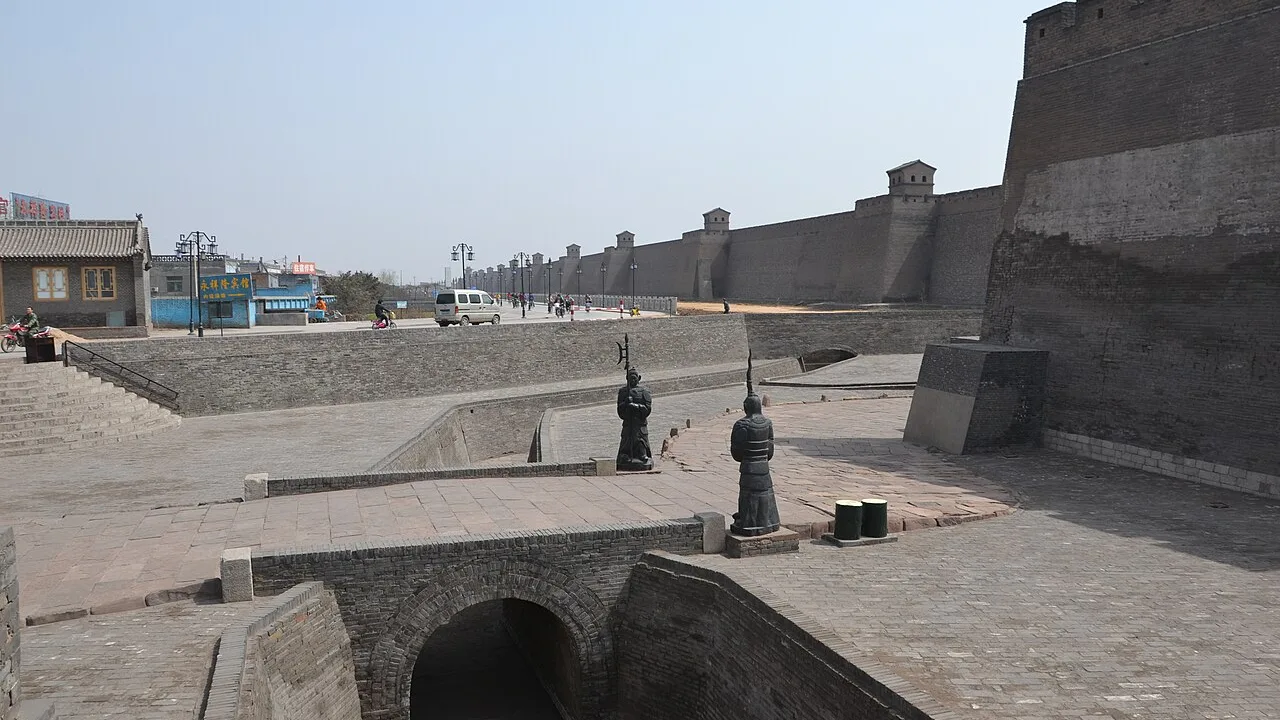
Pingyao, in central Shanxi Province, is one of China's best-preserved ancient walled cities and a UNESCO World Heritage Site. Founded in the Western Zhou period and largely rebuilt in the Ming and Qing dynasties, it flourished in the 19th century as the birthplace of China's first draft bank, Rishengchang. For a century, Pingyao was the financial heart of the empire, and its merchants pioneered a nationwide remittance network that earned the city the nickname 'China's Wall Street.'
The old town is enclosed by a 6.4-kilometer Ming-era brick wall with six gates and 72 watchtowers, laid out in a turtle-shaped plan. Inside, four main streets and eight lanes form a grid of courtyard houses, temples, pawnshops, and bank headquarters. The modern county seat spreads outside the walls, but the walled core remains almost entirely intact, with no high-rise buildings and few cars, making it a rare time capsule of Qing-dynasty urban life.
Travelers come to wander the flagstone streets, climb the wall at sunset, and visit the old exchange shops where silver was counted and remitted across the empire. Beyond the walls, the painted clay sculptures of Shuanglin Temple and the wooden Hall of Ten Thousand Buddhas at Zhenguo Temple are masterpieces of Chinese Buddhist art. Pingyao is also a living town: residents still live in the courtyards, sell local beef and vinegar, and perform traditional Shanxi opera in the evenings.
Pingyao covers about 1,260 km² and has a population of roughly 500,000, with around 45,000 living inside the walled ancient city. The county is divided into several towns and subdistricts, but its heart is the 2.25 km² UNESCO-listed old town, one of only two entire ancient cities in China inscribed on the World Heritage List.
World-class, national and global recognition earned over the decades.
Inscribed in 1997 as the best-preserved Ming-Qing county town in China.
Rishengchang (1823) was China's first draft bank, handling remittances across the empire.
6.4 km of wall with 72 watchtowers and 3,000 battlements, built in 1370.
Named in the second batch in 1986.
The Pingyao International Film Festival has run annually since 2017.
A 300-year-old cured beef tradition, sold in every shop on the old street.

The moments that shaped the city — and the stories its people still tell.
A rammed-earth wall was first built here under King Xuan of Zhou.
The present wall was faced in brick and given its 72 watchtowers.
China's first draft bank opened on West Street and grew to 35 branches nationwide.
The old town was inscribed, and tourism replaced trade.
A section of the wall collapsed; restoration followed and continues today.
Pingyao is laid out as a turtle: the south gate is the head, the four corner towers the legs, and the streets the shell pattern.
Rishengchang's clerks were said to honour any note, anywhere, on the strength of a written password — the origin of Chinese banking trust.
Three paces, one city — every route built from places we actually operate.
Weather, crowds and the best months for what you want to see.
Mild and dry — the best season for the wall.
Clear and cool, with the old street at its best.
Hot at midday; the wall is best at 7am and 6pm.
Cold and quiet — the town looks its age without tourists.
What this city is known for — the things worth planning your day around.
The places worth building a day around.
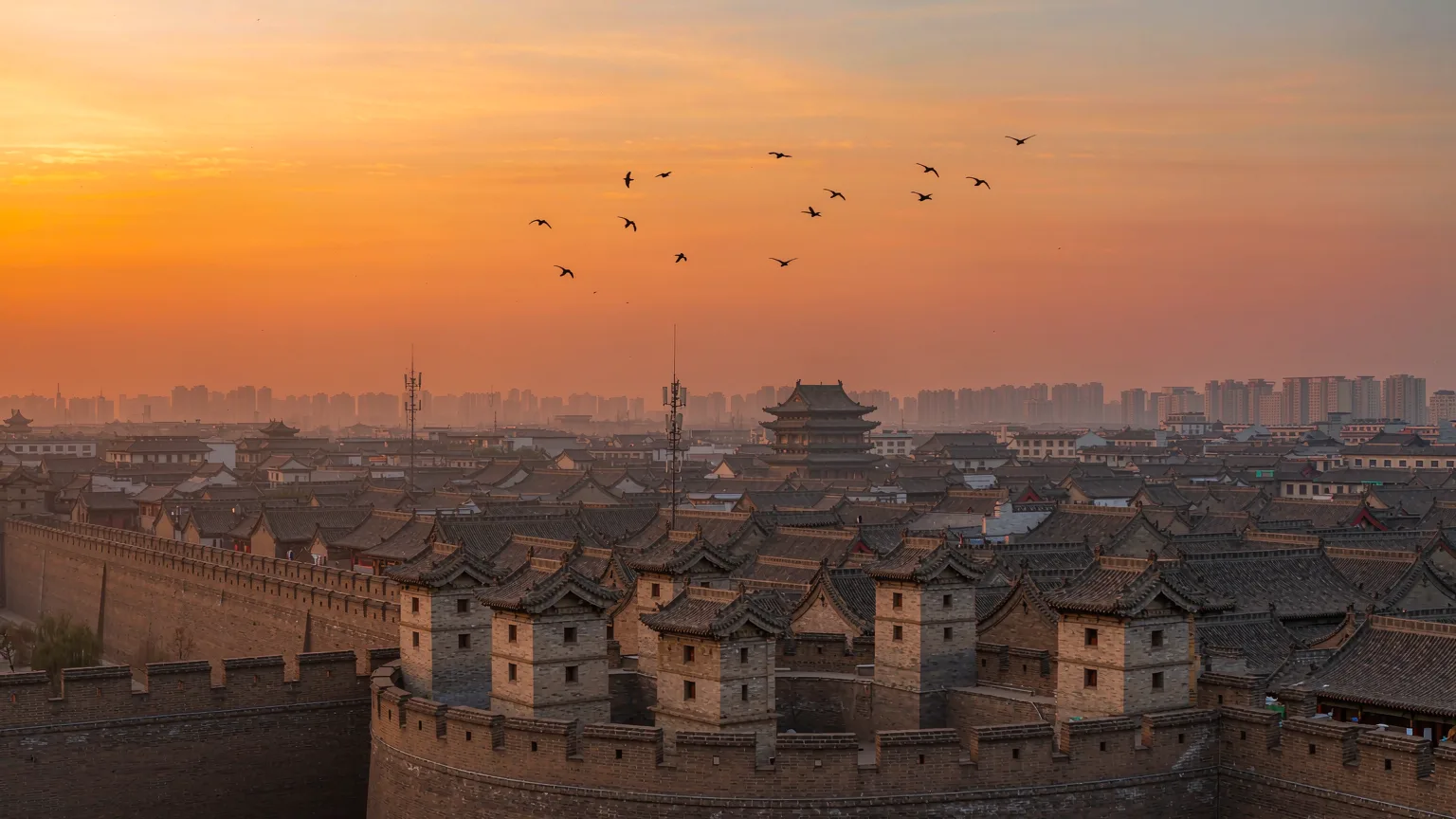
A walled county town laid out in 1370, with 6.2 kilometres of wall, 72 watchtowers and 4,000 surviving Ming and Qing houses. It is the best-preserved
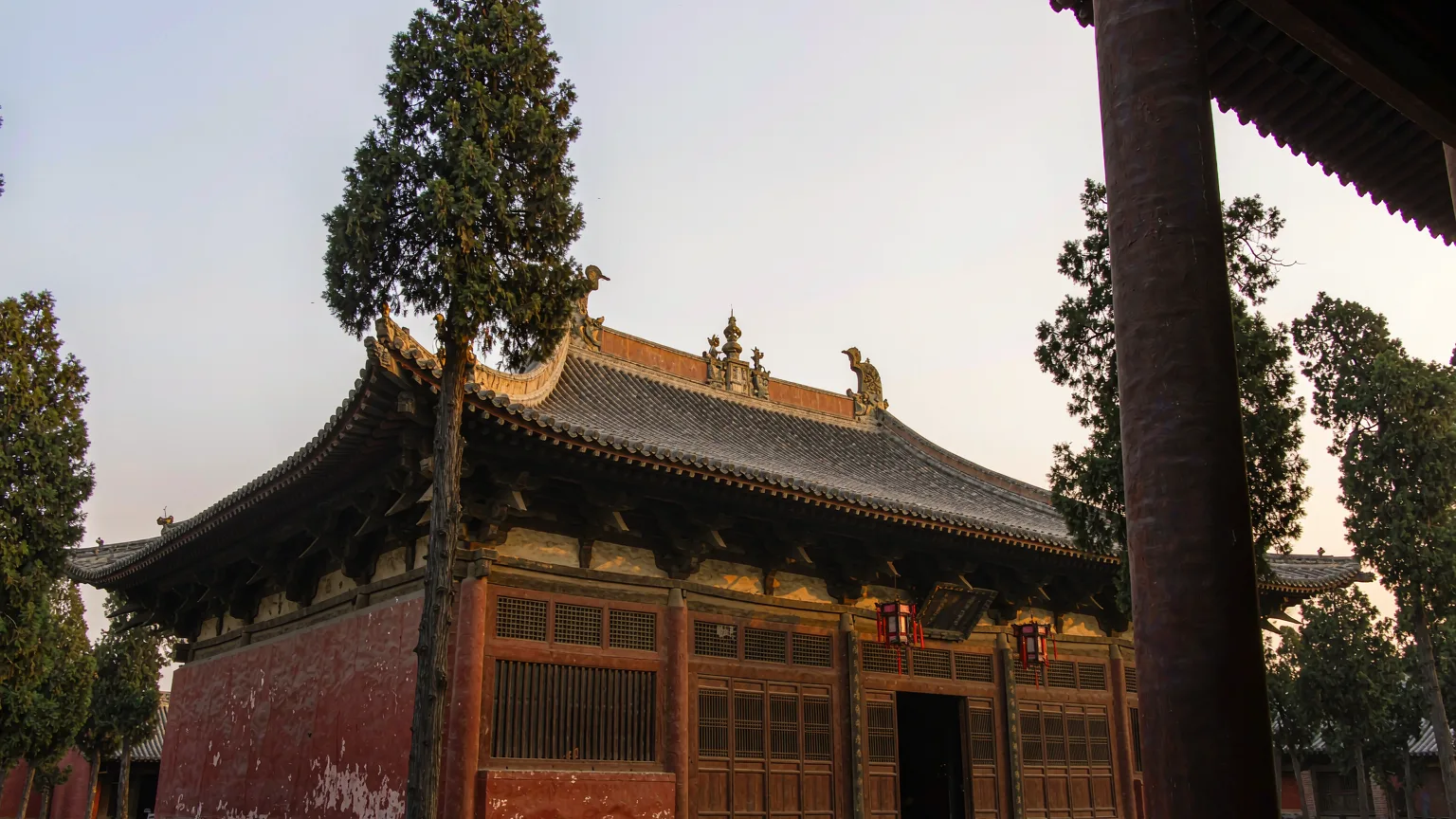
A temple 6 kilometres from Pingyao with 2,000 painted clay sculptures from the Song, Yuan and Ming, in ten halls, none of them behind glass. It is the
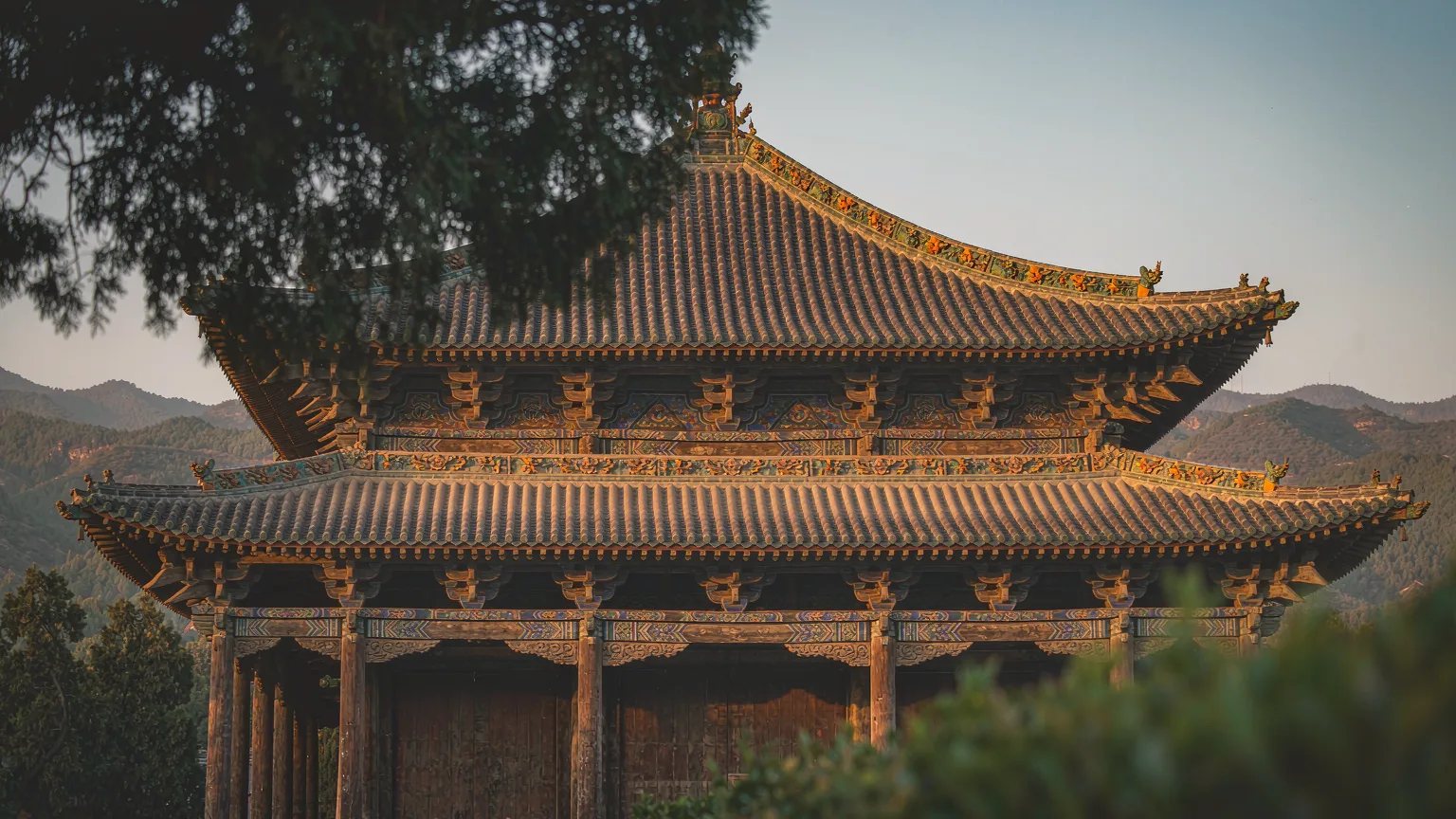
A small temple 12 kilometres from Pingyao with a hall built in 963 AD, which makes it one of the four surviving timber buildings from the Five Dynasti
A little further out, for a spare half-day.
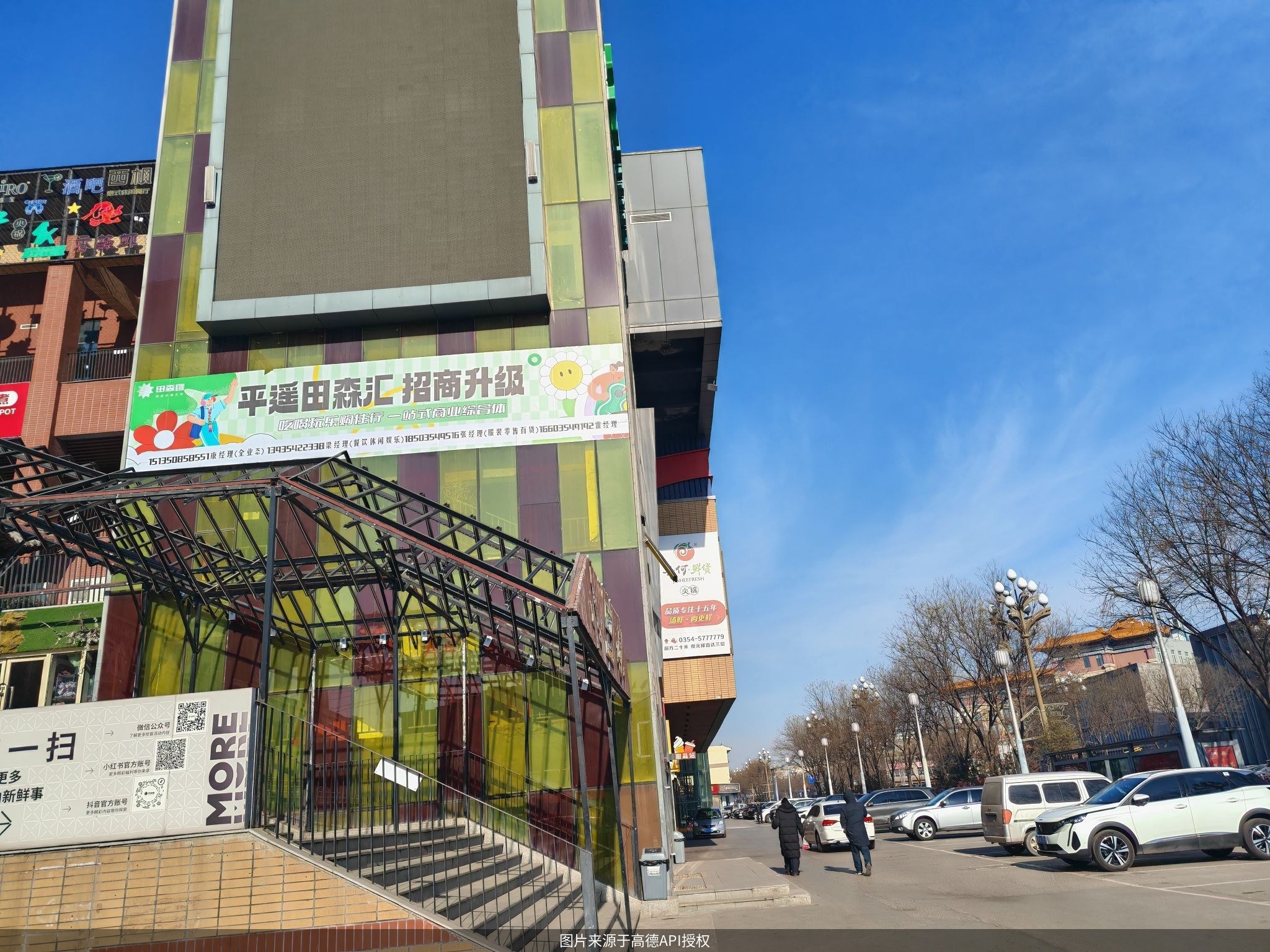
On Shuncheng Road, this modern one-stop shopping complex gathers brand retail, dining, cinemas and family…
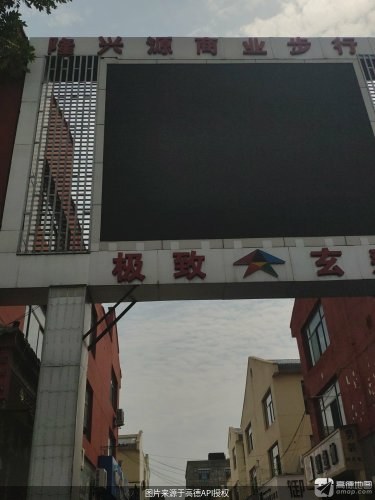
Around the Shuncheng North and Xiaxiguan Street corner, this bustling pedestrian street is lined with shops…
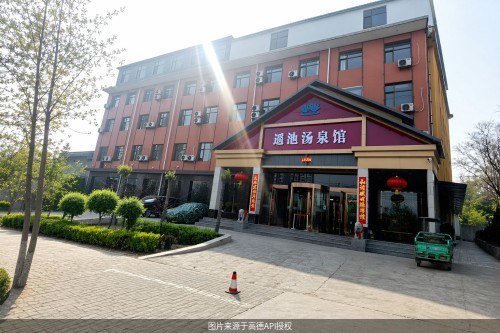
At Beiliangru Village in Zhongdu, this hot-spring bath west of town offers pools of varied temperature…
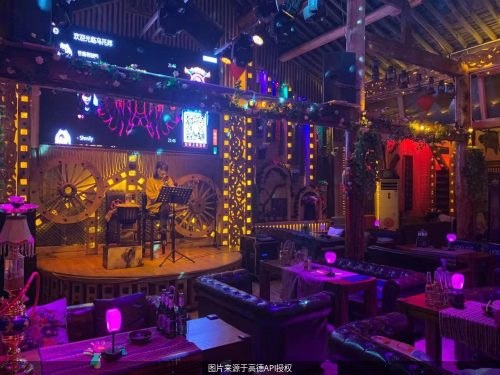
At 88 South Street, this popular folk-themed bar in the old city keeps its lights soft and music gentle, with…
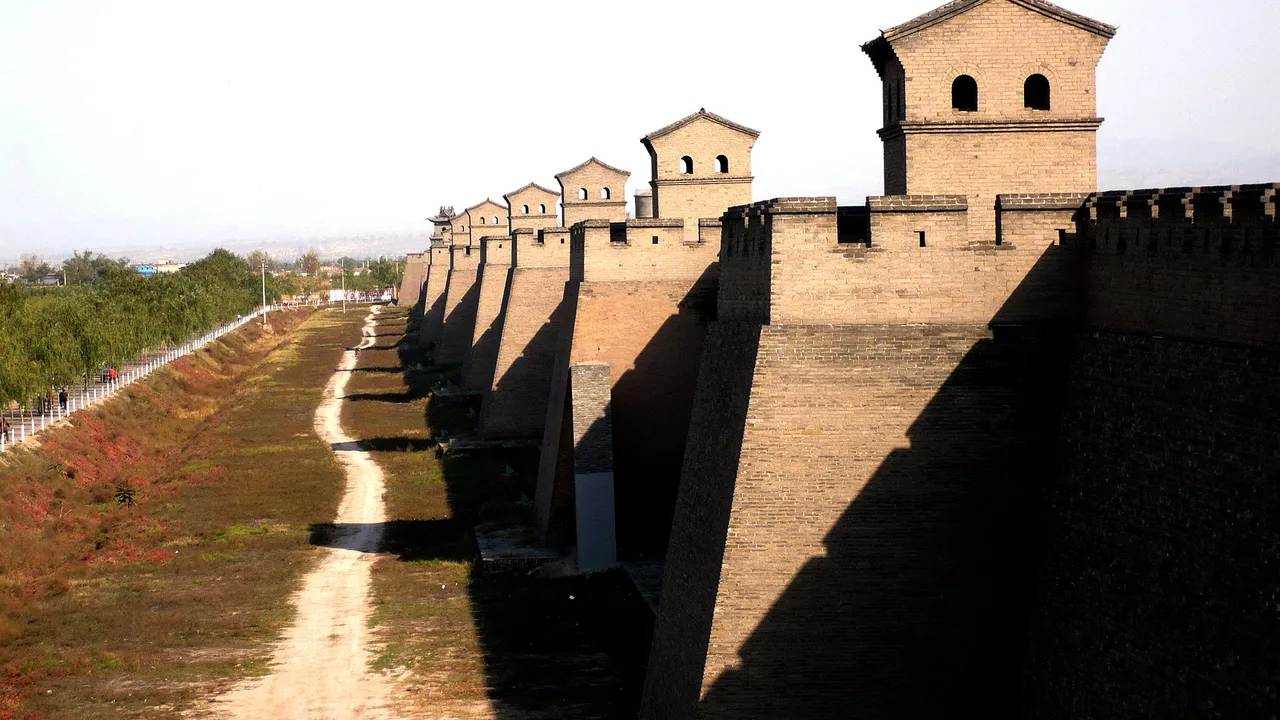
Ming brick walls loop the old town: 6 km, 3,000 battlements, 72 watchtowers and a walkway you can still climb.
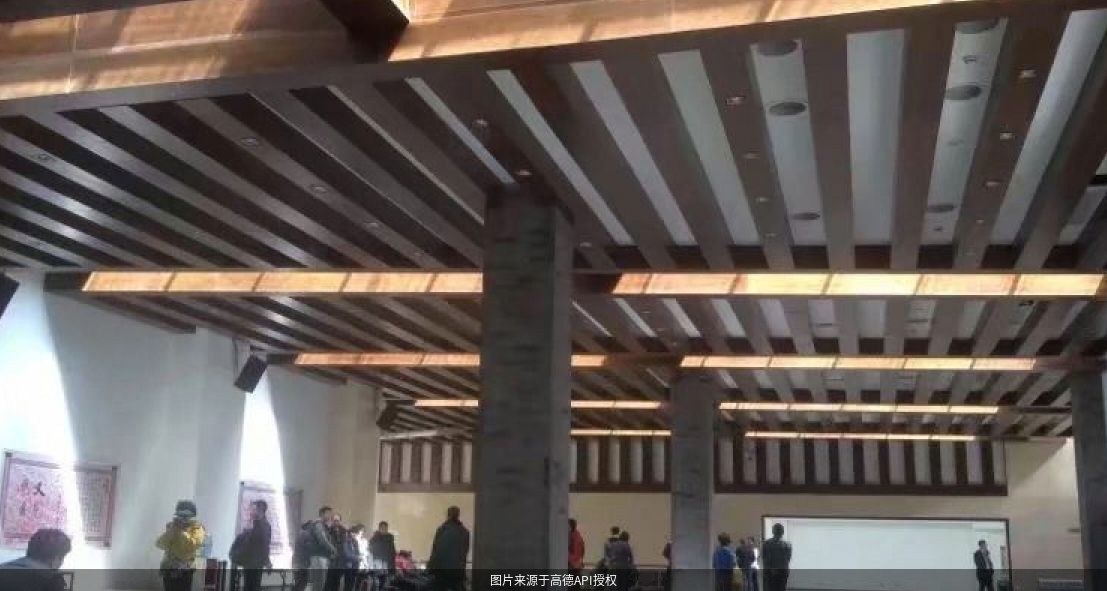
At 154 Shuncheng North Road, this theatre is home to the immersive show 'Encore Pingyao', directed by Wang…
Museums, galleries and workshops still keeping old crafts alive.
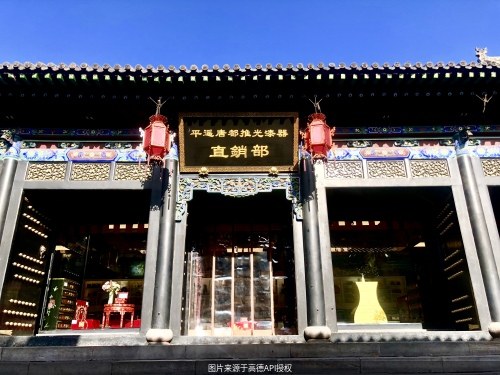
On East Street, this museum and showroom presents the national heritage of Pingyao polished lacquerware.…
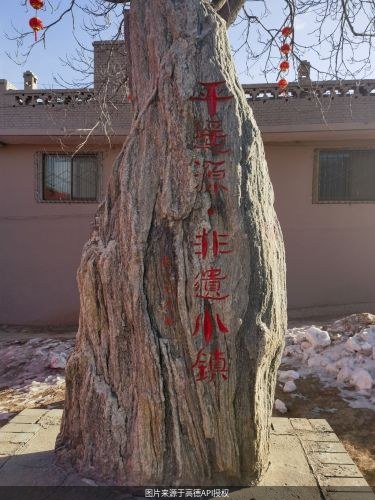
At 43 Xingsheng Street in Xiyuanci Village, this culture-tourism town gathers Jinzhong's intangible heritage.…
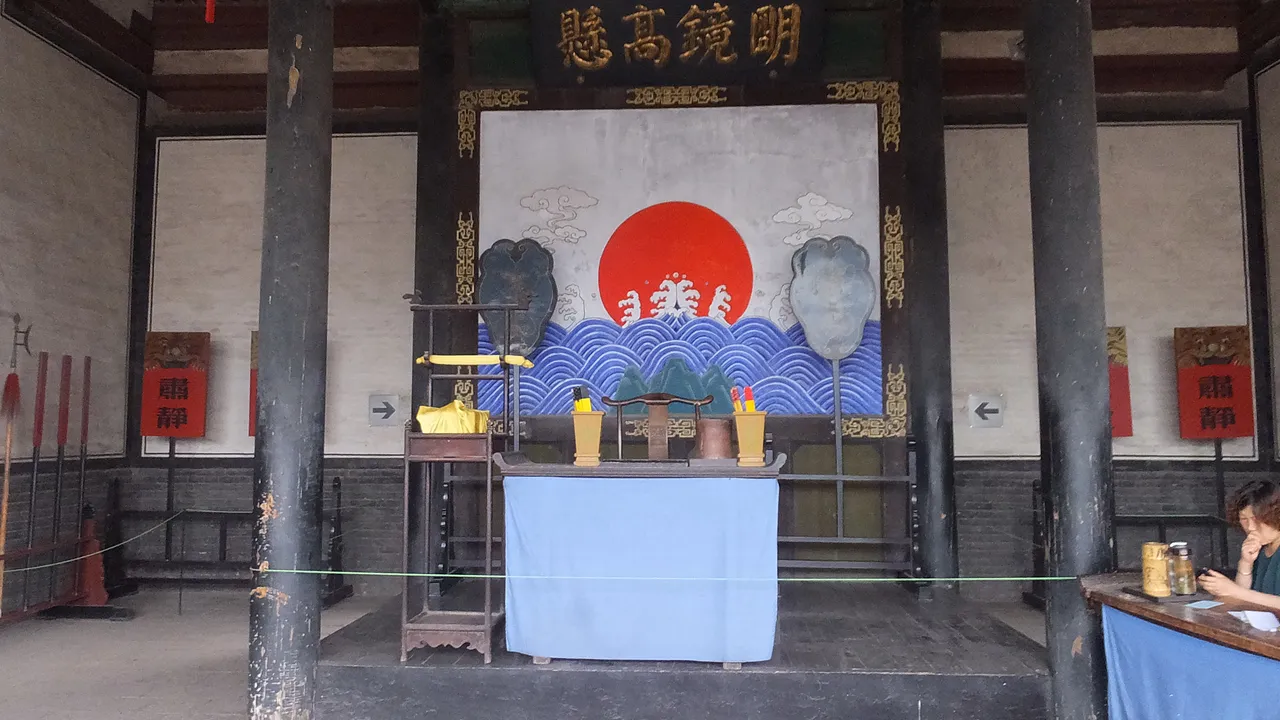
China's best-preserved county government seat — halls, jail and courtyards of an old magistrate's world.
Where the whole street eats — the city's most famous food streets, each with its own guide page.
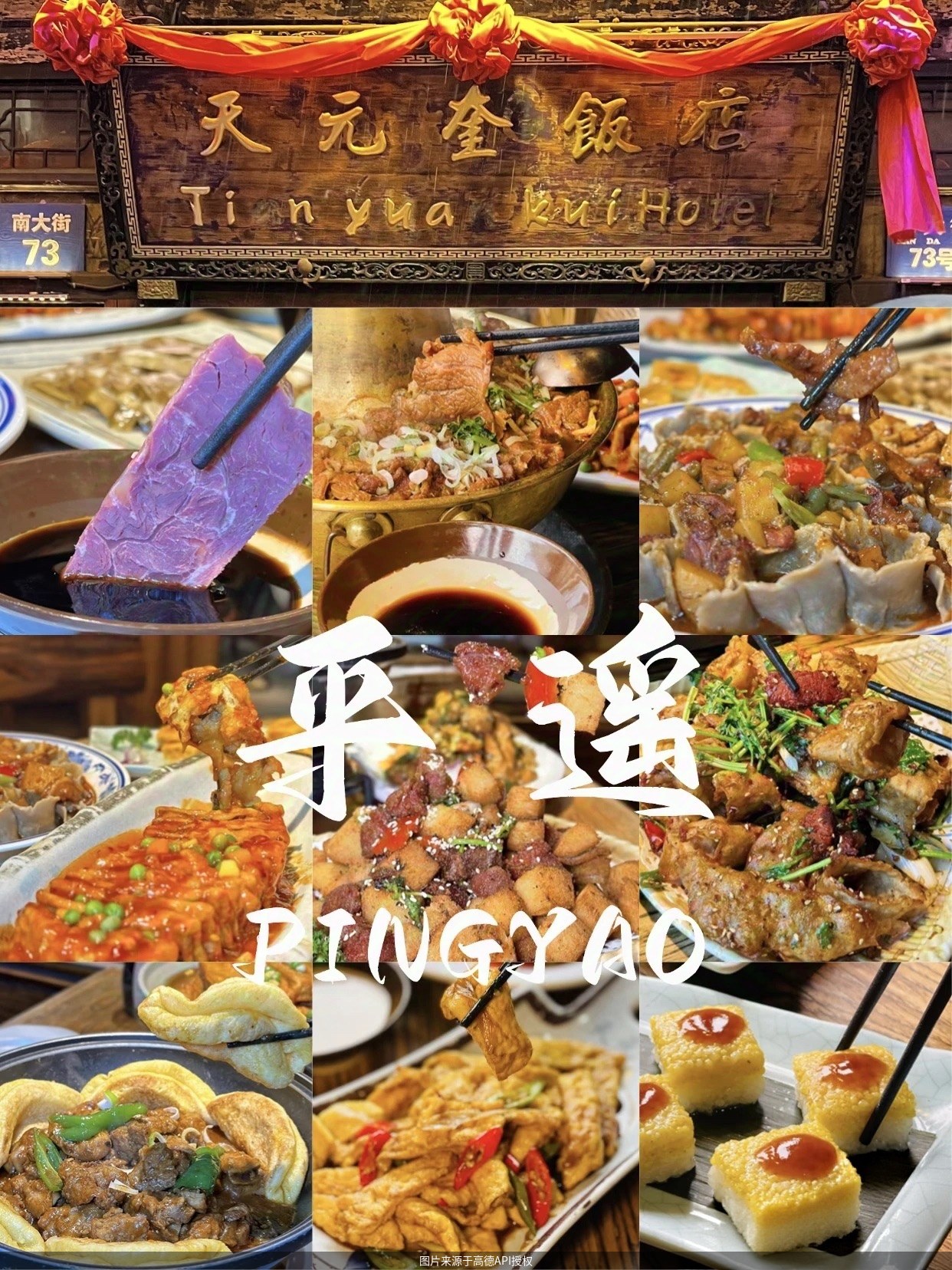
A long-established Jin-cuisine restaurant at 73 South Street. Pingyao beef, kaolaolao, wantu and hand-cut…
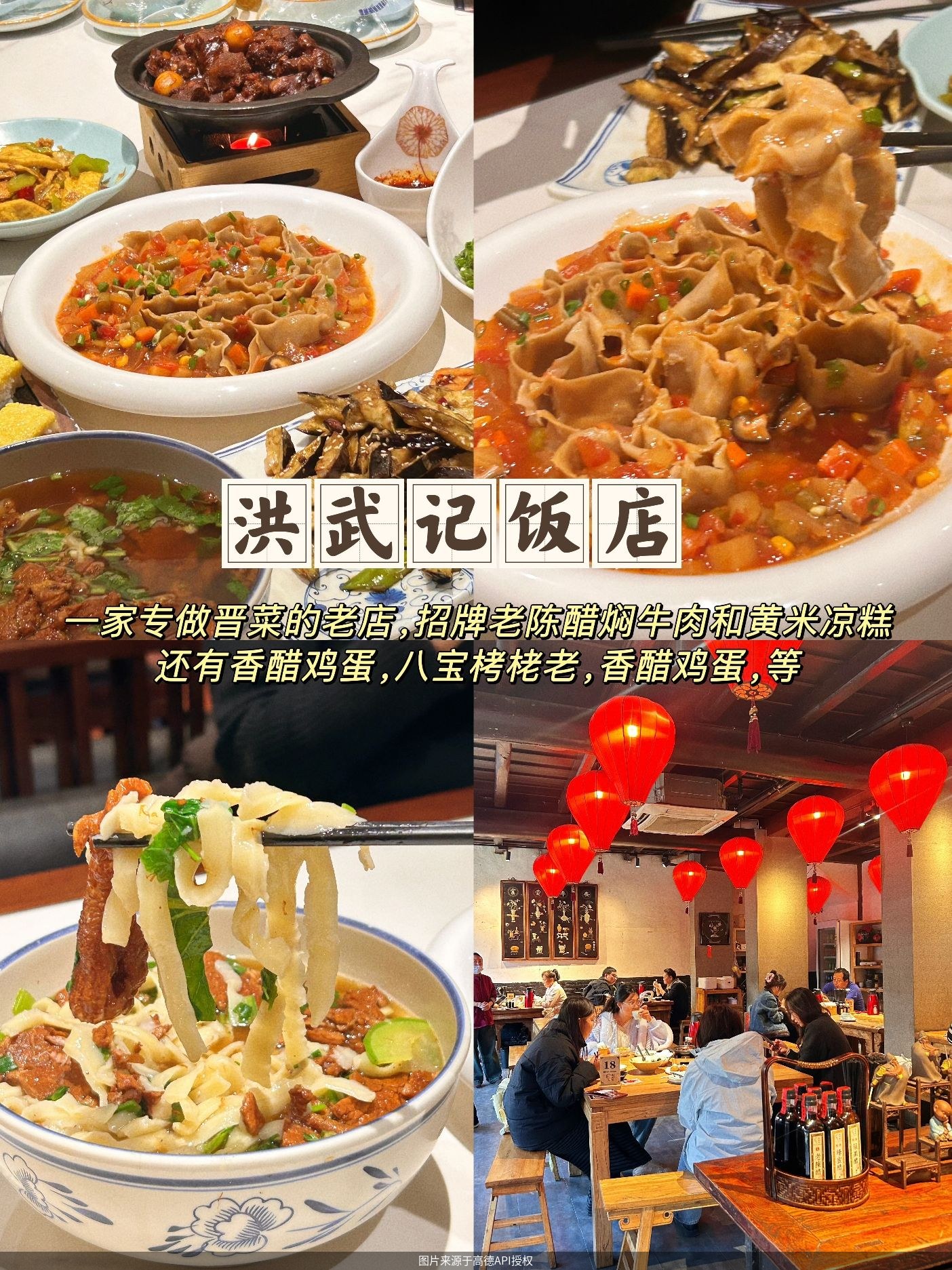
At 84 South Street, this popular eatery serves Pingyao beef, braised knuckle, stir-fried wantu and Shanxi…
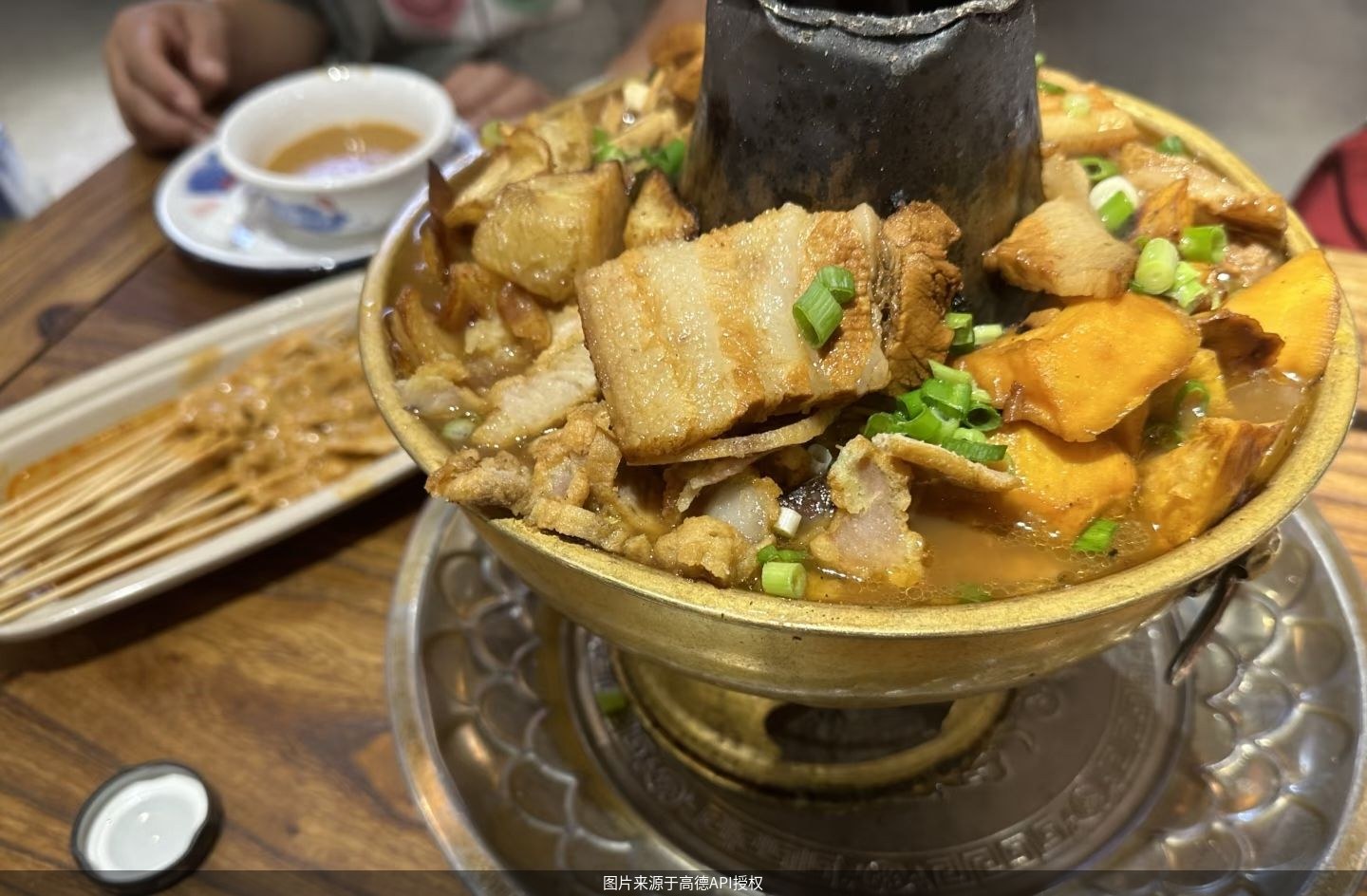
At 112 South Street, this restaurant specialises in the traditional Shanxi copper hotpot. Charcoal-heated…
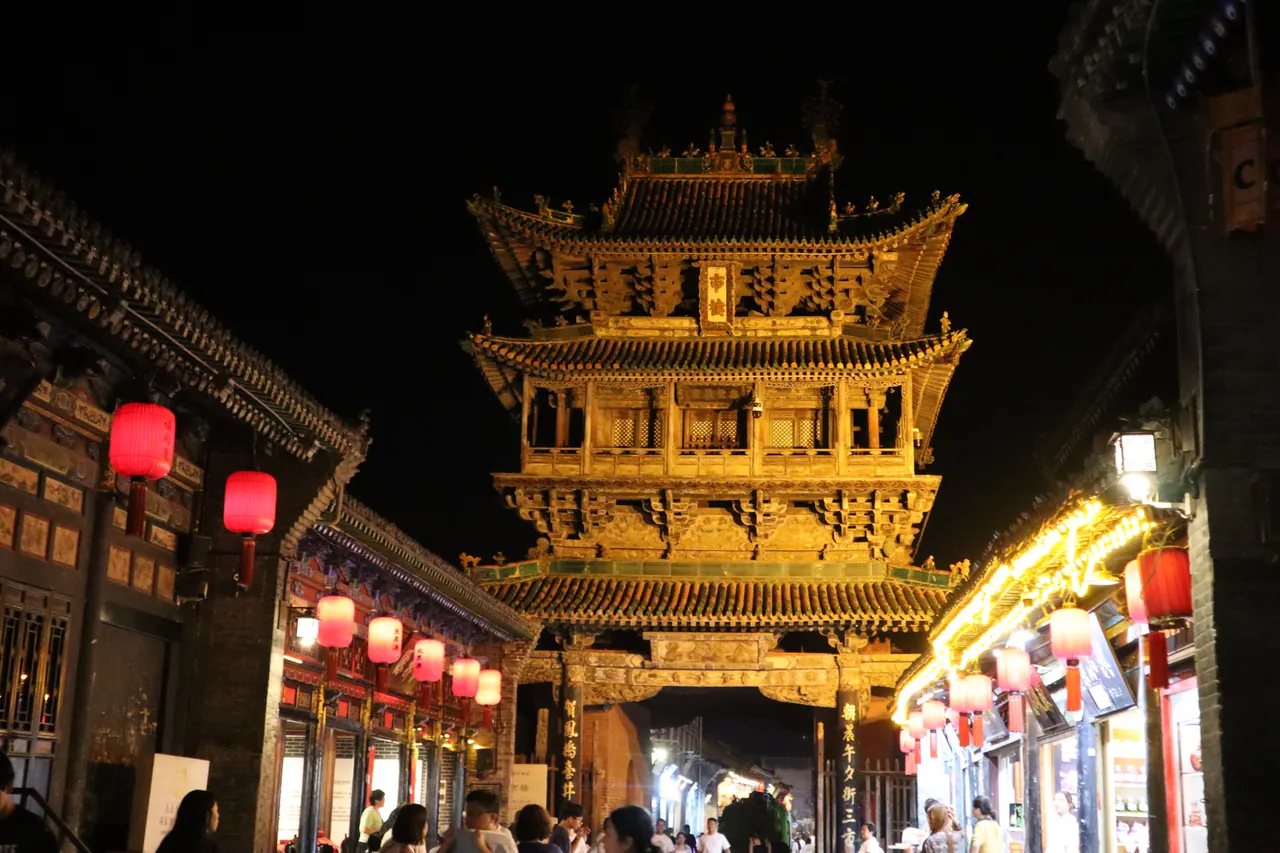
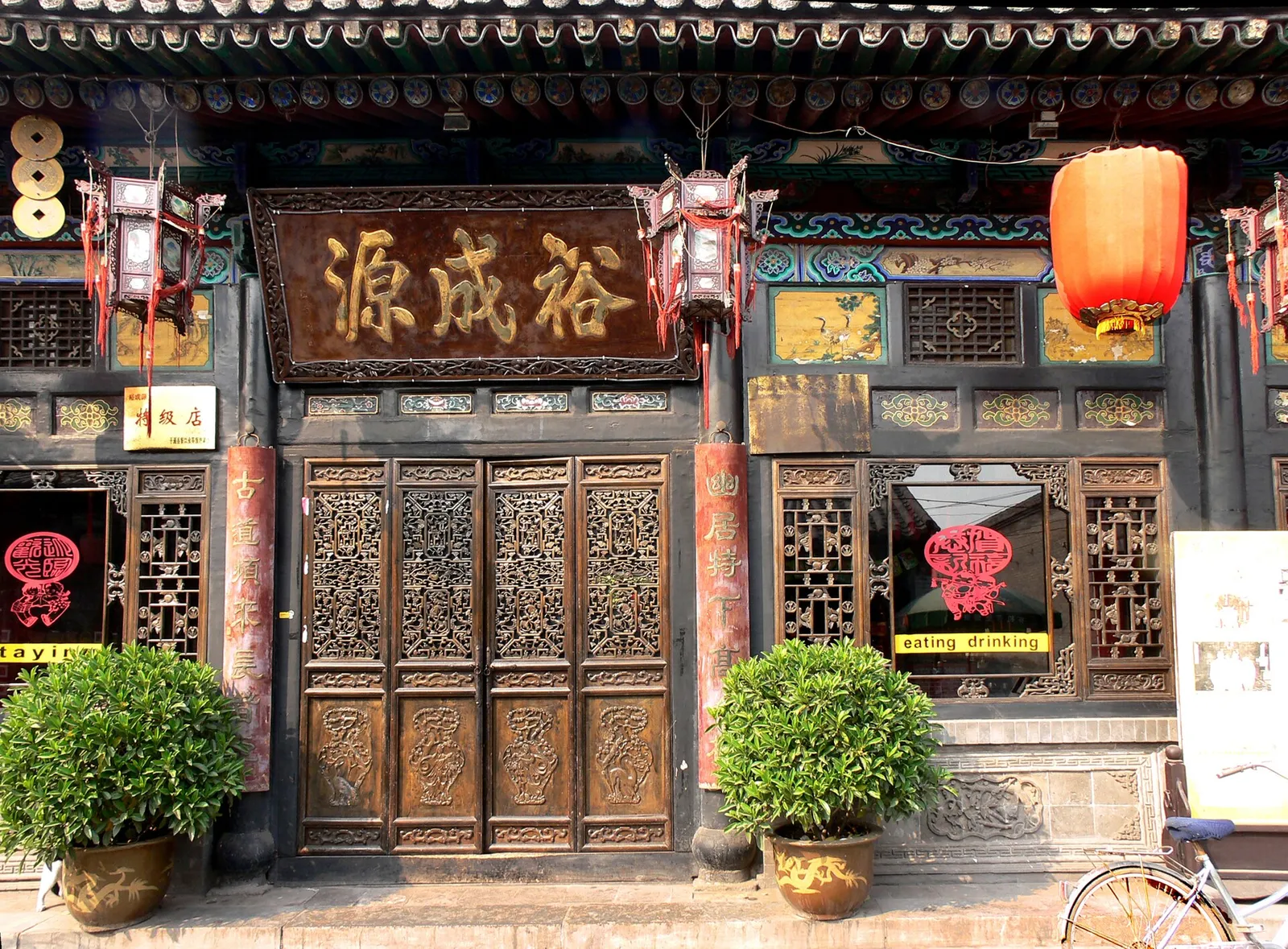
Lanterns, shopfronts and the old bank buildings.
A walk-through performance on Shanxi merchant history.
Sliced cured beef with vinegar and garlic.
Lantern-lit streets and a bowl of beef noodles — the town is best after the day-trippers leave.
Listed sites and the crafts that made this city famous.
A complete Ming-Qing county town with wall, streets, temples and dwellings (1997).
2,000 painted clay sculptures from the Song to Ming dynasties.
Salt-cured and slow-boiled beef, a 300-year-old method.
Shanxi's main opera form, known for its aria style and beard-flipping.
Senior licensed guides with 10+ years in the field and fluent English — deep on history, culture and local life.

Experienced licensed guides with clear English — solid on city highlights, food and day-to-day logistics.
Licensed guides with workable English — a good-value choice for city days, transfers and standard commentary.

Chauffeur-driven by the day, plus airport and intercity transfers.



Private chauffeur-driven vehicles, priced per vehicle not per person. Airport transfer from $45; intercity transfer from $180.
On Wenjing Avenue, this is the Datong-Xi'an high-speed rail station serving Pingyao. Trains link Taiyuan, Xi'an and Beijing from its modern hall, several kilometres from the old city, the chief rail gateway for…
At 14 Zhongdu Road, this conventional station sits on the South Tongpu railway. Trains to Taiyuan, Yuncheng and Xi'an stop here just north of the old city with easy bus links, the traditional hub for ordinary rail…
On Zhongdu East Street, this is Pingyao's main coach station. Buses run to Taiyuan, Jinzhong and nearby counties plus shuttles to the old city, with full facilities and frequent departures, a key hub for road travel in…
On Shuncheng Road, this modern one-stop shopping complex gathers brand retail, dining, cinemas and family entertainment in a bright open space. Linked to nearby commercial blocks, it is a core hub for shopping and…
Around the Shuncheng North and Xiaxiguan Street corner, this bustling pedestrian street is lined with shops for clothing, dining, daily goods and snacks. Heavy foot traffic and lively local colour make it a busy spot…
10 guides split by trip length: one-day city routes, three-day escapes and longer journeys, with stops, costs and transport in each.
Look over the whole city from Yingxun Gate on the wall, catch the yamen's midday court s
Three DaysThree Heritage Days in Pingyao: A Complete Reader from Yamen to ShuanglinDay one decodes the county's power and finance, day two chains banks, escort agencies an
Multi-DayPingyao in Five Classic Days: One Old Town and Its Two WingsThree days exhaust the walled city, wall, yamen, banks and temples; one day for Shuangli
Real routes, real travellers — a sense of what a trip looks like.
Most travellers spend 3 days here. Add a day for a side trip if you want a slower pace.
Spring and autumn are usually the most comfortable. Check the seasonal notes above before booking.
We arrange airport/rail transfers and private drivers. Tell us your arrival point and we plan the connection.
Send an enquiry and a human expert replies within 12 hours with a draft plan and real prices. Flexible rescheduling; clear cancellation terms in your quote.
2-day private itineraries in Pingyao start from $540 per person, two travelling together. Your proposal itemises hotels, tickets, guide and car — no hidden fees.
Entering the town is free; a combined ticket covers the wall, bank, court and 20+ sights, valid for three days.
The main streets are; walk into the lanes and stay overnight to see the town without crowds.
Recent listed prices: Pingyao Ancient City ¥125; Shuanglin Temple ¥35; Zhenguo Temple ¥25; Rishengchang Exchange Shop included. Ticket prices change seasonally — we confirm them in your quote.