 TripMyChinaJOURNEYS THROUGH REAL CHINA✦ AI Trip✦ Plan My Trip
English
简体中文
繁體中文
日本語
한국어
ไทย
Tiếng Việt
Bahasa Indonesia
Italiano
Español
العربية
Русский
Deutsch
Français
Bahasa Malaysia
TripMyChinaJOURNEYS THROUGH REAL CHINA✦ AI Trip✦ Plan My TripThe Lost Horizon — Shangri-La recreates a pure land on earth with the golden roofs of Songzanlin Monastery, the lake scenery of Pudacuo, and Tibetan charm.
Shangri-La sits in the Diqing Tibetan Autonomous Prefecture in northwestern Yunnan, on the southeastern edge of the Tibetan Plateau. The city occupies a high valley ringed by mountains, with the Yangtze River's Tiger Leaping Gorge cutting through the terrain to the south. It serves as the administrative and transport hub for the surrounding Tibetan pastoral region.
The area was historically known as Zhongdian and formed part of the Tibetan cultural sphere, with trade routes linking Yunnan to Tibet passing through the valley. The old town of Dukezong grew around a hilltop temple and became a stopping point for caravans. The name Shangri-La was adopted in the early 2000s, drawing on the fictional ideal from James Hilton's novel, though the Tibetan character of the place predates the label.
Most visitors begin in Dukezong Old Town, where the cobbled lanes climb to Guishan Park and its large prayer wheel. From there, Songzanlin Monastery spreads across a hillside north of the city, while Napa Lake wetland lies to the northwest. Further afield, Pudacuo National Park protects alpine lakes and forest, Baishuitai shows terraced travertine pools, and Tiger Leaping Gorge offers some of the region's most dramatic hiking.
Shangri-La covers an area of approximately 11,613 square kilometers and has a population of around 170,000, predominantly Tibetan. It is part of the Diqing Tibetan Autonomous Prefecture and is renowned as a gateway to the Three Parallel Rivers UNESCO World Heritage Site.
World-class, national and global recognition earned over the decades.
The gorges north of Shangri-La form part of the 2003 World Heritage site.
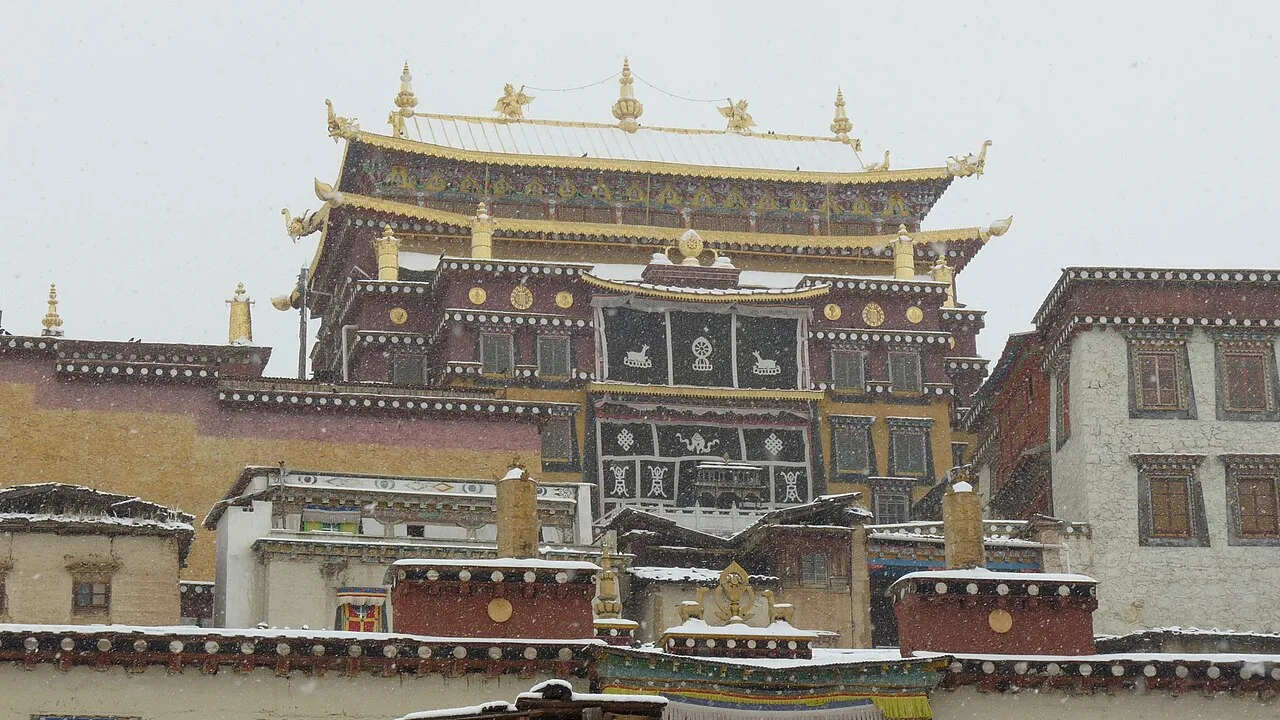
Songzanlin houses 700 monks and is modelled on the Potala.
Zhongdian was renamed in 2001 after the paradise in 'Lost Horizon'.
China's first national park (2007).
A 1,300-year-old Tea Horse Road town.

The moments that shaped the city — and the stories its people still tell.
The area came under the Tibetan empire and became part of Kham.
The Fifth Dalai Lama's project created Yunnan's main Gelug monastery.
Zhongdian County was renamed for tourism.
China's first national park opened.
Tibetan texts describe a hidden kingdom of peace behind the snow mountains — the origin of Shangri-La.
Three paces, one city — every route built from places we actually operate.
Weather, crowds and the best months for what you want to see.
Wild flowers and clear mountain views.
The best season — golden meadows and clear skies.
The rainy season, but the grassland is greenest.
Cold and quiet, with snow on the monastery roofs.
What this city is known for — the things worth planning your day around.
The places worth building a day around.
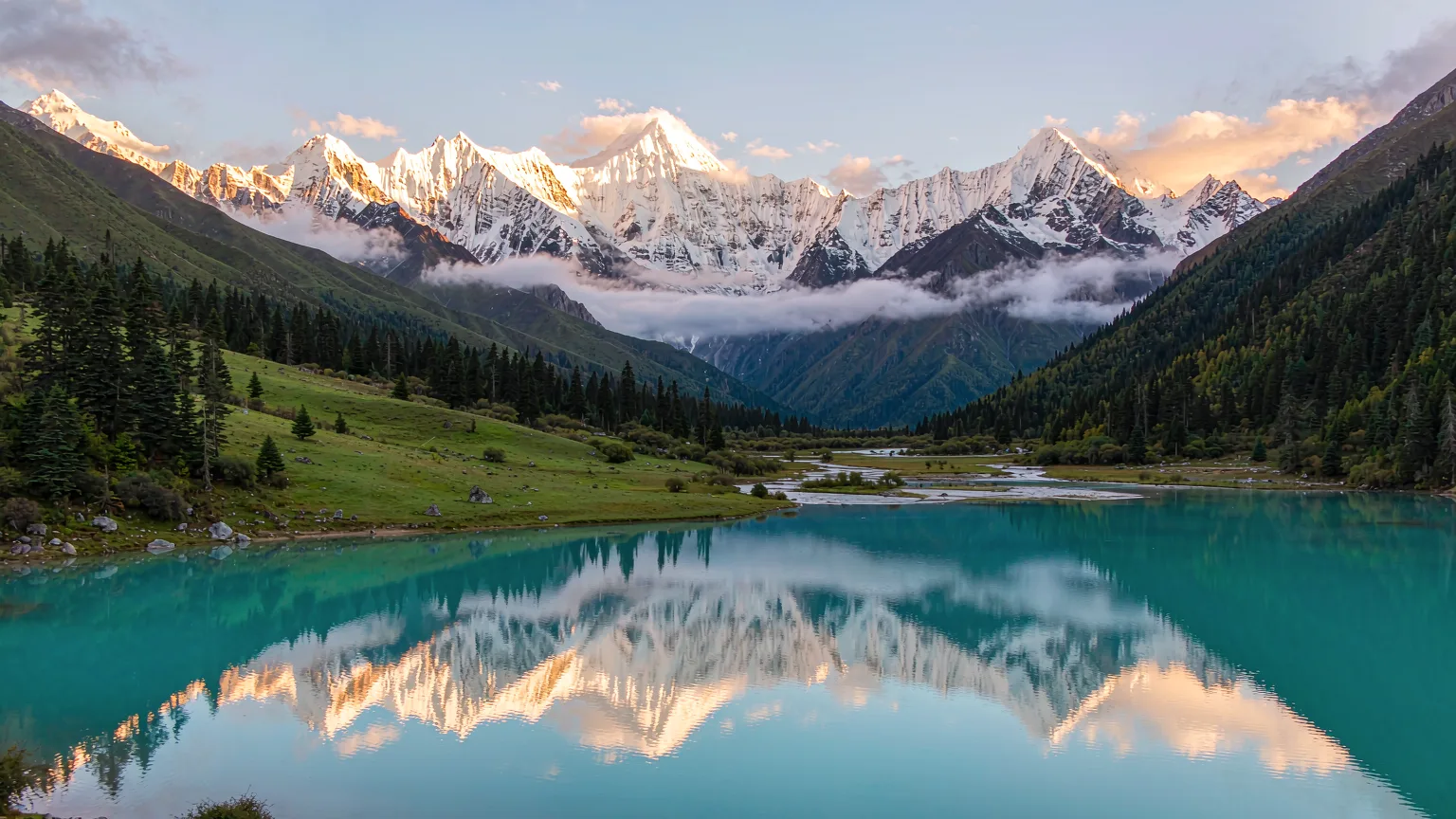
China's first national park, designated in 2007, at 3,500 to 4,200 metres: two lakes, a wetland, and 20 kilometres of boardwalk through spruce forest.
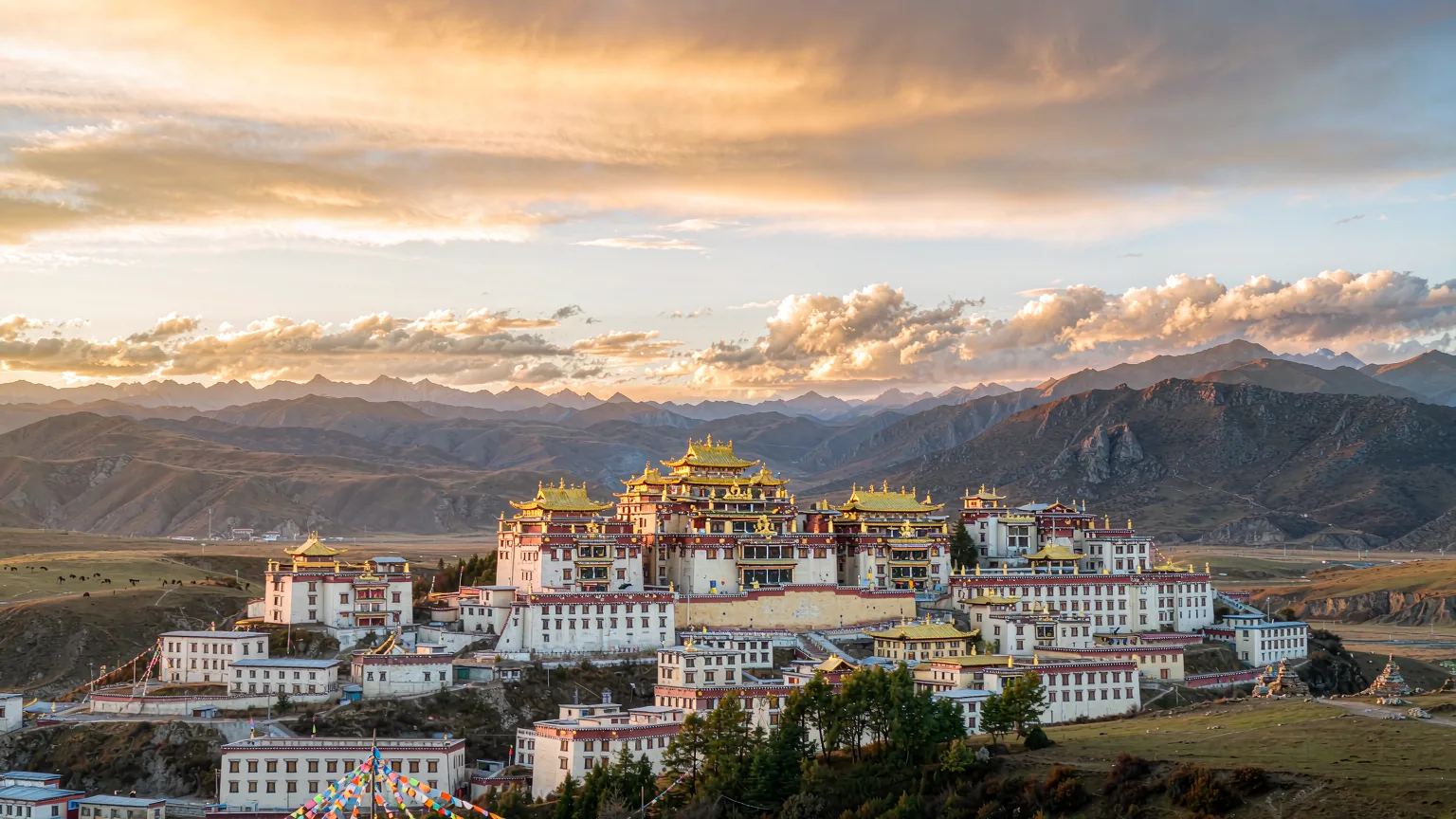
The largest Tibetan Buddhist monastery in Yunnan, founded in 1679 on a hillside 5 kilometres north of Shangri-La, with 300 monks in residence and a ma
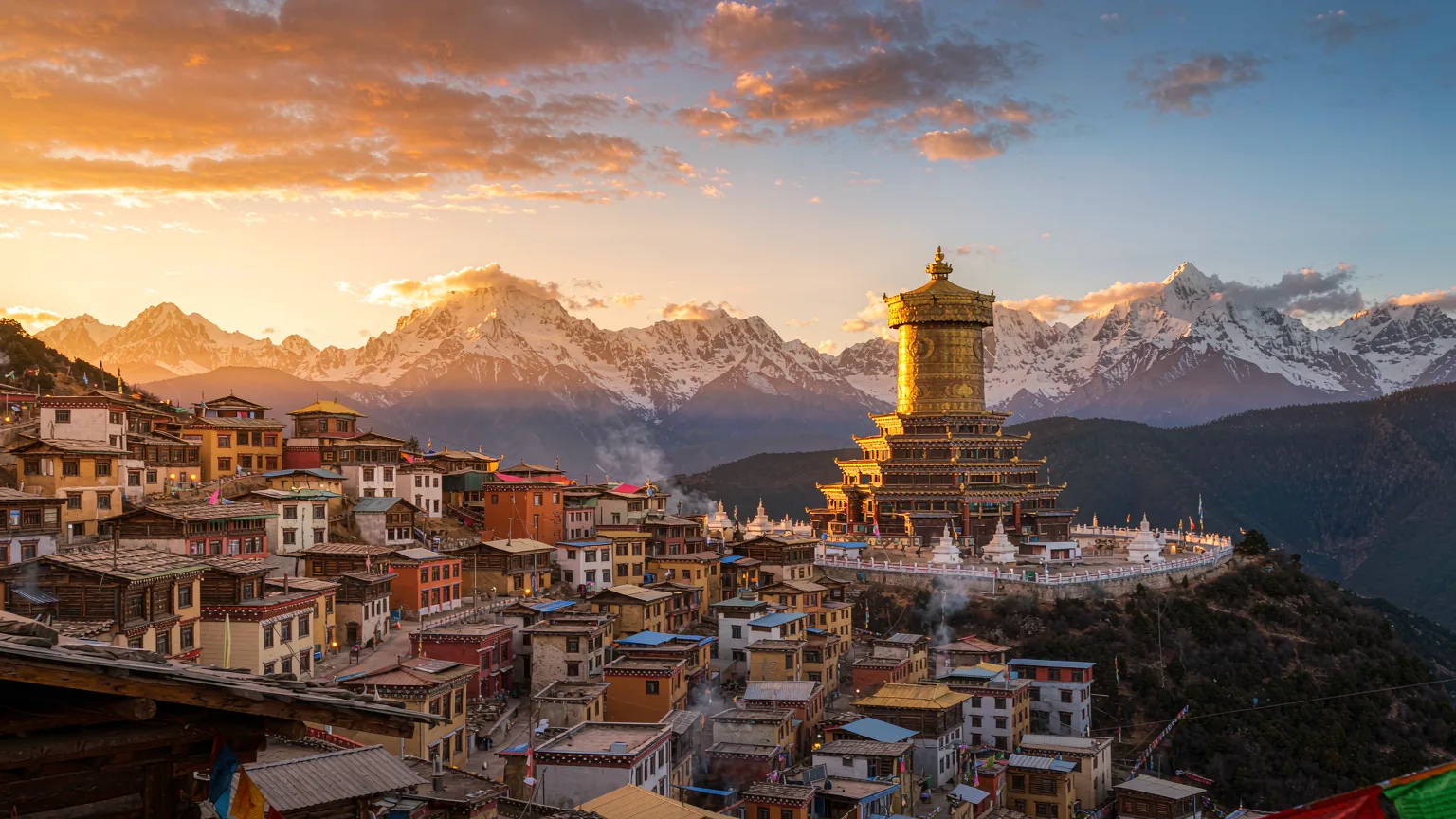
The old town of Shangri-La, built by Tibetan traders on the Tea Horse Road, burned down in January 2014 and rebuilt almost entirely. What is left of t
A little further out, for a spare half-day.
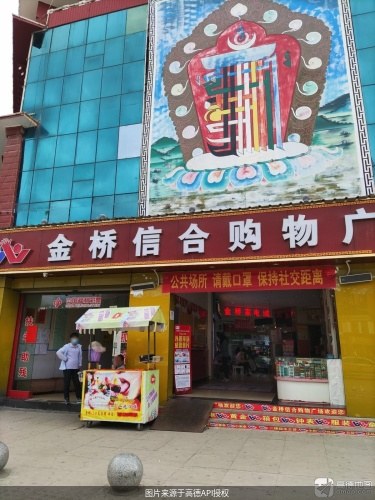
On Dongwang Road, this is one of Shangri-La's larger shopping complexes. It gathers branded apparel, daily…
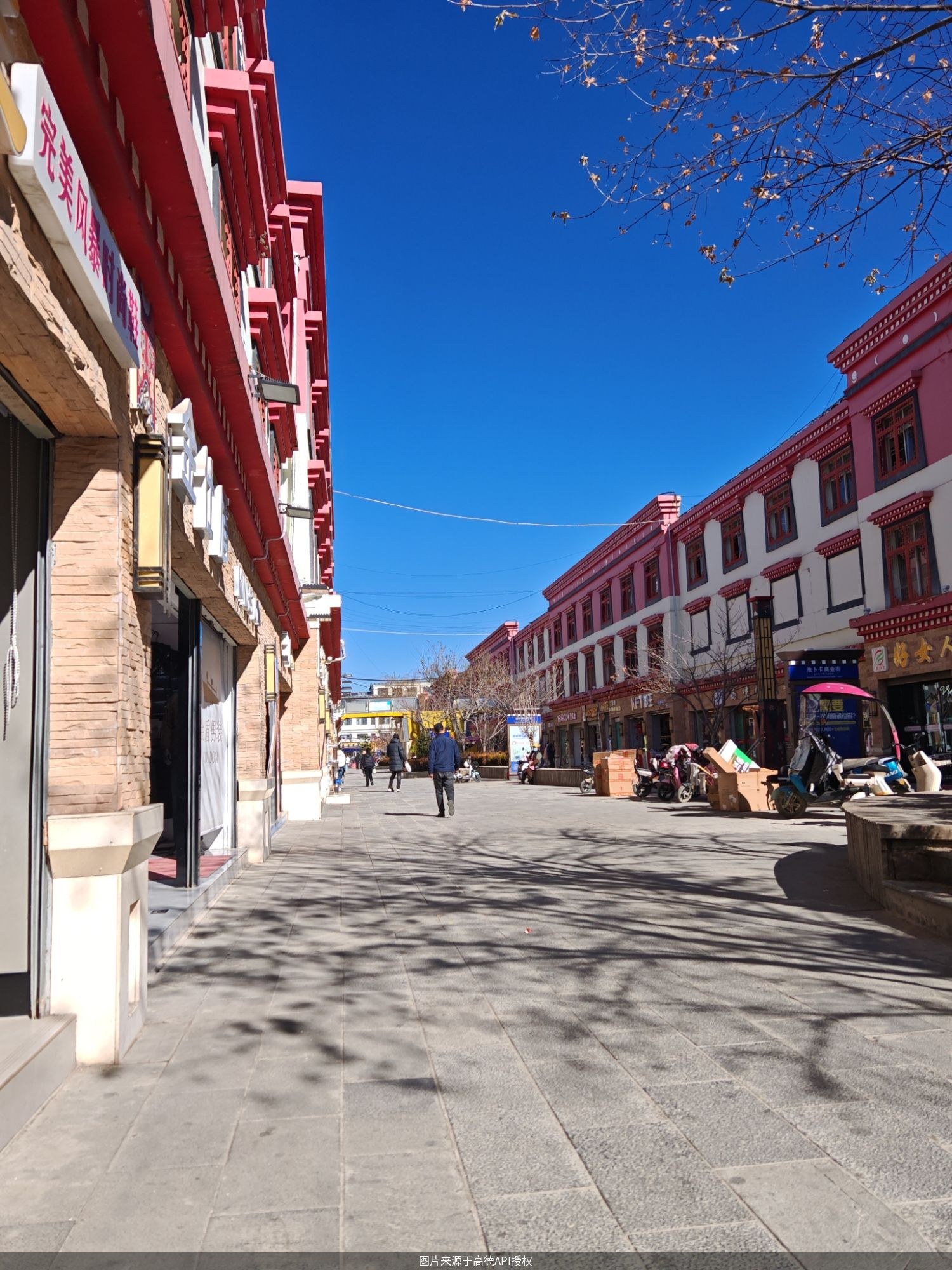
On Dongwang Road, this is Shangri-La's main pedestrian shopping street. Shops along both sides sell Tibetan…
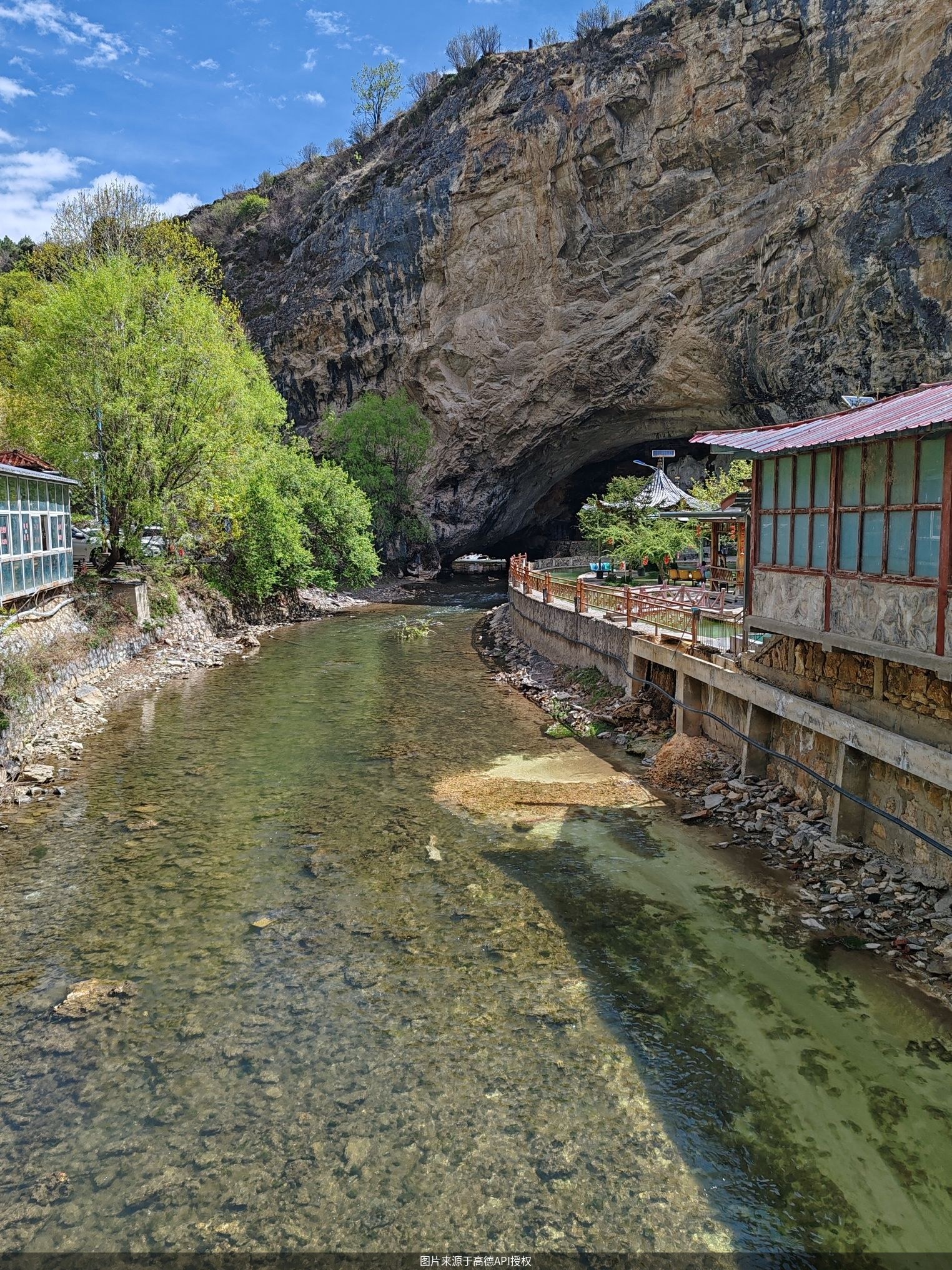
Northeast of the city, this natural geothermal spring is named for the natural stone bridge spanning its…
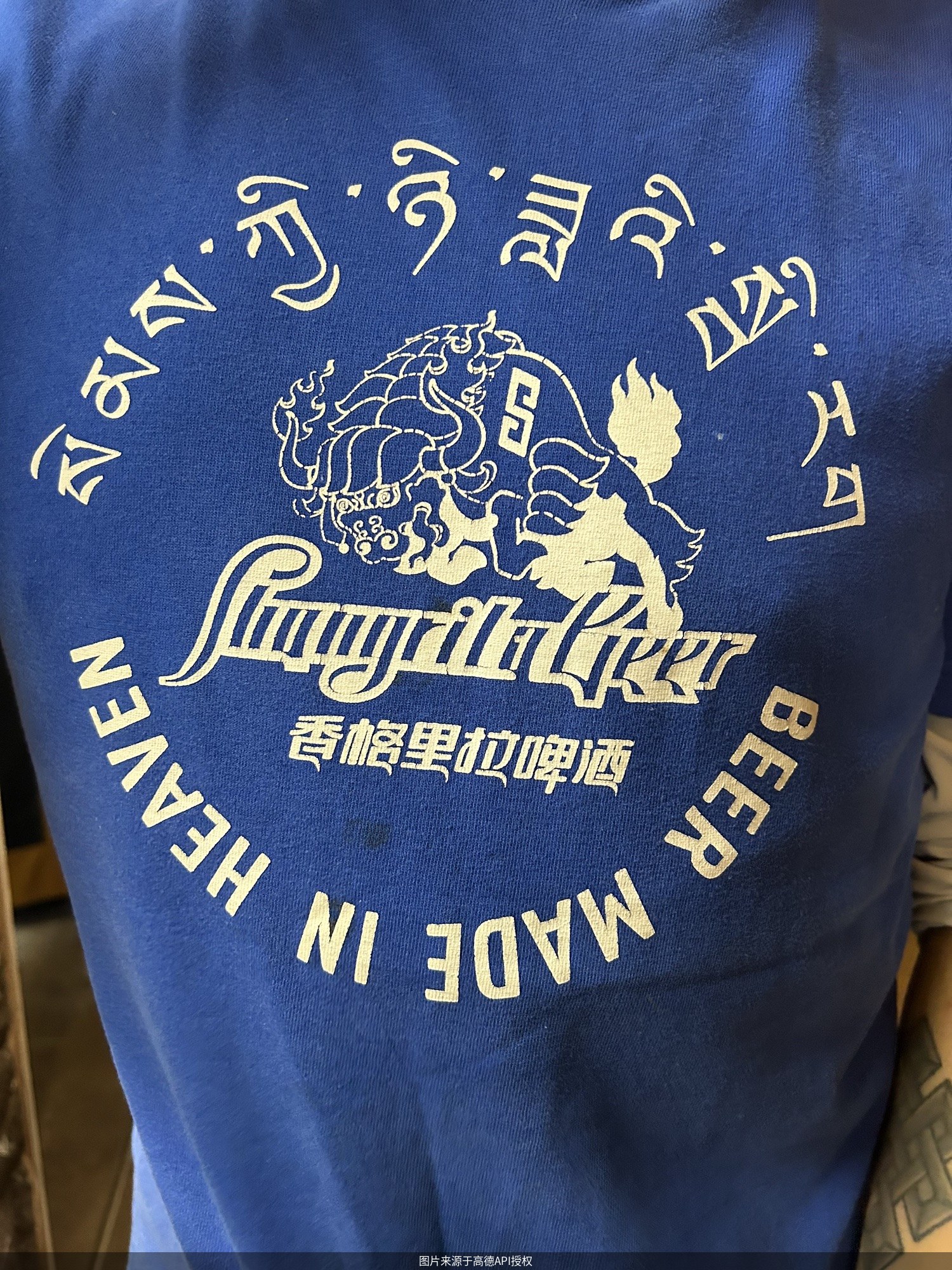
On Hongxue Lane in the old town, this taproom belongs to a local Shangri-La beer brand. It serves craft beer…
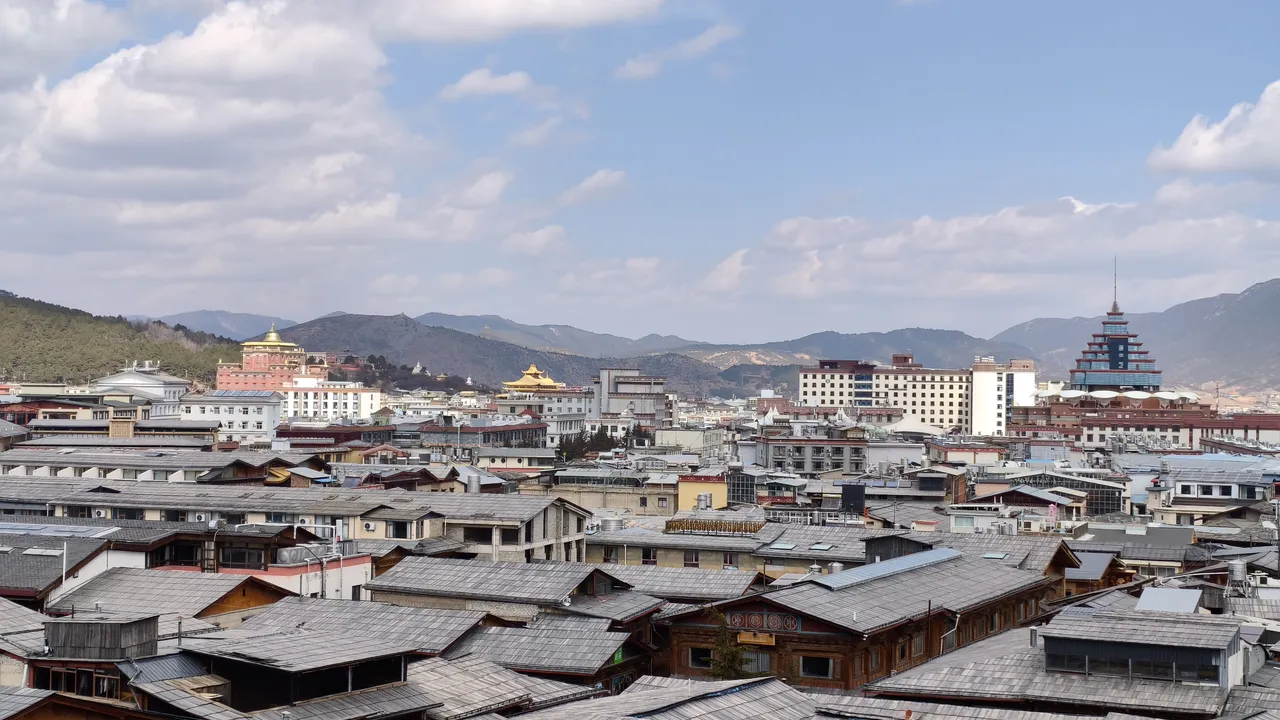
Climb Guishan Hill, lend your hands to a giant prayer wheel, and turn to face the whole of Dukezong old town.
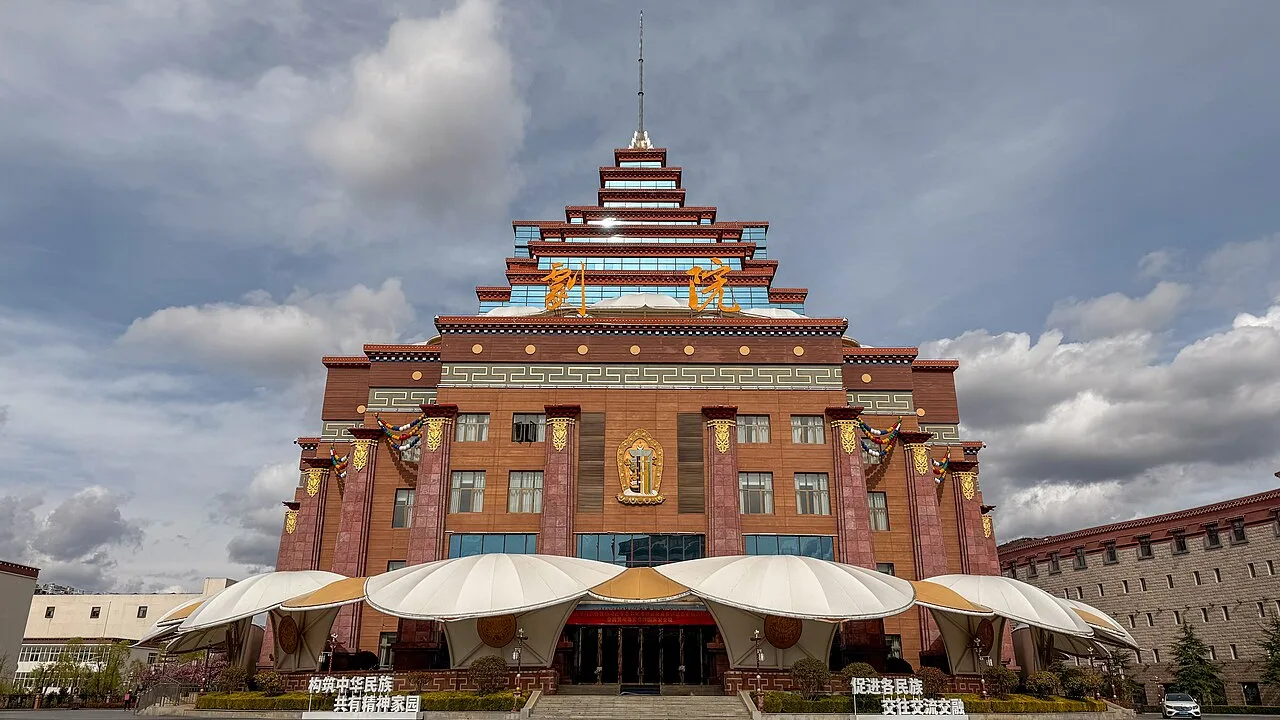
Inside Diqing Culture Square on Chici Street, this is a key ethnic-performance venue for the prefecture. It…
Museums, galleries and workshops still keeping old crafts alive.
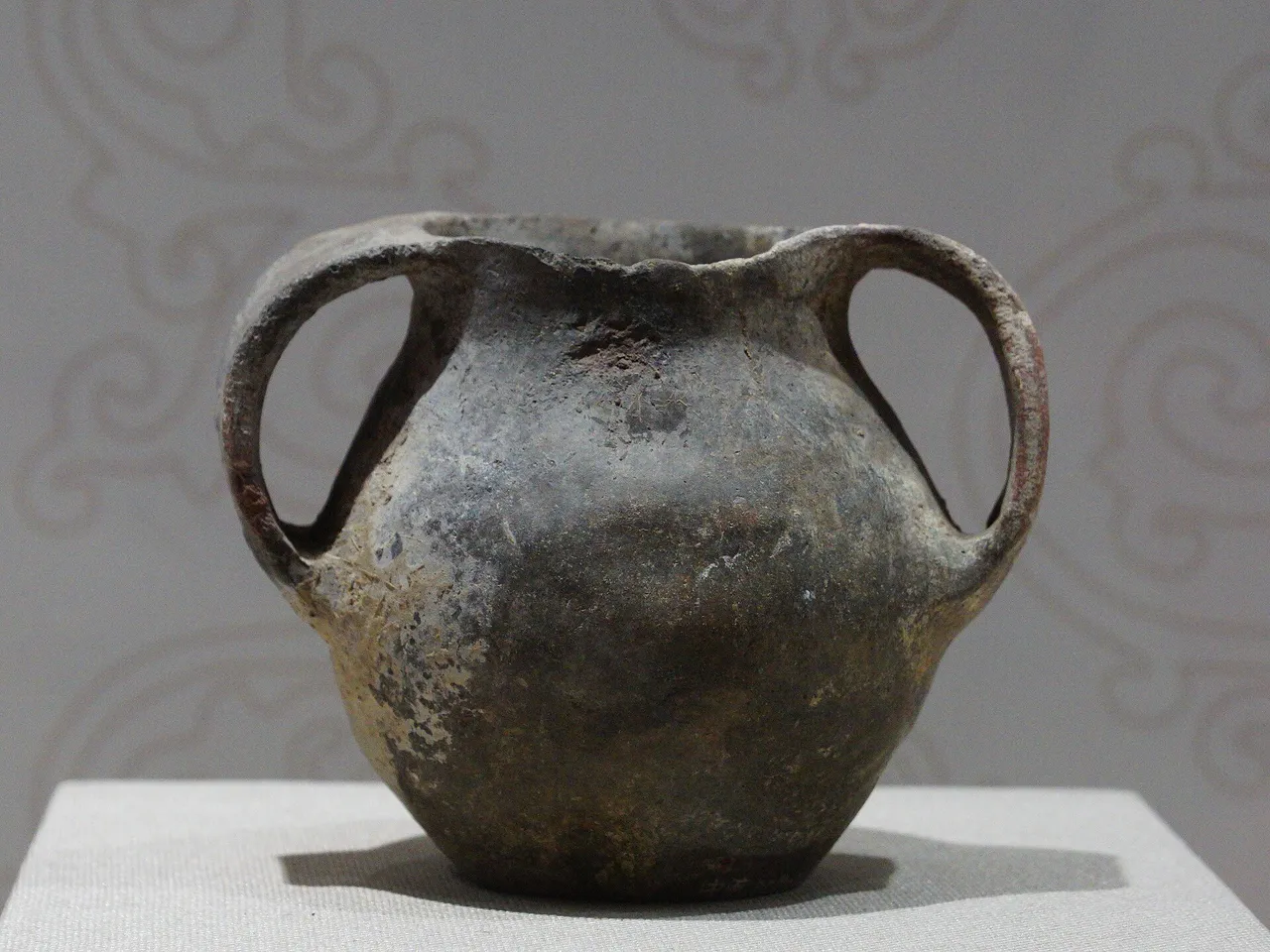
On Moonlight Square, this general museum presents Diqing's history and ethnic cultures. Its collections of…
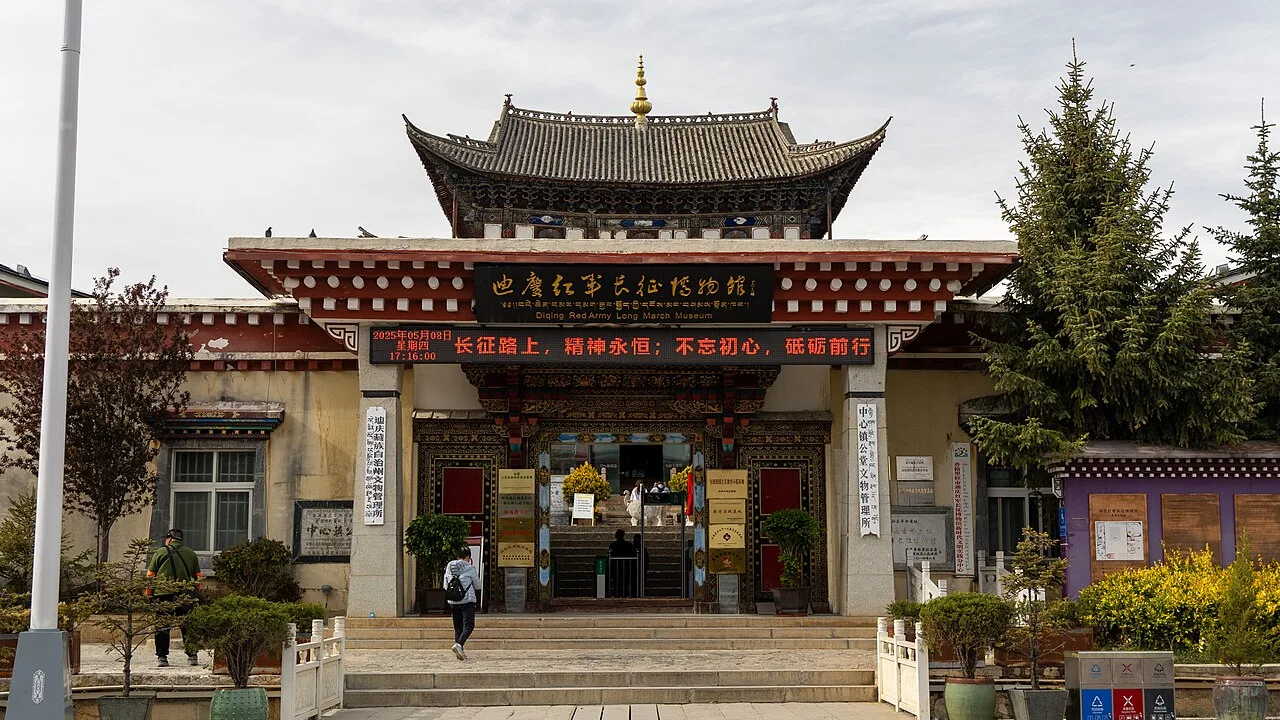
On Jinlong Street in the old town, this thematic museum commemorates the Red Army's Long March through…
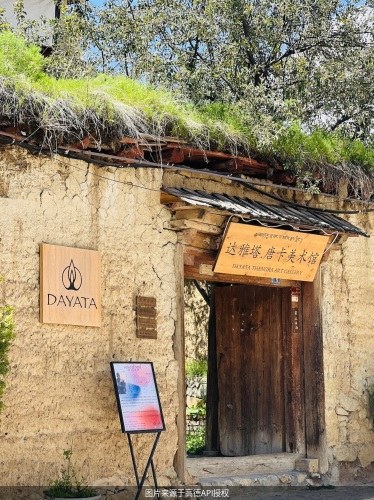
On Jinlong Street in the old town, this studio focuses on Tibetan thangka painting. Run by thangka artists…
Where the whole street eats — the city's most famous food streets, each with its own guide page.
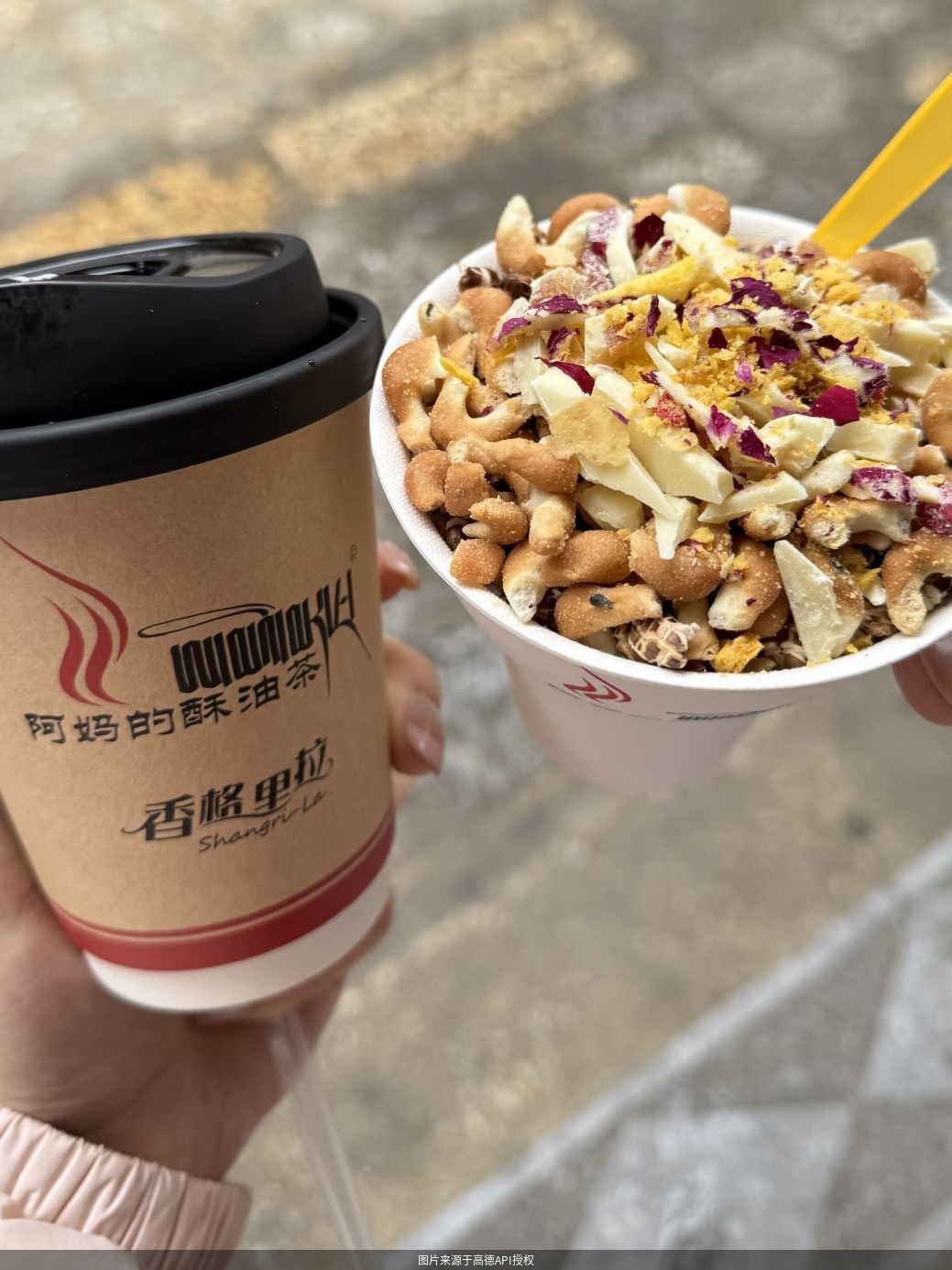
On North Gate Street in the old town, this small shop specializes in butter tea, Shangri-La's signature…
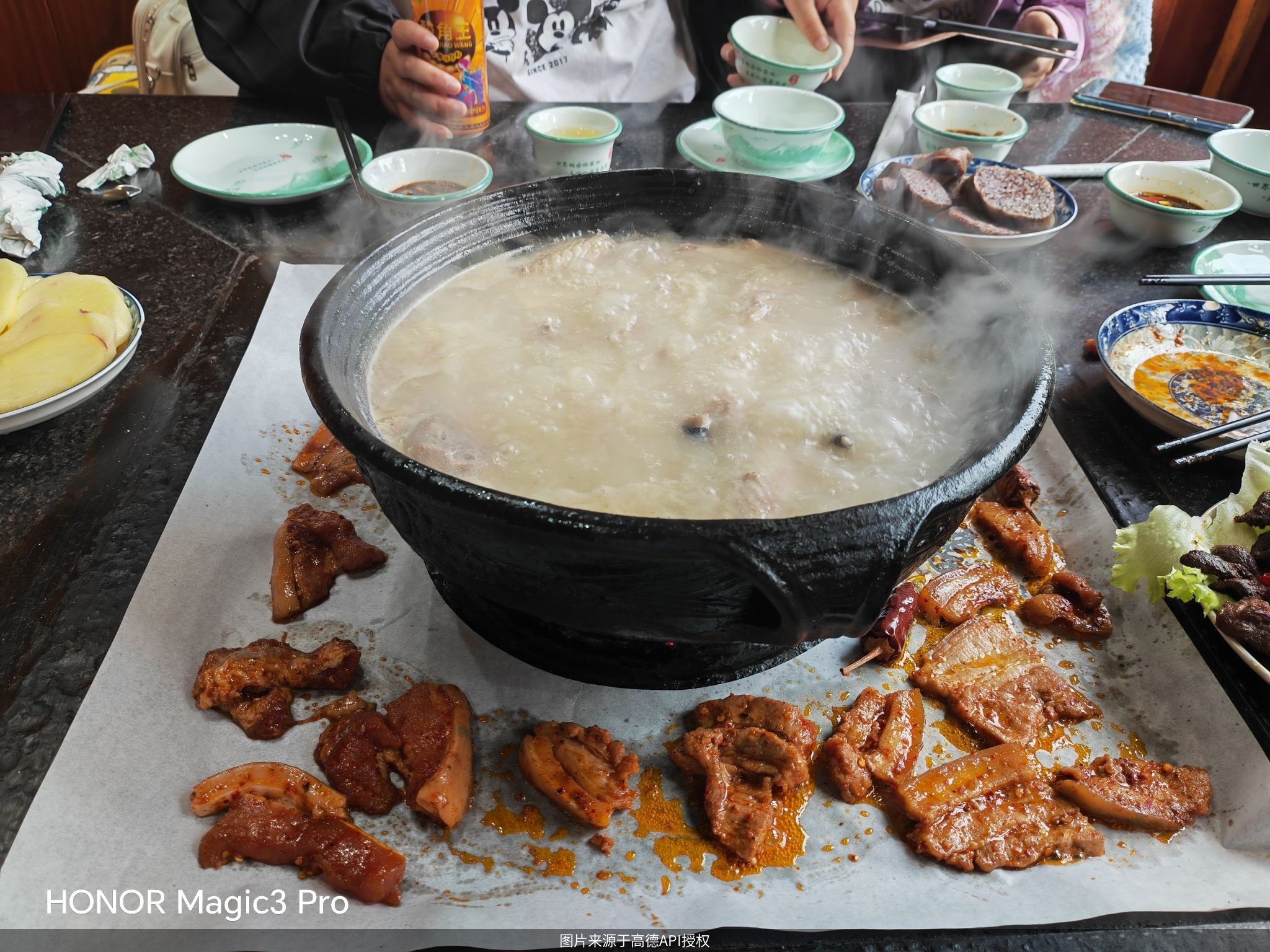
On Longtan North Road, this restaurant specializes in tuguaji, a signature clay-pot chicken from Nixi…
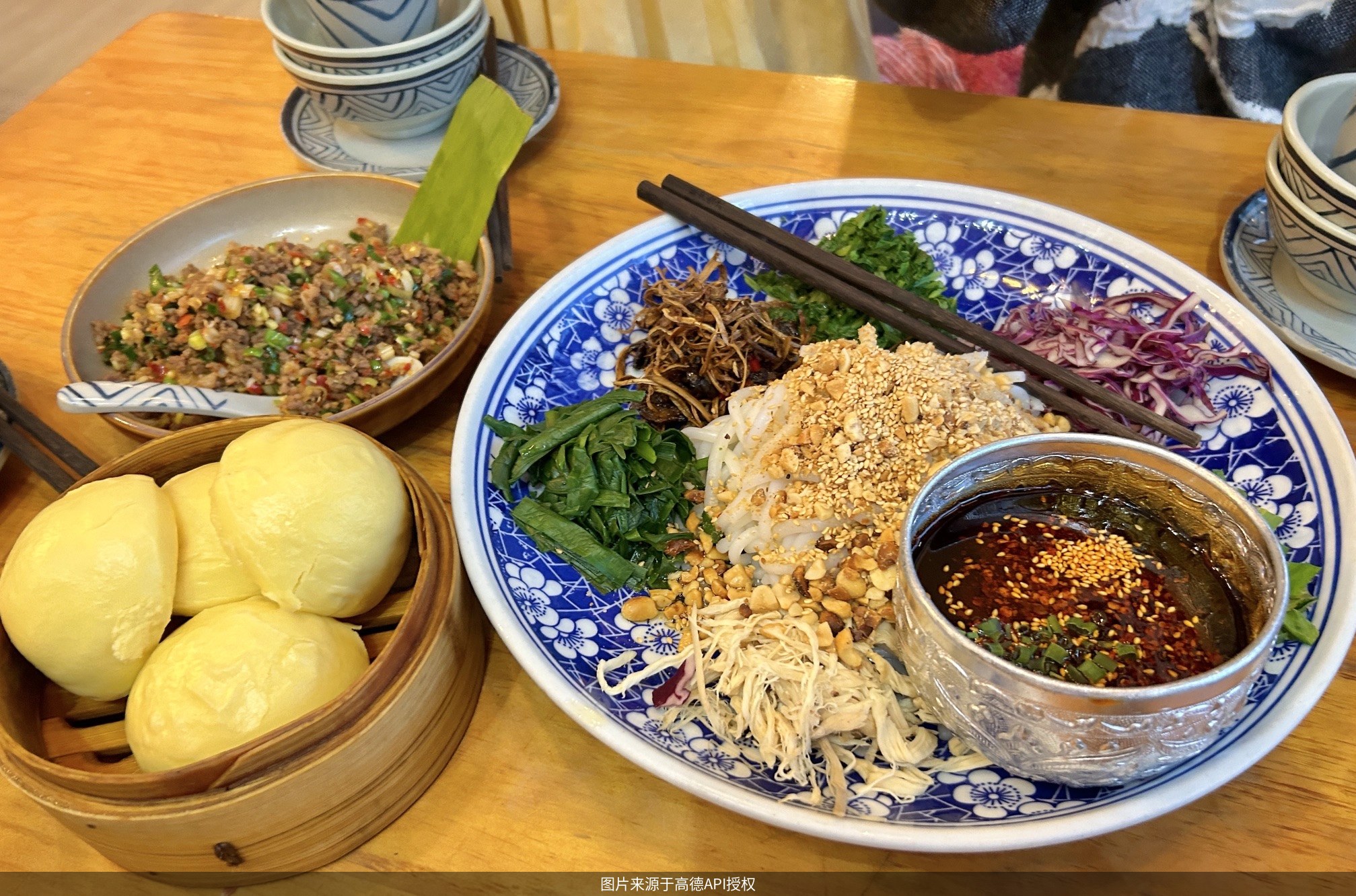
In Zuobari of the old town, this well-known Tibetan restaurant serves yak-meat hotpot, butter tea, tsampa and…
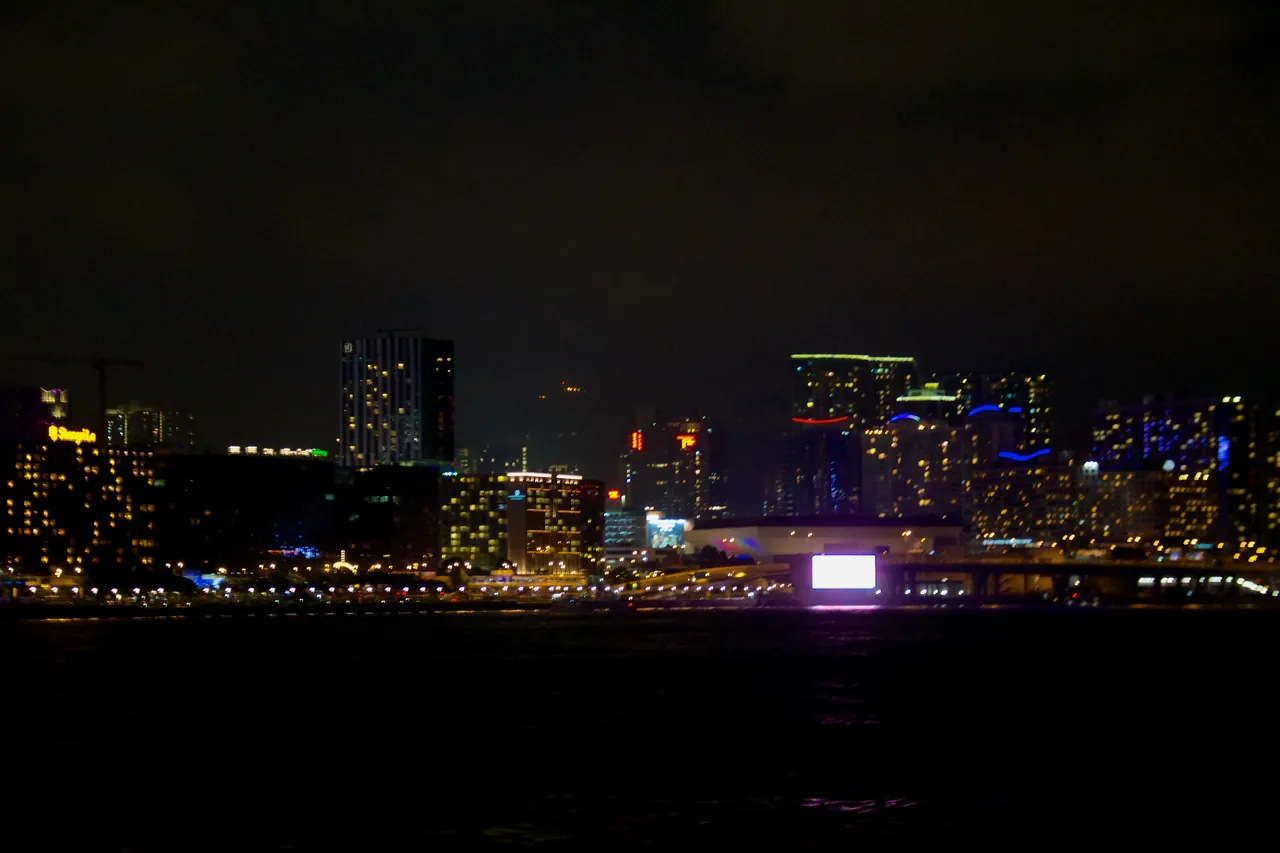
The world's largest, lit at night.
Tibetan hotpot with wild mushrooms.
Cold nights — butter tea, yak hotpot and the lit prayer wheel.
Listed sites and the crafts that made this city famous.
The gorges where three great rivers run parallel (2003).
Yunnan's largest Tibetan Buddhist monastery (1679).
Masked song-and-dance drama, UNESCO heritage.
Mineral-pigment scroll painting.
Senior licensed guides with 10+ years in the field and fluent English — deep on history, culture and local life.

Experienced licensed guides with clear English — solid on city highlights, food and day-to-day logistics.

Licensed guides with workable English — a good-value choice for city days, transfers and standard commentary.

Chauffeur-driven by the day, plus airport and intercity transfers.
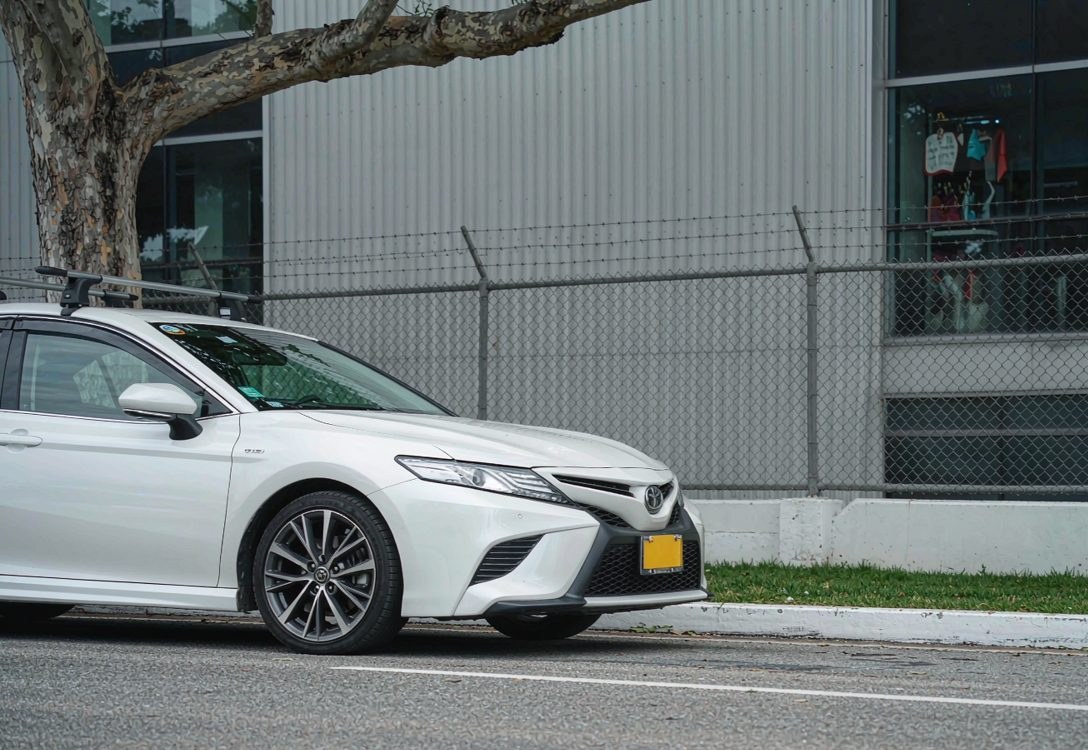

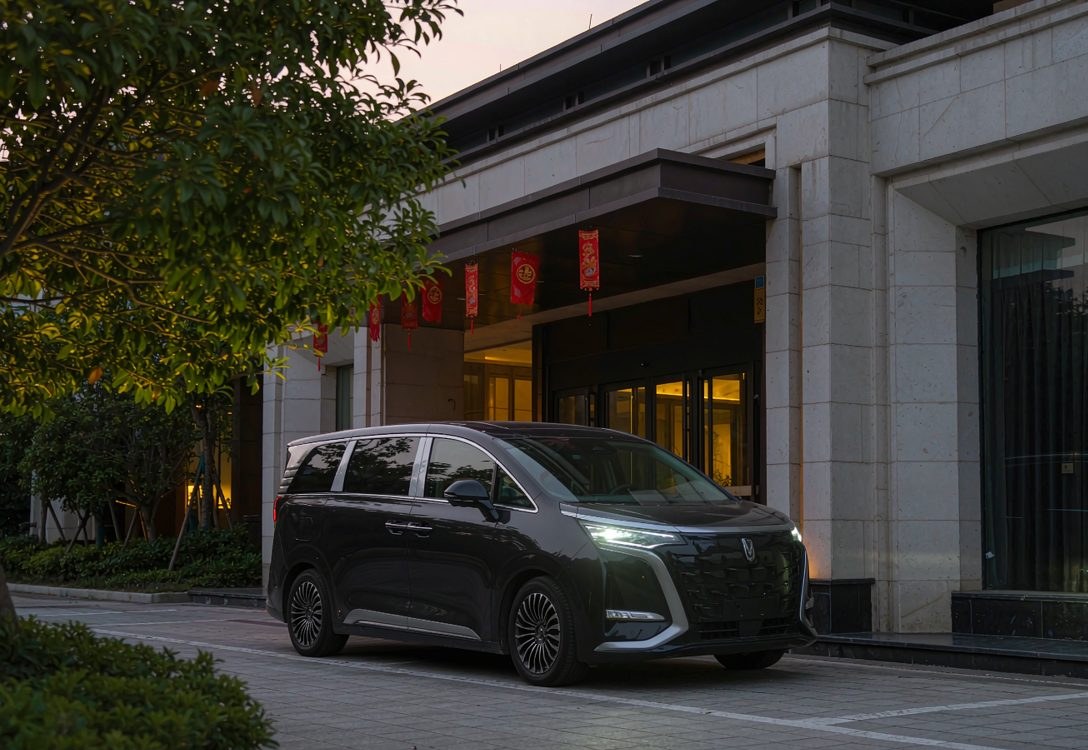
Private chauffeur-driven vehicles, priced per vehicle not per person. Airport transfer from $45; intercity transfer from $180.
Southwest of the city, this is Diqing Prefecture's air gateway and one of the world's higher-altitude airports. It operates flights to Kunming, Chengdu, Chongqing and more, offering convenient air access to Shangri-La…
In the city, this is the terminus of the Lijiang-Shangri-La section of the Yunnan-Tibet Railway. It runs high-speed services to Kunming, Dali and Lijiang, and with the airport and bus station forms Shangri-La's…
On Shambhala Avenue, this is Shangri-La's main road-transport hub. Coaches run to Kunming, Lijiang, Dali and prefecture towns such as Deqin and Weixi, with tourist routes to Balagezong and Baishuitai — the key transfer…
On Dongwang Road, this is one of Shangri-La's larger shopping complexes. It gathers branded apparel, daily goods, a supermarket and dining, serving as the main commercial hub for local consumption and tourist supplies…
On Dongwang Road, this is Shangri-La's main pedestrian shopping street. Shops along both sides sell Tibetan handicrafts, clothing, daily goods and snacks, dense with shoppers and street life — a representative…

10 guides split by trip length: one-day city routes, three-day escapes and longer journeys, with stops, costs and transport in each.
The little Potala in the morning, the world's largest prayer wheel at midday, Napa Lake
Multi-DayFive Classic Days in Shangri-La: Old Town, Monastery and Two Great ParksOld town and monastery for grounding, Potatso and the gorge one day each, Napa and Shika
Real routes, real travellers — a sense of what a trip looks like.
Most travellers spend 3 days here. Add a day for a side trip if you want a slower pace.
Spring and autumn are usually the most comfortable. Check the seasonal notes above before booking.
We arrange airport/rail transfers and private drivers. Tell us your arrival point and we plan the connection.
Send an enquiry and a human expert replies within 12 hours with a draft plan and real prices. Flexible rescheduling; clear cancellation terms in your quote.
2-day private itineraries in Shangri-La start from $590 per person, two travelling together. Your proposal itemises hotels, tickets, guide and car — no hidden fees.
The town is at 3,200 m — higher than Lhasa. Take the first day slowly and we carry oxygen in the car.
It was renamed for tourism in 2001; the landscape matches the novel, but the name is a modern choice.
Recent listed prices: Potatso National Park ¥100; Songzanlin Monastery ¥90; Dukezong Ancient Town free; Tiger Leaping Gorge ¥45 起(上虎跳;中虎跳步道¥10-20、天梯¥30 单程另收). Ticket prices change seasonally — we confirm them in your quote.