
Seven days in Shenyang is not five stretched; it gives full slack to the history, nature and city lines: days one and two run pre-Qing and Republican history, palace, mansion and both tombs; day three carries two museums, the September 18th galleries and the Liaoning Museum; day four leaves for Qipanshan and the Expo Garden; day five goes north to rice-field art and returns for a Xita night; day six reads Tiexi's industry museum with the Xingshun market and errenzhuan at night; and day seven closes with dignity, a chicken frame on Zhongjie and one long soak.
At this length you manage rhythm, not checkpoints: one core per day, everything else en route. Metro plus taxis carry the frame, with charters or taxis best on the Qipanshan and rice-field days. Rain and deep cold carry built-in answers: museums, malls, theatres and bathhouses step in at any time without breaking the line.
Itinerary at a glance
| 08:30 | Shenyang Imperial Palace: Where Seven Days Begin |
| 13:30 | Zhang Family Mansion and the Great Qing Building: The Republican Turn, in situ |
| 09:00 | September 18th History Museum: Day Three's Opening Weight |
| 13:30 | Liaoning Provincial Museum: The Ancient Northeast's Underdrawing |
| 09:00 | Beiling (Zhao Mausoleum): Day Four's Tomb-Rite Morning |
| 13:30 | Dongling (Fu Mausoleum): An Afternoon on the 108 Steps |
| 08:30 | Qipanshan Scenic Area: Day Five's Forest Day |
| 13:30 | Shenyang Expo Garden: Gardens under the Lily Tower |
| 09:00 | Rice Dream Space: Day Six's Field Morning |
| 18:00 | Xita Street: Charcoal and Cold Noodles for the Evening |
| 09:30 | China Industry Museum: Day Seven's Tiexi Morning |
| 18:30 | The Xingshun Market and the Liu Laogen Stage: Tiexi's Late Hours and Errenzhuan |
| 12:00 | Chicken Frame: The Farewell Lunch on Zhongjie |
| 15:00 | Shenyang Bathhouse Culture: Seven Days Close in Hot Water |
The route, stop by stop
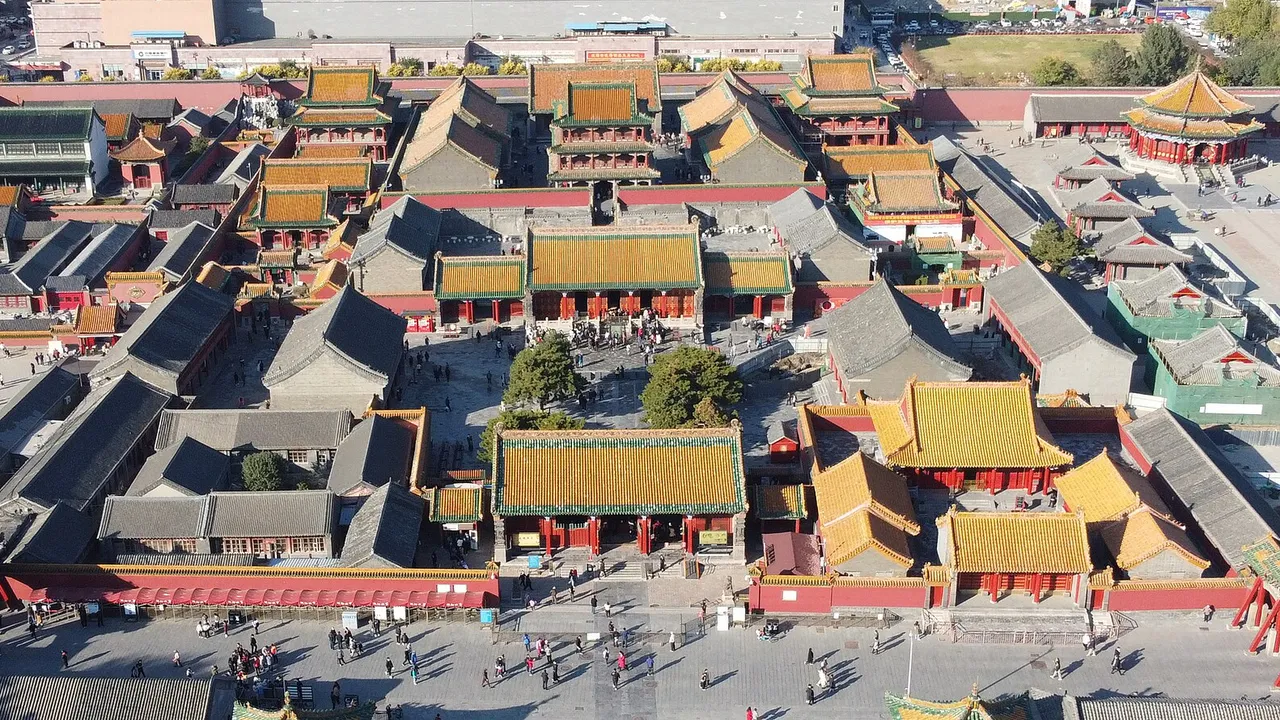
Shenyang Imperial Palace: Where Seven Days Begin
Enter at opening, central axis before western: Chongzheng Hall, the Phoenix Tower, Qingning Palace and Wensu Pavilion. The pre-conquest Qing palace ranks among China's two surviving complete palace complexes, compact but information-dense, two hours to read through.
Give the east axis's Dazheng Hall and Ten King Pavilions their own block, a tent-court made architecture found nowhere else; shared guides at RMB 20-30 pp earn their fee.
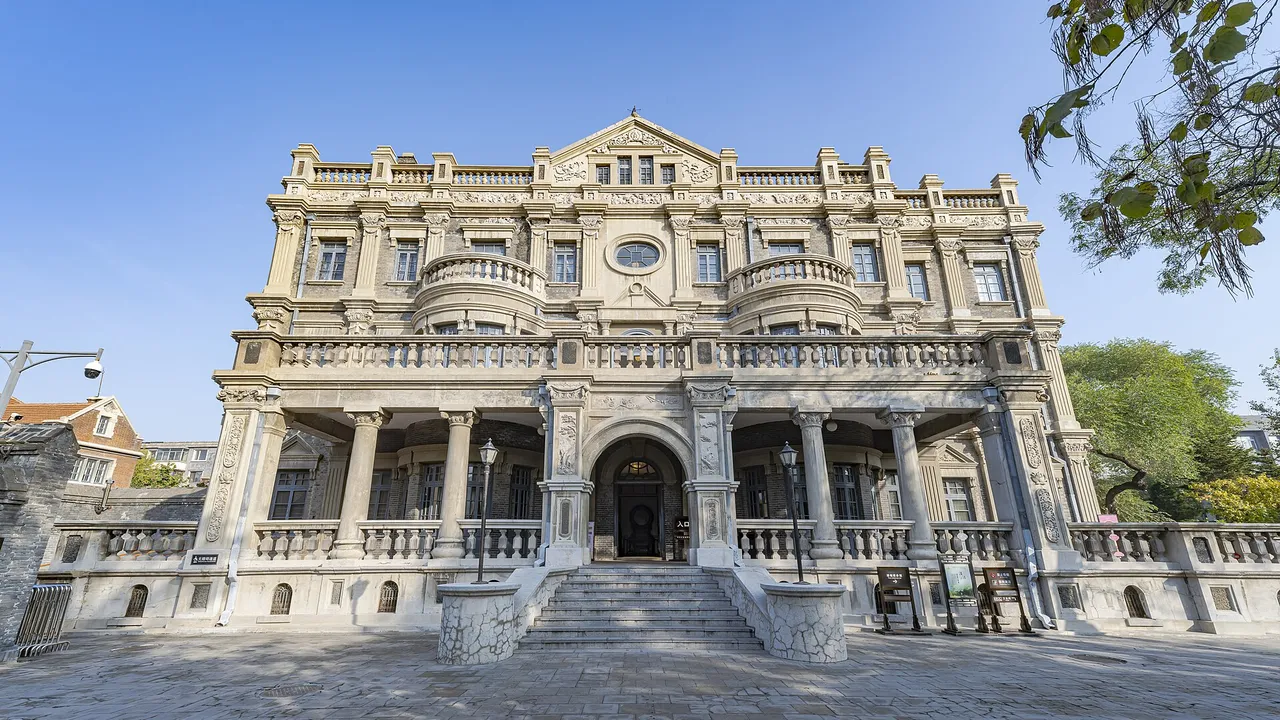
Zhang Family Mansion and the Great Qing Building: The Republican Turn, in situ
Walk to the mansion after lunch. Courtyards and the Great Qing Building form the core, the Tiger Hall and flag-change displays making the Shenyang of 1928 concrete, with Zhao Yidi's residence and the finance museum riding the combo.
Two-plus hours total, signage dense enough that slow reading beats rushing; dinner back on Zhongjie before six to dodge queues.
September 18th History Museum: Day Three's Opening Weight
Give the day's morning to the heaviest museum. The Calendar Stone freezes the date, the exhibition runs from the Liutiaohu incident through fourteen years of resistance, two hours on a one-way route, with the exit message wall worth the pause.
Hand it your freshest hour, then taxi back to the old town for lunch, the cleanest switch of mood and legs.
Liaoning Provincial Museum: The Ancient Northeast's Underdrawing
The afternoon crosses to Hunnan. The ancient-Liaoning galleries run prehistory to Ming, with Liao ceramics, horse tack and coinage as permanent highlights and painting specials left to luck, heavyweight scrolls queuing whenever they hang.
Two hours minimum across sprawl, soft shoes advised; paired with the morning's modern-history museum, the city's full timeline closes inside one day.
Beiling (Zhao Mausoleum): Day Four's Tomb-Rite Morning
Morning at Beiling. The Zhao Mausoleum of Hong Taiji and Empress Xiaoduan lines its spirit way with statues and three-century pines, the Hall of Grace and square city complete, the largest of the three early-Qing tombs outside the pass.
Climbing the square city to look back down the way is the standard close, with low raking light through the pines beating noon for photos; the park lake makes a gentle finish.
Dongling (Fu Mausoleum): An Afternoon on the 108 Steps
Afternoon heads east. The Fu Mausoleum of Nurhaci climbs its hill, the famous stair of 108 steps rising in tiers from the red gate to the Hall of Grace, the hilliest of the three tombs.
From the top, forest and tomb stack up the slope; pairing both tombs in one day demands legs, so on tired days slide Fu Mausoleum next to the Qipanshan day.
Qipanshan Scenic Area: Day Five's Forest Day
Day five leaves town for the hills. Qipanshan's round-trip trail takes two to three hours with Xiuhu Lake spread below the summit, autumn maples and birches at peak beauty, winter flipping the grounds to ice-and-snow programs.
Circle half the lake in the afternoon along paths and viewing decks; buses run weak here, so charter or taxi both ways goes smoothest.
Shenyang Expo Garden: Gardens under the Lily Tower
Afternoon at the Expo Garden. On the 2006 expo site, domestic and international gardens line the axes under the Lily Tower landmark, the conservatory and bonsai court shining on rainy days.
Distances run long, mixing carts with walking and picking far-apart gardens; winter reads as snow scenery, so flex the program by season.
Rice Dream Space: Day Six's Field Morning
Day six's morning runs north to Rice Dream Space. Rice varieties of differing colors plant vast images, seen whole from the viewing tower, growing with the crop through July-August, the final window before the October harvest.
Xibe cultural elements and farm experiences thread the grounds with a little paddy train for families; the trip's most photogenic stop, with morning front light kinder than afternoon.
Xita Street: Charcoal and Cold Noodles for the Evening
Back from the fields, head straight to Xita. The Korean-Chinese quarter lines up barbecue, cold noodles and rice cakes, the standard sequence charcoal grill with an iced cold-noodle bowl last, its sweet-sour chill pressing down the night's oil.
Stroll the strip after dinner and box kimchi and rice cakes from the grocers; the quarter's real hum starts after nine, so linger an hour to feel it.
China Industry Museum: Day Seven's Tiexi Morning
Morning in Tiexi. In the refounded casting works, machine tools, ladles and production lines stand as displayed under the vast roof, freezing Shenyang's years as the Republic's equipment base.
Scale and real objects are the point, two hours for the core; joined with the pre-Qing and Republican days, the city's timeline closes complete.
The Xingshun Market and the Liu Laogen Stage: Tiexi's Late Hours and Errenzhuan
Split the evening: first the Xingshun market (roughly April-October) for grilled oysters, griddled tofu and draft beer, eaten standing and rolled off; in winter or off-season, hand the night straight to the theatre.
Errenzhuan at the Liu Laogen Grand Stage runs two to three hours of patter, arias and stunts, seven parts legible without the dialect; Shenyang's night completes only here.
Chicken Frame: The Farewell Lunch on Zhongjie
The last noon returns to Zhongjie for a chicken-frame farewell. The veteran noodle-house combo is the canonical answer: hand-pulled noodles, one tossed frame, a soda, the city's most stubborn taste identity in one set.
Tear the meat from the bone crevices by hand; the first attempt's engineering challenge becomes the second's addiction. In stew season, half an order of sour-cabbage pork belly loses nothing.
Shenyang Bathhouse Culture: Seven Days Close in Hot Water
The finale goes to the bathhouse. Shenyang's bath centers fuse bath, steam, restaurant and parlor on one day ticket, scrubbing, steaming, lounge time and the buffet, where locals spend weekends and you end seven days.
The sequence runs locker, shower, scrub, steam, eat, recline; sleep soundly after or head straight for the airport, the city's industrial, imperial and street histories all dissolving in the steam.
| Getting around |
|
| Budget | Tickets and meals total about RMB 1100-1700 pp, with charters, baths and shows adding RMB 500-900, hotels excluded. |
| Best time | May-June and September-October stay comfortable throughout; seven days allow two or three weather reshuffles without hurting the spine. |
FAQs
How should hotels be placed across seven days?
Four nights around Zhongjie cover the palace, mansion, both tombs and the North Market; two nights in Hunnan or on Qingnian Avenue ease the museum and river days; the rice-field day round-trips without moving hotels, though all seven on Zhongjie works fine too.
What about consecutive rainy days?
Indoor backups cover two or three rainy days: the Liaoning and industry museums, the September 18th galleries, malls, theatres and bathhouses rotate in while Qipanshan and the fields slide later. Shenyang rain is mostly brief, decide each morning off the radar, and seven days always find two fair ones.
Which days need charters, and how to keep costs down?
The Qipanshan and rice-field days deserve charters, with the rest fine on metro plus taxis. City day-charters start around RMB 400-500, near RMB 800 for the two, cheap per head split three or four ways; taxis-only for both days lands near RMB 400.
Which day breaks the legs most?
The both-tombs day and the Qipanshan-plus-Expo day tie. Fixes: split the tombs across two days or climb the 108 steps only and view the treasure dome from afar, and on the hills day ride the carts, picking three or four Expo gardens over the full grounds.