
Taipei is a city where the itinerary can be written directly on the stomach: breakfast culture starts at six in the morning at soy milk shops, beef noodle soup stands as a serious noon meal, the afternoon adds goose and braised sides, and the night belongs to the market. Four meals, four stops, all hugging the metro with rides of about ten minutes between.
The rhythm runs in reverse of appetite: queue at dawn for the freshest first batch of buns, beat the noon rush, eat goose in the quiet mid-afternoon window, and enter the market before seven to catch every stall. The four meals together cost less than one hotel buffet and deliver far more.
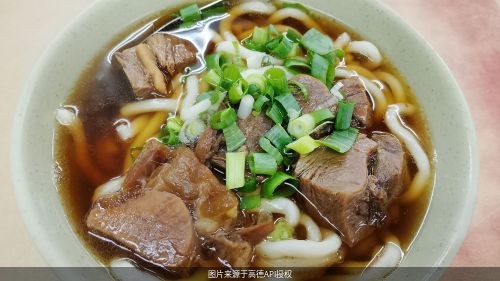
Itinerary at a glance
| 07:00 | Fuhang Soy Milk: Taipei's Most Worthwhile Breakfast Queue |
| 11:30 | Fuhong Beef Noodles: The Craft in a Braised Broth |
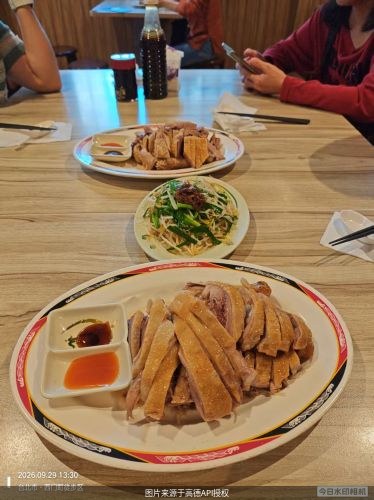
| 14:30 | Ya Rou Bian: Named Duck, Serving Goose |
| 18:00 | Ningxia Night Market: Small, Dense, and Built for Grazing |
The route, stop by stop
Fuhang Soy Milk: Taipei's Most Worthwhile Breakfast Queue
Tucked on the second floor of Huashan market, this veteran shop sets the ceiling of Taipei breakfast: thick baked buns with crackled crusts from the clay oven, fried dough sticks made to order, and savory soy milk scattered with dried shrimp and pickle, drunk scalding. Queues pass half an hour routinely, yet output is so fast the line moves quicker than it looks.
Arrive at opening to dodge the commuter surge after 7:30. Afterward, browse the traditional market downstairs; the hollering of produce and fish stalls is Taipei's true morning soundtrack, livelier than any sightseeing program.
Fuhong Beef Noodles: The Craft in a Braised Broth
Order half tendon, half meat: the braised broth layers beef bone and soy aroma, and thin noodles grip the soup better. Locals treat beef noodles as a proper lunch, adding blanched greens and a braised platter, all in for a little over NTD 200, a solid meal by any standard.
Eat it hot, when the cap of beef tallow still holds unbroken, flavor at its peak. Tables turn fast and sharing is normal, so finish and go without ceremony; the queue behind you will thank you with their eyes.
Ya Rou Bian: Named Duck, Serving Goose
This Wanhua veteran trades under a duck's name but serves local goose: sliced plates with ginger shreds and a special soy dip, the meat's sweetness surfacing in the second half of each chew. A sliced goose plate plus plain noodles or rice vermicelli is the set combination passed down for decades.
Do not miss the goose-fat rice, a spoon of rendered goose oil over hot rice with pepper salt, a few dozen NTD that regulars guard as the hidden menu. The two-to-three pm lull is the quietest slot for an unhurried meal.
Ningxia Night Market: Small, Dense, and Built for Grazing
Ningxia runs short but packs Taipei's densest stall lineup: oyster omelets, egg-yolk taro balls and braised platters line the street with decades-old vendors every few steps. It skews more local than Shilin, and families pushing strollers through dinner outnumber tour groups.
The right tactic is small portions, many stalls: one share each and graze street to street to land at eighty percent full. Close with old-style tofu pudding or sesame mochi, and the day's Taipei stomach finally signs off.
| Getting around |
|
| Budget | Four meals total about RMB 120-180 pp (roughly NTD 550-850), with breakfast and the noodle lunch around RMB 30 each. |
| Best time | Works year-round; the breakfast shop sells out and shuts, so go early, while the market peaks Friday and Saturday nights, so pick a weekday for calm. |
FAQs
Landing straight into eating: how do I arrange the transport?
The airport express reaches Taipei Main in about 35 minutes; stash bags in station lockers or at the hotel before setting out. All four meals sit on the metro, and the breakfast shop opens at seven, which dovetails neatly with a red-eye arrival.
Do these veteran shops take reservations or tickets?
None; everything is walk-up with fast table turns. Timing is the real constraint: the breakfast shop closes when sold out, the noodle lunch queues around twenty minutes at peak, and market hot sellers fade after nine, so allocate appetite by the clock.
What if four meals is too much?
Cut the noon meal and protect breakfast and the market. Or merge beef noodles and goose into one afternoon sitting, ordering small and sharing; veteran shops tolerate splitting, the market runs on it anyway, and real stomach capacity stretches a third beyond expectations.
How much cash should I carry, and does mobile payment cover it?
Veteran shops and market stalls run mainly on cash; NTD 1000 covers a day comfortably and convenience stores handle cash exchange. The transit card tops up at convenience stores and works at some chains, mobile payment covers malls and chains, so carry both cash and card.