
Yantai's cultural identity deals four cards: birthplace of modern Chinese wine, a treaty port of the modern north, a junction of north-south shipping, and a working dock of folk belief and Daoism. This day covers all four grounds, from underground cellar to hilltop temple, with little elevation and dense information.
The order runs wine, port, trade, temple: Changyu's cellar as industrial history, the consulate quarter on Yantai Hill as diplomatic history, the Fujian guildhall as merchant history, and the Jade Emperor temple on Yuhuangding as folk history. Every leg between sits within twenty minutes, by bus or taxi.
Itinerary at a glance
| 09:00 | The Changyu Wine Culture Museum: Where 1892 Began |
| 11:30 | Yantai Hill: The Port-Opening Quarter and the Bing Xin Memorial |
| 14:30 | The Fujian Guildhall: Southern Carving in a Northern Port |
| 16:30 | Yuhuangding Park: The Jade Emperor Temple and Old Yantai's View |
The route, stop by stop
The Changyu Wine Culture Museum: Where 1892 Began
Enter at opening and work from the history galleries down into the cellar. Changyu is where modern Chinese wine industry began, its exhibits of photographs and tools narrating a chapter of national industry; the great cellar below dates to the late Qing, vaults, oak casks and steady climate kept in original form.
Tastings close the visit, one brandy and one wine, the guide explaining material and method. Even teetotalers earn their ticket here, for the cellar's architecture is the most immersive room in the building.
Yantai Hill: The Port-Opening Quarter and the Bing Xin Memorial
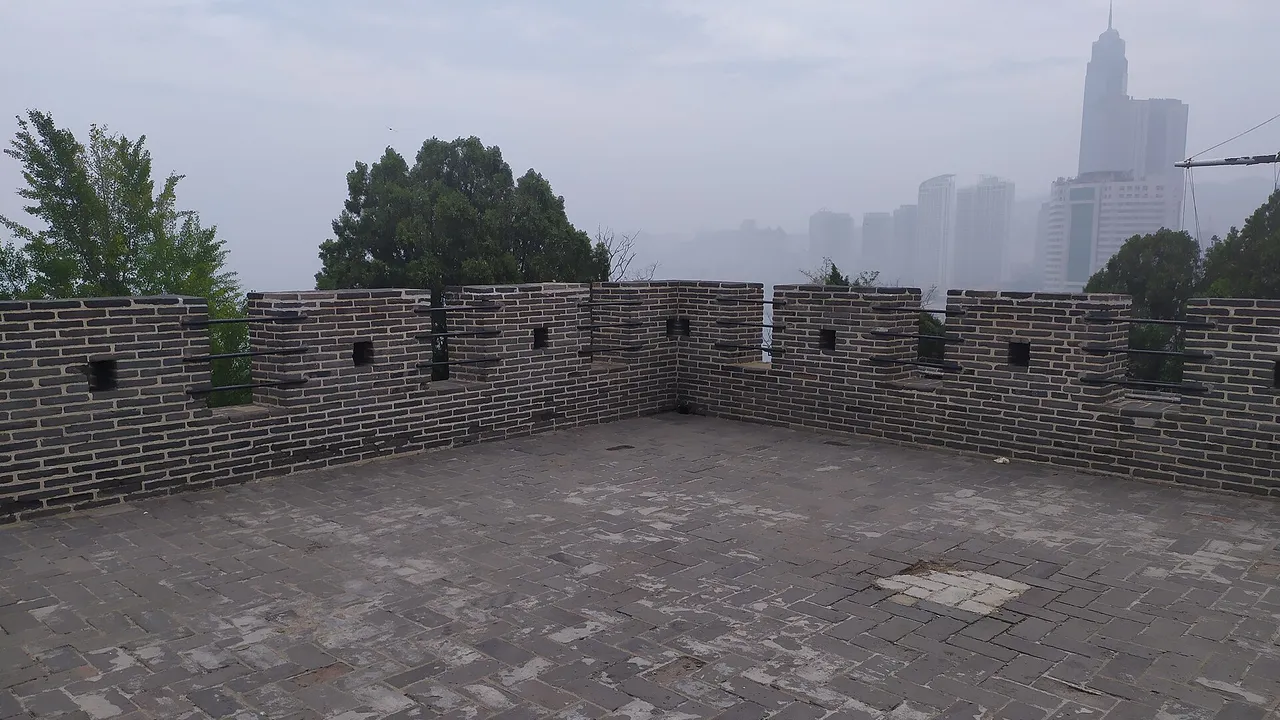
Before midday climb Yantai Hill, where the former consulates line the slopes: British colonnades, American brick, Japanese courtyards, each with its own character, plaques spelling out dates and uses. This is a physical archive of China's treaty-port era, ranking nationally for both density and preservation.
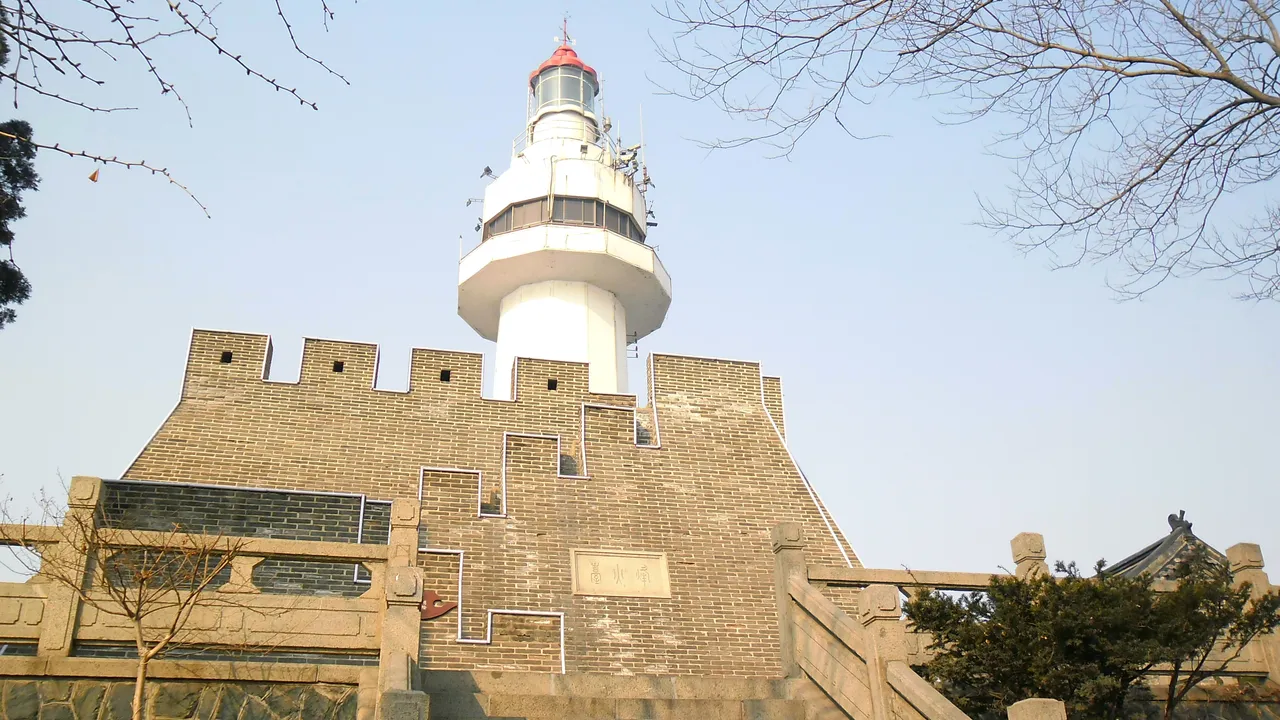
The Bing Xin memorial, housed in a restored building, traces the writer's Yantai childhood. Climb the lighthouse for Zhifu Bay and the city's logic as a port in one glance: the relations of hill, bay and town form the very stage of that history.
The Fujian Guildhall: Southern Carving in a Northern Port
The afternoon belongs to the Fujian guildhall, a Qing Mazu temple that anchored the southern merchant brotherhood in Yantai, its beams and ridge carvings shipped from Quanzhou, a craft utterly apart from northern official architecture. The stage, worship pavilion and main hall hold extraordinary component detail, worth slow eyes.
The hall now works as an exhibition space on the port opening and north-south trade. Even without reading the craft, look up at the glazed figures on the ridges, bright enough to make you doubt this is a northern city.
Yuhuangding Park: The Jade Emperor Temple and Old Yantai's View
Close at Yuhuangding, where the Jade Emperor temple, founded in the Yuan dynasty, crowned the hill as old Yantai's religious heart. The compound is modest but complete, its cypresses and steles carrying real age, incense still burning.
The summit platform offers another angle on old Zhifu: urban texture by day, ten thousand lit windows by dusk. As a culture day's last stop it bridges history back to the present, square dancers already spinning on the plaza outside the gate.
| Getting around |
|
| Budget | Changyu about RMB 50 and Yantai Hill RMB 30, with the guildhall and Yuhuangding free or nominal, plus RMB 80-120 for meals, roughly RMB 160-200 per person. |
| Best time | Year-round, keeping the museum and the hill off the midday; several venues close Mondays, so pin the day against opening schedules first. |
FAQs
Are four stops too many for one day?
Moderate: about two hours each for Changyu and Yantai Hill, an hour apiece for the guildhall and Yuhuangding, with modest walking overall. The risk sits in the midday junction, solved by lunch at the hill's foot before moving on. Indifferent to buildings and history, drop one stop.
Do the Changyu museum and Yantai Hill need reservations?
Weekdays sell walk-up; for holidays and peaks, buy ahead on the official accounts, and note Changyu's timed tastings fill first in afternoons. Both venues often close or trim on Mondays, so schedule the culture day elsewhere. Foreign visitors enter on passports directly.
Is the Fujian guildhall worth a dedicated stop?
By interest: for carving and merchant history it is Yantai's most underrated stop, a complete specimen of southern craft in the north, rare nationally; sea-focused visitors may find it plain. Pair it with Yuhuangding on the same line, the detour costs little, and it never disappoints on those terms.
Any etiquette at religious sites?
Both temples live as active places of worship: mind thresholds, step over not on; never photograph worshippers mid-offering; no flash on statues; no dress code strictly, though a light layer suits. Incense is voluntary, and decline anyone selling premium burns at the door.