
The short answer: how many days
For most first-time visitors, three full days is the sweet spot: one for the Giant Panda Breeding Base, one for old Chengdu's lanes and teahouses, and one for a day trip to the Leshan Giant Buddha or Dujiangyan. Add a fourth if you can slow down, and a fifth if Chengdu is the point of your trip rather than a stop. Families with children should budget an extra day.
- 3 days: the essentials. Pandas at opening, the old quarters and People’s Park, one day trip.
- 4 days: the relaxed version. Add a food-lane morning near Wenshu Monastery, a cooking class, and a Jin River evening walk.
- 5 days: the unhurried version. Fit in both day trips or half a day at Sanxingdui, plus a genuinely idle afternoon.
A three-day itinerary that works
Day 1: pandas at opening, old Chengdu after lunch
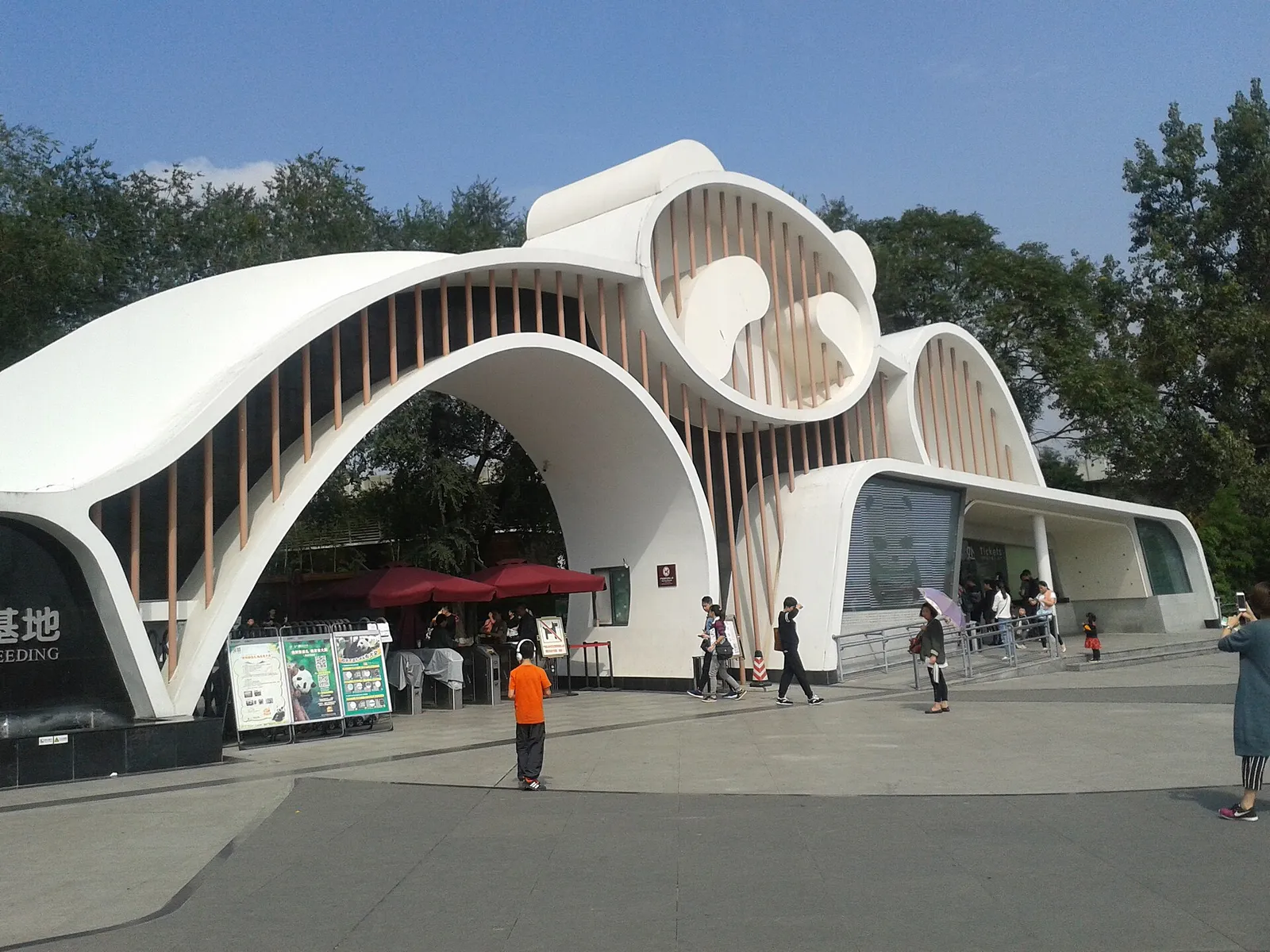
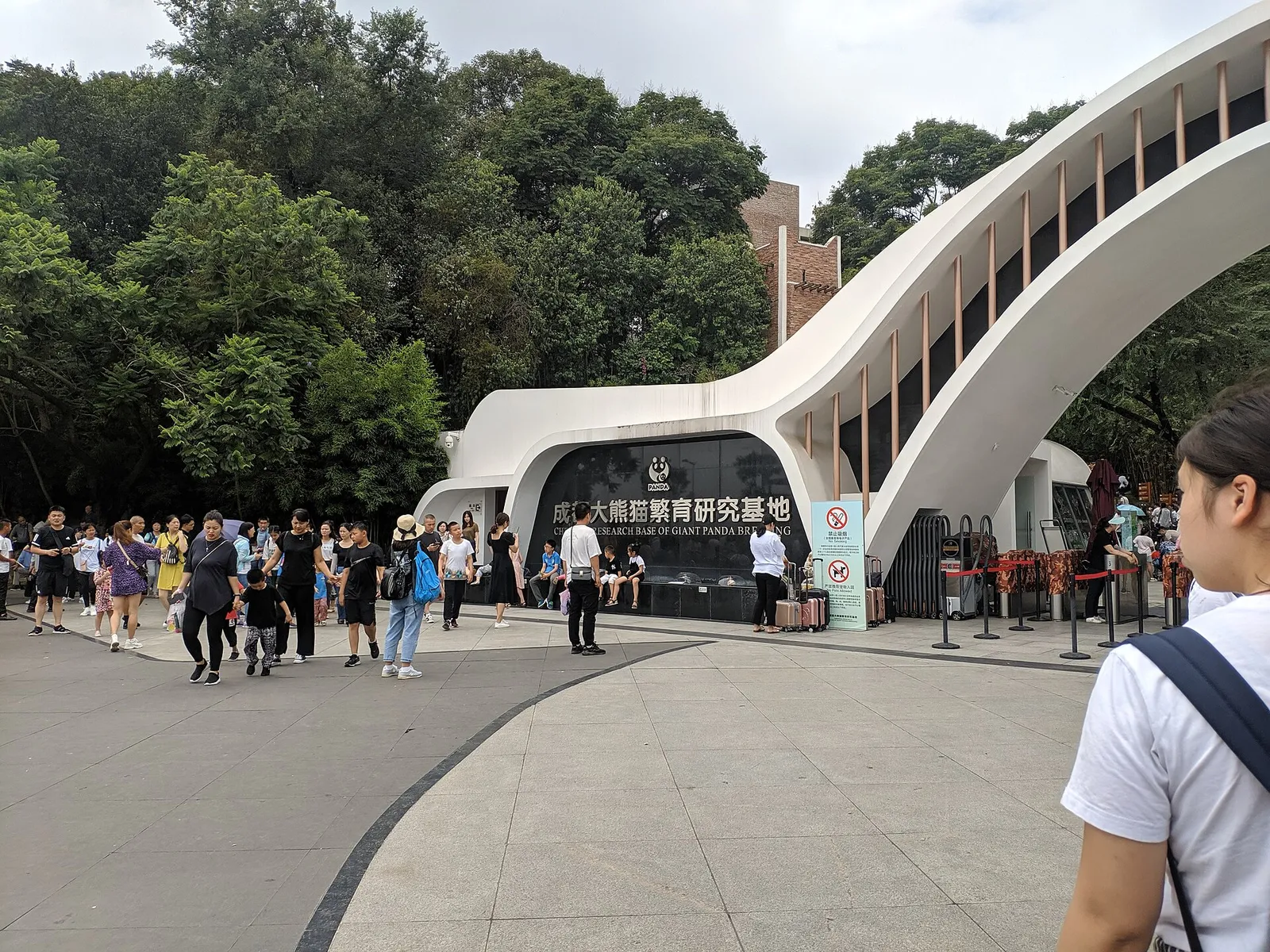
Giant pandas are most active in the early morning; the base opens around 7:30 to 8:00 am and the two hours after opening are feeding time. Spend the late lunch back in town, walk past Kuanzhai Alley's main drag into the side lanes, then finish at Jinli Ancient Street beside Wuhou Shrine and catch a Sichuan opera face-changing show, front row if you want the fire-spitting finale.
Day 2: pick one day trip
Both classics run under 2.5 hours each way. The Leshan Giant Buddha is a 71-metre figure carved into a riverside cliff in the 8th century; boats show the full front, stairs lead to the giant's feet. Dujiangyan plus Mount Qingcheng pairs a 2,300-year-old irrigation system that still waters the plain with a green Taoist mountain, and is the quieter option. A private driver is the comfortable way; public transport works but costs about two extra hours.
Day 3: teahouse, museum and night snacks
Morning at a People's Park teahouse: jasmine tea, bamboo chairs, ear-cleaning masters and locals dancing under the trees. Then pick one museum, the Jinsha Site Museum for ancient Shu gold artefacts or the Sichuan Cuisine Museum where you cook your own lunch. In the evening work down Yulin Road or Jianshe Road: mapo tofu, dan dan noodles, skewer hotpot. The rule of thumb holds: the shop with plastic stools and a queue of locals wins.
Only 48 hours: a stopover worth taking
Confirm you qualify for 240-hour visa-free transit: an eligible passport, an onward ticket to a third country or region, and a booked first night; both Tianfu and Shuangliu airports process transit entry. Arrange an eSIM or roaming before you fly. Day one goes straight to the panda base for opening, 30 to 50 minutes from downtown, then Kuanzhai Alleys, a jasmine-tea cure for jet lag, and yuanyang hotpot or face-changing at night. Day two is the Leshan Buddha by boat or a city deep-dive: Jinsha in the morning, Wuhou Shrine and Jinli after lunch, sunset at Anshun Bridge, skewers on Jianshe Road to finish.
With only 48 hours, Chengdu may be the most rewarding stopover city in China. First confirm you qualify for the 240-hour visa-free transit: an eligible passport, an onward ticket to a third country or region, and a booked first night - both Tianfu and Shuangliu airports process transit entry. Sort an eSIM or roaming before you fly; maps and a translation app are essentials.
When to go: season by season
| Season | Weather and experience | Best for |
|---|---|---|
| March to May | 15 to 25 degrees, blossoms, active pandas, cubs on show from late March | First-timers who want day trips |
| June to August | 28 to 35 degrees, humid with night downpours, pandas viewable indoors | Families tied to school holidays |
| September to November | Crisp air, the bluest skies of the year, golden ginkgo, summer cubs still on show | Photographers and hikers |
| December to February | 5 to 12 degrees, grey but quiet and cheap, cold-loving pandas, peak hotpot season | Food-focused and budget travellers |
Avoid the two national holiday weeks if you can: October 1 to 7 (Golden Week) and May 1 to 5 (Labour Day). Domestic travel peaks, queues triple, and trains, panda tickets and good hotels sell out weeks ahead, sometimes at double price. If your dates collide, change the structure rather than the destination: day trips at dawn, city sights in the late afternoon, teahouses filling the middle of the day.
Chengdu or Chongqing?
Chengdu is flat, green and slow: pandas, teahouses and easy day trips. Chongqing is a vertical municipality where the metro runs through buildings and the night views are staggering, and its hotpot is bolder, heavier on beef tallow. The two cities claim the best hotpot and both are right. A high-speed train links them in about an hour, so a one-week double-header is genuinely easy.
| Dimension | Chengdu | Chongqing |
|---|---|---|
| Mood | Slow plain-city living, parks and teahouses | Mountain-city spectacle, cyberpunk nights |
| Hotpot | Aromatic and balanced, heat that builds | Heavy tallow, fierce mala, nine-grid pots |
| Signature sights | Panda base, Kuanzhai Alleys, People’s Park | Hongya Cave, Yangtze cableway, Liziba station |
| Day trips | Leshan, Emei Shan, Dujiangyan, Qingcheng nearby | Mostly a self-contained urban show |
| Pick it if | You want slowness, kids, pandas and food | You want drama and maximum mala |
Chengdu is where you exhale; Chongqing is where your jaw drops. Most travellers end up loving both, the only real question is which comes first.
From Southeast Asia: flights and entry
Chengdu has become the most practical Chinese booking for Southeast Asian travellers: Singapore, Malaysia and Thailand passports get 30 days visa-free, direct flights run under five hours, and the city's late dinners, strong tea and street life run on the same frequency as the region.
| Departure city | Flying time | Typical return fare |
|---|---|---|
| Singapore | About 4h 40m | SGD 320 to 480 |
| Kuala Lumpur | About 4h 30m | RM 1,100 to 1,700 |
| Bangkok | About 3h 10m | THB 6,500 to 11,000 |
| Ho Chi Minh City / Hanoi | About 3h 30m | USD 180 to 320 |
A four-day plan: go straight from the airport to the panda base for the 8:30 entry and breakfast hour, then Kuanzhai Alleys and People's Park, where the century-old Heming Teahouse pours bottomless jasmine tea for about RMB 20. Day two is the Dujiangyan and Qingcheng pair (combined entry around RMB 80) or the Leshan Buddha. Day three: Wuhou Shrine and Jinli in the morning, the climbing-panda installation at Taikoo Li, then the Shufeng Yayun face-changing show with front-row seats. Day four: wontons or a flaky guokui for breakfast, then the metro to the airport. Spice survival: order yuanyang hotpot on night one, say wei la (mildly spicy) and be taken seriously, and neutralise with bingfen or soy milk.
FAQs
Is three days enough for Chengdu?
Yes, it covers pandas, the old quarters and one day trip comfortably. Add a fourth for a keeper program or a second day trip, and a fifth if the city is your main destination.
What is the best month to visit?
April and October tie for first: mild, green, reasonably clear, and good for both the city and day trips. Just dodge the national holiday weeks.
Is Chengdu worth visiting in winter?
Yes. Crowds thin, hotel prices drop, pandas are active in the cold, and it is peak hotpot season. Grey skies are the main cost.
Is 48 hours enough to see pandas?
Yes. Arrive at opening around 7:30 to 8:00 am and you will have the best two hours of the panda day almost to yourself.
If I can only choose one, Chengdu or Chongqing?
Choose Chengdu for pandas, teahouses, gentler spice and day-trip access; Chongqing for night views and heavier hotpot. With a week, do both by train.