
Why opening time decides everything
Giant pandas are crepuscular: liveliest at dawn and dusk, asleep most of the day. The base opens around 7:30 to 8:00 am, and the two hours after opening are feeding time. By 10:30 the animals are mostly asleep and the crowds are massive. The rule holds all year: be through the gate at opening. Exact hours shift with the season, so confirm on the day.
Tickets and getting there
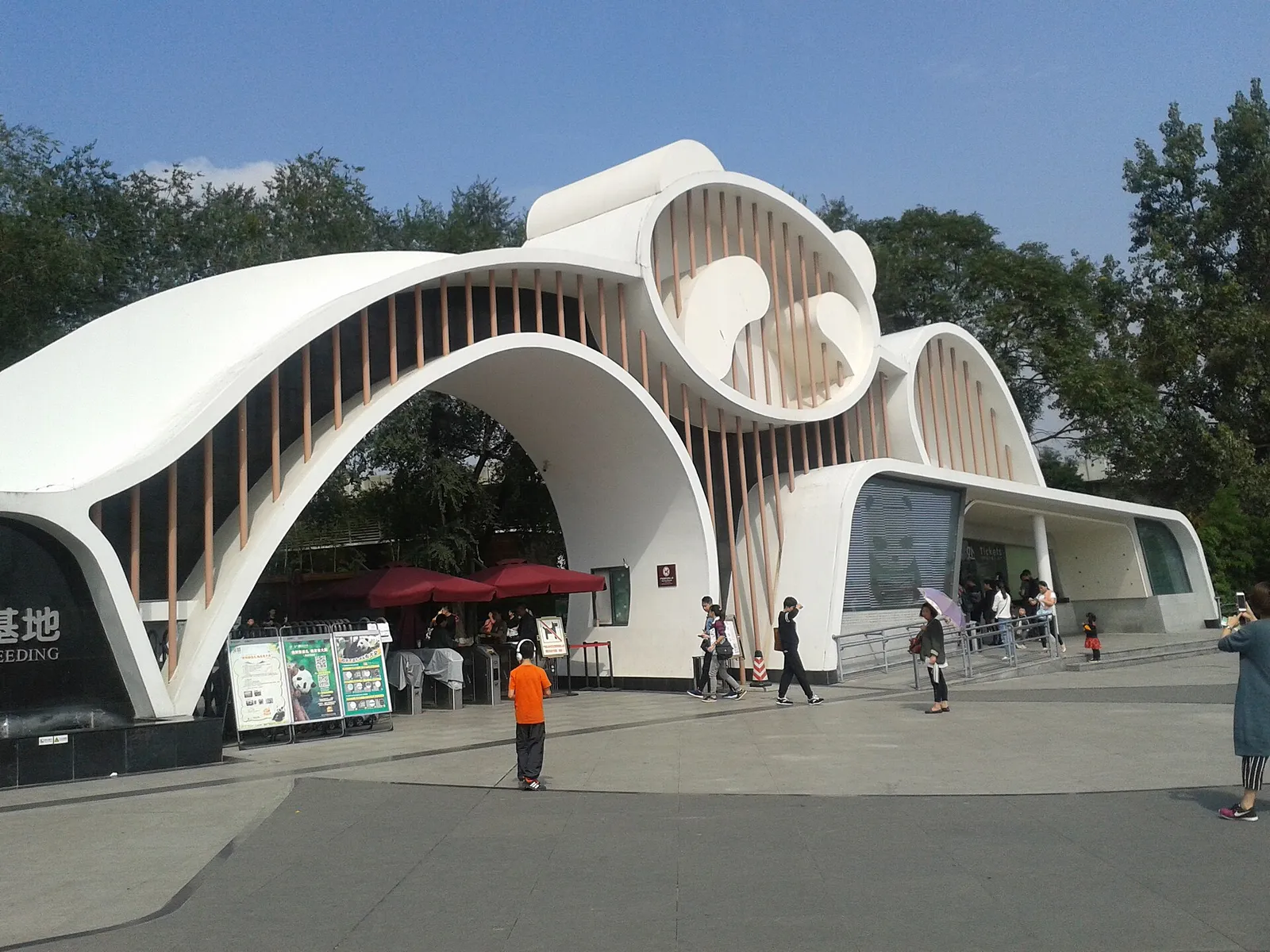
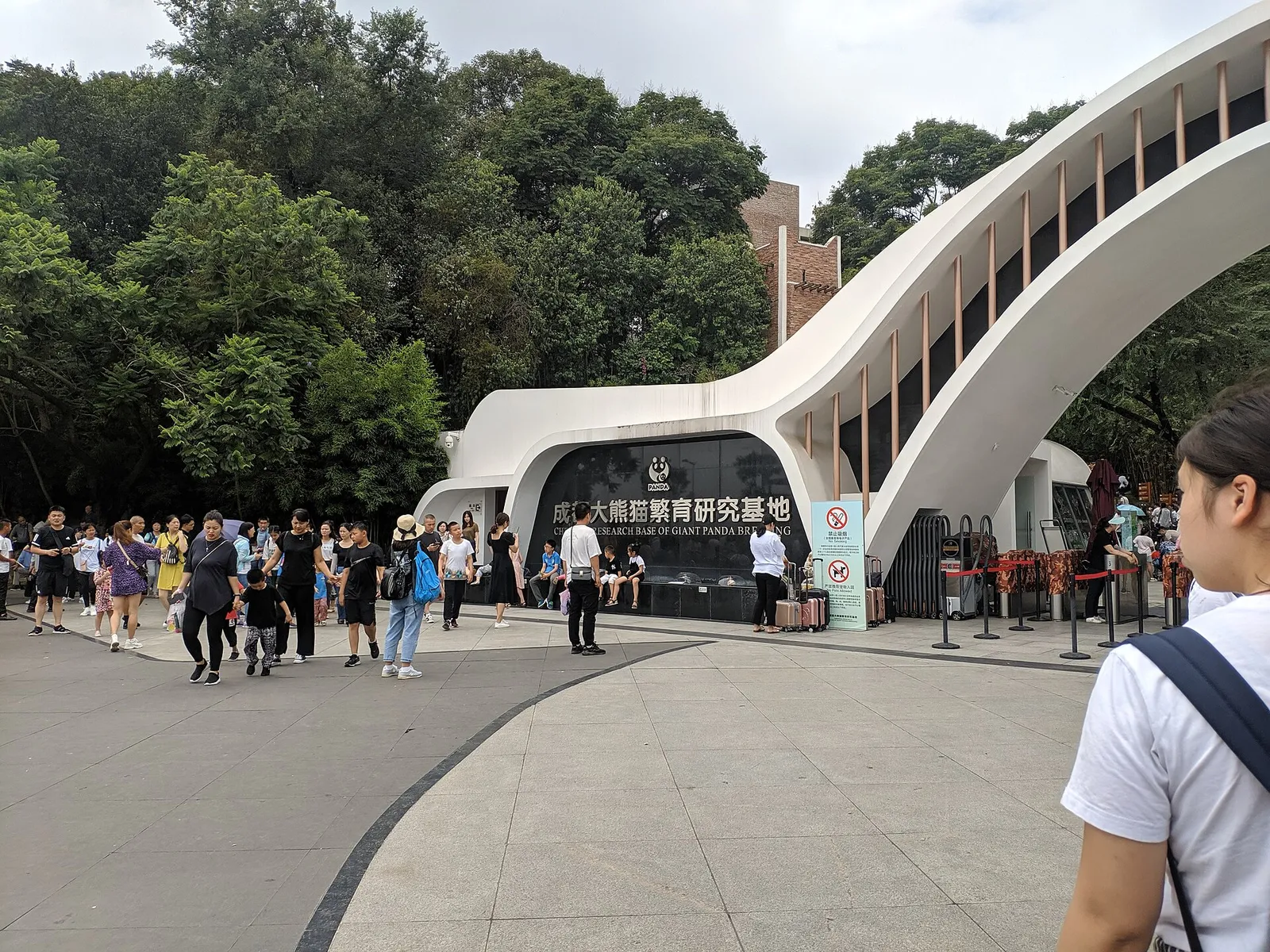
Entry is around RMB 55; check the latest official price when booking. Tickets sell out on Chinese holidays, so reserve 3 to 7 days ahead through official channels. The base sits in the northern suburbs, about 40 minutes from the city centre. Metro plus shuttle works, but a private car is the safer bet when timing is this critical: five minutes late can cost you the best hour of the day. Many visitors pair the panda morning with an old-town afternoon, teahouse o'clock as the animals nap.
The route: work backwards
The base is bigger than it looks, a few square kilometres of bamboo-lined hills. Most visitors drift to the enclosures near the entrance. Do the opposite: head straight for the internal shuttle, ride to the Moon Nursery and the farthest enclosures first, then walk back downhill past the red panda area. Red pandas roam semi-freely in a wooded section and are often more active than the giants; many visitors miss them entirely. Plan 2.5 to 4 hours, or half a day for serious fans. Paths are shaded but hilly; comfortable shoes beat stylish ones.
When to see baby pandas
Nursery viewing depends on season and luck. Cubs are typically born in late summer, so late summer into autumn is the most rewarding window; the previous season's cubs also appear through spring. March to May is arguably the best all-round visit: cool air and fresh bamboo. In summer pandas retreat to air-conditioned indoor rooms that remain fully viewable. Winter is the quietest season and pandas are cold-weather happy; grey skies are the main cost.
The volunteer program: the truth
No responsible facility allows holding pandas. The famous volunteer experience does not run at the Chengdu base itself. Genuine one-day keeper programs operate at other facilities near Chengdu, such as the Dujiangyan panda base, booked through official channels from around RMB 1,000; check the latest price when reserving. It is real work in rubber boots, not a photo opportunity, places must be reserved well ahead, especially in summer, and there are age limits, typically teens and up, so confirm before booking for children. Keepers' feeding demonstrations at the base are the closest ethical experience on site.
The base through the seasons
The same base is a different experience in each season. The low-effort rule to remember: a cool early morning is always right, spring and autumn are the strongest overall, and whatever the season you arrive for opening.
- Spring (March to May): cool air, tender new bamboo, pandas feeding eagerly in the morning light; cubs born the previous season start making appearances - the best all-round window
- Summer (June to August): lushest greenery but hot and humid; pandas retreat to air-conditioned indoor houses after noon, still viewable through glass - go early and leave by midday
- Autumn (September to November): thinner crowds and mild weather; cubs born in late summer headline the nursery - the best season to pair the base with a day tour
- Winter (December to February): fewest visitors and easiest booking; pandas grow thick coats for exactly this cold and often look lively - the trade-off is grey skies, so temper photo expectations
With kids: one golden rule
Structure each day around a morning anchor and a slow afternoon. The panda base fits perfectly: children wake early anyway, the animals peak in the first two hours, and you are back at the hotel before the meltdown window. Shuttle carts save small legs, and red pandas are usually the surprise favourite.
- People's Park: paddle boats, an old amusement corner, tea and ear-cleaning masters, a manageable whole-family morning.
- Jinli and Kuanzhai Alleys: snacks, sugar figures and shadow puppets, best on weekday afternoons or early.
- Sichuan Cuisine Museum: children cook and eat their own lunch, the top rainy-day pick.
- Jinsha Site Museum: gold masks and artefacts with real wow factor for school-age kids, a manageable half-day in town.
- Dujiangyan: a suspension bridge and room to run, with stroller-friendly main paths.
- Leshan Buddha by boat: about 30 minutes, no stairs, the giant statue outside the window.
Food, safety and pacing for families
Chengdu's spice reputation worries parents more than it should. Kitchens routinely prepare no-chilli and mild versions, and many local staples are naturally kid-safe: sweet water noodles, tomato and egg noodles, wontons in clear broth, steamed buns, and the mild half of a yuanyang hotpot, where children love cooking their own skewers. International fast food exists everywhere for emergencies. The city is low-crime and comfortable; the real watch items are traffic (hold hands, right-turning cars do not always yield), stairs at scenic sites, and hydration in summer heat. All classic day trips are lowland, with no altitude concerns. The metro is stroller-navigable off-peak; ride-hailing cars rarely have child seats, so bring a compact booster.
FAQs
What time should I arrive?
At opening, around 7:30 to 8:00 am depending on season. The first two hours offer the most active pandas and the thinnest crowds.
Can I hold a panda?
No. No responsible facility offers holding. The ethical deep-dive is the one-day keeper program at bases near Chengdu, booked through official channels.
How much are tickets?
Around RMB 55; check the latest official price when booking, and reserve 3 to 7 days ahead for holidays.
Is half a day enough?
Yes. Starting at opening, 2.5 to 4 hours covers the main enclosures comfortably; enthusiasts can happily stay longer.
When are baby pandas on show?
Cubs are typically born in late summer, so the nursery is most rewarding from late summer into autumn, always subject to season and luck.
Is the base suitable for young children and strollers?
Very. Terrain is gentle, shuttles save little legs, and main paths take strollers; a carrier helps on the hillier stepped sections.