
Beihai's cultural depth outruns its city size: the Old Street is a physical archive of treaty-port modernity, the Golden Bay mangroves shelter the Tanjia fisher-farmers, the Hepu Han tombs yielded glass and gold proving this among the earliest departure ports of the maritime silk road, and the Silk Road Harbor turns all that into a night spectacle.
The line runs north to south then northeast: Old Street, Golden Bay, Hepu, and back to the Hepu shoreline for the night show. The city-to-Hepu leg takes about forty minutes, so chain the day by taxi or charter and spend your hours on vitrines and forest.
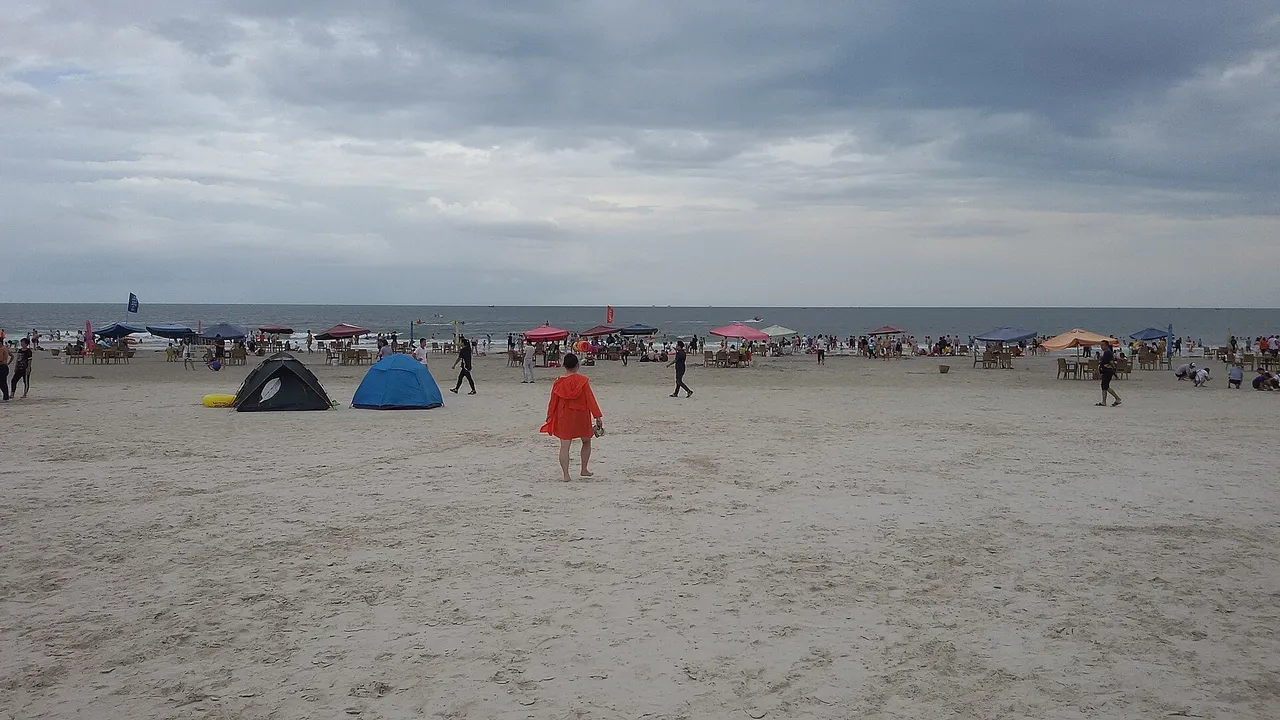
Itinerary at a glance
| 09:00 | The Beihai Old Street: A Physical Archive of the Treaty Port |
| 11:30 | Golden Bay Mangroves: The Tanjia People's Sea Forest |
| 15:00 | The Hepu Han Museum: Vitrines at the Silk Road's Starting Line |
| 19:30 | Silk Road Harbor: A Han Port by Night |
The route, stop by stop
The Beihai Old Street: A Physical Archive of the Treaty Port
Culture day opens on Zhuhai Road. Built in the late Qing and early Republic, this arcade street was among the southwest's earliest treaty ports, British, French and German consulates and trading houses once working nearby, their scrollwork facades and louvers the surviving evidence.
Walk the street slowly for an hour, reading gable carvings, veteran signboards and the old church site at the corner. The old-town display halls along the way pair the streetscape with its records, priming you for Hepu in the afternoon.
Golden Bay Mangroves: The Tanjia People's Sea Forest
Reach the Golden Bay mangrove reserve before noon. Boardwalks push into one of the country's largest contiguous mangrove stands, fiddler crabs raising claws in the tidal channels, mudskippers springing across the flats. The Tanjia people have lived off this sea forest for generations, their clam-digging and worm-digging crafts unbroken.
The Tanjia culture displays and tide-flat foraging are the highlights: following a local guide out at ebb to meet the mudflat's creatures beats mere tree-viewing. The boardwalk runs flat, the core covered in about an hour.
The Hepu Han Museum: Vitrines at the Silk Road's Starting Line
Drive forty minutes to Hepu county town in the afternoon. This county-level museum punches far above its rank: the Persian pottery flask, Roman glass bowl and gold-bead strings from the Hepu Han tombs prove the site a meeting point of East and West on the early maritime silk road.
The glass and imported-goods gallery is compulsory, with Han ring-pommel knives and pottery house models alongside. The museum runs small, two unhurried hours, and chained with the morning's modern narrative completes the born-of-the-sea evidence chain.
Silk Road Harbor: A Han Port by Night
Enter the Silk Road Harbor after dinner. This coastal cultural zone re-creates the Han-era Hepu port's streets and wharves, and after dark lights and live performance return the scene of merchant ships massing two thousand years ago, actors threading through the visitors.
The whole experience runs two to three hours, shows folded into the walk, market snacks and craft stalls along the way. Without show tickets the daytime grounds still photograph well, though night is its second, truer self.
| Getting around |
|
| Budget | RMB 150-350 pp: the Old Street free, mangrove and port tickets about RMB 80-200, transport RMB 60-120. |
| Best time | Year-round; the museum closes Mondays and the port show runs evenings only, so route around Monday or reshuffle the order. |
FAQs
What is the easiest way from Beihai downtown to Hepu?
Taxi or charter is direct, about forty minutes and a few dozen yuan each way; intercity buses exist but the waiting and transfers eat the day, so for a one-day culture run, a half-day charter for three or four often undercuts door-to-door taxis.
How do I book the Hepu Han museum?
Book by real name via its official channels, free, closed Mondays, locking weekend slots one or two days ahead in season. Foreign passports register by passport number and enter with the original. If full, shift to other heritage sites in Hepu county or slide the visit along.
Is the harbor show worth watching?
For night-owl travelers wanting the silk-road theme made visible, yes; on tight budgets or allergic to staged shows, the daytime grounds plus the Han museum already carry the line. Tiers differ, mid-tier seats being the value pick.
What should I know for mangrove foraging?
Follow the guide and stay inside open flats; the mud runs deep, wearing the site's or grip footwear; sun and bugs are the two real drains, so hat, long pants and repellent in full; return any small crabs and shells you take, foraging is a lesson, not a harvest.