
A Beihai day unfolds on the harbor's schedule: the first batch of shrimp cakes with soy milk at dawn is the old neighborhood's ritual, noon still carries Vietnamese rice-roll steam at Qiaogang, salt-and-pepper sandworms convert the squeamish by mid-afternoon, and the seafood terraces hold the real main stage at night.
The route's discipline is leftovers at every sitting: Beihai's charm is the unpredictability of the catch, whatever the boats bring is what dinner serves. So graze lightly through the day's snacks and bank seventy percent of stomach for the evening seafood.
Itinerary at a glance
| 07:30 | Shrimp Cake: The Morning's First Hot Oil |
| 12:00 | Qiaogang Seafood Dining: A Vietnamese-Flavored Harbor Lunch |
| 15:00 | Sandworm: Afternoon Tea for the Brave |
| 18:30 | Beihai Seafood: The Waisha Island Finale |
The route, stop by stop
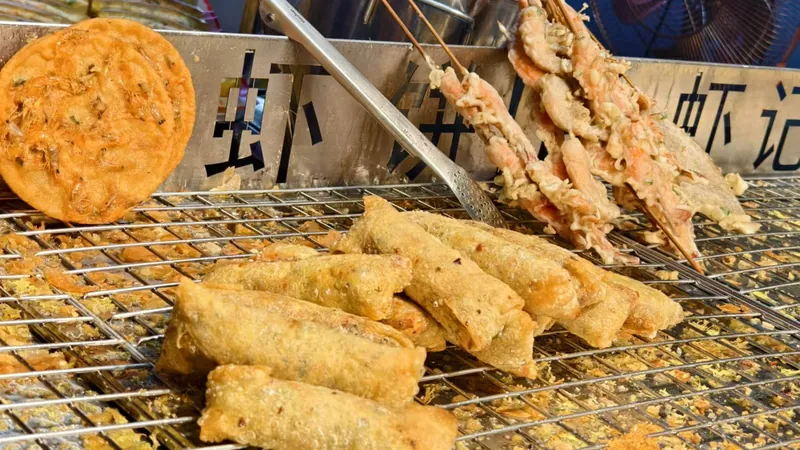
Shrimp Cake: The Morning's First Hot Oil
Beihai mornings start at the shrimp-cake wok: batter wrapped around whole small sea prawns, fried to gold crisp, whiskers bristling at the rim, the bite running crisp, then rice perfume, then the prawns' sweet freshness. With fresh soy milk or plain congee, it is the neighborhood's decades-old breakfast set.
Stalls on both the Old Street and at Qiaogang make them, judged on one word: fresh-fried, since reheated crusts sag. Eat two hot at the stall, box two for the road, the correct opening move.
Qiaogang Seafood Dining: A Vietnamese-Flavored Harbor Lunch
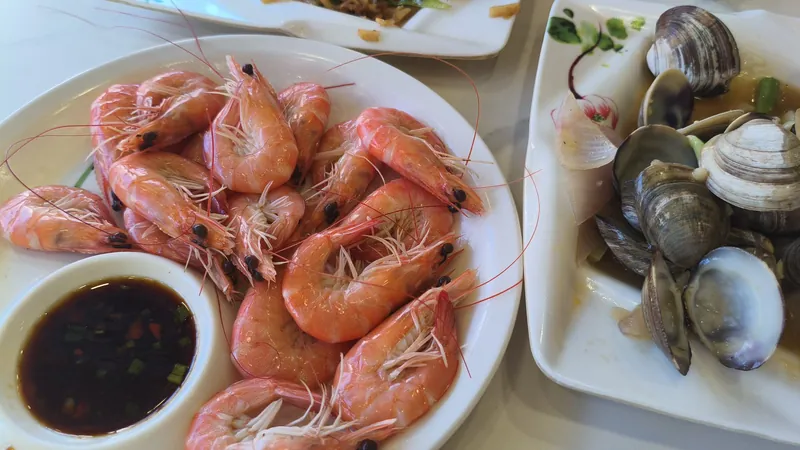
Noon at Qiaogang is for a proper meal, where returnee Vietnamese flavors meet harbor ingredients: crab-roe broth startlingly fresh, thin-skinned stuffed rice rolls generous, plus blanched prawns or steamed fish, the harbor's honest lunch.
Order noodles as the base, freshness as the garnish: one crab-roe or shredded-chicken bowl, then one or two blanched or steamed catches. Qiaogang is Beihai's price trough, the same prawns running thirty percent under tourist strips.
Sandworm: Afternoon Tea for the Brave
The afternoon assignment is sandworm, a small creature of Beihai's mudflats, off-putting to look at and sweet-springy to eat. Salt-and-pepper fried, the casing crisps; in soup it runs clean and fresh; the locals congee it, simmer it and sun-dry it, a badge of local taste.
First-timers should start with the salt-and-pepper version, texturally a crispy fried whitebait, the psychological bar collapsing at once. Then graduate to sandworm congee, rice grains soaked in ocean sweetness, and you will understand the locals' devotion.
Beihai Seafood: The Waisha Island Finale
The night's main front is Waisha Island. Boats land at dusk and the terraces' daily stock peaks: scallops, mantis shrimp, grouper and swimming crab rotating with the catch. The ordering formula is one steamed, one blanched, one fried, one soup, steamed grouper, blanched prawns, salt-pepper mantis shrimp and seafood broth, the golden four for a table.
Peak practice is ordering off the tanks: walk to the counter, point at live stock, ten times more reliable than any menu. Two diners should resist greed, three dishes and a soup suffice for Beihai's sincerity.
| Getting around |
|
| Budget | RMB 120-260 pp: snack sittings RMB 40-70, the seafood-terrace dinner RMB 80-180 a head. |
| Best time | Edible all year; shrimp cakes crispest fresh from the morning oil, boats land by afternoon for the fullest evening catch, time both ends. |
FAQs
What is the smoothest way between the Old Street, Qiaogang and Waisha?
Run it Old Street breakfast, Qiaogang lunch, Waisha dinner, a clean north-south line: street to Qiaogang fifteen minutes by bus or taxi, same on to Waisha. Dusk landings jam Qiaogang, so leave for Waisha before six when possible.
Do the terraces take reservations, and how do I avoid being fleeced?
Walk-ins fine at Waisha, though peak weekends favor phoning ahead for big tables. The anti-fleece mantra: board at the door, quote at ordering, eyes on the scale, receipt check at paying, four steps and there is no room left to squeeze. Uncertain? Order the posted-price sets, a bit dearer but calm.
What if I skip seafood or am allergic to it?
Qiaogang's Vietnamese rolls, chicken noodles and sweet soups are entirely seafood-free; order plain rice cakes at the cake stalls; night markets and Qiaogang grills carry beef, chicken and vegetables. Allergy-prone travelers should carry antihistamines and dodge dishes sharing the seafood wok.
What should sensitive stomachs watch all day?
Three rules: eat fried items hot, cooled oil turns heavier to digest; prefer blanched and steamed, skipping all raw-pickled and drunken preparations; keep iced drinks and hot soup apart. Beihai cooking runs mild overall, the real test being dinner's quantity, so stop at seventy percent.