
Chishui's human history runs three colors deep: the salt era's merchant wharves, the Long March's crossings, the third-front era's factory quarters. Three days walk chronologically: day one steeped in Bing'an, salt and Red Army layered in one town; day two upland, craft in the bamboo sea and the forest-station story of Swan Castle; day three closing on water and stone, seeing how nature shaped all the rest.
The line walks slow and talks much: every brace in the town, every map in the halls, every split of bamboo in the workshop asks you to stop. Built for travelers who love history and craft, content to leave the waterfalls for next time.
Itinerary at a glance
| 09:00 | Day One Morning: Bing'an's Salt-Transport Wharf |
| 11:00 | Day One Midday: The Red Army Crossing and the Exhibit Hall |
| 14:30 | Day One Afternoon: The Valley Resort and the Salt-Road Story |
| 18:30 | Day One Night: Town Talk after Dark |
| 09:00 | Day Two Morning: The Bamboo Sea and the Weaver's Craft |
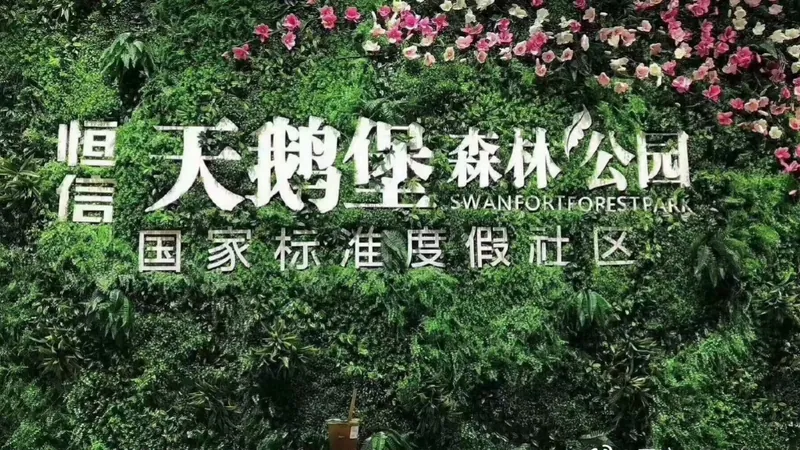
| 14:00 | Day Two Afternoon: The Forest-Station Years of Swan Castle |
| 17:30 | Day Two Dusk: The Panlong Shoal and Riverside Households |
| 19:30 | Day Two Night: Factory-Town Evenings on the Square |
| 09:00 | Day Three Morning: The Chitianhua Square and Third-Front Memory |
| 13:30 | Day Three Afternoon: Water and Stone, Sidonggou against Hongshiyegu |
The route, stop by stop
Day One Morning: Bing'an's Salt-Transport Wharf
Heritage opens at a wharf. Bing'an held one word on the Sichuan-Guizhou salt waterway: rapids, waters too fierce for the climb, so barges unloaded here for the portage, and the cliff town ringed by water on three sides prospered for centuries. Cross the chain bridge and the salt houses, eateries and horse inns line the flagstone main street, stilt braces rooted in rock.
Read the town along its trade: which houses traded streetfront, which stored riverside, which hid residents in the lanes, the zoning still legible. An hour on the street, twenty more at the wharf, replaying the salt barges coming in.
Day One Midday: The Red Army Crossing and the Exhibit Hall
The town's second layer dates to 1935. The Red First Corps crossed at Bing'an, opening the four crossings, and the ferry monument with the town's exhibit hall keep that memory, the panels laying out the military map clearly, forty minutes well spent.
From salt to soldiers, one crossing served two different passages, one for profit, one for survival. Grasp that on the stone steps and you have read half the town.
Day One Afternoon: The Valley Resort and the Salt-Road Story
The afternoon zooms from one town to the whole valley. The resort's tourism road tracks the ancient salt route closely, salt barges pushing upstream and mule trains over the passes while the valley served as northern Guizhou's logistics artery, viewpoints and boards sketching that commercial history.
From a valley platform watch the river wind away and grasp what gorge meant to this trade: in ages of high passes, the valley floor was the only expressway. Half an hour, one panorama set.
Day One Night: Town Talk after Dark
Sleep in Bing'an, and after dinner take a teahouse seat for the elders' tellings: how the salt barges docked, how the army crossed, what ferrying meant before the bridge. These oral versions annotate the official panels, the least reproducible hour of the heritage trip.
The night runs quiet enough to hear the river, and confirm tomorrow's bamboo-sea run with your driver before turning in.
Day Two Morning: The Bamboo Sea and the Weaver's Craft
Day two is bamboo. The park's moso groves fed generations of mountain households, beams, baskets and mats, the bamboo standing as the region's material library. Top the lookout for the whole green sea, then watch the workshop split culms, even the strips, weave the vessel, half an hour reading one bamboo's full transformation.
Try the basic weave yourself, one coaster long enough to feel the weight of slow work, and read the halls on bamboo paper and carving closely.
Day Two Afternoon: The Forest-Station Years of Swan Castle
Afternoon climbs. The hills of Swan Castle ran as a state forest farm, today's cool-retreat resort being the farm's afterlife: the pines planted then, the lake a water project of the station years, the lakeside paths built over patrol trails. See the resort through that former life and every road carries a decade.
One lakeside circuit takes an hour, cafe pause included. Upland dusk comes early, the light slanting after four, the lake turning to mirror for the lens.
Day Two Dusk: The Panlong Shoal and Riverside Households
Down from the hills, dusk at the shoal belongs to riverside households: net boats landing, children picking stones, elders smoking on the embankment. This reach is the town's most lived-in shore, and heritage day two closes not on sunset but on people.
Chat with the stone hunters, who can name the bend where the good agates wash up, local knowledge no guidebook carries.
Day Two Night: Factory-Town Evenings on the Square
Back in town, pass the Chitianhua square for a preview of tomorrow's closer seen at night: dance-music speakers, chess under lamps, windows lighting in the estate blocks. The factory town's evening rhythm runs apart from the tourist zones, a trailer for the trip's last stop.
Dine at the small kitchens around the square, douhua rice and bamboo-shoot stir-fries the true canteen flavor, then rest early, water and stone tomorrow.
Day Three Morning: The Chitianhua Square and Third-Front Memory
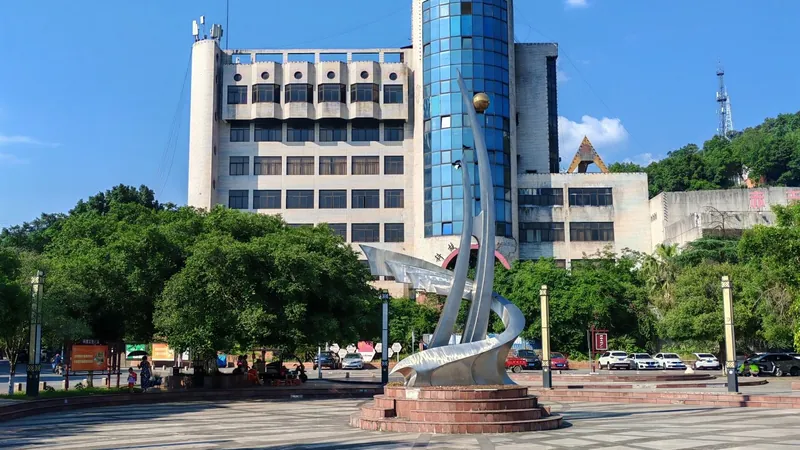
Heritage's last layer sits in town. The third-front build of the nineteen-sixties planted a fertilizer works in this valley, Chitianhua becoming the start of Chishui's modern industry, the sports square generations of plant life's center. Morning belongs to exercising elders, the estate's red brick and faded slogans at their most evocative in dawn light.
The right way in is conversation: sunning pensioners mostly enjoy telling the plant's story, from groundbreaking to restructuring, a living factory history on a bench.
Day Three Afternoon: Water and Stone, Sidonggou against Hongshiyegu
Heritage closes in nature, watching water and stone script everything else. The afternoon pairs two stops: Sidonggou for four falls cut into soft rock, Hongshiyegu for danxia red holding against the creek, half an hour between, an hour-plus each, the tempo right.
See them with three days behind you: the salt road born of the gorge, the ferry set by the current, the groves thriving on humidity, the factory town standing on resources, water and stone wrote every story here. Sit at the gorge-mouth tea stall afterward and sum the trip up.
Back in town the heritage trip closes, three days tracing one causal chain: salt built the town, the crossing turned a war, bamboo fed the mountains, the forest farm became a resort, the factory grew a town, and water with stone explains why it all happened in this gorge. One last meal, the Panda Feast, and Chishui's human story reads longer than its waterfalls, worth a few threads for next time.
| Getting around |
|
| Budget | Tickets and guides total about RMB 300-450 pp before lodging, meals at farmhouse tables, charter extra. |
| Best time | Any season; hall talks thicken on holidays, and the town at dawn and the square at dusk carry the most life. |
FAQs
How do I choose between the heritage and nature three days?
Sort by appetite: drawn to old towns, craft and modern history, take the heritage line, lighter on the legs and rain-proof; come for falls and danxia, take the nature line. They do not conflict, Chishui rewarding both visits, or fuse Bing'an and the groves into the nature line for a four-day hybrid.
Does the local dialect block talking with the elders?
Chishui speech belongs to the southwestern Mandarin family, broadly followable at slow speed, and gesture plus patience carries simple talk. Teahouse houses relay willingly, most younger folk speak standard Mandarin. The key is posture, not language, tea first, questions after, and asking again when lost, locals generous to the curious.
Where can I see more of the third-front history in objects?
The square and its estate are the densest site, red brick, faded slogans and the plant layout being the artifacts themselves. Some pensioner homes keep plant badges, work slips and old photos, produced when talk runs warm. Secondhand bookshops in town occasionally turn up third-front-era albums, luck permitting.
With children on the heritage line, which stops hook them most?
Ranked: the chain bridge, a natural amusement in its sway; the weaving bench, results carried home same day; the halls' military maps, gripping when told as story; stone-picking on the shoal, reward made tangible. The square and salt-road history run abstract for the young, pass-through fine. Walking stays manageable, snacks and water at hand.