
Qinghai Lake is more than scenery; it is also a sea of faith: prayer flags, mani stone piles and monasteries along the shore, household altars inside herder tents, tsampa and butter tea on the table, together composing life in Amdo Tibetan country. This day bypasses sightseeing and enters through three facets: the monastery's sacred space, the herder home's living space, and the table built on highland barley.
The route runs temple, home, table: morning at a monastery near town learning visiting etiquette and iconography, midday out to the lakeside grasslands to churn butter and knead tsampa with a herder family, evening back to town smelling of milk tea. Home visits book through proper guesthouses or agencies.
Itinerary at a glance
| 09:00 | The Monastery Morning: Icons, Etiquette and Circumambulation |
| 12:00 | The Herder Home Visit: First Butter Tea in the Tent |
| 14:00 | The Tsampa Lesson: The Soul Skill of the Highland Table |
| 16:00 | Prayer Flags and Mani Piles: The Sacred Geography of the Shore |
| 18:00 | The Table Coda: A Full Tibetan Dinner as Recap |
The route, stop by stop
The Monastery Morning: Icons, Etiquette and Circumambulation
The morning visits a Tibetan Buddhist monastery in Gonghe County. What to see: the sequence of Buddha images, mandalas and deities in the murals, butter lamps in the scripture hall. How to behave: circle clockwise, keep your voice low, touch no ritual objects or images without permission, and respect the usual indoor photography ban.
If monks are chanting, stand quietly outside or in a back row for a while, possibly the most moving ten minutes of the day. Most monasteries are free or charge a small offering; before leaving, turn the prayer-wheel corridor clockwise three times, the cheapest participatory rite there is.
The Herder Home Visit: First Butter Tea in the Tent
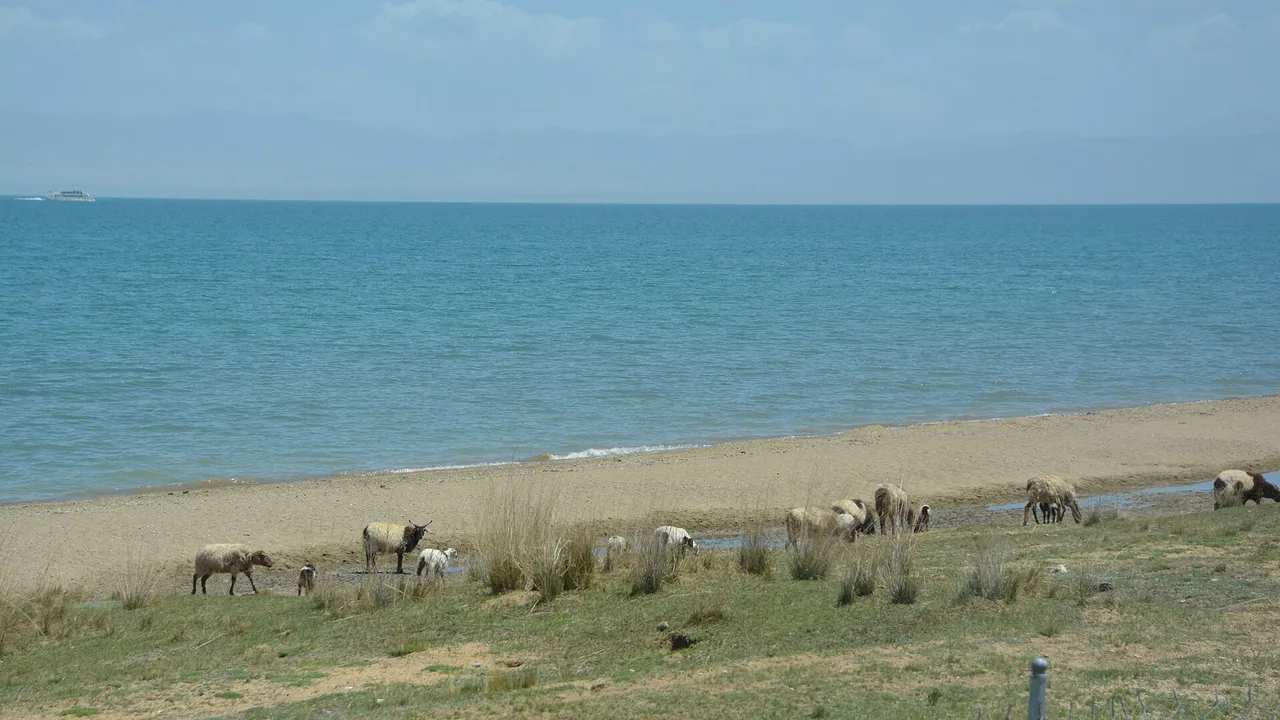
At midday you reach a herder family on the lakeside grasslands. Tent etiquette: take the seat offered without fuss, receive your cup with both hands, and drink the first bowl halfway, leaving some, a polite rhythm. Butter tea runs salty and rich, served with roasted flour and cheese curds, the complete grammar of highland hospitality.
A visit usually covers the yak-hair tent or settled house, bottle-feeding a lamb, and the seasonal rhythm of moving pastures. Hosts may speak little but work constantly; following their hands beats watching.
The Tsampa Lesson: The Soul Skill of the Highland Table
The afternoon's core is learning to knead tsampa. Roasted highland barley ground into flour goes into a bowl with butter tea, cheese curds and a little sugar, then you work it with your fingers, rotating along the bowl's rim until it forms a non-sticky ball. Simple to describe; first attempts usually produce soup, your hosts will laugh, then teach it again hand over hand.
Highland barley is the only staple grain the plateau grows at scale, hardy against cold and drought, its flour calorie-dense enough to be herders' marching rations. Understand barley and you understand why population, pastures and faith grew the way they did here.
Prayer Flags and Mani Piles: The Sacred Geography of the Shore
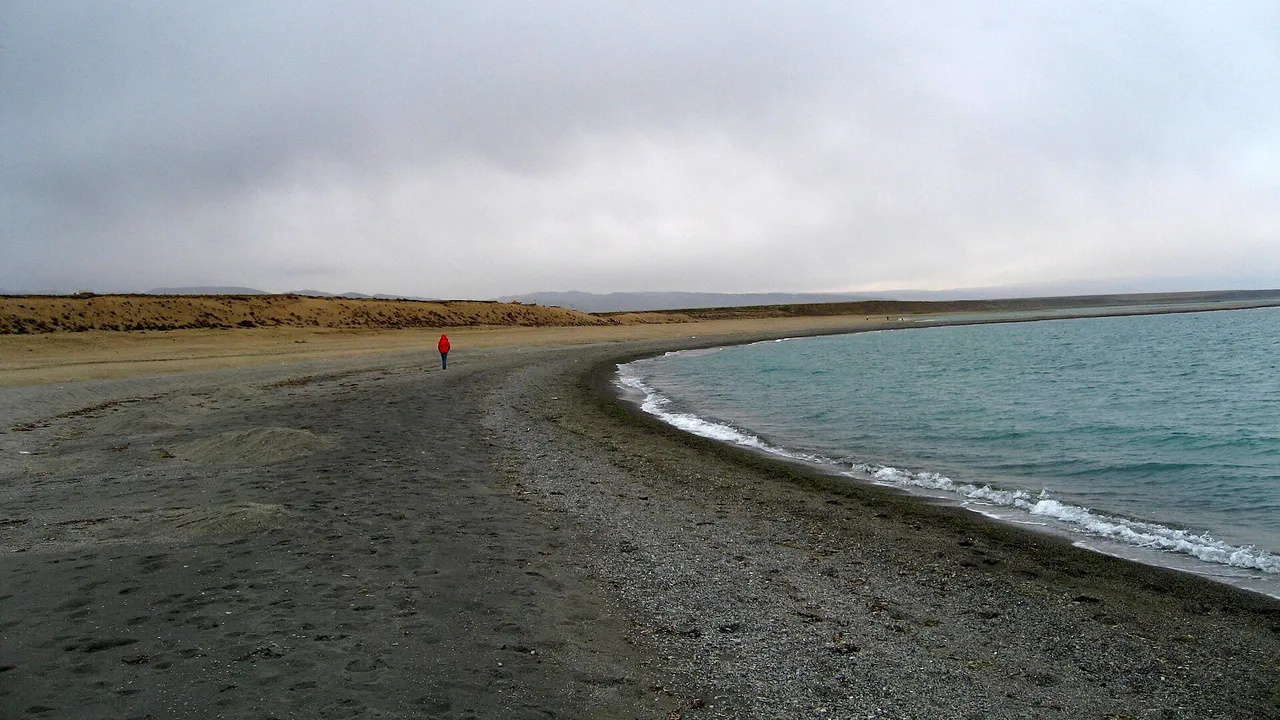
Before returning, stop at the lakeside prayer-flag arrays and mani stone piles. The flags' five colors map to blue sky, white cloud, fire, green water and earth, and each gust of wind recites the prayers once on the flag-raiser's behalf; mani piles are heaps of stones carved with the six-syllable mantra, and passersby join by adding one stone.
Both are everywhere along the shore, and once you understand them, Qinghai Lake stops being a pure landscape and becomes an open-air monastery. Never stand on a mani pile for photos, and never carry off a carved stone.
One rule covers both prayer flags and mani stone piles: keep to the clockwise direction. Pilgrims circle temples, stupas and stone piles clockwise, and visitors should follow the same flow. Adding one small stone is welcome, but never move an engraved one or step on top of the pile. Walking past quietly and respectfully is participation enough.
The Table Coda: A Full Tibetan Dinner as Recap
Back downtown, close with a proper Tibetan dinner that replays everything learned: tsampa, butter tea, yogurt, hand-pulled lamb and a rice dish with sea-buckthorn berries. After the afternoon's hands-on work, every bite carries an extra layer of understanding.
End a culture day with blank space: stroll the streets after dinner, reading the Tibetan and Chinese paired on shopfronts, listening to the wind. You conquered no summits today, but you touched the texture of this land.
| Getting around |
|
| Budget | About 200 to 400 CNY per person excluding lodging: home visits 100 to 200 CNY, temples free or cheap, food about 60 |
| Best time | Year-round works; festival assemblies at monasteries peak on Tibetan calendar holidays, so confirm timing ahead |
FAQs
Are herder home visits staged performances?
Properly booked visits are real households whose routines do not bend for you; roadside touts run performances, and the difference in sincerity is huge.
Does tsampa taste good, and what if it does not suit me?
The flavor is mild with milky notes, and first impressions vary; sweetening with sugar or honey eases it, and eating it with yogurt is the compromise.
May I photograph monks?
Ask before shooting; most monks mind little but respect comes first, and chanting or ritual scenes usually forbid photography, so follow posted and spoken rules.
Does the home visit suit children?
Very much so, with lamb feeding and tsampa kneading irresistible to kids; teach gentle hands, no chasing animals, and note that running hard at altitude needs limiting anyway.