
Three days around the lake's southern half is the highest-value loop: day one the east line and Erlangjian with the night in Heimahe town, day two the sunrise and a run north along the west-shore road, turning back via the Bird Island direction or continuing the loop, day three the remaining east shore or flexing toward Chaka.
Both high points live in light: Erlangjian's morning blue and Heimahe's golden sunrise. The west-shore road hugs the water closer than any stretch, with almost nothing between asphalt and shore, the essence of the loop billed as China's most beautiful lakeside drive. Note Bird Island has closed seasonally in recent years, so check official notices before travel; outer viewing points make a substitute. Elevations hover around 3,200 meters the whole way, and the itinerary is deliberately paced to give your body a full three days to adjust.
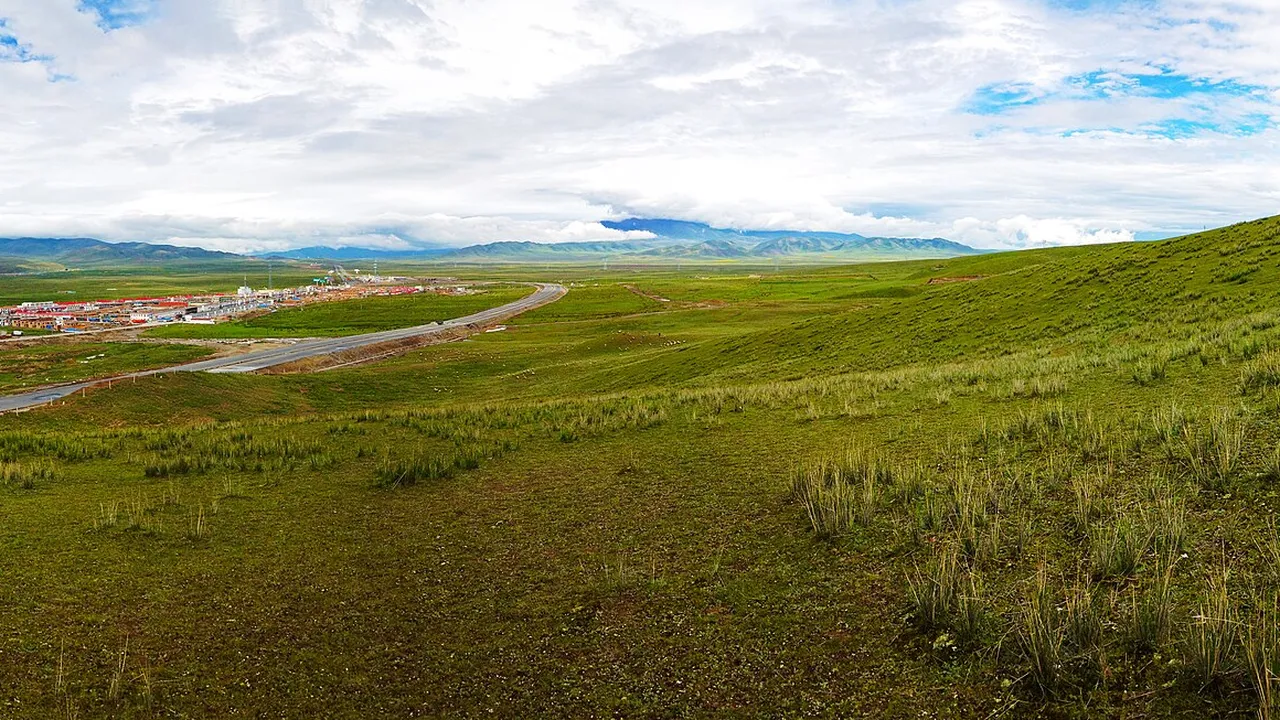
Itinerary at a glance
| DAY1 09:00 | Day One: Daotang River, Erlangjian and the Southbound East Line |
| DAY2 09:00 | Day Two: The Heimahe Sunrise and the West Shore Road |
| DAY3 09:00 | Day Three: The Flex Day and the Return |
The route, stop by stop
Day One: Daotang River, Erlangjian and the Southbound East Line
Day one pauses briefly at Daotang River, then enters Erlangjian for two hours of spit-walking and platforms, tickets about 90 CNY. Lunch in the town by the park, then drive southwest along the ring road with spontaneous lakeside stops; the flower-and-water compositions of bloom season all sit on this stretch.
Reach Heimahe town by dusk, one of the ring's densest lodging bases full of eateries and guesthouses. Dinner is hand-pulled lamb or Tibetan noodles, then early to bed to bank energy for sunrise.
The Daotang River is one of China's rare rivers flowing from east to west: legend says it formed from the tears of Princess Wencheng on her journey to Tibet, but the real cause is crustal movement that left this stretch of land higher in the east. From Daotanghe town to Erlangjian you pocket a geographic curiosity, all rivers flow east except this one, while echoing the historic route the princess once took.
Day Two: The Heimahe Sunrise and the West Shore Road
Leave before six to wait at the shore for sunrise. Heimahe faces due west, making it the lake's premier sunrise post: the sun lifts off the far edge of the water as ink-blue turns gold and red, prayer flags fluttering in the foreground. Back in town, hot congee and buns press down the morning chill.
The morning runs north along the west-shore road, the loop's closest-to-water stretch where the shoreline rises and falls with the road. Lunch at a lakeside eatery on yogurt and noodle sheets, then continue north via the Bird Island direction (outer viewing if the park is closed) or turn back, setting the night's base by your day-three plan.
Sunrise at Heimahe owes its fame to the best marriage of access and lodging on the lake: the town sits right against the shore, the viewing spots are a short walk away, and there is no need to set out in the dark. Management of the lakeside viewpoints has been standardized in recent years, so simply follow the signs and the flow of people rather than climbing fences for a private angle.
Qinghai Lake is a tectonic lake, born of a faulted basin that sank between ranges. Rivers flow in but none flow out, so salts have accumulated over millennia and made the water brackish. Observations in recent years suggest the water level has generally been rising and the shoreline has crept outward, which is why the flats near Heimahe feel especially open today.
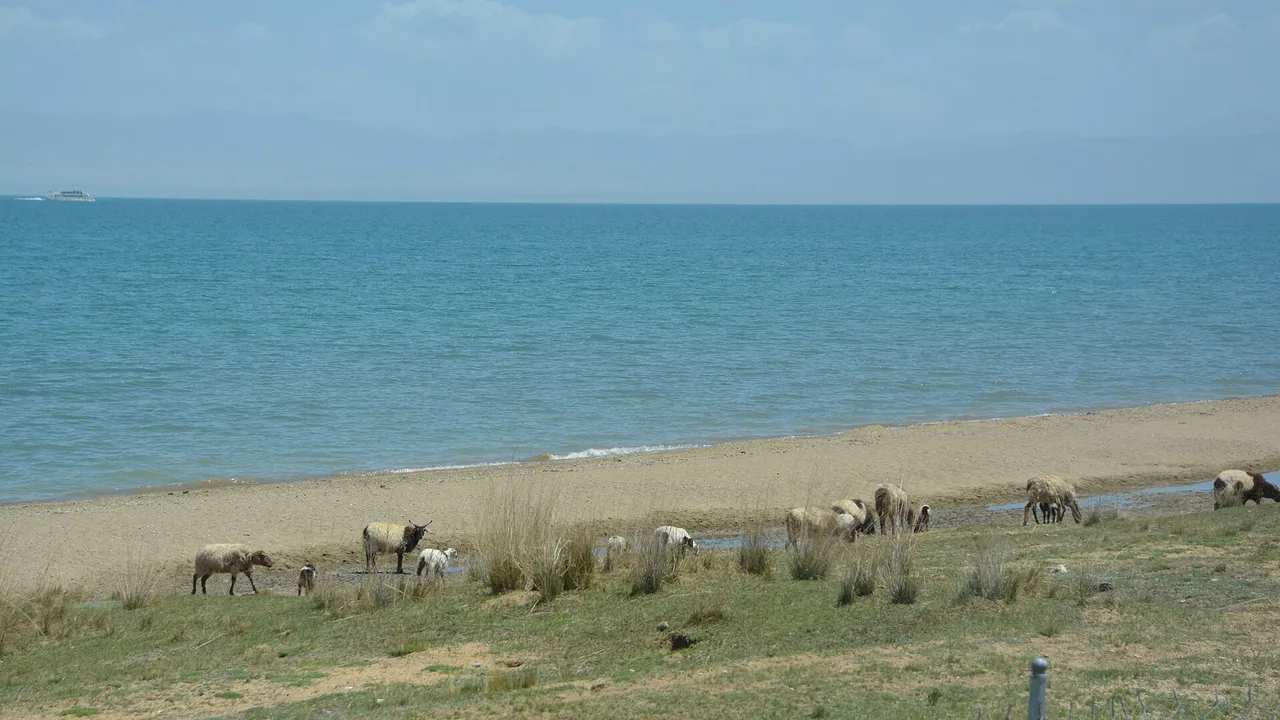
Day Three: The Flex Day and the Return
Day three flexes on your condition: keep going for the western loop or north to Gangca if hungry for more; return via Gonghe with stops at any missed Golden Sand Bay or Daotang points if time runs short; or dart west to Chaka Salt Lake as a day trip (see the Chaka guide).
Save half an hour on the road home for one last look at the water. Three days gave you two kinds of blue, one sunrise and a road that hugs the lake; the loop seed is planted, and many return the next year to ride the full circle.
If you head for Chaka, note that the Xiangpi Mountain pass sits near 3,800 meters, so keep a jacket at hand in the car; if you return via Gonghe, the county town's highland barley cakes and yogurt make the best road provisions. A flex day simply hands the pace back to your body, and how you slept the night before will supply the answer.
| Getting around |
|
| Budget | About 700 to 1,200 CNY per person excluding lodging: Erlangjian about 90 CNY, two shared charter days around 800, rooms 150 to 400 per night |
| Best time | June to August is best with bloom and sunrise stacking; in high season, book Heimahe rooms a week ahead |
FAQs
Is Bird Island open now?
Bird Island has been seasonally closed in recent years to protect migratory birds, with status per official notices; outer birding points along the ring road work as alternatives.
When is the Heimahe sunrise best viewed?
Summer sunrise lands about six to six thirty, so claim a spot forty minutes early; in autumn and winter it slips toward seven thirty, demanding longer cold endurance.
Can three days circle the whole lake?
Only as a drive-by, which wastes the point of the loop; the full experience wants four days or a bicycle (see the cycling guide), so three days on the southern half is the sensible play.
How do I secure high-season lodging?
Book Heimahe lake-view rooms one to two weeks ahead; missing out, take a standard room in town, a dozen-odd minutes' walk to shore, and the sunrise loses nothing.