
Guiyang's geological hand is karst: stone mountains, caves threaded to underground rivers, lakes like highland mirrors. Three days flip the hand card by card, day one for downtown forest and Tianhetan's water caves, day two for Huaxi wetlands, an art valley and the stone town, day three closing on Hongfeng Lake's islands plus a hot soak home.
The rhythm alternates heavy and light, hiking against boat rides, with the old town and hot springs anchoring the ends. Afternoon showers are routine in these hills, so put outdoor highlights in the mornings and boat-and-indoor stops after lunch, an ordering that works in any weather. Sleep night one in Qingyan, the rest downtown.
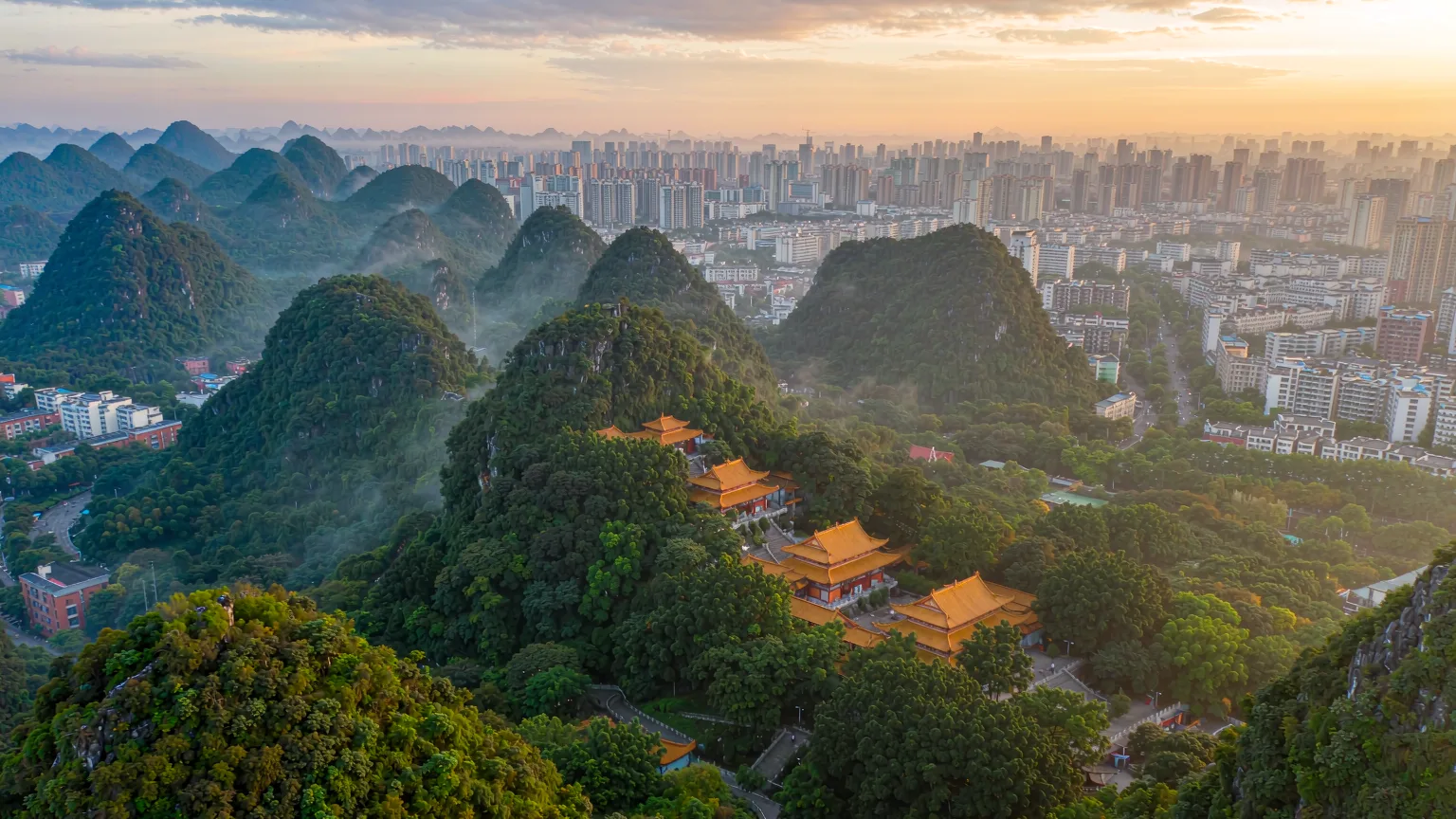
Itinerary at a glance
| Day 1 · 09:00 | Qianling Mountain Park: Opening with the Climb |
| Day 1 · 13:30 | Tianhetan Scenic Area: Boating into the Karst Interior |
| Day 1 · 17:30 | Qingyan Ancient Town: The Stone City by Night and Morning |
| Day 2 · 09:30 | Huaxi Park and the Ten-Li River Flats: A Highland Waterside Morning |
| Day 2 · 13:30 | Huaxi Yelang Valley: A Stone Kingdom Built over Twenty Years |
| Day 2 · 16:00 | Huaxi Cross Street: The Locals' Supper Row Opens Early |
| Day 2 · 20:00 | Guiyu Hot Spring: Returning Day Two's Fatigue to the Water |
| Day 3 · 09:30 | Hongfeng Lake: An Island-Cluster Farewell on a Highland Lake |
| Day 3 · 15:30 | Wanxiang Hot Spring Resort: The Final Soak |
The route, stop by stop
Qianling Mountain Park: Opening with the Climb
Open the three days with the climb while your legs are fresh. The RMB 5 ticket covers the zoo and panda house, the main stone-step path climbs gently, and the summit pavilion opens the Guiyang basin below in about ninety minutes. Macaques will inspect your bag en route; hiding the food is lesson one.
Descend via Hongfu Temple, three centuries of incense, and exit at Qilin Cave. Lunch on the streets outside the park, then point the afternoon straight at Tianhetan with nothing scheduled between, giving the caves their full due.
Tianhetan Scenic Area: Boating into the Karst Interior
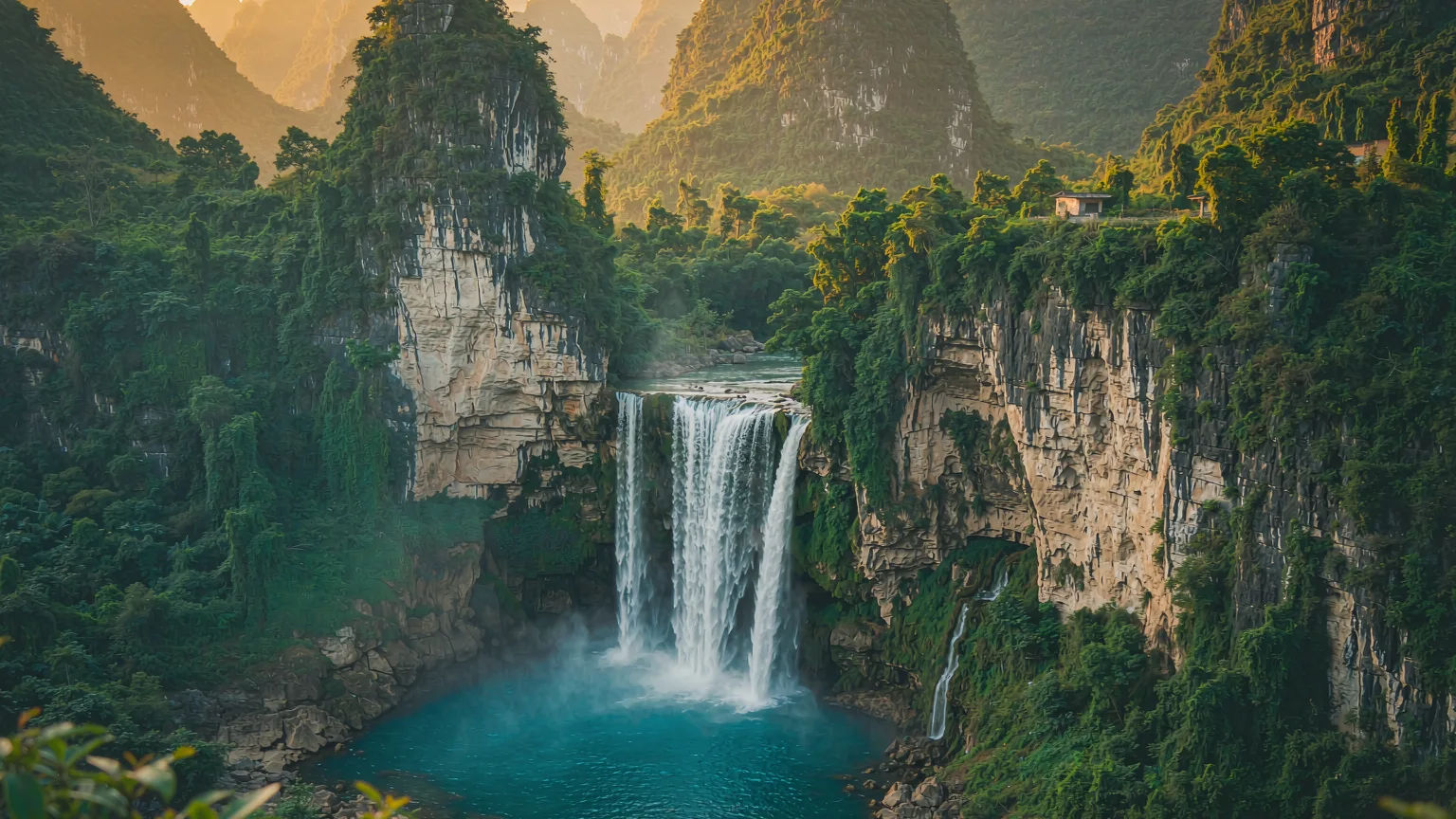
Tianhetan sits southwest of downtown in Huaxi's Shiban town, a one-two punch of water cave and dry cave: boats duck beneath low stalactites, and the exit bursts onto falls and a gorge where cliff walls pinch emerald water. The cave-boat-then-waterfall routing is a rare pleasure even in the southwest.
The full walk takes about three hours, cool and damp inside, rolling paths outside. With spare legs add the gorge boardwalk; if time presses, protect the boat circuit above all. By dusk drive half an hour to Qingyan for the night, dinner in the town, and the lit wall after dark.
Qingyan Ancient Town: The Stone City by Night and Morning
Holding Qingyan for night and morning is the best anti-crowd play. Lit after dark, the Dingguang Gate wall and stone streets turn warm as tourists drain away and the town returns to locals; at dawn the back lanes empty entirely, polished flagstones in thin mist, the photographers' hour.
Dinner means imperial trotters and rice cakes in sweet soup, and the next morning climb the wall for the panorama. Half a day covers the small sights, the wall and the lane food; leave by ten for Huaxi to meet the next leg on schedule.
Huaxi Park and the Ten-Li River Flats: A Highland Waterside Morning
Day two belongs to Huaxi. The old park is downtown Guiyang's cherished outing memory, the Huaxi River slipping through, the weir flats shallow and slow; Ba Jin and Xiao Shan held their wedding celebrations here in 1944, and the park keeps the footnote. The plane-tree avenue in morning light is Huaxi's signature frame.
Out the gate and downstream stretches the Ten-Li River Flats wetland park, a free green corridor of reeds, lotus fields and cycle paths for kilometers. Rent a bike and ride the river until you stop, the standard Huaxi morning, ending wherever lands with a bowl of Huaxi beef noodles.
Huaxi Yelang Valley: A Stone Kingdom Built over Twenty Years
In the afternoon visit Yelang Valley, the stone-figure field artist Song Peilun has stacked over twenty years in a ravine: totem pillars, stone faces and Nuo-mask-like standing figures scattered through karst terrain with weeds threading the seams. It is no ancient site, but moves more than many, one man's imagining of Yelang made solid.
The valley runs small, an hour to ninety minutes, best in slanting afternoon light or under clouds when the stone faces read richest in side light. The hit rate for photos is extraordinary, so slow the day down and look and shoot without hurry.
Huaxi Cross Street: The Locals' Supper Row Opens Early
Return to Huaxi's old streets for dusk. Cross Street is the district's street-life core, beef-noodle houses hanging whole bone pots at the door, with the origin legends of the famous flying-bowl beef noodles rooted here. Beyond noodles, grilled tofu, fried potato and ice slush line the row at friendlier prices than downtown.
Eating in Huaxi buys the hot springs their full window: leave by seven-thirty and sink into the water before eight, beating the night rush. The orthodox beef-noodle order adds a braised egg and tendon bits, while spicy-chicken noodles are the other branch, your call.
Guiyu Hot Spring: Returning Day Two's Fatigue to the Water
Guiyu Hot Spring sits in Wudang District, a veteran of Guiyang's suburban hot-spring belt with garden-styled pools and a mature flow. Forty minutes in the water basically zeroes out two days of trail ache, and the mountain night wind finishes the loosening.
Observe the rules: neither empty nor stuffed stomachs soak well, rise after fifteen to twenty minutes to rehydrate, and those with hypertension or heart conditions should be careful. Finish with hot ginger tea in the lounge before heading to a downtown bed, keeping day three's drive loose.
Hongfeng Lake: An Island-Cluster Farewell on a Highland Lake
Day three runs west to Hongfeng Lake in Qingzhen, a man-made highland lake far larger than West Lake, its islands scattered like chess pieces. Red maples naming it in autumn frame the water, otherwise a quiet blue; boat out past peninsulas and fishing villages as karst hills rise straight from the lake, Guilin's bones without Guilin's crowds.
Two to three hours on the water suffices, with fisher-run lake-fresh restaurants near the docks serving clear-water fish and lake shrimp. If the afternoon allows, walk the lakeside villages and shoot the slow shoreline life before heading back.
Wanxiang Hot Spring Resort: The Final Soak
On the return leg hand the final soak to Wanxiang Hot Spring Resort, the period on the whole itinerary. Unlike Guiyu's garden feel, the pool variety here runs richer, ideal for steaming away a full day of lakeside wind. Skin glowing after the soak, you will sleep the whole ride.
With only half a day left, compress this to a fast two-hour soak or cut it entirely for downtown rest, since springs exist for recovery, not checkboxes. Three days of Guiyang landscape close here; carry home rose candy and batik as the physical footnote to the water and stone.
| Getting around |
|
| Budget | Tickets and boat rides total RMB 250-400 pp; with meals and lodging expect RMB 800-1500 per person across three days. |
| Best time | Apr-Jun and Sep-Oct are prime; cool summers suit hiking, and the rainy season swells caves and falls, though rain gear becomes mandatory. |
FAQs
How do the three days connect most smoothly?
Walk it as a loop of downtown, Qingyan, Huaxi and back: sleep night one in Qingyan and the rest downtown, moving bags only once. Buses serve the Huaxi nodes but wait times bite, so chain stops by car; Hongfeng Lake works best as its own half-day charter.
Do Tianhetan and Yelang Valley need advance booking?
In season book Tianhetan online with a boat slot, since holiday on-site queues run long; Yelang Valley's RMB 20 ticket usually sells on site, with special events per notices. Neither needs agency paperwork, just personal booking and your ID.
Do Hongfeng Lake and Tianhetan feel repetitive, and which to pick?
Not at all: Tianhetan is cave and gorge, Hongfeng is lake and island, entirely different experiences. On a two-day budget keep Tianhetan plus Qingyan for a nature-culture mix, or Hongfeng for pure water. With three days both fit, no trade-off needed.
What about safety and gear in these hills?
With routine showers, a rain shell and grippy shoes are baseline gear; follow staff instructions in caves and on boats and never cross safety lines; hike in company and download offline maps for signal dead zones. Guard food and documents in macaque zones, climb within your limits, and carry ample water in heat.