
Haikou eats on its own clock: mornings belong to the laoba tea houses, where steamers and griddles start clattering at six; noon's proper meal is a plate of poached Wenchang chicken; the three o'clock heat calls for a bowl of qingbuliang; evening means choosing live seafood at the plaza to be cooked on the spot; and the night closes on the sour heat of zaopo vinegar.
The route stays inside the city, bus and taxi territory, no suburbs required. The discipline is pacing: stop each dish at a third full. Haikou's street food runs small, varied and cheap, and filling up on any one thing is the costliest mistake on the menu.
Itinerary at a glance
| 08:00 | Zhengfanghua Laoba Tea (Wenming): Waking Up to a Steamer Basket |
| 12:00 | Su Xiaoying Wenchang Chicken (Qilou Old Street): The Noon Poaching Ritual |
| 17:30 | Dingcun Huochetou Seafood Plaza: Pick It Live, Eat It Fresh |
| 20:30 | Niupaiwang Zaopo Vinegar Hotpot (Longshepo): A Sour, Fiery Close |
The route, stop by stop
Zhengfanghua Laoba Tea (Wenming): Waking Up to a Steamer Basket
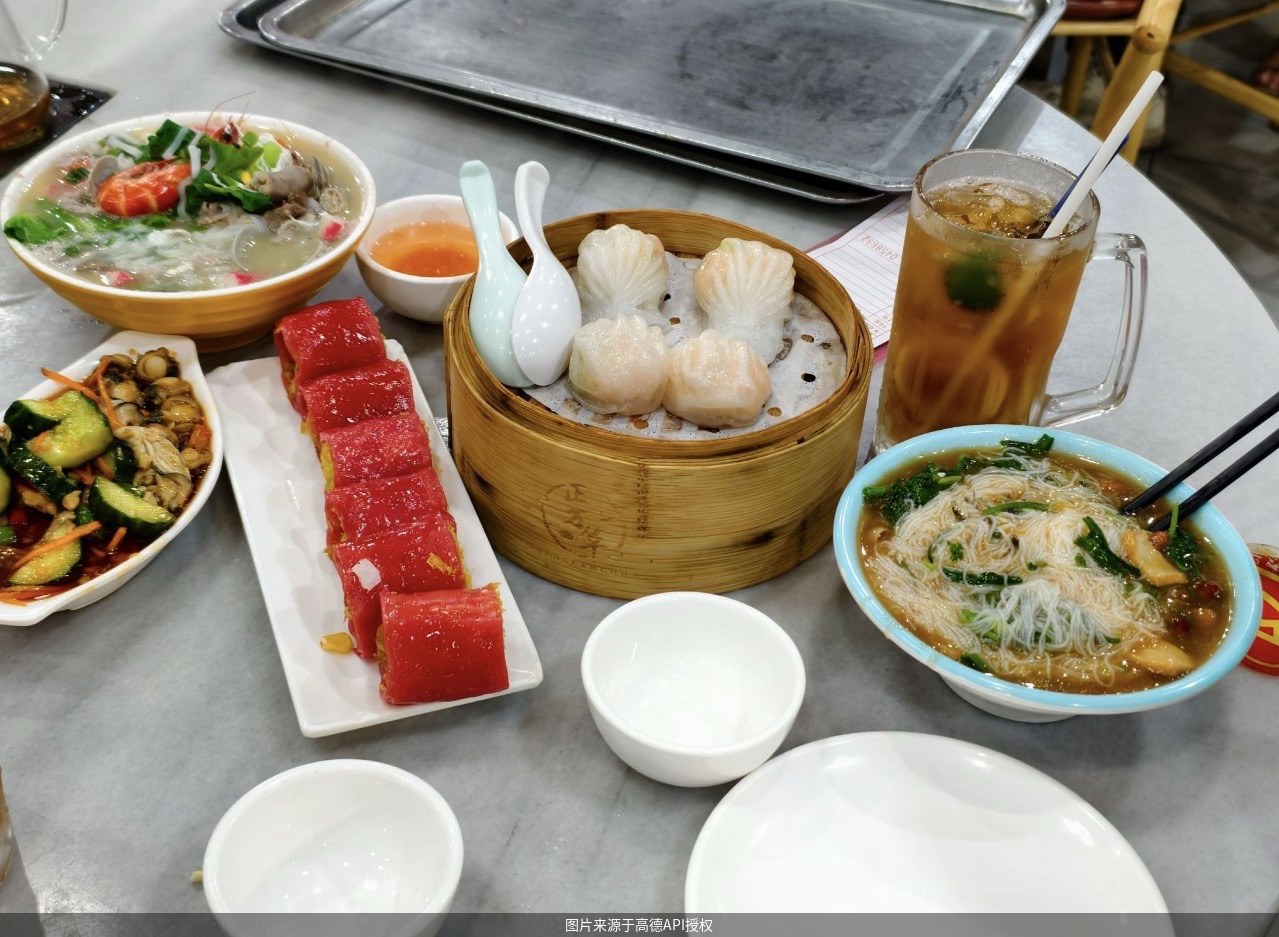
Haikou mornings start in a laoba tea house. Zhengfanghua ranks among the city's most popular chains, and the Wenming branch opens at 6:30 with steamers stacked full of pork ribs, chicken feet and sticky rice in lotus leaf, while pineapple buns and crispy egg twists sizzle on the griddle. A pot of tea and a few plates for twenty or thirty yuan a head, and you have half of Haikou at the table.
For a first visit: a pineapple bun, steamed ribs, a fried sesame ball, and local guzhen tea or plain green tea to pour. Regulars camp three hours; forty minutes is your slot before the next stop, saving stomach for the chicken at noon.
Su Xiaoying Wenchang Chicken (Qilou Old Street): The Noon Poaching Ritual
Wenchang chicken heads Hainan's four famous dishes, served plain-poached: golden, springy skin dipped in a sauce of lime and minced garlic, alongside rice cooked in chicken fat. This old house on the old street runs the full ritual, chopping to order, with a chicken-blood soup and greens completing the table; half a bird feeds two properly.
Judge the dish on three points: crisp skin, bouncy flesh, and a dip built on small green limes. This shop passes all three. Local diners pack it around noon and the birds can sell out later in the day, so keep to the meal hour.
Dingcun Huochetou Seafood Plaza: Pick It Live, Eat It Fresh
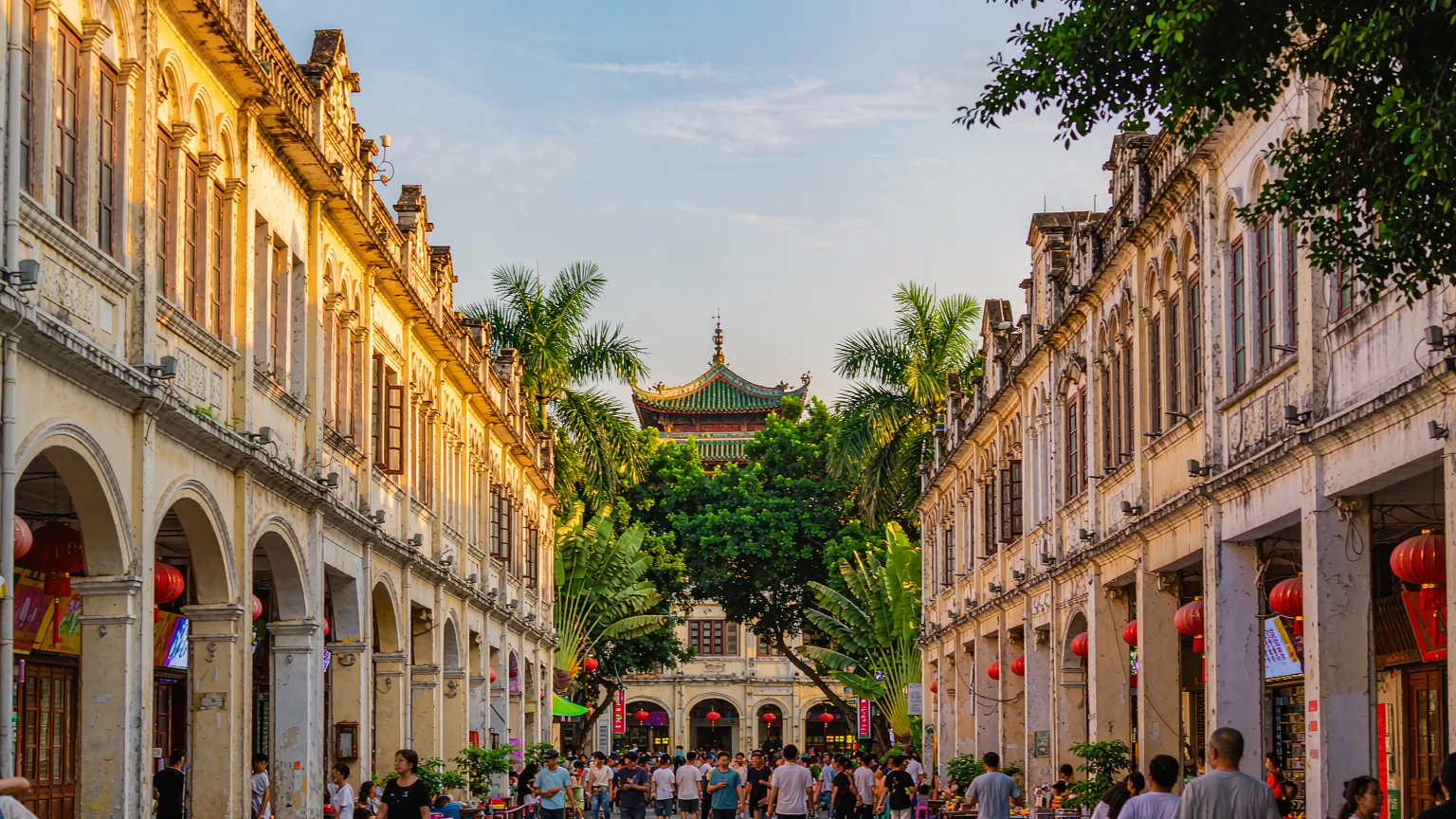
The Huochetou plaza is Haikou's largest seafood market-cum-food court, stalls stacked with the day's landings: grouper, Hele crab, mango clams and mantis shrimp. Pick and weigh at the stall, then hand everything to a neighboring kitchen that charges by the dish for cooking. Arrive before 5:30 for the fullest tables and thinnest crowds.
Ordering strategy: clams steamed with garlic, fish plain-steamed, crab stir-fried with ginger and scallion, mantis shrimp salt-and-pepper. Cooking fees run roughly fifteen to thirty yuan per dish by method, so pin the price down before ordering. For peace of mind, watch the digital scale and keep the printed ticket.
Niupaiwang Zaopo Vinegar Hotpot (Longshepo): A Sour, Fiery Close
Zaopo vinegar traveled from Puqian town in Wenchang: a broth built from brewing dregs, rice vinegar and chili, sour and appetite-sharp. Niupaiwang's Longshepo flagship turns it into a hotpot; drink a bowl of the broth as it boils, then run in seaweed, crispy pork, beef and offal, the flavor deepening as it cooks.
It plays nightcap perfectly, the sour broth cutting a day of oil, paired with a fried shrimp fritter and a coconut. If the seafood lunch ran heavy, keep this one light and drink the soup; your stomach will write you a thank-you note.
| Getting around |
|
| Budget | A full day of eating runs RMB 150-260 pp, with the seafood meal the most elastic line. |
| Best time | Year-round; the tea houses are most authentic before nine, and the seafood plaza rewards arrival before 5:30 pm. |
FAQs
Can one person actually finish this route?
No, and you should not try. The solo version: halve the morning tea, order half a chicken, one qingbuliang, two small seafood picks, and broth-plus-one-dish at the vinegar hotpot; the total stays manageable with everything tasted. Haikou's eating virtue is small plates and variety; cleaning every board is cruelty to your own stomach.
Will I get ripped off at the seafood plaza? How to avoid it?
Three moves: buy only at stalls with printed prices, watch the digital scale, keep the ticket; confirm each cooking fee with the kitchen before handing over; and skip vaguely priced rare species, since common clams, crabs and fish eat beautifully. The plaza is a managed central market and runs far cleaner than roadside stalls.
Any options without offal or spice?
Plenty: Wenchang chicken, qingbuliang, garlic-steamed clams and plain-steamed fish carry neither spice nor offal; the vinegar hotpot takes mild-spice orders, and if sour is the issue, switch to a regular hotpot or lean on coconuts. In the tea houses, steamed ribs, lotus-leaf rice and pineapple buns all run the mild lane.
What should sensitive stomachs watch for?
Three things: eat seafood only in fully cooked preparations and skip raw-cured items; ask for your qingbuliang lightly iced or not at all; and eat tea-house snacks hot, since cooled sticky rice sits heavy. Pack standard stomach remedies; the route's overall irritation level is mild, and this pace keeps it safe.