
The city's green line runs on one river and one lake: the Songhua stays unfrozen because of Fengman Dam, the lake exists because of it, and rime is the water system's winter artwork. Three days walk the whole chain: day one on the lake, day two hill and river, day three's dawn on Rime Island.
Season splits the plan in two: summer runs the regular lake-and-hill version, winter swaps in the ice-and-snow edition, boats laid up, slopes opened, and Rime Island at its annual peak. Either season, rise early for the island; it is the one unmissable wonder of the trip.
Itinerary at a glance
| 08:30 | Songhua Lake: The First Leg of a Long Water Road |
| 11:00 | Wuhu Island: The Lake's Pleasure Isle |
| 14:00 | Fengman Dam: One Dam and an Unfreezing River |
| 16:00 | Zhuque Hill: An Evening Climb over the River City |
| 08:30 | Vanke Songhua Lake Resort: The Winter Main Stage |
| 15:00 | Longtan Hill Park: One Lap of an Ancient Hill Fort |
| 17:00 | The Urban Rime Corridor: Embankment at Dusk |
| 06:30 | Rime Island: The Trip's High Point |
| 10:30 | Wula Town: Lunch After the Frost |
| 16:00 | Century Square: Three Days' Riverbank Full Stop |
The route, stop by stop
Songhua Lake: The First Leg of a Long Water Road
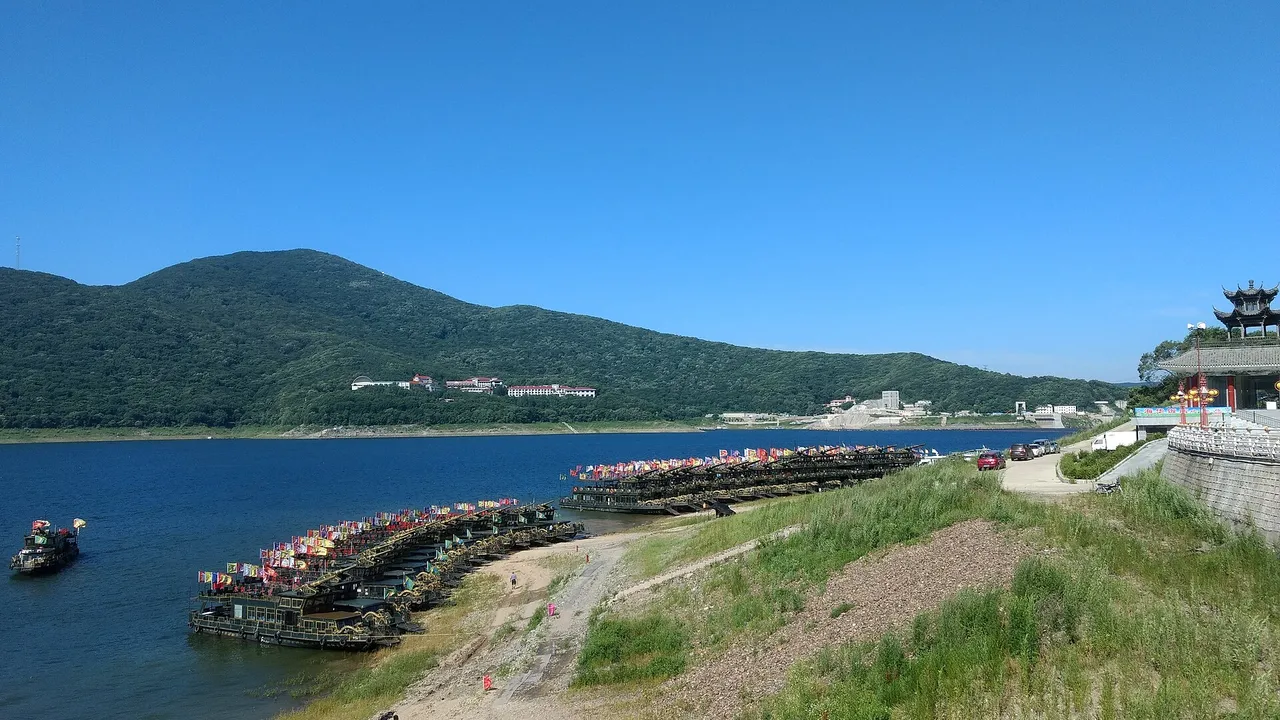
Songhua Lake is the reservoir pooled behind Fengman Dam, winding over a hundred kilometers between green ridges, a signature waterway of the Northeast. Forty minutes by car from downtown to the pier, morning sailings run thickest and the water reads best when calm.
Cruises split into short loops and island runs: an hour for the flanking hills, or straight across to Wuhu Island. Lake mornings carry thin mist that burns off into blue water, the photographic window nine to ten.
Wuhu Island: The Lake's Pleasure Isle
Wuhu is the lake's principal island, named for rocks shaped like five tigers in legend, now given over to amusements and a round-island path. Half the visit is rides, half is height: from the island's high point the lake's full wriggle spreads below.
Island food is mediocre, so eat simply or pack lunch. Return sailings run at long intervals, so check the timetable before landing and keep the island walk under an hour.
Fengman Dam: One Dam and an Unfreezing River
Begun in the nineteen-thirties, Fengman power station created Songhua Lake and makes the Jilin reach of the river unfreeze, the precondition for rime. Below the dam, water runs with the warmth of generation, and winter-morning mist is born here.
Best viewing sits at the flank observation stretch, where the drop between dam face and lake gives photos their punch. The station's history display tells a project called the cradle of Chinese hydropower, worth an extra half hour for industrial-history fans.
Zhuque Hill: An Evening Climb over the River City
Zhuque Hill sits ten-odd kilometers southeast of town, one of the four girdling hills, modest in height with a grand outlook: the summit platform takes in the Songhua River, the lake direction and the skyline at once, the default weekend climb for locals.
Evening climbs meet few people and slanted light in the trees, forty minutes up, thirty down. It sits perfectly as the day's last effort, one look at the river city's dusk closing the lake day.
Vanke Songhua Lake Resort: The Winter Main Stage
Day two's core is the Vanke Songhua Lake resort, in snow season the nearest large ski area to downtown, runs spanning beginner to expert with ample lift and carpet capacity. Summer flips it to mountain-resort mode, the sightseeing lift topping out over a corner of Songhua Lake.
Beginners should book a morning lesson; two hours later most manage the beginner runs unaided, gear rented on site with helmet and goggles in the package. Peak weekend rentals queue, so finish before nine.
Longtan Hill Park: One Lap of an Ancient Hill Fort
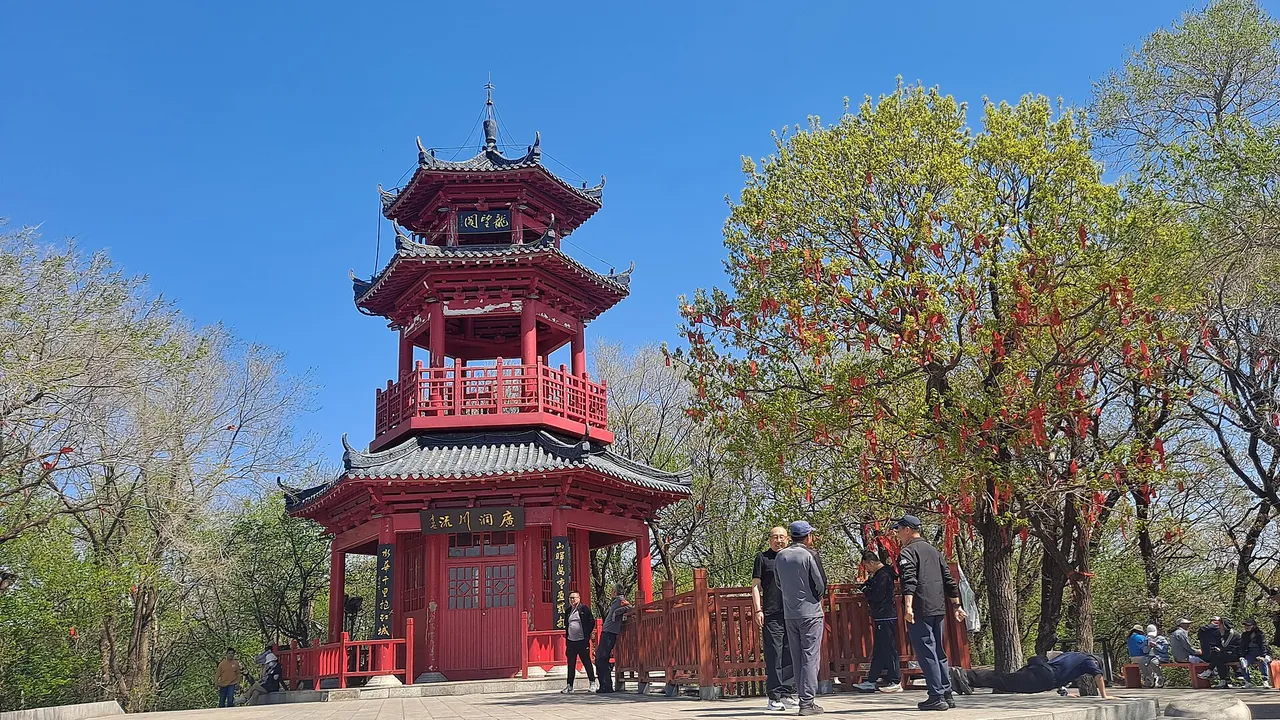
Longtan Hill stands on the town's east side, its walls traceable to the Goguryeo period, the summit's water prison and dry pen ancient storage and livestock remains, wall lines still readable through the woods. It is a hill blending archaeology with forest park.
The trail climbs gently, an hour to the top under dense shade, cooler than town in summer. The site reads best in pattern: from the wall lines' height above the Songhua, the ancients' siting logic explains itself.
The Urban Rime Corridor: Embankment at Dusk
Back on the urban embankment: winter dawns coat it in hoarfrost, hence the name rime corridor, but even at dusk the steaming river and opposite lights reward a slow walk. The level path, half an hour, replays the day's lake and hill images by the water.
Rime-season mornings pack the bank, while dusk belongs to strolling locals; anyone returning at dawn should fix the hotel-to-embankment route tonight.
Rime Island: The Trip's High Point
Leave town by five in the morning, forty minutes by car to the Rime Island crossing. The midstream island and the willows and pines of both banks hang heavy with hoarfrost, and the hour around sunrise is the day's most magical: silver-frosted branches in first light, river mist rising off the water.
Rime needs cold, calm and river mist together, luck as much as plan, but winter-season mornings (December to February) succeed often. Cross by ferry or ice causeway, ticket covering the round trip; watch early, as frost starts shedding once the sun climbs.
Wula Town: Lunch After the Frost
On the way back from Rime Island, drop into Wula, the Manchu homeland nearby. A body chilled through the morning needs hot food: Manchu hotpot or boiled pork and blood sausage in sour cabbage, copper pot and charcoal restoring core temperature.
After lunch walk the old street twenty minutes, reading Qing-dynasty courtyard layouts. The town is small, half an hour suffices, then back to town to rest; the day's main event finished at dawn, the afternoon belongs to recovery.
Century Square: Three Days' Riverbank Full Stop
The last stretch goes to Century Square, the Songhua's great central bend a natural closing view. Winter dusk brings mist and lights, summer and autumn sunset and river wind; after this walk, the lake, hills, frost and old town all sit behind you.
Taxis cluster around the square, twenty minutes to hotel or station. The three green days close here, carrying home one water system's three expressions.
| Getting around |
|
| Budget | About RMB 500-800 pp: tickets and boats RMB 250-350, two days of chartering the other main line, skiing extra in winter. |
| Best time | June to September for lake and hills; December to February turns rime and ski season, making every dawn slot the day's prize. |
FAQs
What if the rime does not show?
Accept its randomness: cold, calm and river mist must all align, and even in season there are misses. Fallbacks: try the urban embankment at dawn, or hold one extra day and retry. Even frostless, the sunrise and river steam justify the early alarm.
For non-skiers, what fills winter day two?
The Vanke resort is more than slopes: the sightseeing lift runs in winter, and the summit cafe and lake-view deck are fully open to non-skiers; below, the rime belts and snowshoe walks fill half a day. If snow holds no appeal at all, swap in Longtan Hill, the museum and the embankment and the structure stays whole.
Is this three-day plan manageable with seniors and children?
Yes, by subtracting: seniors and kids skip summits at Zhuque and Longtan for the gentle bases, the ski day becomes snow tubes and the sightseeing lift, and the rime dawn needs layered warmth with one extra layer for children. Chartering cuts the effort sharply and is essential for families.
What does the summer version miss compared to winter?
It loses rime and skiing, the two signatures, but gains the lake's full navigation and hill color: summer sailings, an open Wuhu Island, and peak foliage on both hills. They are really two different lines, water and green in summer, ice and snow in winter, each complete on its own terms, so choose season by taste.