
To read Kaifeng deeply, a day should follow four words: institutions, strata, calligraphy, street life. Kaifeng Fu shows how Song bureaucracy ran; the Zhouqiao excavation shows a city stacking on its own footprint for a millennium; the Hanyuan steles trace writing and calligraphy; the Riverside Garden spreads all that knowledge into walkable scenery.
Budget in thirds: two morning hours for Kaifeng Fu plus Zhouqiao, two afternoon hours for the steles, everything after dusk for the garden. Buses link all four within twenty minute gaps; the route is light on legs and heavy on the head, so take it slow.
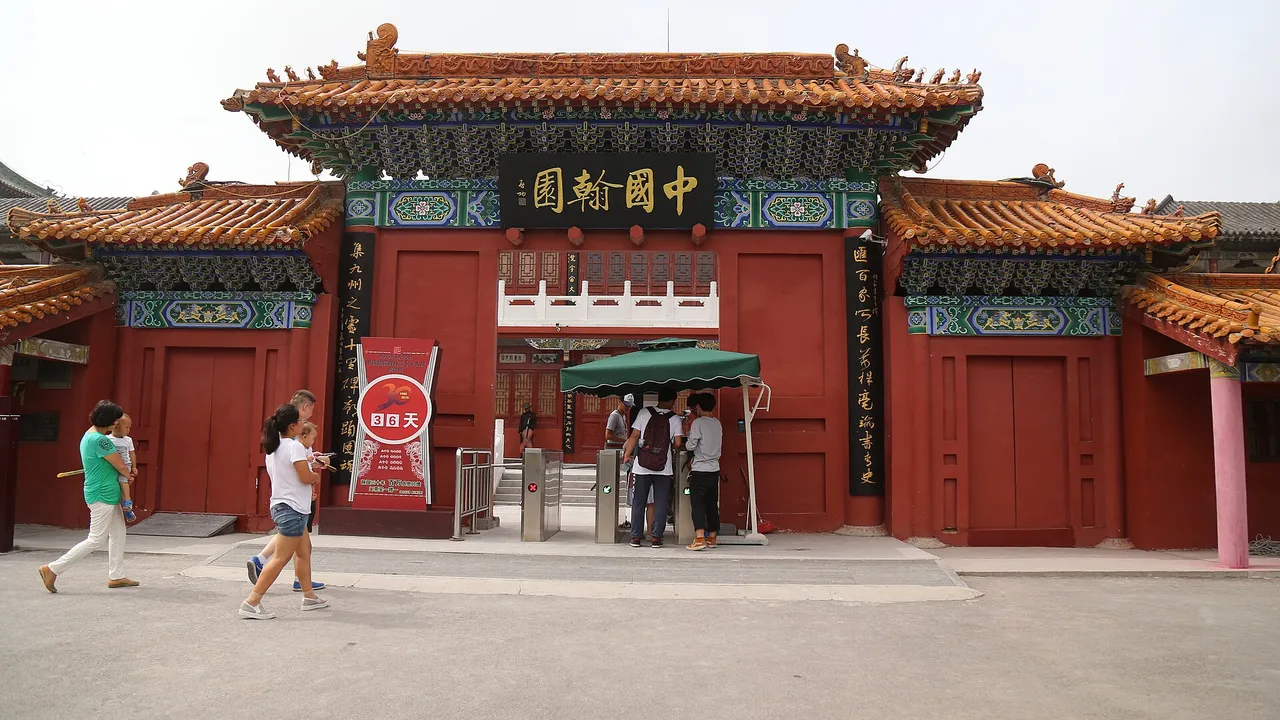
Itinerary at a glance
| 08:30 | Kaifeng Fu: A Song-Era Lesson in How Government Ran |
| 10:30 | The Zhouqiao and Bianhe Excavation: Reading Dongjing in Strata |
| 13:30 | The Hanyuan Stele Forest: A Calligraphy Survey in Stone |
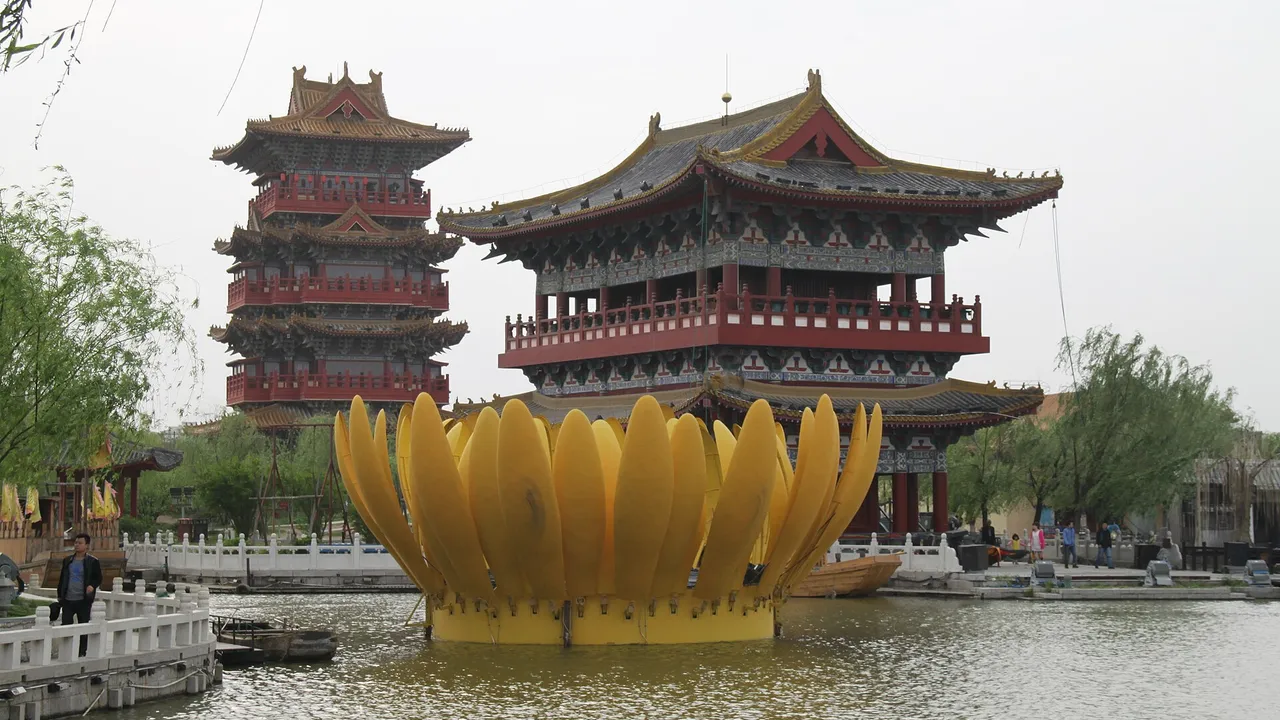
| 16:00 | Qingming Riverside Garden: Walking the Day's Knowledge |
The route, stop by stop
Kaifeng Fu: A Song-Era Lesson in How Government Ran
Read Kaifeng Fu as a museum: the interest lies in institutions, not scenery. The main hall where the prefect held daily court, the three bronze guillotines mapped to different ranks of punishment, and the plaques across the offices together form a manual of Northern Song local governance.
The heaviest artifact is the stele of successive prefects, Justice Bao, Ouyang Xiu and Fan Zhongyan all listed, Bao's name polished bright by hands. The nine o'clock gate ceremony plays on the outside square; enter right after and the main hall stays comparatively quiet.
The Zhouqiao and Bianhe Excavation: Reading Dongjing in Strata
The Bianhe in the Scroll is a painting; Zhouqiao is the real thing dug out of the ground. Excavation revealed bridge structures stacked through time: Song stone foundations, the Ming bridge above, and the riverbanks and silt profiles of different ages displayed in one frame, a single bridge as a stratigraphy of the city.
The revelation is the monumental stone frieze of sea horses and auspicious beasts running along the bridge side, matching the night-market passages of the Song memoir Dongjing Meng Hua Lu. The river profile viewed from the walkway beats any gallery.
The Hanyuan Stele Forest: A Calligraphy Survey in Stone
The Hanyuan Stele Forest grew from one family's civic crusade led by Li Gongtao, now thousands of stone carvings of famous works arranged by dynasty and script through cloistered walks: seal, clerical, running and cursive in sequence, one corridor equal to a fast course in Chinese calligraphy, rewarding even the uninitiated with sheer presence.
The grounds double as a landscape garden, shaded and thin on crowds after lunch, quieter than most city sights. A rubbing workshop lets you pound out a copy to take home, the best way to fix the stop in memory.
Qingming Riverside Garden: Walking the Day's Knowledge
Placing the garden last is deliberate: having read institutions and the bridge in the morning and calligraphy after lunch, you enter the Song streetscape at dusk and find Rainbow Bridge, taverns and open-air theaters no longer mere scenery. Chase the folk shows by timetable and claim seats early for the popular interactive bits.
Stay into night and the open-air epic Dongjing Dream strings Song lyrics across the water with hundreds of performers, Kaifeng's deluxe night out. Even skipping the show, a stroll through the lamplit grounds repays itself.
| Getting around |
|
| Budget | Entry totals about RMB 260-320 pp across four sites; the night show adds RMB 100-300. |
| Best time | Year-round; the yamen and excavation are largely indoors and weatherproof, while the garden earns its atmosphere after the evening lights. |
FAQs
Is four stops in a day tiring? Can the order change?
Not very: only the garden demands long walking, the rest are static. Keep the yamen first, since institutional knowledge unlocks the other three; on rainy days push the garden to last, with the yamen and excavation as indoor fallbacks.
Is the Zhouqiao site worth a dedicated visit? How does it differ from museums?
Yes, it is in-situ rather than in-vitrine: river profiles, stacked bridge foundations and the stone frieze all viewed at their excavation positions, a wholly different experience from glass cases. The hall is compact, forty to sixty minutes, and chains with Kaifeng Fu at zero cost, superb value on this route.
Is the Dongjing Dream show expensive? Which seats are best?
Tickets tier by seat, commonly RMB 100-300, with better choice two or three days ahead in season. Mid-rear blocks see the full water choreography better than pricey front rows; after a day on your feet in the park, seated spectating is the correct posture anyway.
If calligraphy does nothing for me, can I skip the stele garden?
Skip it and return the hours to the garden; but the forest is not a pure stele hall, the garden itself is pleasant and rubbing suits anyone, families especially. If torn, check the season's temporary shows and events: something on, keep an hour; nothing on, drop it without guilt.