
Seven days is the length it takes to read Kaifeng from sights into text: the first three days on the grand parks and the classic frame, the middle two on the city's fabric of pagodas, wall and lanes, the last two beyond the walls for the craft and history the land kept in its towns.
Each day deliberately slows: one morning anchor, one or two light afternoon stops, evenings fixed to the market or the river. Sleep all seven nights near the Drum Tower and Longting; the two outings overnight in the city and Lankao, luggage stored, traveling light.
Itinerary at a glance
| 09:00 | Qingming Riverside Garden: Day One's Panorama Lesson |
| 09:00 | Wansuishan Martial Arts City: Day Two in the Jianghu |
| 14:30 | The Hanyuan Stele Forest: From Blades Back to the Carving Knife |
| 16:30 | Longting and Tianbo Yang Mansion: Two Gardens by the Lakes |
| 08:30 | Kaifeng Fu: Day Three's Deep Read of Governance |
| 15:30 | The Zhouqiao Excavation: Hard Proof of the Stacked City |
| 09:00 | Daxiangguo Temple: Day Four's Royal Monastery |
| 14:00 | The Shan-Shaan-Gansu Guild Hall: Two Close Hours with the Carvings |
| 19:30 | The Imperial River by Night: Day Four on Lit Water |
| 08:30 | Iron Pagoda Park: Day Five's Song Original |
| 11:00 | Po Pagoda and Yuwangtai: The Kaifeng Older Than the Iron Pagoda |
| 15:00 | The Kaifeng City Wall at Daliangmen: A Stretch on the Ramparts |
| 09:30 | Shuanglong Lane and Liu Qingxia's Home: Day Six's Hutong Morning |
| 09:00 | Zhu Xian Town Day: Prints, the Temple and the Old Town |
| 14:00 | A Lankao Half Day: Paulownia and the River Bend as Footnote |
The route, stop by stop
Qingming Riverside Garden: Day One's Panorama Lesson
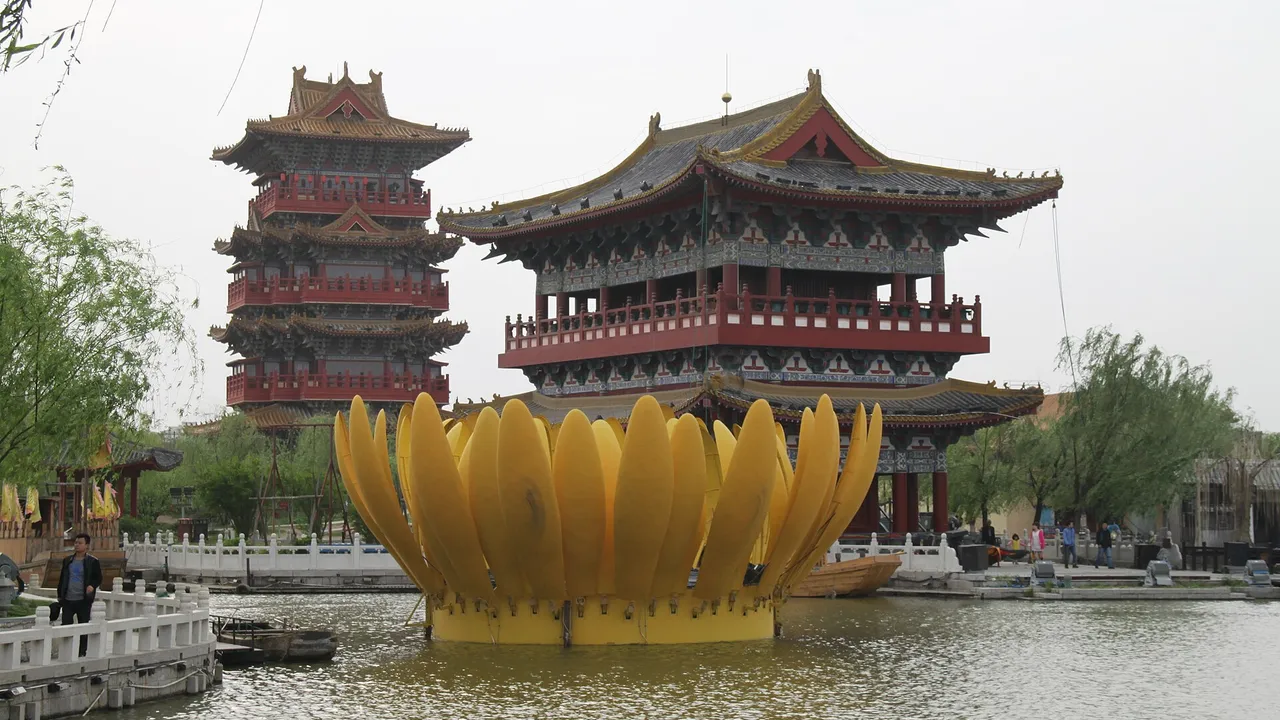
Day one builds the coordinate system: the garden spreads the Riverside Scroll into scenery, Rainbow Bridge, the Bianhe, the bridge, the taverns all mapped, so walking the outline of the Song capital first gives the next six days somewhere to put everything.
Soak the whole day: street life and canal trade in the morning, mounted and water battles in the afternoon, the optional night epic to close. Photograph the show schedule at the gate and route backward from times, the only right way through a large park.
Wansuishan Martial Arts City: Day Two in the Jianghu
Day two belongs wholly to Wansuishan: martial shows from morning to night, marquee plays several times daily, interactive bits pulling the audience into plots. Where the garden's Song is formal, this one is freewheeling; both together make the picture whole.
Take the program first, circle three must-sees, let the rest be fate; claim seats twenty minutes early for the hits. Slopes and shade keep it cool after lunch, saving legs for the evening program.
The Hanyuan Stele Forest: From Blades Back to the Carving Knife
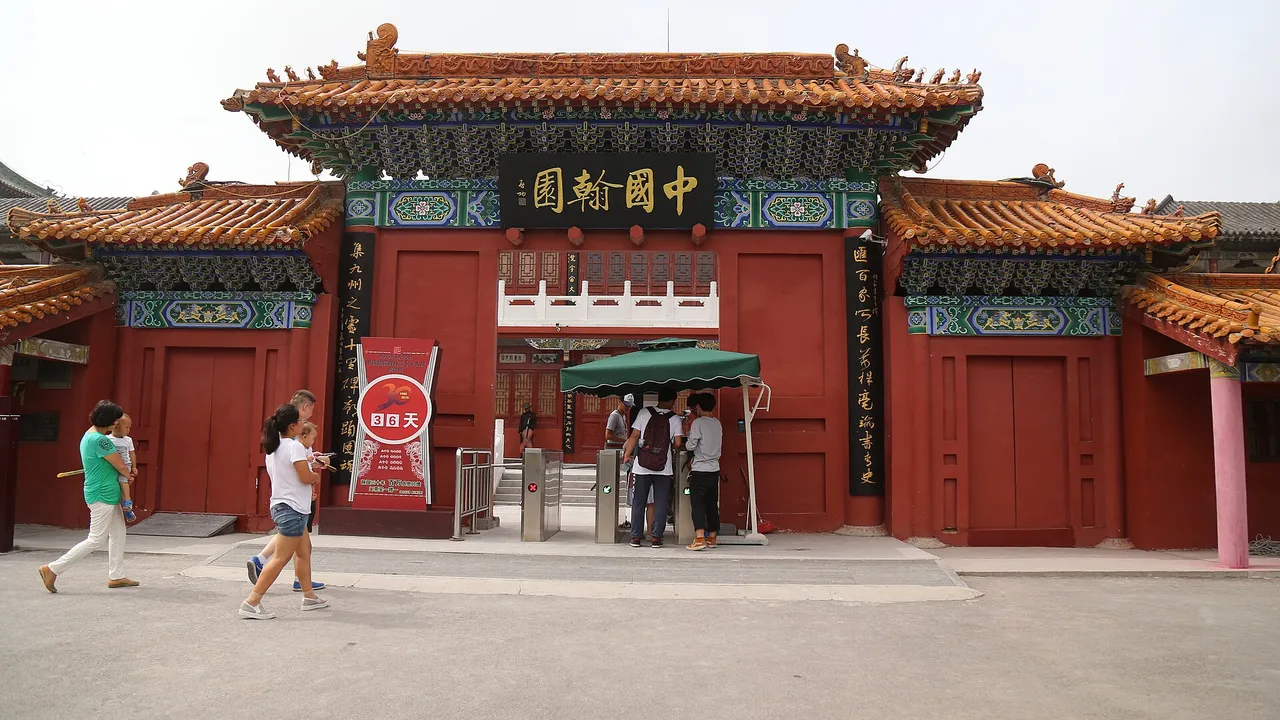
Out of the battle cries and into the stele cloisters after lunch, the rhythm contracting and releasing is exactly how deep travel breathes. Thousands of carvings run in dynastic and script order, seal through cursive, calligraphy history unrolling along the walk.
Do the rubbing once: pound a sheet by hand and feel what epigraphy means. The forest adjoins Wansuishan and Longting, wasting no meter of the day.
Longting and Tianbo Yang Mansion: Two Gardens by the Lakes
Dusk at Longting means sunset from the terrace, the twin lakes gilt, then next door into Tianbo Yang Mansion, the generals' garden gone quiet in twilight, its formation grounds running into the shore.
Both gardens in two hours spends day two's evening well; exit along the river toward the Drum Tower as the market opens, the route stitching itself together in the fading light.
Kaifeng Fu: Day Three's Deep Read of Governance
Day three opens the heritage spine, and Kaifeng Fu deserves the whole morning: after the gate ceremony, walk main hall, council office, plum hall, rear quarters and prison in order, reading a Song prefecture's graded spaces end to end.
Give the prefects' stele generous time, where Justice Bao, Ouyang Xiu and Fan Zhongyan's rises and exiles overlap, the shortest path into the fate of Song scholar-officials. Take one afternoon courtroom show as the drama's footnote.
The Zhouqiao Excavation: Hard Proof of the Stacked City
Zhouqiao is the seven days' most important real thing: Song foundations, the Ming bridge and the Bianhe profile stacked in one trench, the stone frieze corroborating the Song memoir. Coming with two days of park impressions, the real-versus-reconstructed contrast cuts deepest.
Stay with the free guide, the strata's story unreadable alone; rest nearby after, and return to the Drum Tower market at night, walking the extended line of the Song-era Zhouqiao night market itself.
Daxiangguo Temple: Day Four's Royal Monastery
Day four's morning enters the temple early, ahead of tour groups. The ginkgo-wood thousand-hand Guanyin in the octagonal hall faces four ways, every lattice window worth a stop, and the royal monastery's graded depth still reads from gate to sutra library.
The temple's ritual music, a national intangible heritage, usually plays before the main hall in the afternoon; hear a set if timing allows. The gate market carries on the Song open-market tradition, ten street-level minutes on the way out.
The Shan-Shaan-Gansu Guild Hall: Two Close Hours with the Carvings
Deep travel doubles the guild hall's time: read the wooden archway tier by tier from below, every opera figure and auspicious beast sourced, and go piece by piece through the screen wall's brick dragons and the stone lions on the column bases.
Thorough signage, better with a borrowed guide. Sit a while in the courtyard afterward, feeling how Qing merchants built face and faith into the same axis. Out the door, a right turn enters the Gulou block for dinner and supplies.
The Imperial River by Night: Day Four on Lit Water
Night four takes the river cruise, stringing the lakes of the daytime through one water line. The painted boat passes bridge after bridge, each lit differently, pseudo-Song facades wavering in reflection, fifty minutes of Kaifeng nights in essence.
Take the stern open deck, ducking under each arch and looking up after; walk the riverside path back to the Drum Tower after landing, the banks quiet and softly lit, the day's best digestion.
Iron Pagoda Park: Day Five's Song Original
Day five opens with the city's tallest standing relic. Near fifty patterns of brown glazed brick cover the tower, morning light from the southeast lighting its face, the lake reflection fullest from the east shore. The slight lean of the base records a millennium of settling, and its survival.
If the climb opens, the brick stair keeps its nine-hundred-year pitch, one flight enough to feel the ancients' feat; those uneasy with heights do better lingering lakeside, where tower-and-lake frames peak in the morning.
Po Pagoda and Yuwangtai: The Kaifeng Older Than the Iron Pagoda
The morning's second act runs south to Po Pagoda, the hexagonal Song Kaibao-era tower older than the Iron Pagoda, its thousands of one-Buddha-per-brick tiles its identity papers, with Song inscriptions intact inside and climbs limited to the day's schedule.
The same grounds hold the ancient terrace of Yu and the musician Kuang, another line on Kaifeng's oldest list. Ninety minutes for both, wonderfully uncrowded, the deep route's quietest stop.
The Kaifeng City Wall at Daliangmen: A Stretch on the Ramparts
Kaifeng's wall survives as Qing brickwork over older ramparts; the restored Daliangmen gate tower and ramps allow a stretch on top. The low vista suits the city's stacked logic, reading the skyline where dynasties pile up.
The wall's value is in walking it: the rhythm of parapets, projecting bastions and platforms is the grammar of pre-gunpowder urban defense. An hour suffices, best in evening light.
Shuanglong Lane and Liu Qingxia's Home: Day Six's Hutong Morning
Day six slows, the morning given to Shuanglong Lane: a Song legend's name, Qing and Republican courtyards, chess elders and new cafes stacking Kaifeng's eras along one grey-brick lane.
Liu Qingxia's home visits free and restrained, twenty minutes for one woman's story of fortune given to a revolution. Coffee and almond tea offer rest stops; this leg carries no ticket pressure, only the luxury of time.
Zhu Xian Town Day: Prints, the Temple and the Old Town
Day seven's first half runs forty kilometers southwest to Zhu Xian: morning printing your own door god in the workshops and watching block carvers' blades, lunch on the old street's snacks, afternoon over the Yue Fei temple and Qifeng Garden's water town.
The victory and the woodblock prints are the town's twin legacies, one day covering both. Taxi back by evening for the last Drum Tower market round, where seven days of taste and knowledge close together.
A Lankao Half Day: Paulownia and the River Bend as Footnote
Stretch day seven into an eighth and Lankao earns its half day: the Jiao Yulu memorial telling how one paulownia changed a county, and the Dongbatou bend showing the Yellow River's last right angle, forty minutes between the two.
Lankao is the exit through which Kaifeng explains the eastern Henan plain: dune control, paulownia, the instrument industry and the river's rerouting, the story of land and people converging at the seven days' end. Day trip it from Kaifeng, luggage untouched.
| Getting around |
|
| Budget | Entries total about RMB 900-1100 pp; all-in runs RMB 3500-4800 pp before long-distance transport. |
| Best time | Apr-May and Sep-Nov are ideal; late October into November's chrysanthemum festival is Kaifeng at full strength. |
FAQs
Might seven days exhaust Kaifeng into boredom?
Not if you layer by theme: parks, heritage, street life, walls and countryside each take days, and the same site reads differently under each. Longting by day versus dusk, the garden in light versus lamplight, the Drum Tower block versus its market: Kaifeng's day and night are two cities.
How should July or November visits be planned?
In July push outdoors to the edges: enter the garden at opening, retreat midday, climb Longting at dusk, cruise the river at night. November inverts: the chrysanthemum festival is the year's grand season, the flower shows at Longting and the parks worth the fare, outdoors comfortable all day.
Are both outings, Zhu Xian and Lankao, mandatory?
By taste: craft and Song history point to Zhu Xian, modern history and river geography to Lankao, no overlap in temperament. On seven days pick one; eight or more, do both, Lankao needing half a day to a day.
How to control a seven-day budget, and what is money best spent on?
Lodging and entries lead the spend; shows and taxis are the dials. The three best buys are the garden's night epic, the Zhu Xian print experience and the river night cruise, irreplaceable elsewhere; skimp on in-park electric carts and the repeat antique-street purchases.