 TripMyChinaJOURNEYS THROUGH REAL CHINA✦ AI Trip✦ Plan My Trip
English
简体中文
繁體中文
日本語
한국어
ไทย
Tiếng Việt
Bahasa Indonesia
Italiano
Español
العربية
Русский
Deutsch
Français
Bahasa Malaysia
TripMyChinaJOURNEYS THROUGH REAL CHINA✦ AI Trip✦ Plan My TripThe western end of the Silk Road, Kashi, with its maze-like old town, Id Kah Mosque and the Pamir Plateau, full of Western Regions charm.
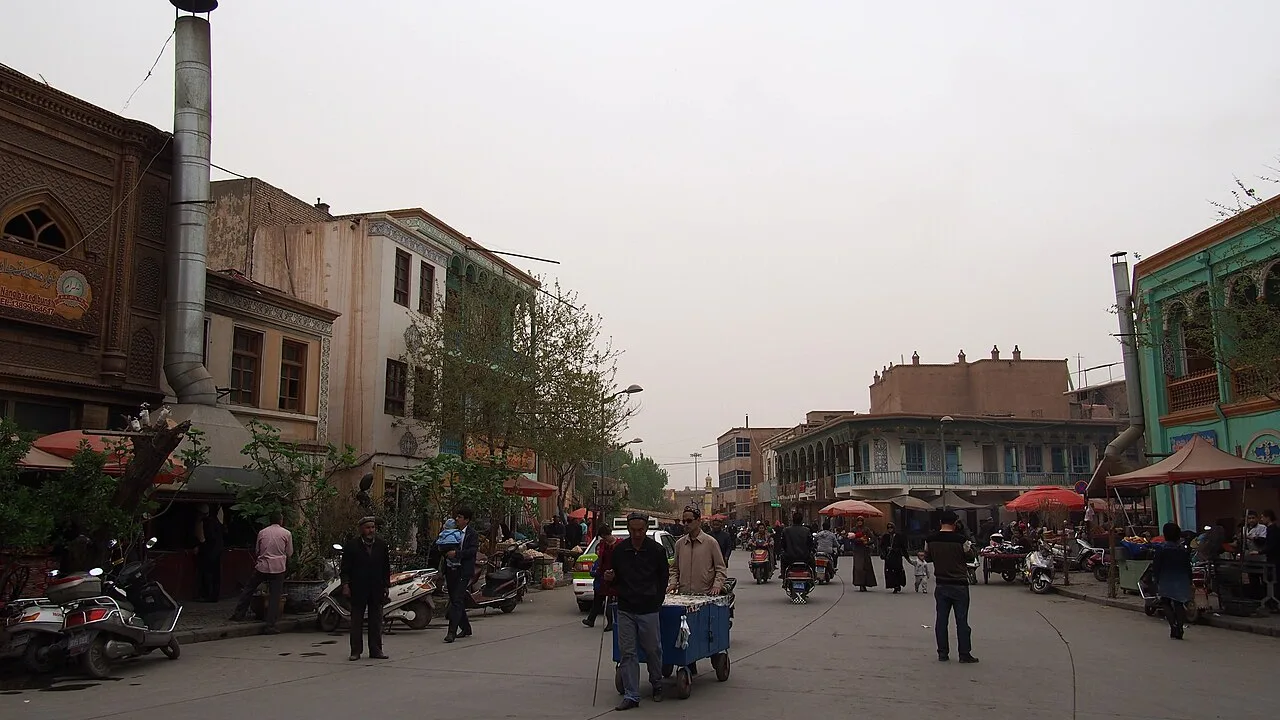
Kashgar, known in Chinese as Kashi (喀什), is the westernmost city in China and the cultural heart of the Uyghur people. Situated in the Tarim Basin at the foot of the Pamir Mountains, it has been a vital oasis on the Silk Road for over two thousand years. Its name evokes caravans, spices, and the mingling of civilizations. The old city, with its labyrinthine alleys, mud-brick houses, and bustling bazaars, offers a glimpse into a way of life that has endured for centuries. Despite modern development, Kashgar retains a distinct Central Asian atmosphere that sets it apart from any other city in China.
Kashgar is administratively a county-level city within the Xinjiang Uyghur Autonomous Region, and it serves as the seat of Kashgar Prefecture. The urban area is divided into several districts: the historic Old Town, the central Id Kah area around the mosque, the newer eastern lake district, and expanding residential and industrial zones to the north and south. The Old Town, a UNESCO World Heritage site since 2010, is the spiritual and touristic core, while the East Lake area offers modern amenities and parks. The city's layout reflects its oasis origins, with the Tuman River to the south and the Pamir foothills rising to the west.
For travelers, Kashgar is a sensory adventure. Mornings begin with the call to prayer from the Id Kah Mosque, followed by the lively Sunday Livestock Market, where farmers and traders from across the region gather. The Grand Bazaar, or 'Middle Kingdom Bazaar', is a treasure trove of carpets, silk, jade, and spices. Foodies can savor hand-pulled laghman noodles, lamb kebabs, and freshly baked naan. Beyond the city, excursions to the Karakul Lake, the Taklamakan Desert, and the Kyrgyz border at Torugart Pass offer breathtaking landscapes. Kashgar is not just a destination; it's a journey into the heart of the Silk Road.
Kashgar covers an area of approximately 555 square kilometers and has a population of around 700,000, with a majority Uyghur population. The city is divided into several districts, including the historic Old Town, which is a UNESCO World Heritage site. As the westernmost city in China, Kashgar is a vital cultural and economic hub on the Silk Road.
World-class, national and global recognition earned over the decades.
Kashgar sits where the Taklamakan meets the Pamirs — the meeting point of the northern and southern Silk Road.
The old town's lanes and courtyard houses are still inhabited by families whose trades run five generations deep.
One of Asia's largest markets, trading since the Silk Road era.
Named in the second batch in 1986.
Samovar tea and conversation for over a century.

The moments that shaped the city — and the stories its people still tell.
Kashgar was Shule, one of the 36 states of the Western Regions.
The Han general held the Western Regions from here for 30 years.
The Qing made Kashgar the administrative centre of southern Xinjiang.
Named a National Historical & Cultural City.
Nasreddin Hodja is known across Xinjiang as Afanti, said to have lived here and outwitted officials.
Three paces, one city — every route built from places we actually operate.
Weather, crowds and the best months for what you want to see.
Mild, with apricot blossom in the oases.
The best season — clear skies and fruit harvest.
Hot in town but cool in the Pamirs.
Cold and quiet; some mountain roads close.
What this city is known for — the things worth planning your day around.
The places worth building a day around.
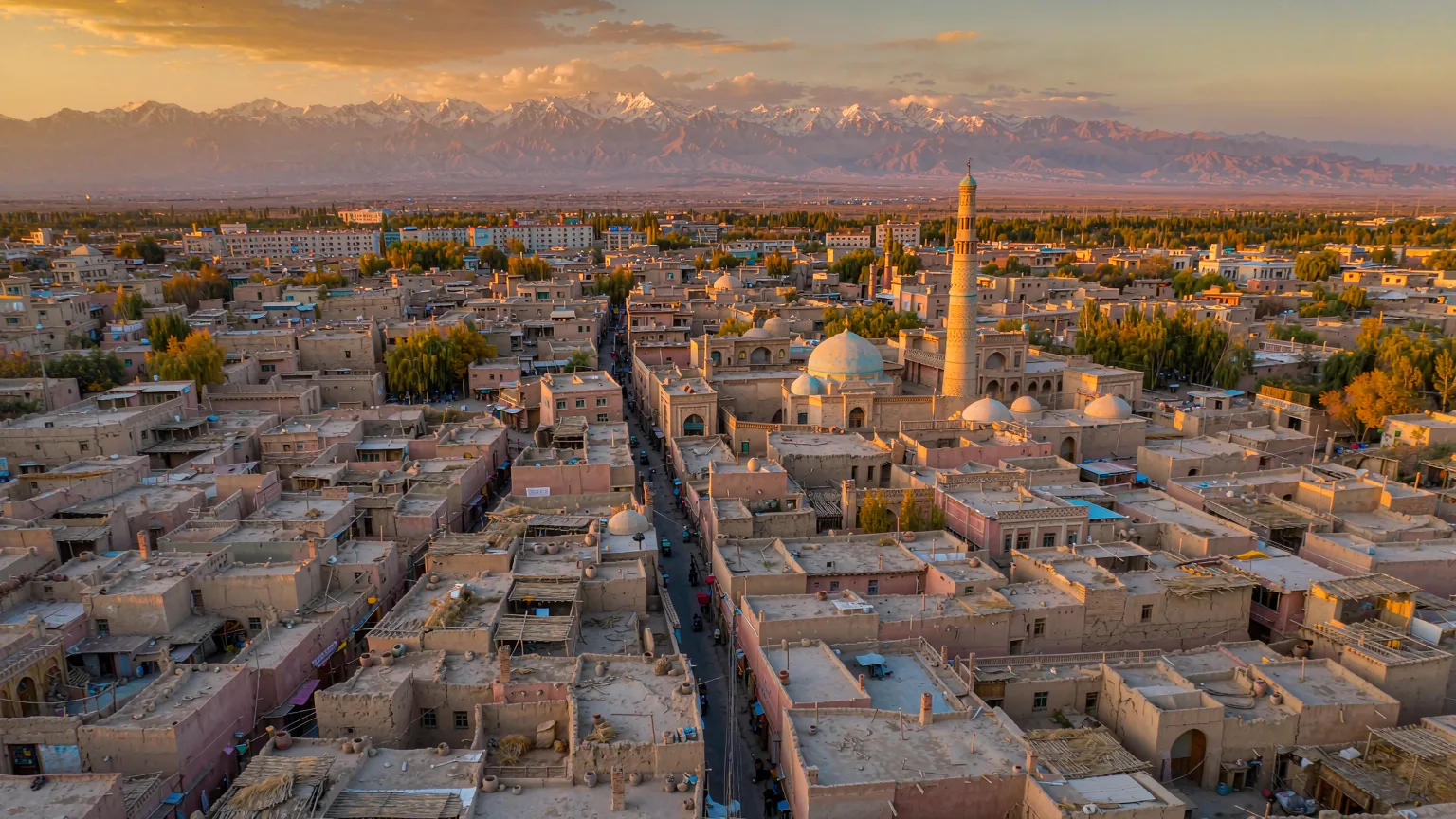
The old town of Kashgar is about 4 square kilometres of mud-brick lanes, courtyard houses and workshops on the west bank of the Tuman River, and peopl
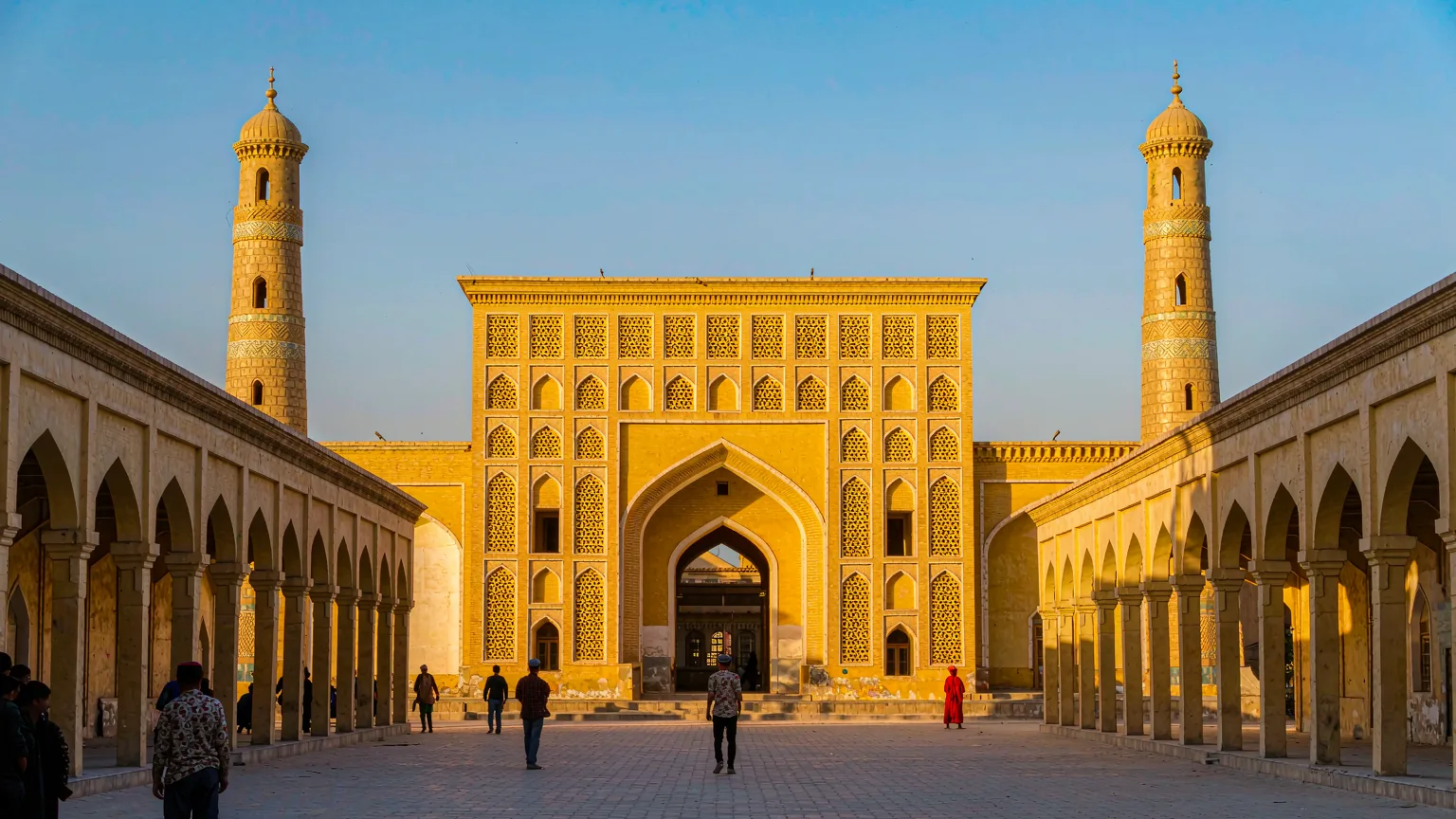
The Id Kah Mosque stands at the west end of the central square in Kashgar, founded in 1442 and enlarged repeatedly since. It covers 16,800 square metr
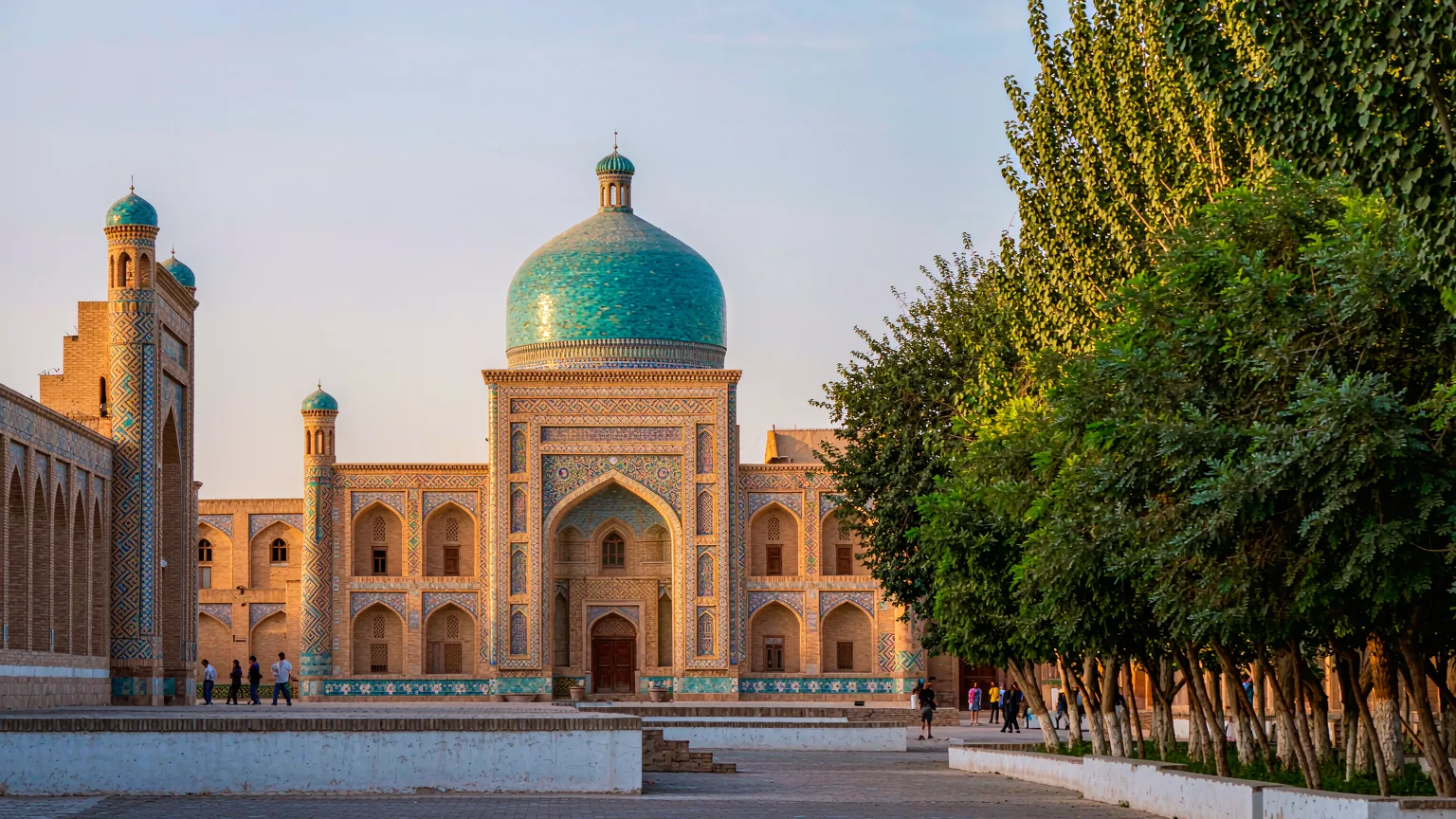
Xiangfei Garden is the tomb complex of the Apak Khoja family, begun in 1640 and enlarged over three centuries, 5 km east of central Kashgar. The name
A little further out, for a spare half-day.
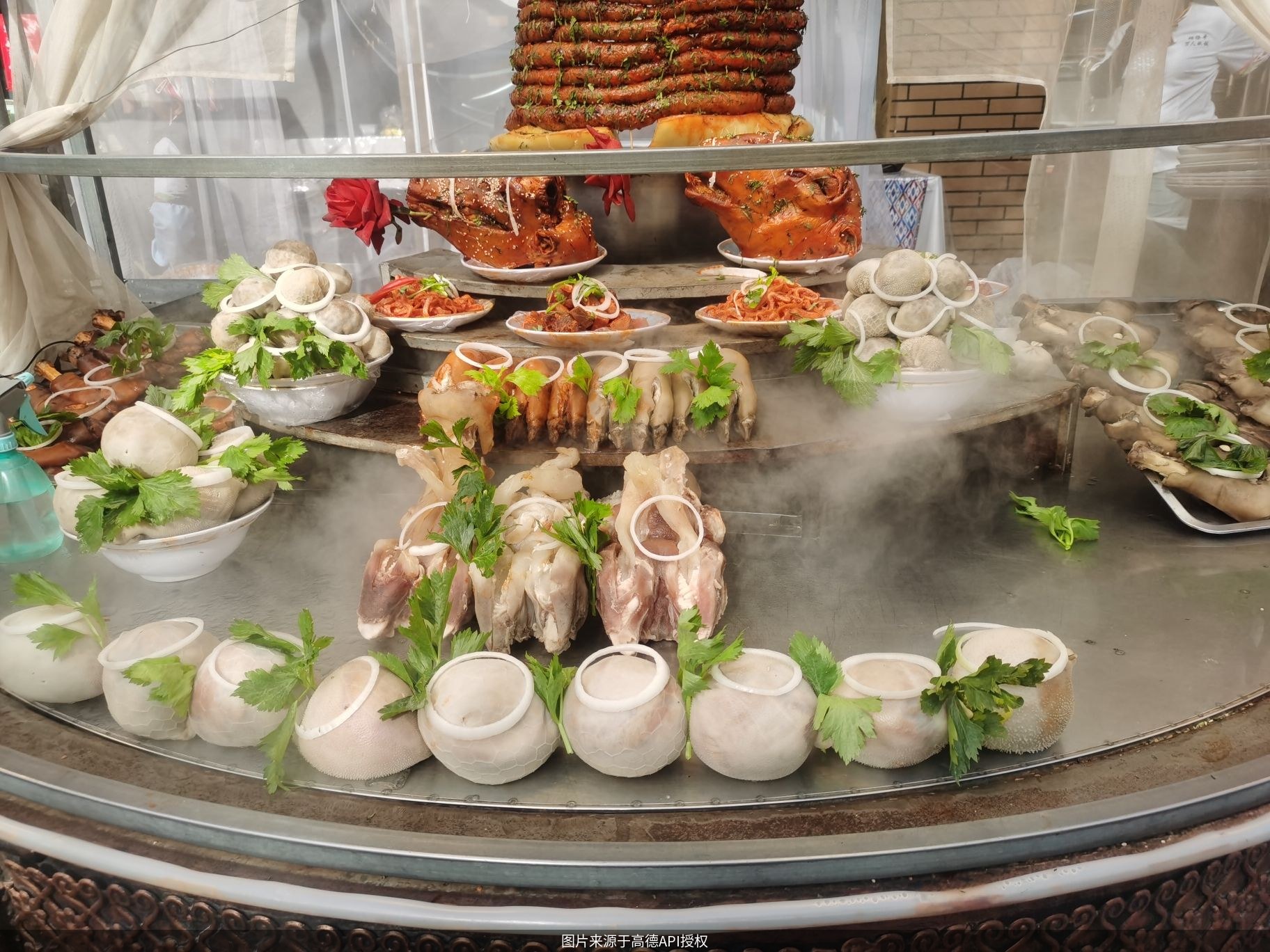
On Jiefang North Road in the Old City, this is Kashgar's most celebrated night food street. Named 'Han…
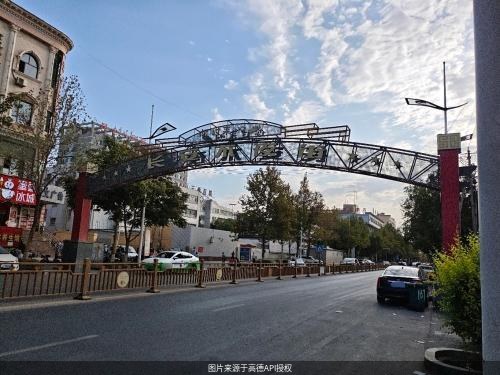
On Tuanjie Road, this night street is themed on the Tang-era Silk Road. Neon-lit and lined with eateries…
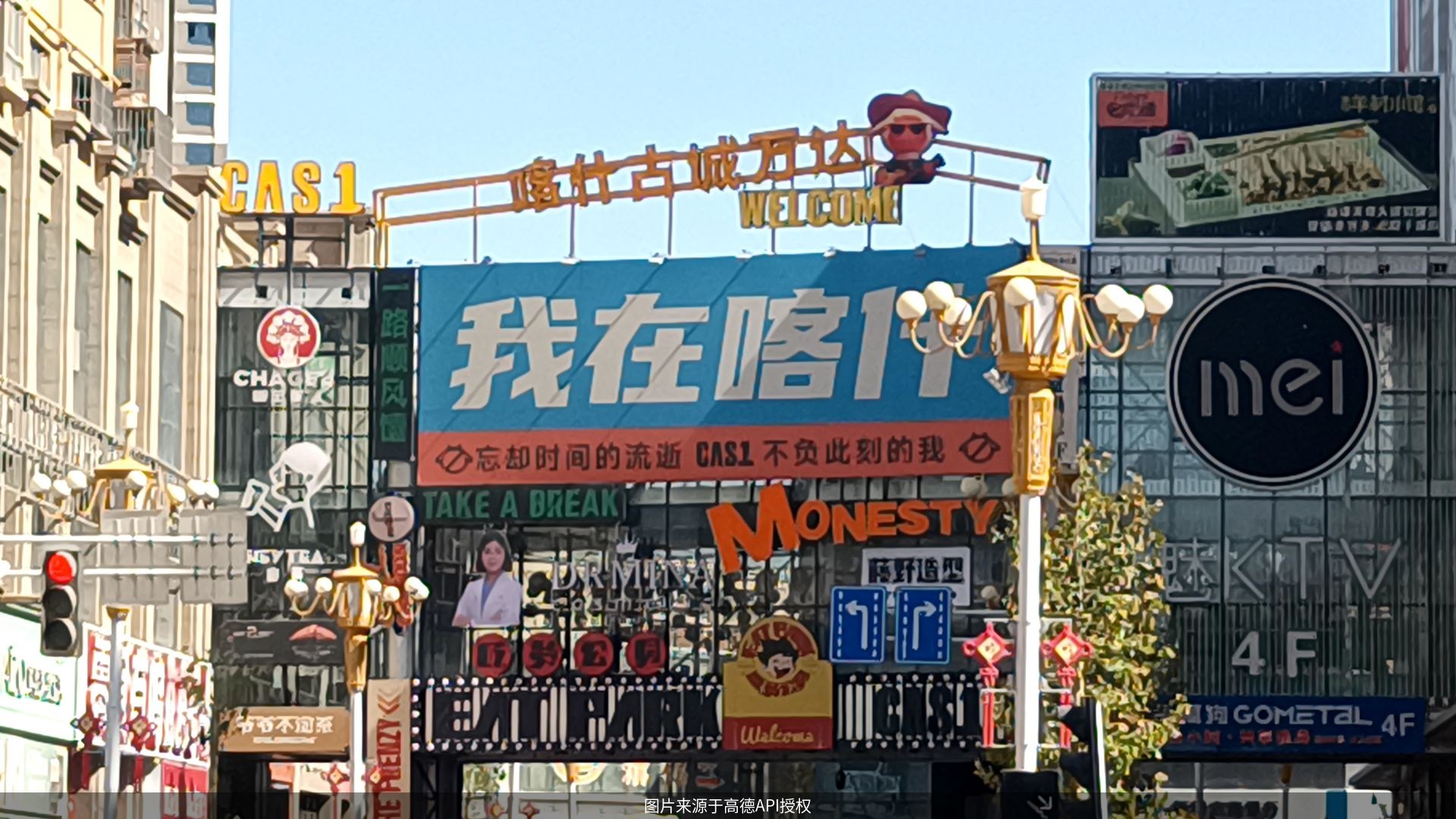
On Xingmin Road, this large shopping centre gathers brand retail, dining, a cinema and children's…

On Renmin West Road, this long-established department store sells clothing, daily goods and home appliances…
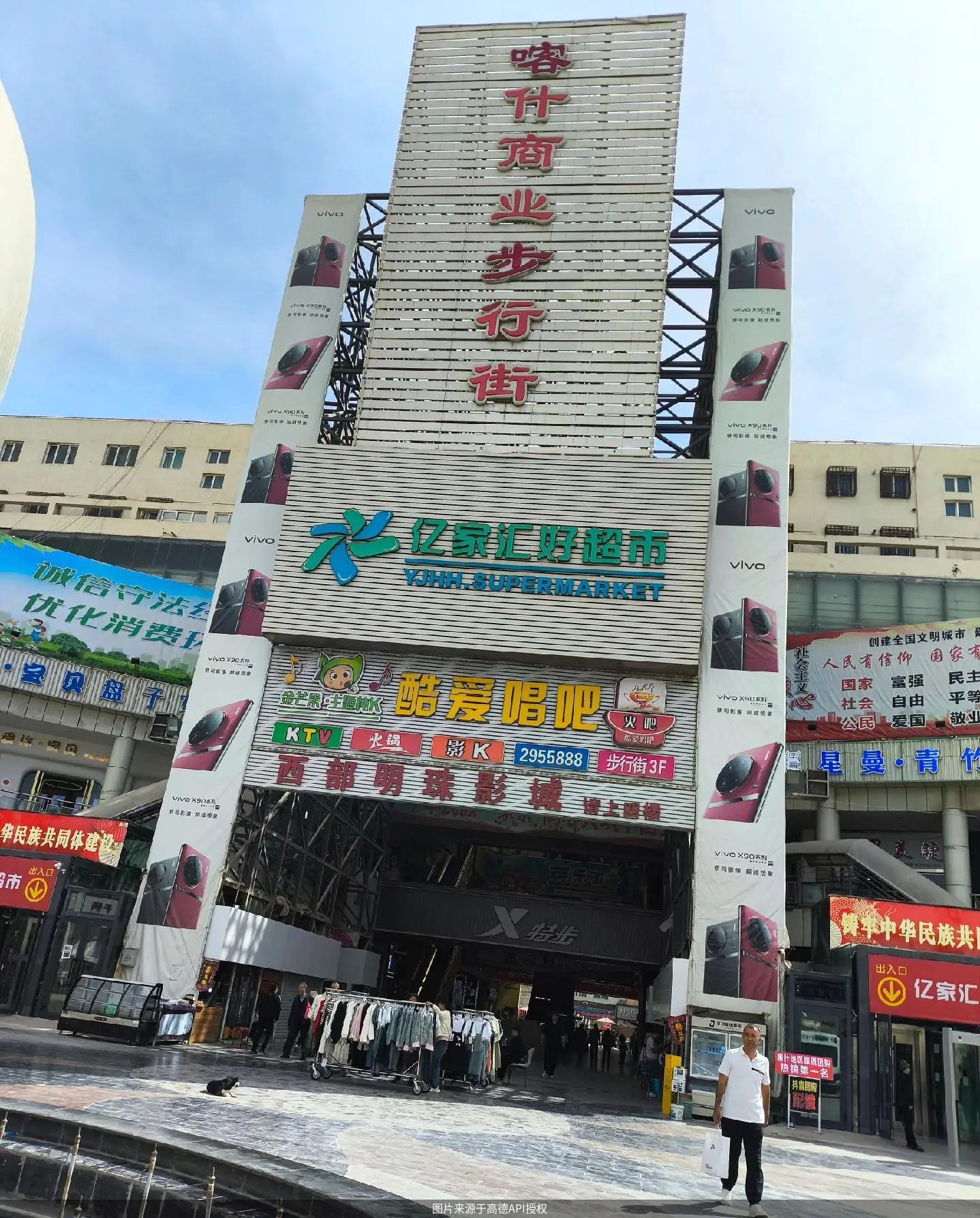
On Renmin West Road, this is Kashgar's main commercial pedestrian street, lined with shops selling clothing…
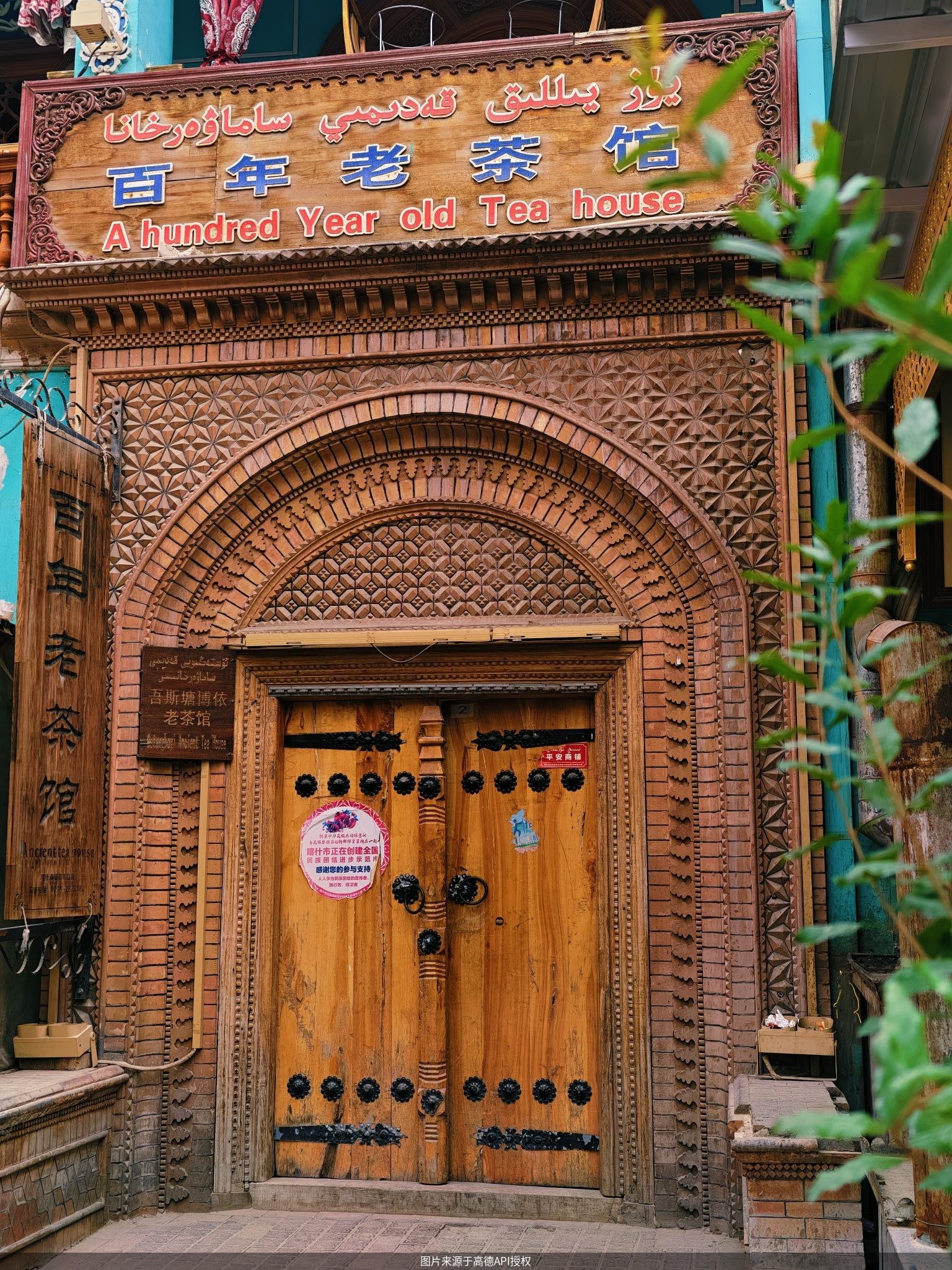
On Wusitangboyi Road in the Old City, this celebrated teahouse has run for over a century. Serving brick tea…
Museums, galleries and workshops still keeping old crafts alive.
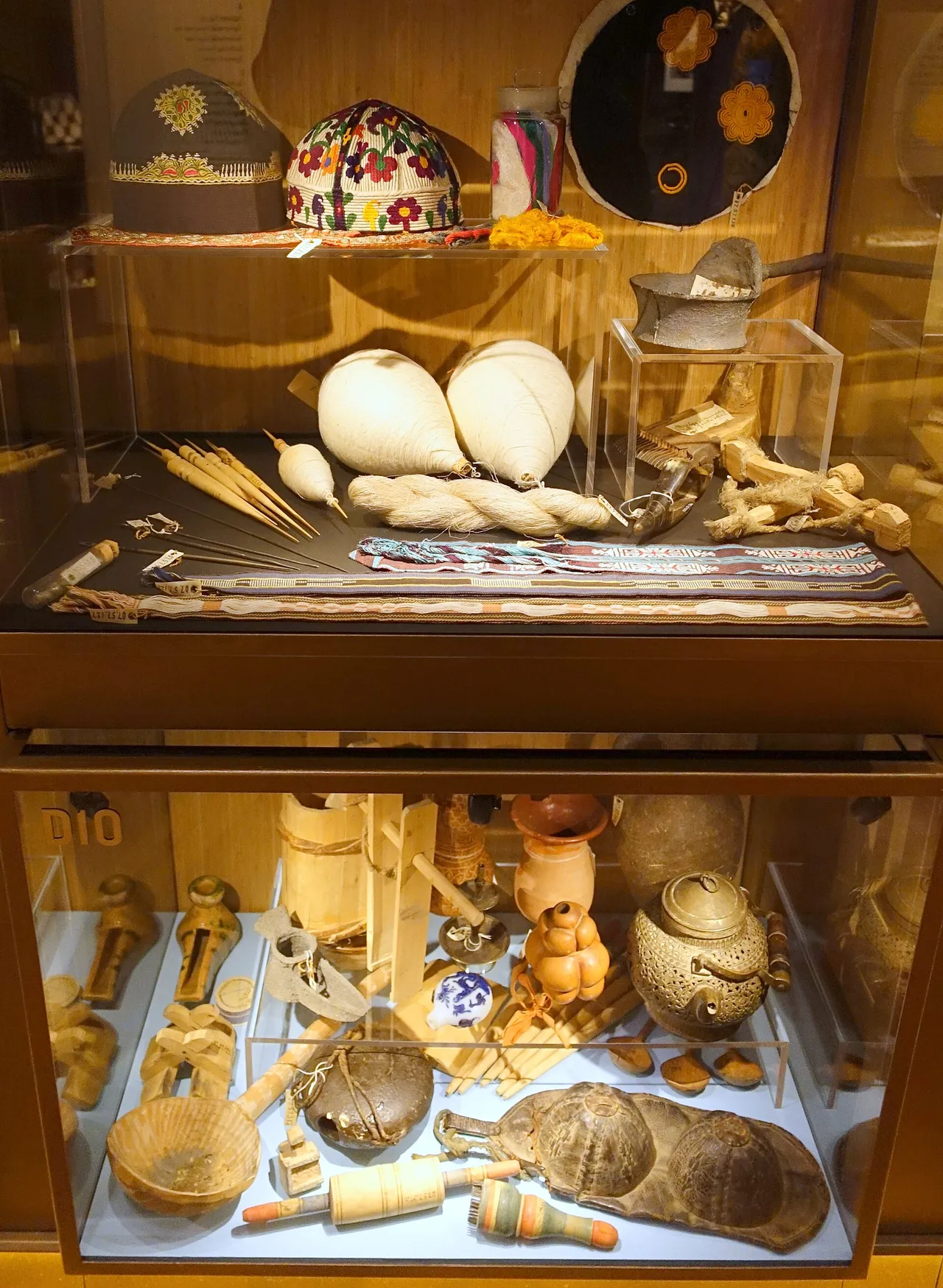
On Tianshan West Road, this general museum presents Kashgar's history and culture. Its collections of stone…
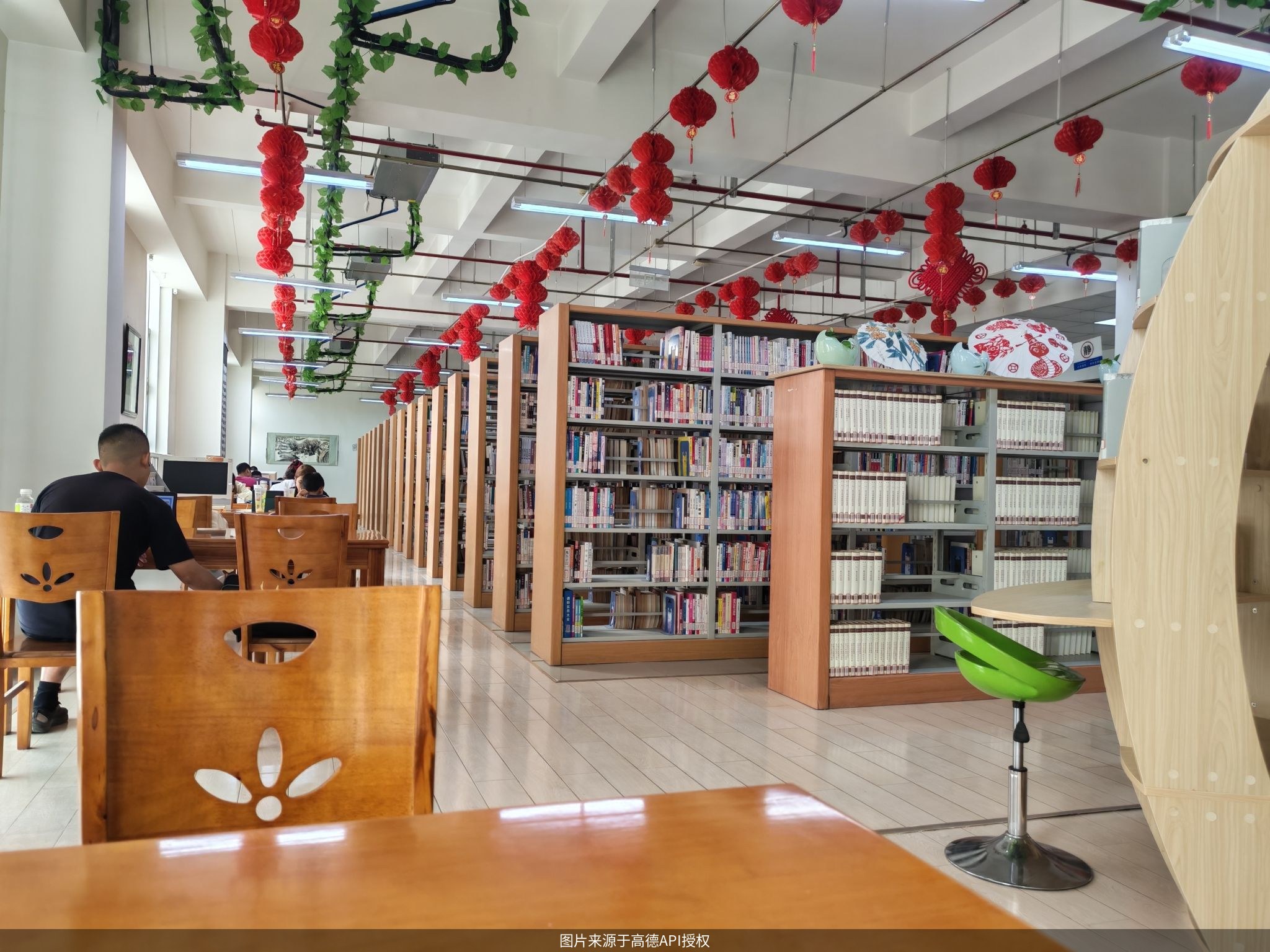
On Pusha Avenue, this is Shache's general public library. Its collection spans literature, history, science…
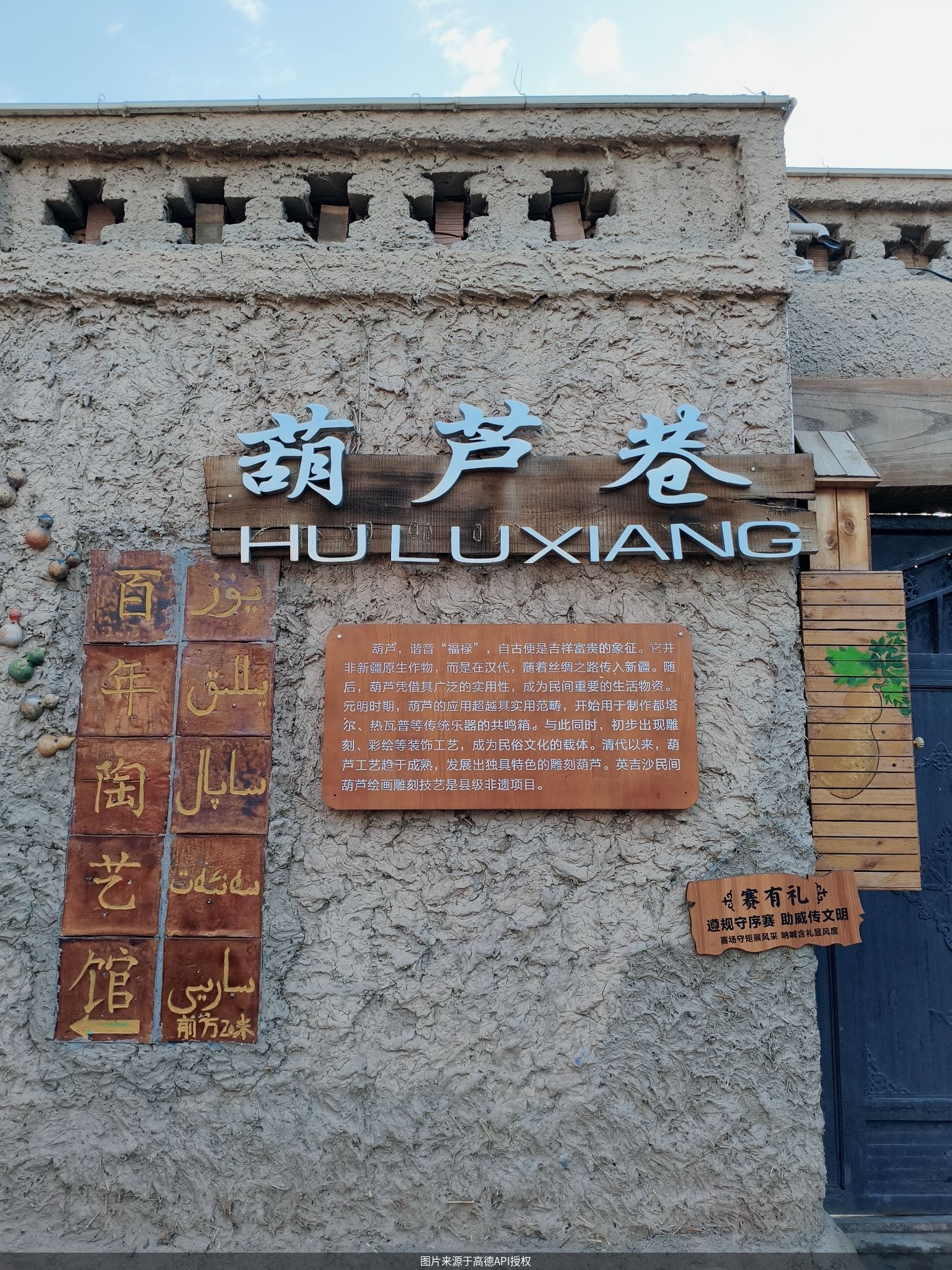
In Mangxin Town, Yengisar County, this hall centres on the nationally listed Uyghur mould-pressed earthenware…
What is on stage after dark.
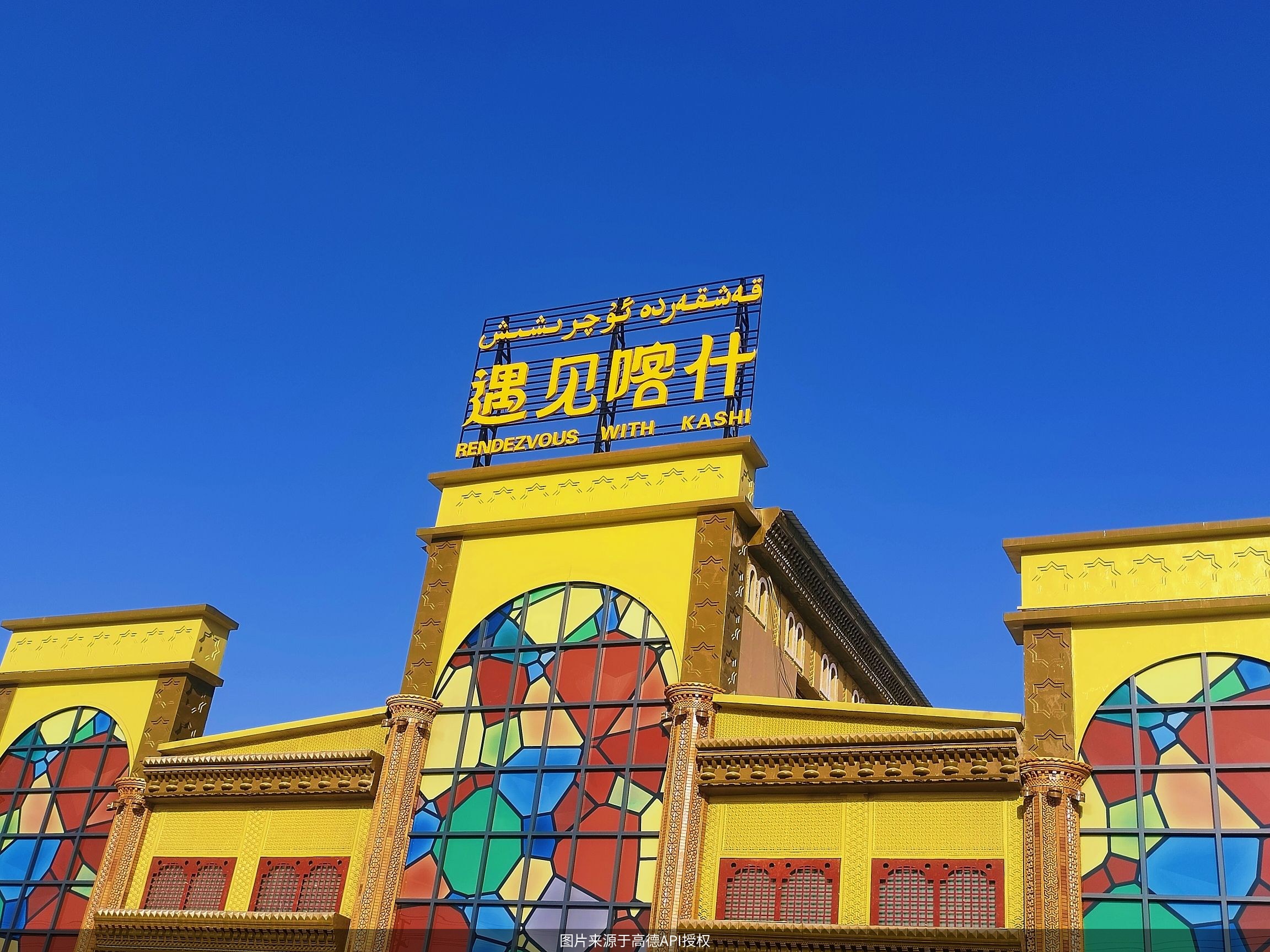
At the east gate of the Old City on Tuman Road, this is Kashgar's flagship performance venue. Its immersive…
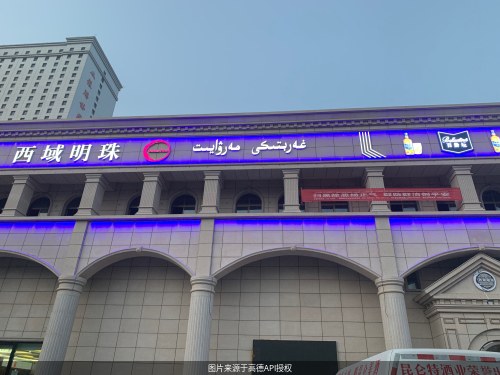
On Jianshe Road, this theatre combines dining with performance. Guests enjoy Uyghur and Tajik cuisine while…
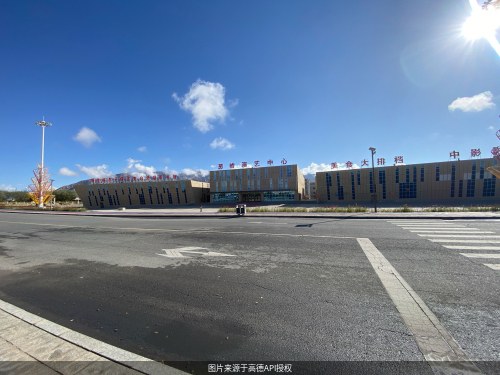
On Zhongba Youyi Road in Taxkorgan, this venue is named after Congling, the ancient name of the Pamirs. It…
Where the whole street eats — the city's most famous food streets, each with its own guide page.
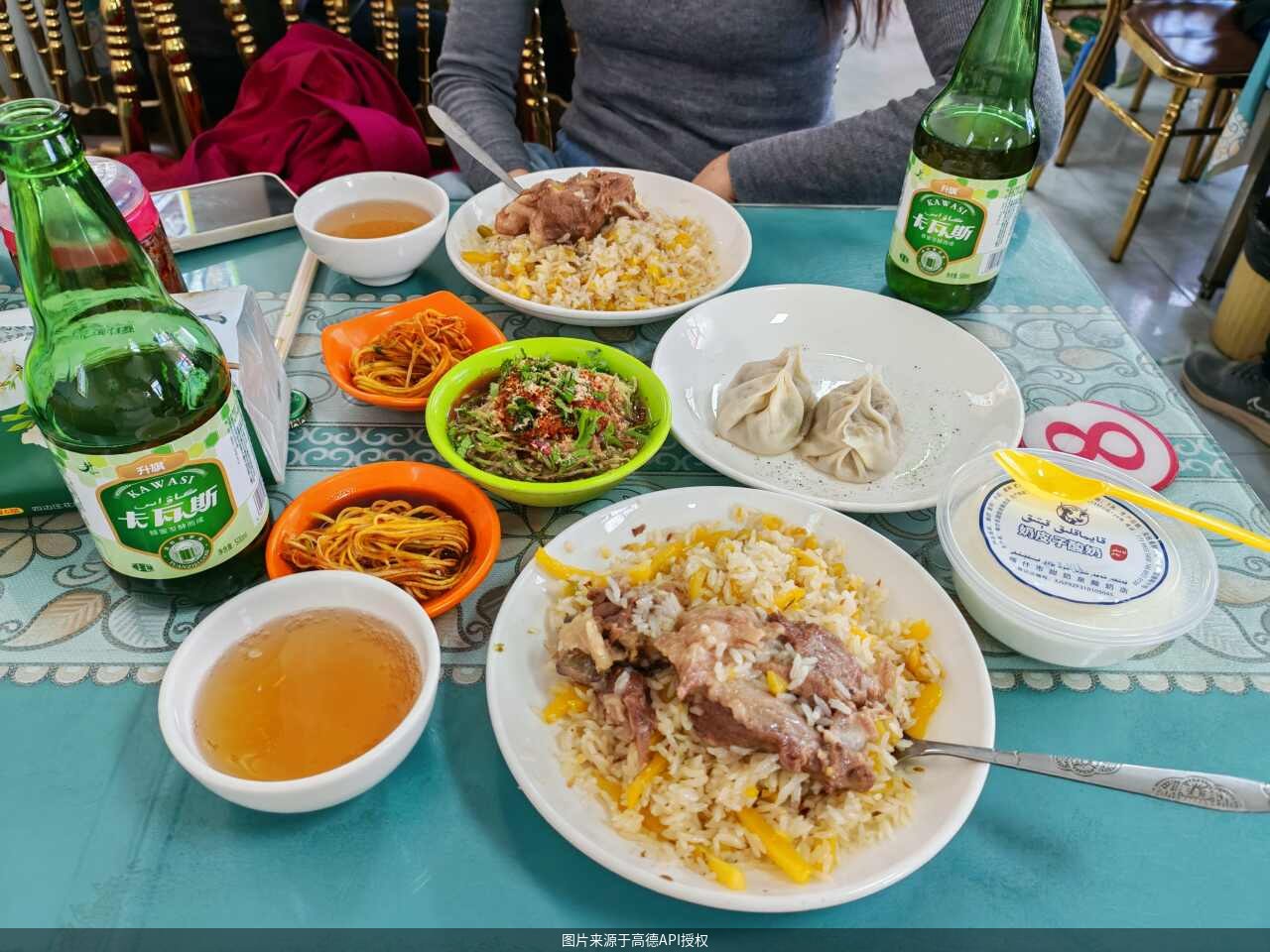
On Tawuguzi Road, this popular long-running eatery makes polo by steaming lamb, yellow carrot and rice until…
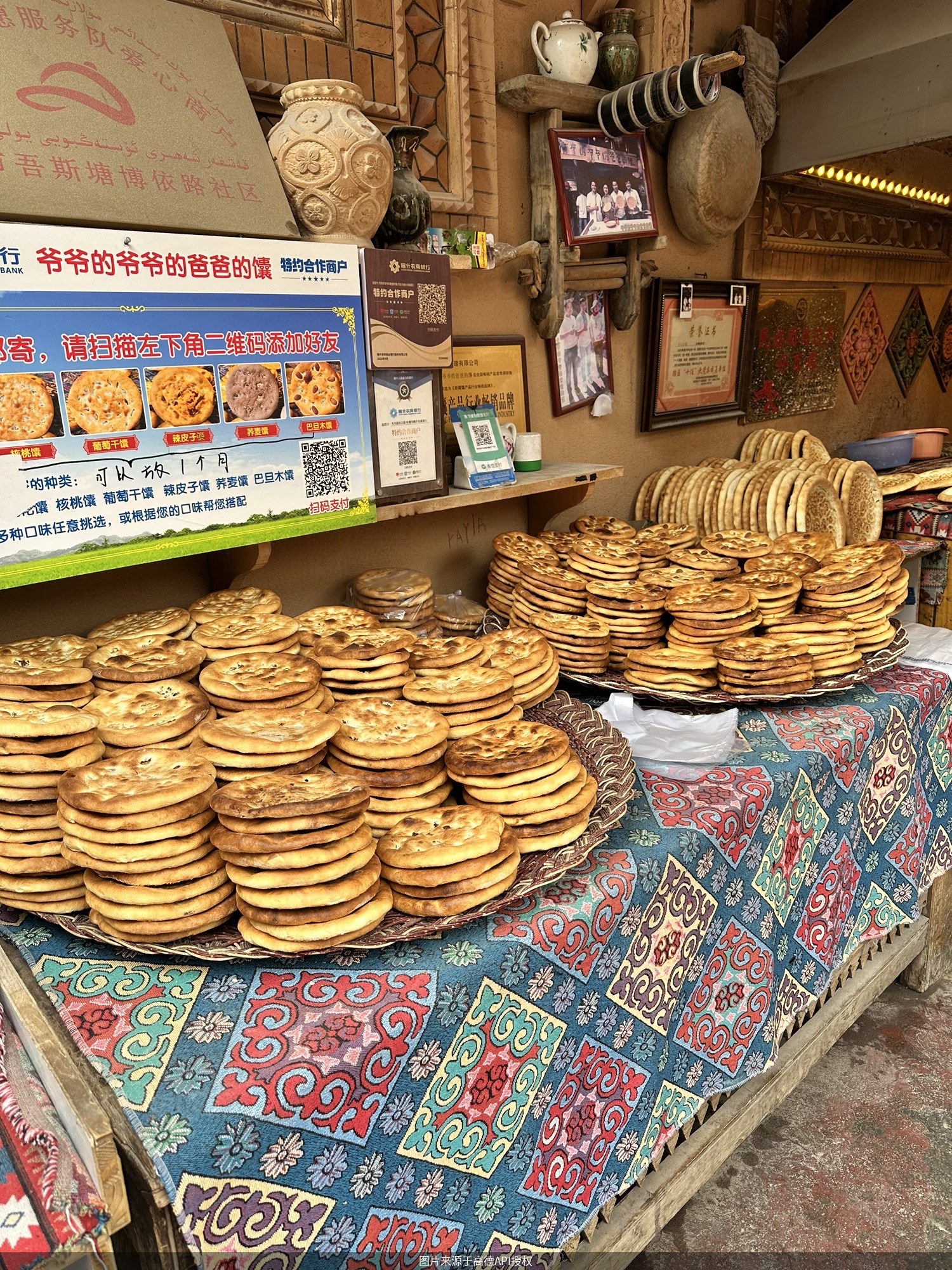
On Boyi Road in the Old City, this naan shop went viral for its playful name. It carries on a family baking…
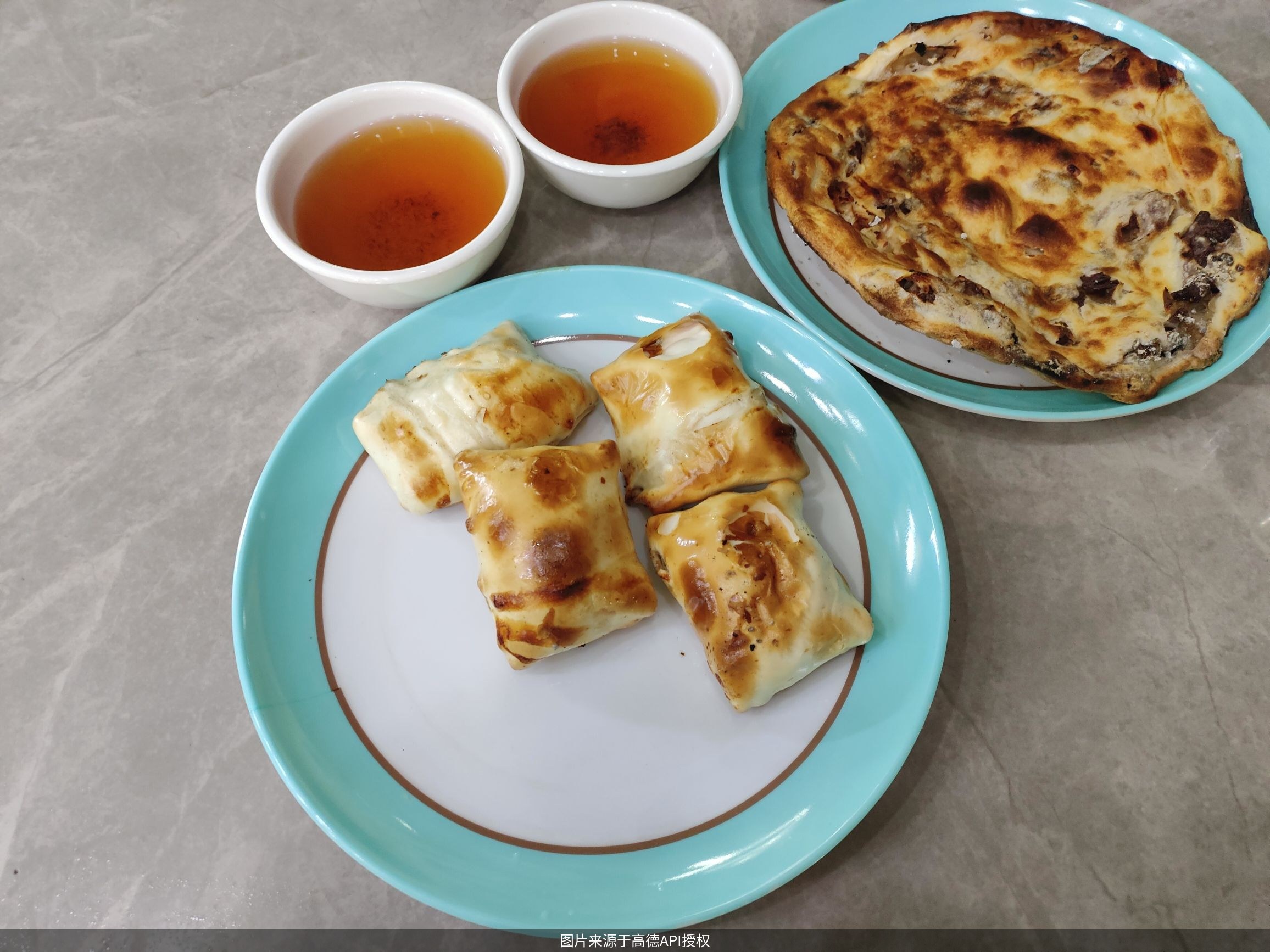
On Qingnian South Road, this long-running shop bakes samsa filled with diced lamb and onion against the…
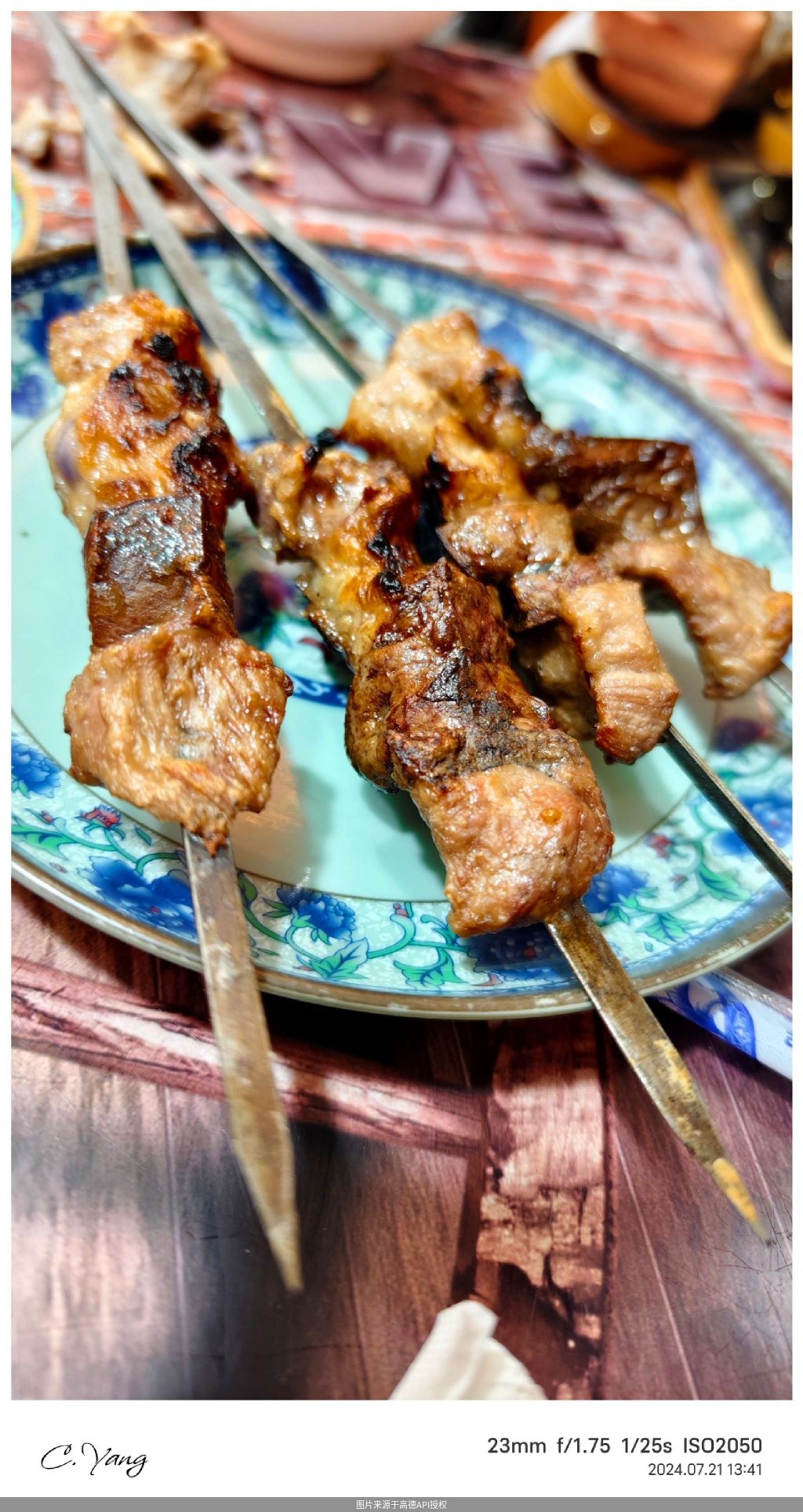
In the east part of the Old City, this stall specialises in gangzi rou, lamb and yellow carrot slow-stewed in…
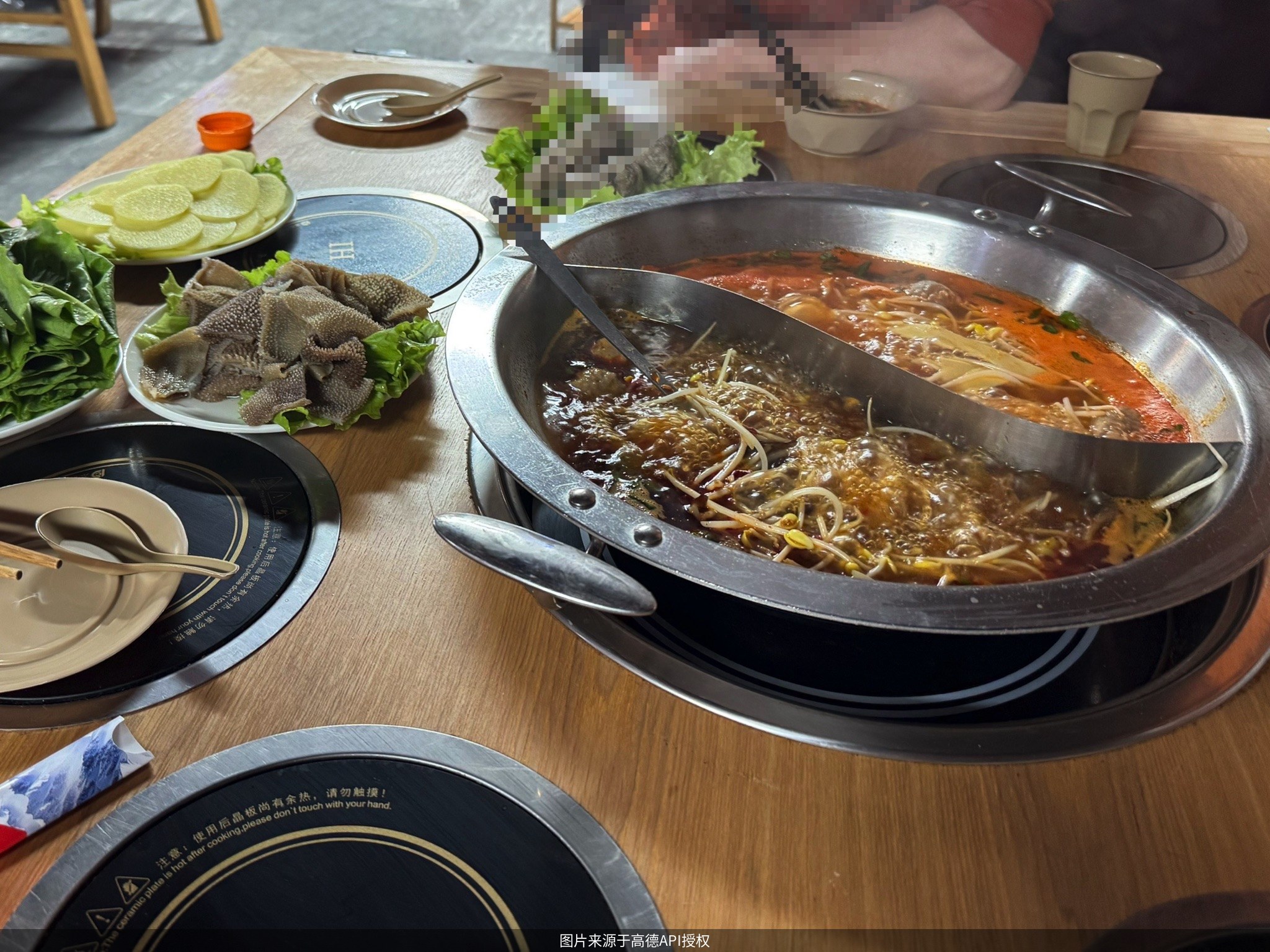
In the Pamir tourism area of Taxkorgan, this restaurant takes its name from the film Visitor from the…
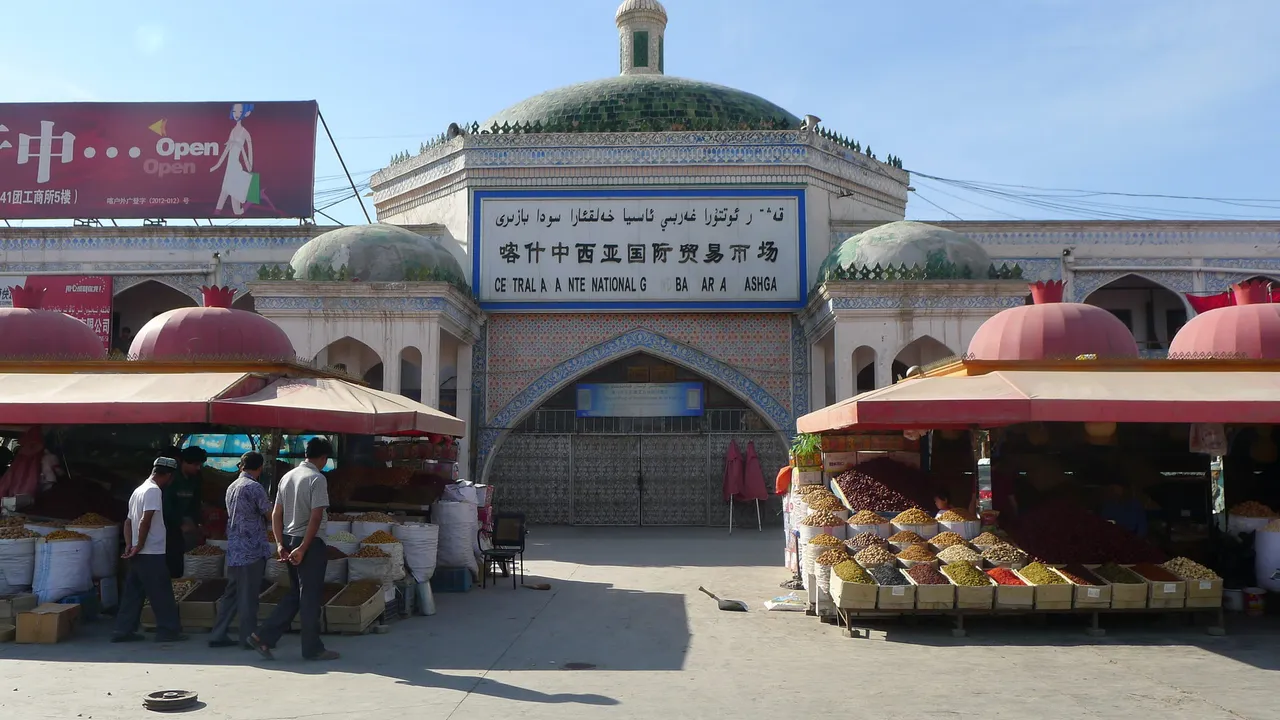
Northwest China's biggest bazaar: pyramids of dried fruit, rainbow Atlas silk and the smell of fresh naan.
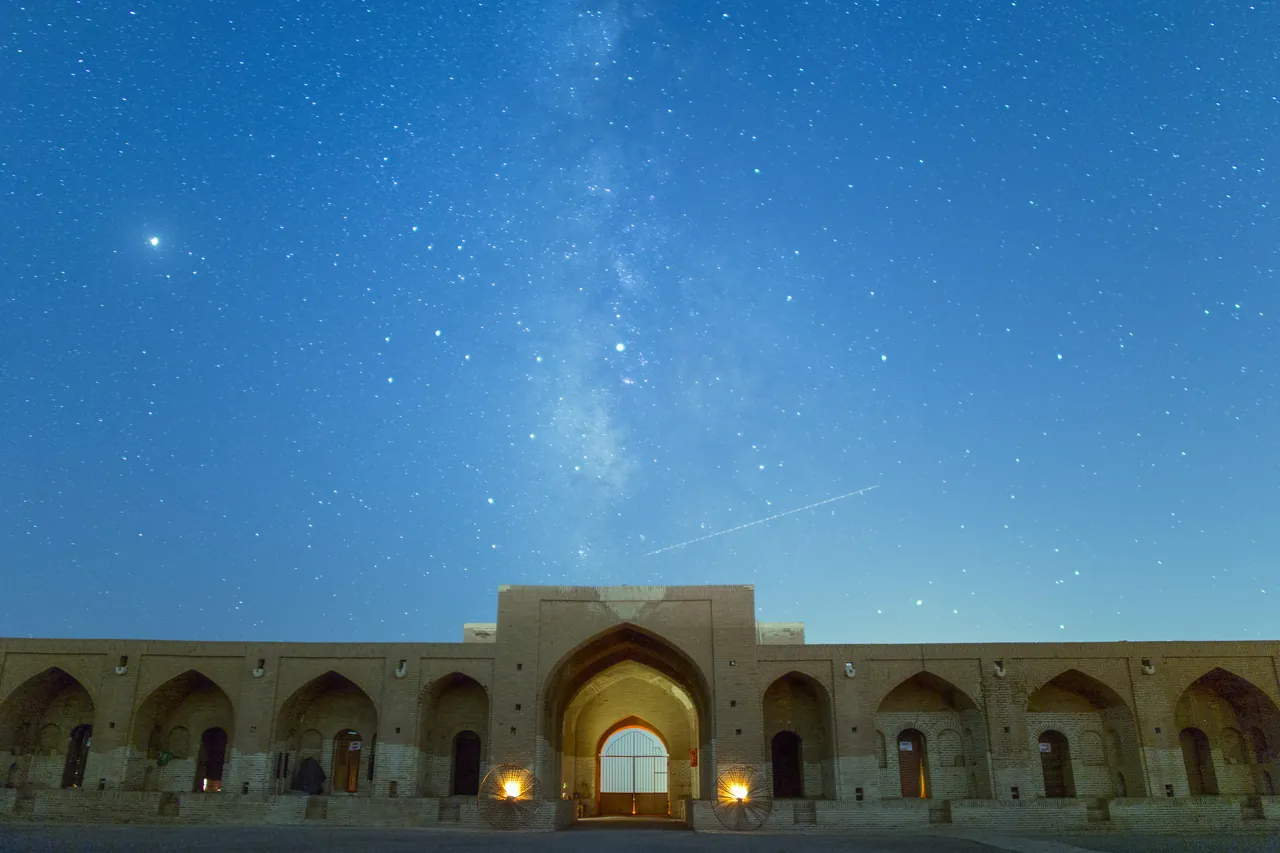
Lit courtyards and craft shops.
Lamb skewers and naan from the oven.
The old town is at its best after 8pm — lanterns, kebabs and tea.
Listed sites and the crafts that made this city famous.
China's largest mosque (1442), holding 20,000 worshippers.
A living Uyghur quarter of courtyard houses and craft lanes.
A 12-suite cycle of song, dance and instrumental music.
Hand-forged blades with inlaid handles.
Senior licensed guides with 10+ years in the field and fluent English — deep on history, culture and local life.
Experienced licensed guides with clear English — solid on city highlights, food and day-to-day logistics.
Licensed guides with workable English — a good-value choice for city days, transfers and standard commentary.

Chauffeur-driven by the day, plus airport and intercity transfers.



Private chauffeur-driven vehicles, priced per vehicle not per person. Airport transfer from $45; intercity transfer from $180.
On Yingbin Avenue, this key trunk airport in southern Xinjiang is also a national opening-up air port. It runs flights to Urumqi and cities including Beijing, Shanghai and Xi'an, serving as the main air gateway to…
On Shiji Avenue North, this key passenger station sits on the Southern Xinjiang Railway. It runs trains to Urumqi and southern cities including Hotan and Shache, adjacent to the bus terminal, as the main rail gateway…
At the junction of Shiji Avenue North and Tianshan East Road, this is Kashgar's main road-transport hub. Coaches run to Taxkorgan, Shache, Yecheng and neighbouring counties, next to Kashgar Railway Station, as the key…
On Xingmin Road, this large shopping centre gathers brand retail, dining, a cinema and children's entertainment under one roof, with many chain brands. It is one of Kashgar's main hubs for leisure, consumption and…
On Renmin West Road, this long-established department store sells clothing, daily goods and home appliances, with dining and a supermarket attached. A mainstay of local everyday shopping, it reflects decades of…
On Renmin West Road, this is Kashgar's main commercial pedestrian street, lined with shops selling clothing, footwear, daily goods and local specialities. Dense with shoppers and street life, it is the city's…

10 guides split by trip length: one-day city routes, three-day escapes and longer journeys, with stops, costs and transport in each.
Watch the old town's morning opening ceremony, tour Id Kah Mosque and the craft lanes be
Three DaysThree Heritage Days in Kashgar: Old Town, Xiangfei and the Yengisar PottersDay one deep in the old town, day two for the museum, Pan Tuo City and Xiangfei Garden,
Multi-DayFive Classic Days in Kashgar: Old Town, the Pamir and a Desert LakeTwo days for the old town and city, two for the Pamir plateau, one for the Dawakun deser
Real routes, real travellers — a sense of what a trip looks like.
Most travellers spend 3 days here. Add a day for a side trip if you want a slower pace.
Spring and autumn are usually the most comfortable. Check the seasonal notes above before booking.
We arrange airport/rail transfers and private drivers. Tell us your arrival point and we plan the connection.
Send an enquiry and a human expert replies within 12 hours with a draft plan and real prices. Flexible rescheduling; clear cancellation terms in your quote.
2-day private itineraries in Kashgar start from $540 per person, two travelling together. Your proposal itemises hotels, tickets, guide and car — no hidden fees.
Yes — it is a normal Chinese city with heavy police presence. We brief you on local customs.
Yes for Tashkurgan — we arrange it with your passport in Kashgar the day before.
Recent listed prices: Kashgar Old Town free; Id Kah Mosque ¥45; Xiangfei Garden (Fragrant Concubine Tomb) ¥30; Pamir Plateau ¥40(区间车¥11). Ticket prices change seasonally — we confirm them in your quote.