
Libo's one-day essence sits along the Zhangjiang River: walk Xiaoqikong from the old bridge all the way to Wolong Pond in the morning, close with Daqikong's natural bridge in the afternoon, and finish with iced bayberry soup back in town. Only two variables matter, the hour you pass the gate and your own pace; get in before 8:30 and you dodge the densest crowds.
The two scenic areas sit side by side, walkable between their east gates, with tickets sold separately. Shuttles link the sights inside, and town is about half an hour away. Expect some 15,000 steps; the stone path in the water forest stays slick year-round, so a pair of grippy shoes beats any tip in this guide.
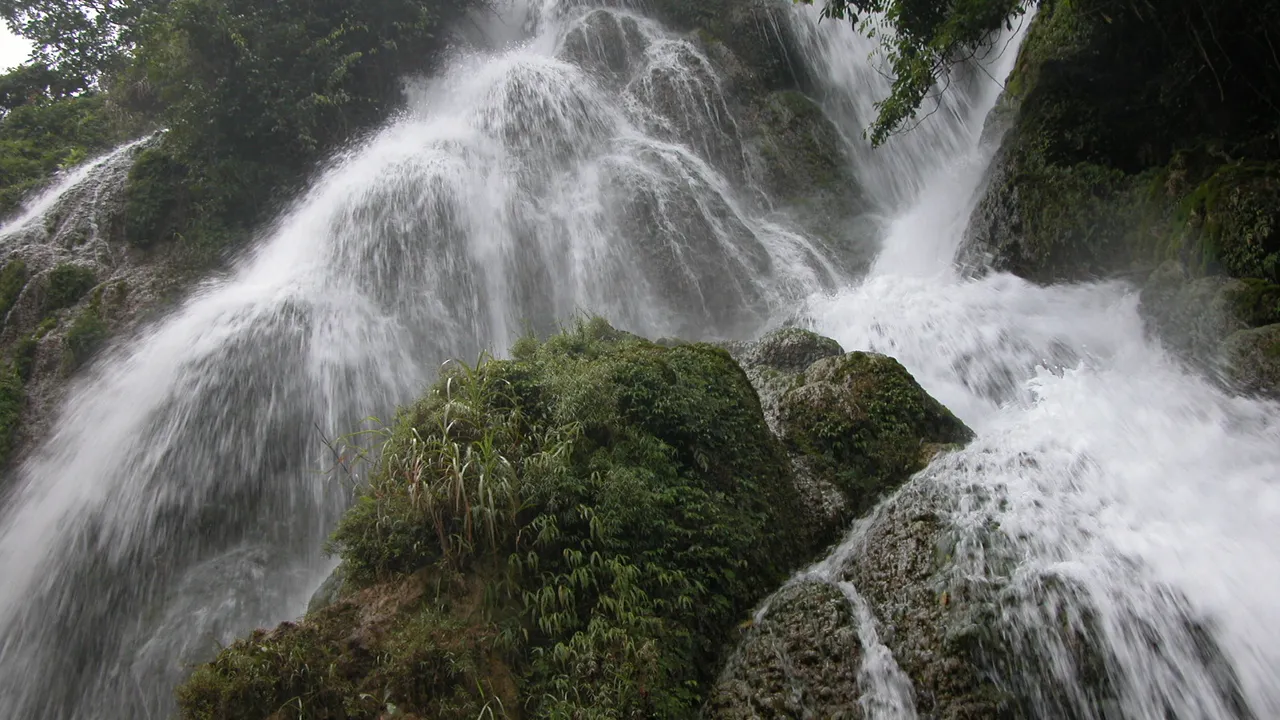
Itinerary at a glance
| 08:30 | Xiaoqikong Scenic Area: Old Bridge, Laya Falls and the 68 Cascades |
| 11:00 | Xiaoqikong Scenic Area - The Water Forest |
| 14:00 | Xiaoqikong Scenic Area - Cuigu Falls and Wolong Pond |
| 16:30 | Daqikong Scenic Area: The Natural Bridge and the Gorge Raft |
The route, stop by stop
Xiaoqikong Scenic Area: Old Bridge, Laya Falls and the 68 Cascades
Enter from the east gate and the first sight is the seven-arch stone bridge from the Daoguang era, its body wrapped in vines and ferns, the water beneath in Libo's signature green. Upstream, Laya Falls pours straight off the roadside bank; in high water you walk past its curtain close enough to feel the spray.
Beyond lie the 68 Cascades, white water stepping down a riverbed two stories deep. Halfway along, look back: when morning light slants into the valley, the mist turns to gold. The riverside boardwalk has no side paths, and forty unhurried minutes covers it, passing a small rock shrine to the mountain god, the busiest incense spot for local Buyi villagers.
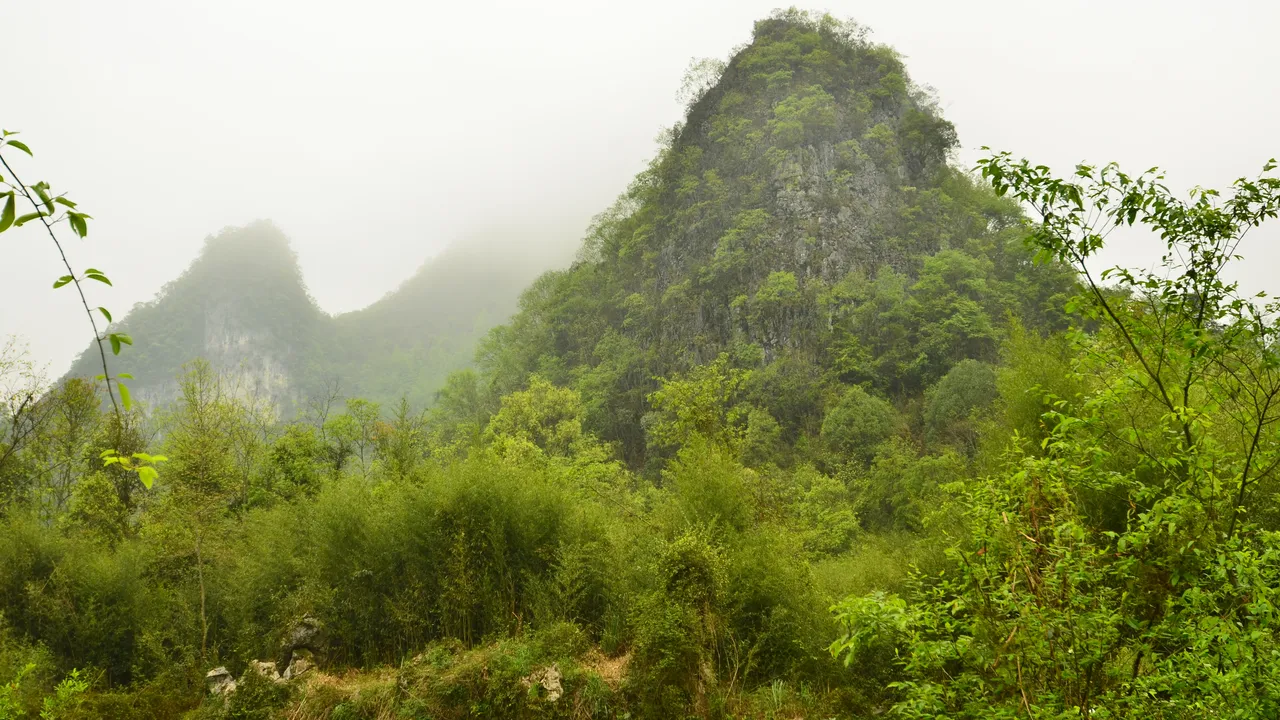
Xiaoqikong Scenic Area - The Water Forest
The water forest is a stretch of karst woodland growing out of the stream below Guibei Hill, roots gripping rocks in the shallows while visitors pick their way along submerged stone steps. In summer it is the route's favorite passage: step in, and the coolness climbs from your ankles until the day's heat is gone.
The stones carry a film of moss year-round, so hold the guide rope and zip your phone into a waterproof pouch first. The path is single-file; walking against the flow jams the narrowest section, so follow the one-way stream, then rest on the shaded stones after the exit and save lunch for the service point near Cuigu Falls.
Xiaoqikong Scenic Area - Cuigu Falls and Wolong Pond
Cuigu Falls spreads from the valley mouth as one wide curtain, with a shallow flooded flat below where wading is allowed, the most water-friendly stretch of the whole line. Ten minutes on foot from the shuttle stop, it draws the family crowds each afternoon.
Wolong Pond is the finale: above the dam the water sits thick as melted turquoise, below it a fine comb of threads runs year-round, and the wind carries the spray toward the valley mouth. From the dam top you frame the greenest shot of the day, then ride the shuttle back to the east gate, timed perfectly for Daqikong.
Daqikong Scenic Area: The Natural Bridge and the Gorge Raft
Daqikong is more direct than Xiaoqikong: twenty to thirty minutes along the gorge boardwalk ends at the natural bridge, a single karst mass a hundred meters tall spanning the ravine. Wind threads the arch, water echoes in the rock chambers, and locals call this the Eerie Gorge; stand beneath and look up, and you feel the size of a chess piece.
A bamboo raft runs part of the gorge if legs are short, cutting the walk roughly in half. You emerge near dusk, about half an hour from town, in time for the bayberry soup stalls in the old town before they pack up, one last cool of green on the way down.
| Getting around |
|
| Budget | Xiaoqikong entry plus shuttle about RMB 130-170 pp, Daqikong another RMB 50-60; with meals the day lands near RMB 250-350 pp. |
| Best time | April to October brings full water and the best falls; summer crowds argue for passing the gate before 8 am. Winter keeps the green water though the cascades thin out. |
FAQs
What is the easiest way from Libo rail station to Xiaoqikong?
A dedicated shuttle runs from the station to the east gate, or take a bus into town and change for the scenic line, about forty minutes in all. Groups save time with a shared car. Peak-season return trains sell out, so buy tickets on your phone ahead, and do not linger until closing since the last shuttle leaves early.
Do Xiaoqikong tickets need advance booking? Can I buy on site?
Peak season and holidays run real-name reservation with daily caps; booking one or two days ahead through official channels is safest, and on-site windows may stop selling on crowded days. Buy the shuttle ticket at the same time. In the low season walk-up purchase is usually fine, though afternoon caps can still throttle entry, so early beats lucky.
With only one day, how do I trade off between Xiaoqikong and Daqikong?
Give Xiaoqikong the lion's share and walk it end to end from the old bridge to Wolong Pond; keep Daqikong to two hours for the natural bridge. Xiaoqikong carries the density and the legwork, and cutting it guts the trip's memory, while Daqikong's essence is concentrated, and one look at the bridge repays the ticket.
Is this route manageable with seniors or small children?
Two spots strain: the slick stone path of the water forest, where seniors should grip the rope or use the parallel boardwalk, and the day's total distance, which wears children out by midday. Ride the shuttle the whole way, schedule the water play at Cuigu Falls in the afternoon, and pack a change of clothes to swap on the ride back to town.