
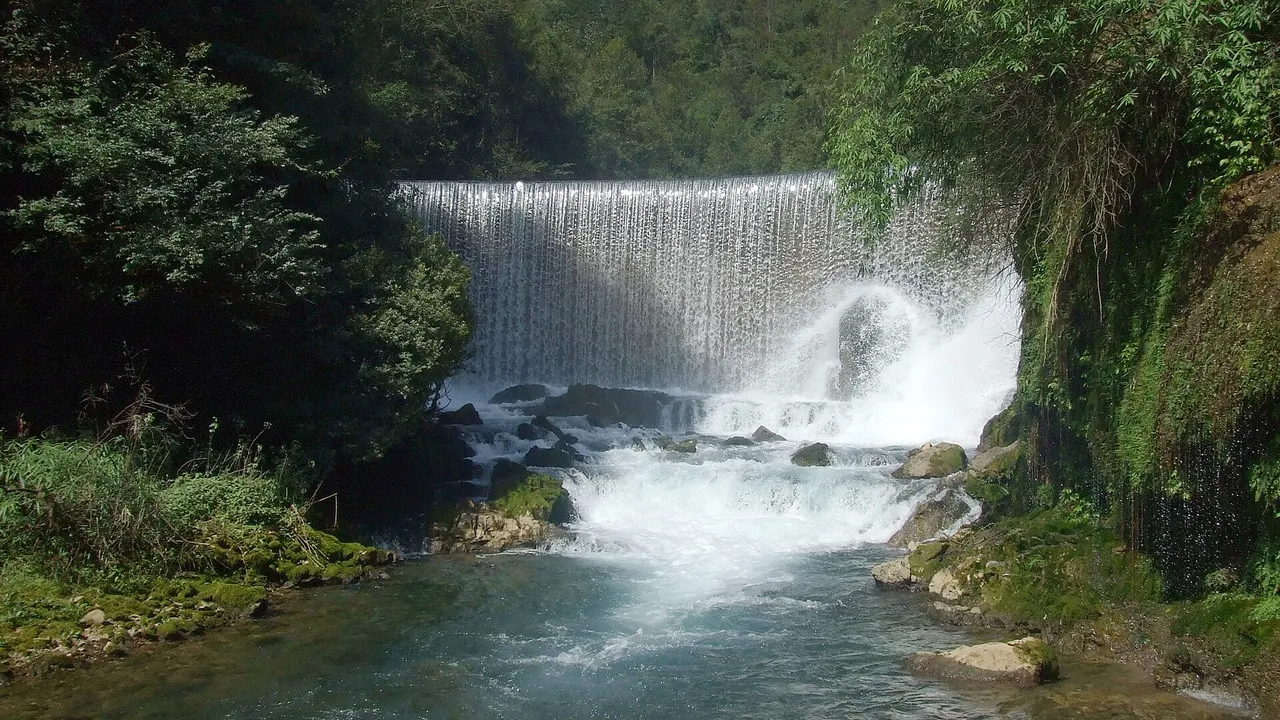
Libo is famous for water, but its human layers run just as deep: Shui, Buyi, Miao and Yao communities have lived interwoven here for generations, and Deng Enming, a delegate at the Party's First Congress, came from a Shui family. Today's route leaves town for the hills, sampling the living world of three peoples.
The one thing village travel punishes is rushing through. So this day keeps to just two villages and spreads the hours thin. The White-Trousered Yao of Yaoshan are called a living fossil of human culture, their bronze drums, tops and granaries each carrying meaning; Dongdao Tribe, a newer cultural settlement of workshops and guesthouses, suits a slow half day.
Itinerary at a glance
| 09:00 | Deng Enming Martyr Former Residence: A Son of the Shui People |
| 10:30 | Libo Ancient Town and the Old Streets: A Multi-Ethnic Back Kitchen |
| 14:00 | Yaoshan Ancient Village: Granaries and Tops of the White-Trousered Yao |
| 17:30 | Dongdao Tribe: Crafts and the Late Light |
The route, stop by stop
Deng Enming Martyr Former Residence: A Son of the Shui People
The heart of the residence is not the revolutionary half of the story but the Shui half: the Shui script, the Duan Festival, horsetail embroidery, each given its due in the exhibition. Deng Enming's road from Libo to schooling in Jinan and on to Shanghai was the same road countless Qiannan youths walked; he simply walked it farthest.
After the main hall, study the compound itself: the overhanging eaves, the watchtower, the hearth-room layout, the standard answer of Qiannan dwellings. For anyone drawn to architecture and ethnography, this free old house outbuilds many a ticketed museum.
Libo Ancient Town and the Old Streets: A Multi-Ethnic Back Kitchen
The old streets are the entry point to Libo's ethnic makeup: Shui horsetail-embroidery stalls, Buyi homespun shops and Miao silver counters sit shoulder to shoulder, and on market days elders in full ethnic dress ride down from the hills, this street their first stop in town.
Spend half an hour reading the stitchwork of one horsetail-embroidery scroll and ten minutes hearing a silver master explain what the patterns mean, and your Libo runs a layer thicker than the parks alone can give. Lunch here: sticky rice with sour beans, Buyi flavor for a couple of yuan.
Yaoshan Ancient Village: Granaries and Tops of the White-Trousered Yao
Yaoshan is home to the White-Trousered Yao, and the gate-welcoming ritual of bronze drums and firecrackers sets a strong tone. Inside, two things come first: the granaries, raised on stilts against damp and rats, their roofline water-buffalo horns marking family lines; and the top-spinning ground, where the Yao tops are whipped into long spins, and an elder's wrist technique rewards ten consecutive watches.
A village guide walks you past the drum court, the Yao King's house and the embroidery workshop; the Yao King's seal on their clothing is said to be a royal token, and the crossed motifs on women's back-panels each carry their own story. Two or three hours here, and the phrase living fossil of human culture stops being abstract.
Dongdao Tribe: Crafts and the Late Light
Dongdao Tribe is Libo's newer cultural settlement, gathering guesthouses, craft workshops and farmland. Evening is the right hour: learn a stretch of batik or weaving while the vats and looms share the air with dinner smells, and your finished piece dries in the yard just as the sun drops.
If the day does not end here, the tribe's guesthouses deserve a night, frogs and insects after dark, roosters at dawn. For those pressing on, one loop at dusk and town is half an hour away, seated for dinner before it gets late.
| Getting around |
|
| Budget | The residence and old streets are free, Yaoshan entry runs about RMB 60-80 and craft sessions RMB 30-80; with a hired car the day totals around RMB 300-450 pp. |
| Best time | Year-round; village festivals are the liveliest, with ceremonies clustered around lunar New Year and the New Rice Festival, while ordinary days center on home visits and crafts. |
FAQs
Are the villages too commercialized to see real life?
Yaoshan's rituals and home visits are indeed tourism-shaped, but the Yao clothing, granaries and tops remain objects of daily use, so the core under the commercial shell is real. For more everyday texture, come on market days, avoid the performance hours in the afternoon, and eat a meal in the village; that beats hunting a remoter village.
Are two villages plus town too much for one day?
Tight but feasible if you hire a car and hold the clock: keep the residence and old streets within two hours, leave for Yaoshan by 1:30, give it two and a half hours, transfer to Dongdao at 4:30, and return after the dusk session. For a relaxed version, drop Dongdao and stretch Yaoshan into a half day.
Do the White-Trousered Yao top-spinning shows run daily?
Regular sessions run daily, but times shift with season and crowds: extra shows in peak season, cancellations in rain. Get the day's timetable at the guide point when you enter and pin the performances into your plan before wandering to granaries and the embroidery shop. Top-level long-spin duels are most likely on weekends and festival days.
May I photograph people in the villages?
Photograph performances and guided segments freely; for candid shots of daily life always ask first, elders and children above all, and accept a refusal gracefully. Should you encounter a funeral or rite in the village, put the camera away and walk around it, a courtesy that outweighs any tip in this guide.