
Seven days on Lushan is not seven sights but a way of inhabiting: Guling as base camp, morning cloud sea in the town park, buses dispatching to the lines, an afternoon nap back in town, dusk walks by Lulin Lake or in the villa quarter, and a hot pot at night. At this tempo the mountain starts conceding its best weather and emptiest trails.
Effort alternates medium, light, hard, light, medium, hard, medium: the western ravines, a heritage day, Shimenjian, an in-town rest, Hanpokou with Wulaofeng, the garden as buffer, Sandiequan as the finale. Hard trails never run back to back, museums and the cinema cover every rainy spell, and only two days need hired cars below.
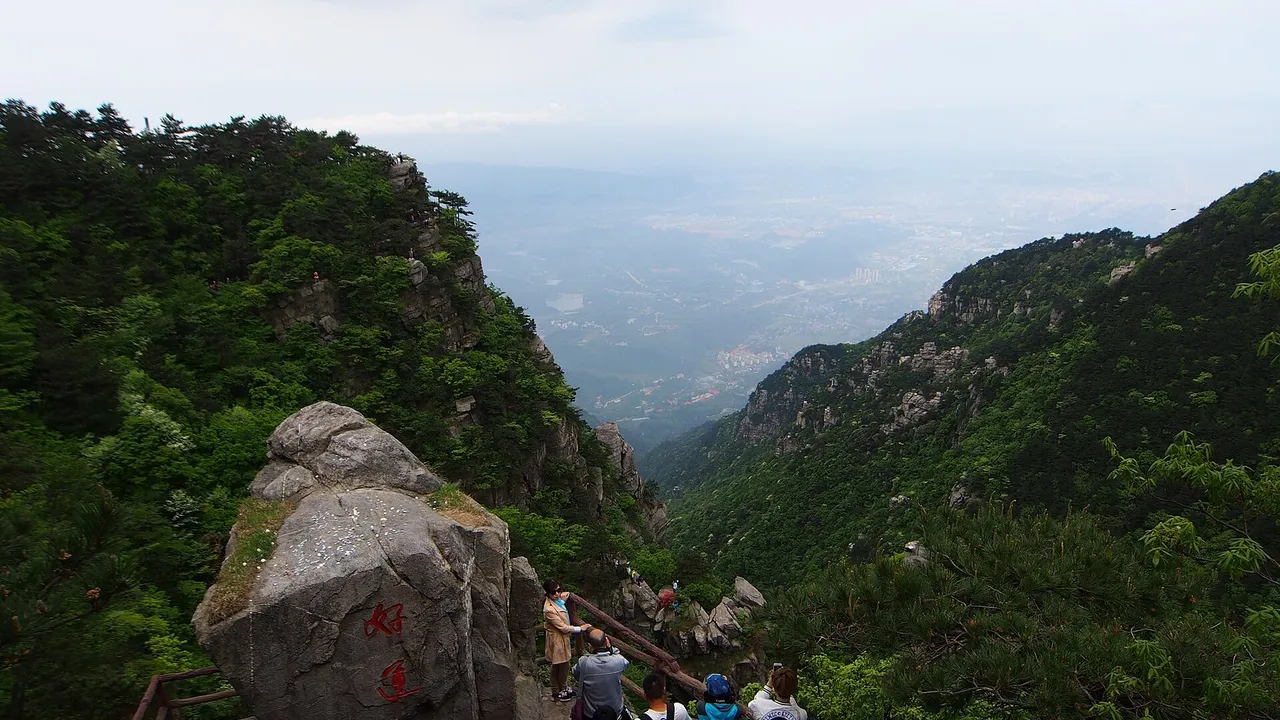
Itinerary at a glance
| 第1天 09:00 | Guling Town and the Old Villa Quarter |
| 第1天 14:00 | Ruqin Lake and the Flower Path |
| 第2天 08:30 | Jinxiu Valley |
| 第2天 11:00 | Xianren Cave |
| 第2天 14:30 | Great Tianchi and Longshou Cliff |
| 第3天 09:00 | Shimenjian Gorge |
| 第3天 15:00 | Meilu Villa and the Lushan Cinema |
| 第4天 09:00 | The Lushan Conference Site |
| 第4天 11:00 | The Lushan Museum and Lulin Lake |
| 第5天 09:00 | Huanglong Temple, the Treasured Trees and the Twin Pools |
| 第6天 06:00 | Sunrise at Hanpokou |
| 第6天 09:30 | Wulaofeng (Five Old Men Peak) |
| 第6天 14:00 | The Lushan Botanical Garden |
| 第7天 08:30 | Sandiequan Waterfall |
| 第7天 15:00 | The White Deer Grotto Academy |
The route, stop by stop
Guling Town and the Old Villa Quarter
Day one neither climbs nor descends; it learns the base. Cloud sea in the town-center park, note the supermarket, pharmacy and market on the main street, then afternoon side lanes through the villa quarter, six hundred-plus stone-and-red-roof houses opening the week.
Collect the bus map and closure schedule at the visitor center and frame the seven days. Keep today's walking under six kilometers and bank the legs.
Ruqin Lake and the Flower Path
Day one's afternoon starts west at Ruqin Lake, lute-shaped, with the Flower Path minutes on, where Bai Juyi wrote his famous April line, the thatched hall showing the poet's traces.
Take only the lakeside stretch today, saving Jinxiu Valley for tomorrow morning; spring blossom and autumn leaf are the glory seasons, and dusk is the shore's best frame.
Jinxiu Valley
Day two's centerpiece is Jinxiu Valley, entered from the Flower Path: the sub-four-kilometer ravine packs Lushan's densest scenery, cliffs, rocks and cloud seas trading places on a gentle descending stair.
The ravine is emptiest early, worth arriving for the moment fog rises off the floor; pause at the Guanmiao and Fangxian pavilions and walk the hour slowly.
Xianren Cave
The valley exits at Xianren Cave, where the perilous-peaks line was penned, temple incense framed against cloud banks; beyond it, the Wenzhang and Youxian rocks form natural decks.
Morning clouds run most active, so give the rocks twenty extra minutes; finish by noon and return to town for lunch and a nap, the week's base rhythm.
Great Tianchi and Longshou Cliff
Day two's afternoon fills the west line's depths: Great Tianchi's two ridge-top wells and Longshou Cliff's dragon-headed boulder over Iron Ship Peak ghosting in cloud, the west line's grandest viewpoint.
Forty minutes on foot, wind-scoured but wide open; evening light warms the cliff before the bus returns you to town right at dinner.
Shimenjian Gorge
Day three drops into Shimenjian, the gorge pinning the cliffs of Iron Ship Peak and Tianchi Mountain into a line of sky, with waterfalls and a suspension bridge as the sights, deliciously cool at the bottom in midsummer.
Allow three hours return, easy down and knee-taxing up; it charges separate admission with a cable car option, and wet footing rewards grip shoes and a pole.
Meilu Villa and the Lushan Cinema
Back from the gorge, the afternoon turns heritage: Meilu Villa, home in turn to Chiang Kai-shek's household and Mao Zedong with vines on the veranda and interiors intact, and the Lushan Cinema screening its single film, Romance on Lushan Mountain, a world-record holder.
About two hours combined, both inside town's walking circle. Alternating heritage with scenery on different days is what keeps seven from going stale.
The Lushan Conference Site
Day four is the low-gear day, opening at the conference site: the hall's furniture as it stood, the attached exhibition sorting the mid-century meetings with clarity, about an hour.
Keep voices low inside; splitting it from Meilu Villa by a day lets both digest better.
The Lushan Museum and Lulin Lake
Late morning reaches the Lulin shore: the former residence now holding the Lushan Museum, a billion years of rock and centuries of inscriptions in one hall, then a forty-minute lake loop with the islet pavilion as classic frame.
Give the low-day afternoon to a nap and town wandering, or an entire teahouse afternoon in the town park, exhaling the first three days' hurry.
Huanglong Temple, the Treasured Trees and the Twin Pools
Day five is a low-gear forest day. Enter the woods from the museum side and meet the Three Treasured Trees first: centuries-old ginkgo and cryptomeria several arm-spans around, sealing out the sky, with Huanglong Temple behind, modest in size and steadily incensed.
Deeper in lie the twin pools, Huanglong clear and Wulong graceful, paddled by barefoot swimmers in summer and fullest after rain. The loop stays nearly flat for about two hours, exiting toward the main road back to town.
This is the week's gentlest full day, dense shade and mild grades, paying back the earlier days' stairs, and returning in time for pre-dinner teahouse hours.
Sunrise at Hanpokou
Day six's alarm rings at five. Hanpokou opens straight at Poyang Lake, the water lighting first as cloud decks burn into day; the week saves this dawn for last because it grants the most retries.
After sunrise walk on to the Wangpo Pavilion, breakfast in town, and start the morning's climb at eight sharp for Wulaofeng.
Wulaofeng (Five Old Men Peak)
The morning climbs Wulaofeng, five summits seated like elders, the fourth peak framing Poyang's mist against the ridgeline over a three-hour stair, legs freshly rested from the dawn.
Average legs may turn at the fourth peak. This is the week's premium climb, with only buffer and finale left after.
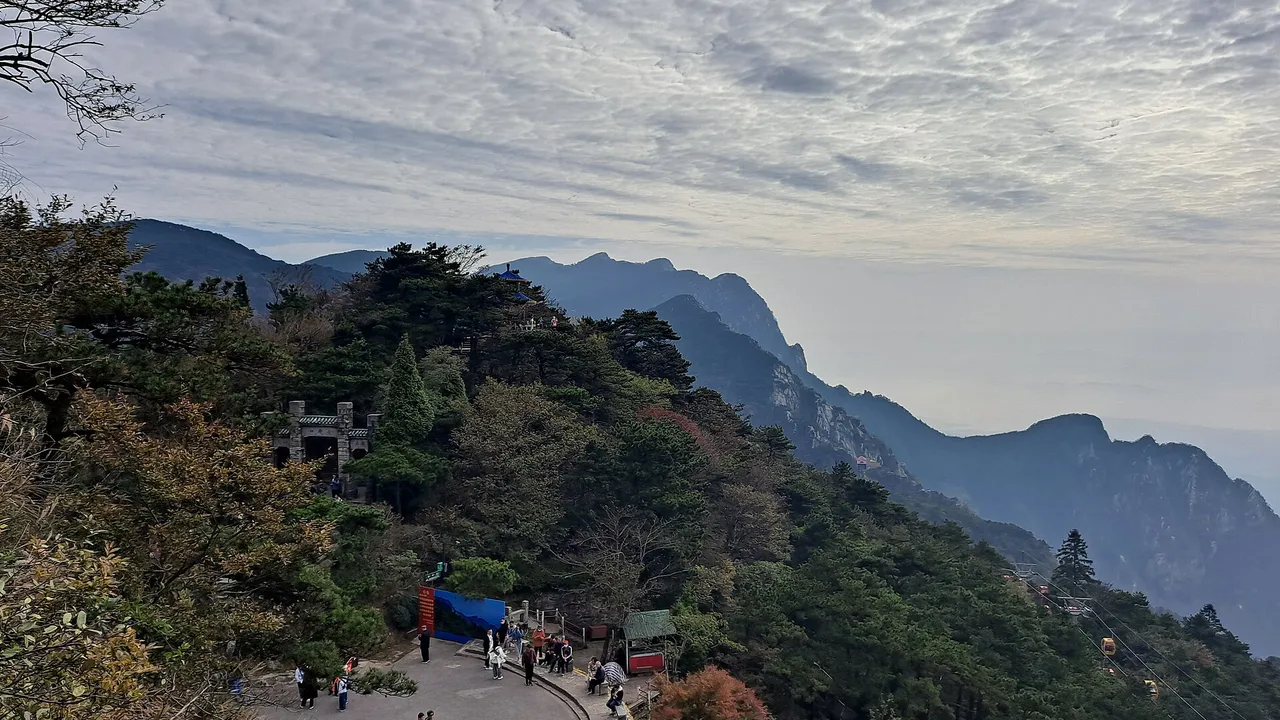
The Lushan Botanical Garden
The afternoon's buffer is the Lushan Botanical Garden, China's first proper botanical garden in the valley between Hanpokou and Wulaofeng, conifer and azalea sections plus greenhouses each a chapter, April-May azaleas flooding the valley.
Flat paths and dense benches repay the morning's three hours of stairs slowly, complete plant labels inviting a long seated look.
Sandiequan Waterfall
The last day saves the biggest water for the finale: Sandiequan dropping three tiers over more than 150 meters, the deck at the ravine floor beyond a thousand descending steps, fullest in the wet season and worth every one of the knees.
About three hours return with the cable car shaving the upper section; arrange the mountain departure straight after the gorge, the week's effort curve closing in waterfall sound.
The White Deer Grotto Academy
Descending from the Sandiequan side, stop at the White Deer Grotto Academy below Wulaofeng's southeastern flank, one of the four great academies rebuilt under Zhu Xi, stele corridor and axial halls stepping upward, Guandao Stream closing the week's soundtrack.
Give it ninety minutes; walking from a waterfall's roar to an academy's reading hum is Lushan's finest curtain call, with departure via Jiujiang Station keeping the line clean.
| Getting around |
|
| Budget | Entry RMB 160 plus bus RMB 80, extra-site tickets near RMB 200, two car days RMB 200-300 per head, six mid-range nights about RMB 1,800. |
| Best time | Year-round, peak summer best for the cool; across seven days one or two clear nights almost always pair sunrise with a cloud sea. |
FAQs
Should any nights move below the mountain?
No. Guling is the whole mountain's hub: seven nights there settle luggage once and put buses, meals and supplies at hand, with lowland days run as day trips by coach or car. The cost of moving lodgings far exceeds single-base living, and a town at a thousand meters is itself part of the itinerary.
What does seven days cost?
Entry plus bus near RMB 300, cableways and Sandiequan another two to three hundred, two car days five to six hundred, six mid-range nights at two to three hundred each, plus meals: two to three thousand per head travels comfortably, with lodging class and car sharing the main dials.
How should energy be rationed across seven days?
Separate the hard days: Jinxiu Valley, Wulaofeng and Sandiequan never run back to back, with museum, villa and town-stroll days between. Cap daily walking near ten thousand steps, bank an afternoon hotel hour, and remember Lushan rewards residence, not racing.
What deserves saving for last?
The Hanpokou sunrise and Sandiequan's water. Sunrise takes luck plus a pre-booked car, so pick a clear night and sleep early; the falls run fullest summer into autumn, best within three days of rain. If the finale turns wet, delay the descent half a day, since post-rain fog is the finest ending Lushan can stage.