
Five days is the honest floor for covering Nanning: downtown culture and landscape want two, Fantawild's ASEAN park earns a full one, the Damingshan line takes another, with slack at the end. The plan covers what a first visit should see, eat and buy, chasing not obscurity but no regrets.
The shape runs loose, tight, loose: two walkable downtown days, a theme-park day burning legs, a mountain day burning more, and a low-intensity close. Every evening carries a market or lakeside wind-down; after five days the city reads clearly.
Itinerary at a glance
| D1 10:00 | Sanjie Liangxiang: Cutting in Through the Old Town |
| D1 15:00 | The Regional Museum: Laying the Historical Base |
| D1 19:00 | Zhongshan Road Night Market: First Night to the Fire and Steam |
| D2 08:30 | Qingxiu Mountain: The Green City's Home Ground |
| D2 13:30 | Guangxi Museum of Nationalities: The Day's Second Half |
| D2 20:00 | Min'ge Lake: The Night That Sets the Tone |
| D3 09:30 | Fantawild ASEAN Fantasy: Ten Countries in One Day |
| D4 08:30 | Damingshan: The Hardest Fight of the Trip |
| D4 15:00 | Yiling Cave: Cooling Off Underground |
| D5 09:00 | Nanning Museum: The Closing Biography |
| D5 15:00 | Nanhu Park: One Last Walk |
| D5 19:30 | Nanning Night: The Farewell Table |
The route, stop by stop
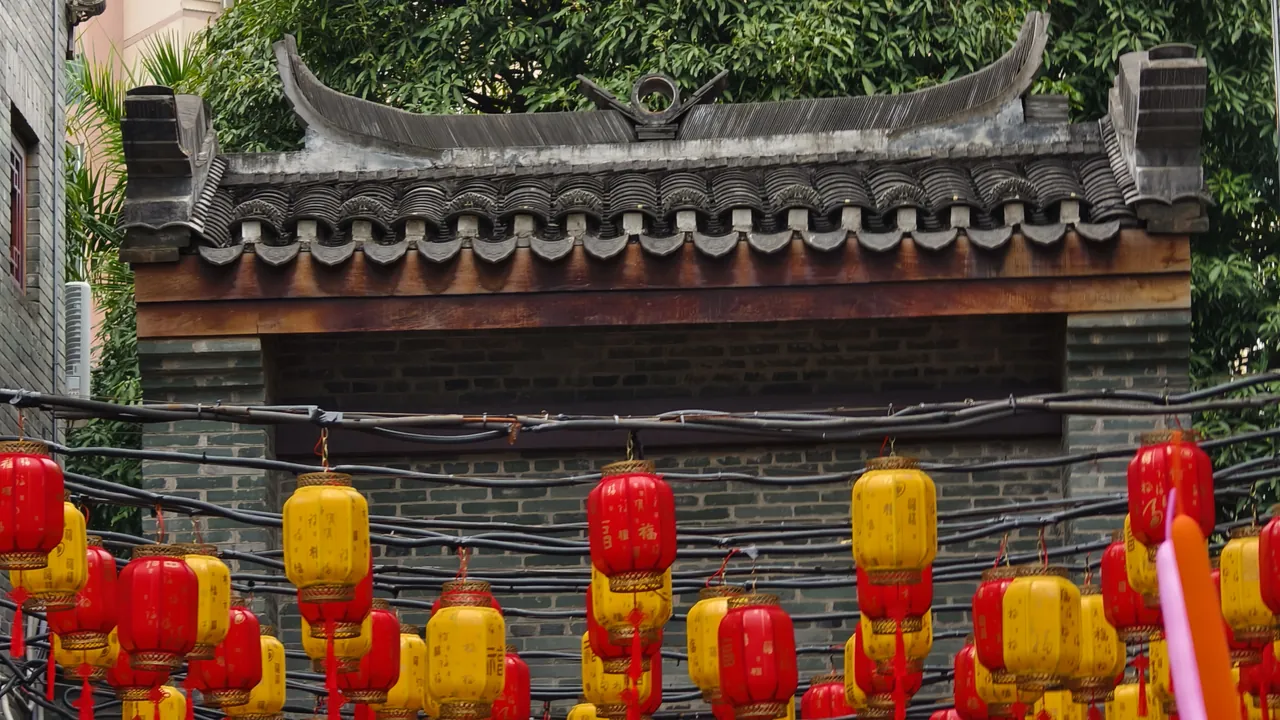
Sanjie Liangxiang: Cutting in Through the Old Town
Starting in the old town is right. The morning quarter runs thin with tourists, Jinshi Lane houses, the City God Temple and the silversmiths filling two honest hours, plus a bowl of sweet soup, building first impressions from grey brick and sugar.
The afternoon holds Minzu Square and the regional museum as options, returning for the lantern-hour quarter. Do not max out day one; jet lag, orientation and metro practice are all legitimate first-day work.
The Regional Museum: Laying the Historical Base
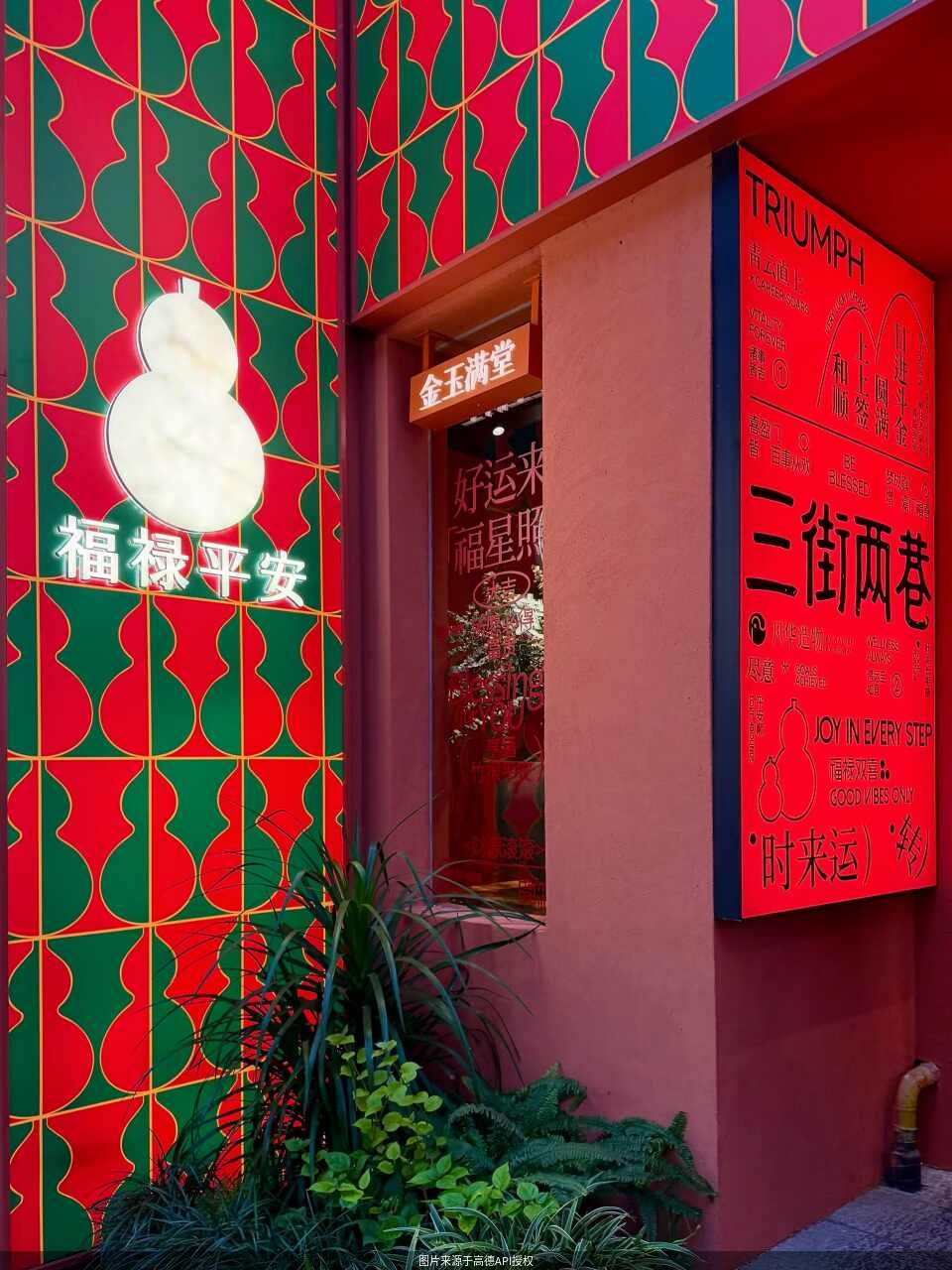
Finishing the regional museum on day one gives the whole trip its historical coordinates. The phoenix lamp, drum lineage and maritime relics compress to an hour, and the general-exhibition logic annotates every hill and people you will meet.
The ground-floor shop stocks solid brocade-pattern and drum-motif goods; start watching souvenirs but hold your wallet, the old town's shops deserve the comparison.
Zhongshan Road Night Market: First Night to the Fire and Steam
Night one's standard move is Zhongshan Road: rice rolls, oysters, pickles and laoyou noodles in queue order, but eat gently the first night and save half a stomach for huai pollen jelly. Crowds run thick, bags in front.
Afterward walk ten minutes along the river to digest and catch the old town's lights. Sleep early, tomorrow's mountain deserves a clear-headed morning.
Qingxiu Mountain: The Green City's Home Ground
Day two morning enters Qingxiu Mountain, the field textbook for the phrase Green City. Ride the shuttle to Longxiang Pagoda for the river view, drop to the orchid garden and rainforest quarter, and finish the core before noon.
The ethnology museum sits one hop away, a natural noon pairing. Do not overreach on the mountain; keep some legs for afternoon and evening.
Guangxi Museum of Nationalities: The Day's Second Half
The afternoon museum covers twelve resident peoples in one sweep of costume and artifacts, drum hall and outdoor tower grounds the priorities, cold galleries meeting the morning's sun in classic museum-day fashion.
Two hours suffice, one more for brocade and silver devotees. Exit toward downtown by dusk, with the two big malls convenient for dinner on the way back.
Min'ge Lake: The Night That Sets the Tone
Night two goes to Min'ge Lake. Cruise or promenade, either way, with bar-street volume kept just right, digesting two dense days. This is the trip's first slack node, with the two heaviest days ahead.
Pick any lakeside bar, order a local tea or beer, and skim tomorrow's park plan, relaxation and logistics in one chair.
Fantawild ASEAN Fantasy: Ten Countries in One Day
Day three belongs wholly to Fantawild ASEAN Fantasy. The park themes itself on the ten ASEAN nations, one pavilion each, retelling Southeast Asian landscapes and legends from Hoi An streets to an Angkor dome theater through ride technology.
The park is about triage: rush the headline rides, time the shows, watch queues live on the app. Not finishing everything is the norm; three or four major rides plus two shows make a complete day.
Damingshan: The Hardest Fight of the Trip
Day four runs north to Damingshan, the trip's biggest physical draw. The park bus coils upward, the Olive Grand Canyon and summit trails at the core, cloud seas a matter of luck. The summit runs seven or eight degrees below town, windproof jacket mandatory.
Descend by three, with Yiling Cave a convenient stop on the return. Keep tonight light, giving tomorrow's soreness somewhere to live.
Yiling Cave: Cooling Off Underground
Yiling Cave on the return is gravy: a constant eighteen degrees underground, perfect after the summit wind. Stalactites spread under the lights, the guide's fanciful names keeping the hour lively, the whole passage an easy walk.
The stop works as a buffer, the cave's gentle path giving climbing muscles a different kind of tired. Head straight back to town afterward and sleep early.
Nanning Museum: The Closing Biography
The last morning crosses the river to the Nanning Museum. After four days of hills and streets, the city's biography reads differently: the wharves and lanes in old photographs are now things you have stood in, every place name on the labels carrying body memory.
Two hours of galleries, lunch in Wuxiang or on the way back, and after that meal the five days formally enter farewell mode.
Nanhu Park: One Last Walk
Evening at Nanhu Park is the five-day terminus. Walk the loop as far as it goes, ranking the hills, museums, lakes and river of the past days in your head. Locals jog on as always, and ending your trip inside someone else's routine is the most graceful goodbye.
Dinner around the lake, then an unhurried ride to station or airport on your own clock. Five days without rushing, and Nanning fits just right.
Nanning Night: The Farewell Table
With a dawn flight, five days can still squeeze in one supper. The late stalls at Nanning Night roar on, backfilling missed pickles and sweet soup, a final taste-based goodbye to the city.
Across five days you walked grey-brick lanes, climbed the pagoda, chilled in a cave, chased macaques and cloud seas, touching both the city's frame and its fire. The jasmine tea in your suitcase will wake you some morning at home: the Green City deserves a return.
| Getting around |
|
| Budget | RMB 1200-2200 pp: entries total about RMB 300-450, one chartered day splits RMB 120-200, mid-range lodging and meals assumed. |
| Best time | October to April is kindest; dodge the May and October holiday crush, while the Sanyuesan season carries the most folk events. |
FAQs
Are five days too many for Nanning?
For travelers making Nanning the destination itself, five days fit: two downtown, one park, one mountain, one slack. If Nanning is a transit hub, compress to two downtown days plus Damingshan and hand the rest to Beihai or the Detian falls.
Does Fantawild deserve a full day?
For families and park fans, yes: the ASEAN theme is unique in China and show quality runs above average. For strict no-park travelers, swap in Longhu Mountain's macaques or a hot-spring day and shift budget to the nature line, keeping the five-day spine.
What is the safest way to run the Damingshan day?
Charter or self-drive out early, at the gate by half past eight, summit core in the morning, down by three with the cave en route. Two homework items: check weather and closures before leaving, and pack motion tablets for the coils. In rain, abort cleanly and take a museum day instead.
How should the budget run, and which day costs most?
The park day, springs and charter are the three big spends, about forty percent together. Controls: buy park tickets online ahead, split charters between two parties, and let the all-free museums pull the average down. Food flexes, night markets feed you well at thirty yuan a head, and the ceiling is set by lodging class.