
Seven days in Nanning is not indulgence but the time the city needs to show its layers: three for downtown culture and street life, two for hill and cave, one for old town and forest, one for herb-scented closure. Where the five-day plan covers, the seven-day one penetrates.
The pacing deliberately alternates: one demanding block per day, physical or informational, and every evening a slack session of market, lakeside or spring. Day seven carries no hard commitments; the botanical garden ends the trip with margin for any train or flight.
Itinerary at a glance
| D1 09:30 | Sanjie Liangxiang: Entering Through the Old Town |
| D1 19:00 | Zhongshan Road Night Market: Starting the Street-Food Thread |
| D2 09:00 | The Regional Museum: Prologue to a Seven-Day History |
| D2 14:00 | Nanning Museum: The Same City, Told Twice |
| D2 19:30 | Zhuang Brocade Museum Theme Restaurant: Dinner as a Lecture |
| D3 08:30 | Qingxiu Mountain: The Waterway Belvedere |
| D3 13:30 | Guangxi Museum of Nationalities: The Human Footnote Between Hills and Water |
| D3 20:00 | Min'ge Lake: The Halftime Whistle |
| D4 08:30 | Damingshan: The Week's High Point |
| D4 15:00 | Yiling Cave: The Karst Buffer |
| D5 09:00 | Longhu Mountain: Half a Day Among the Macaques |
| D5 20:00 | Nanning Night: The Comparison Sample |
| D6 09:00 | Yangmei Old Town: Old Hours by the Zuo River |
| D6 15:30 | Liangfengjiang National Forest Park: The Green Cadence |
| D7 09:30 | Guangxi Medicinal Botanical Garden: The Herbal Curtain Call |
The route, stop by stop
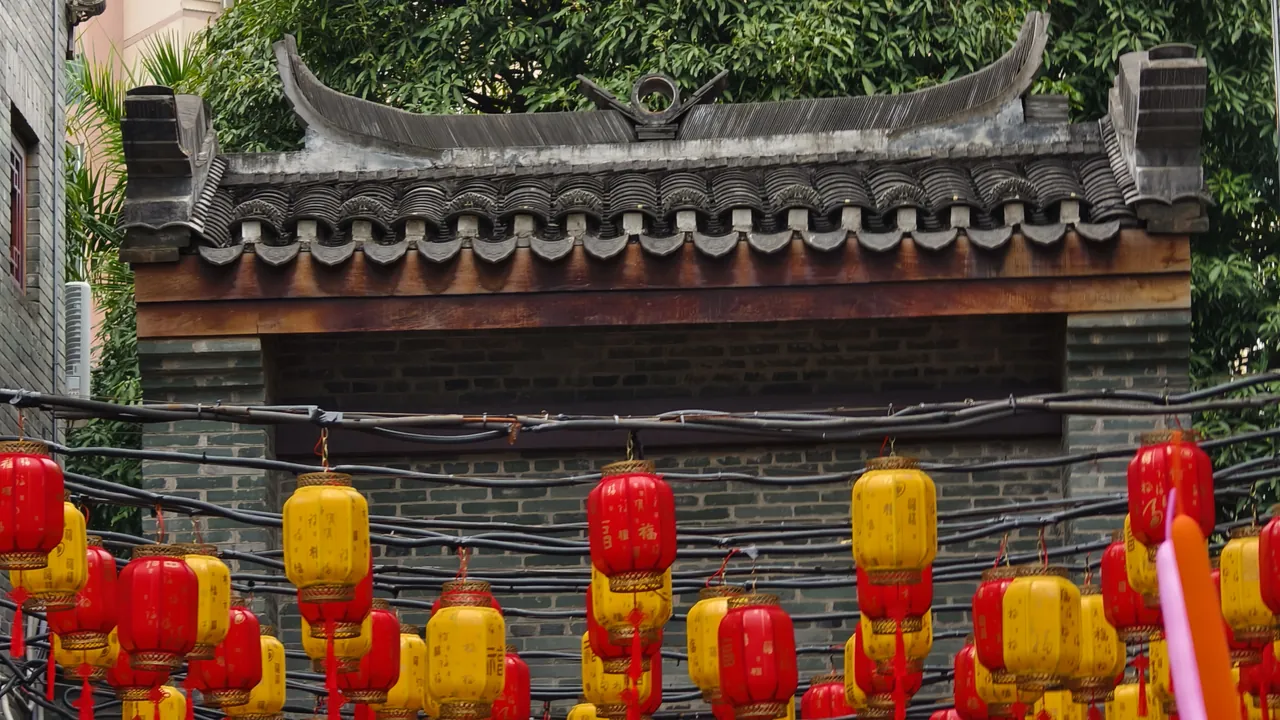
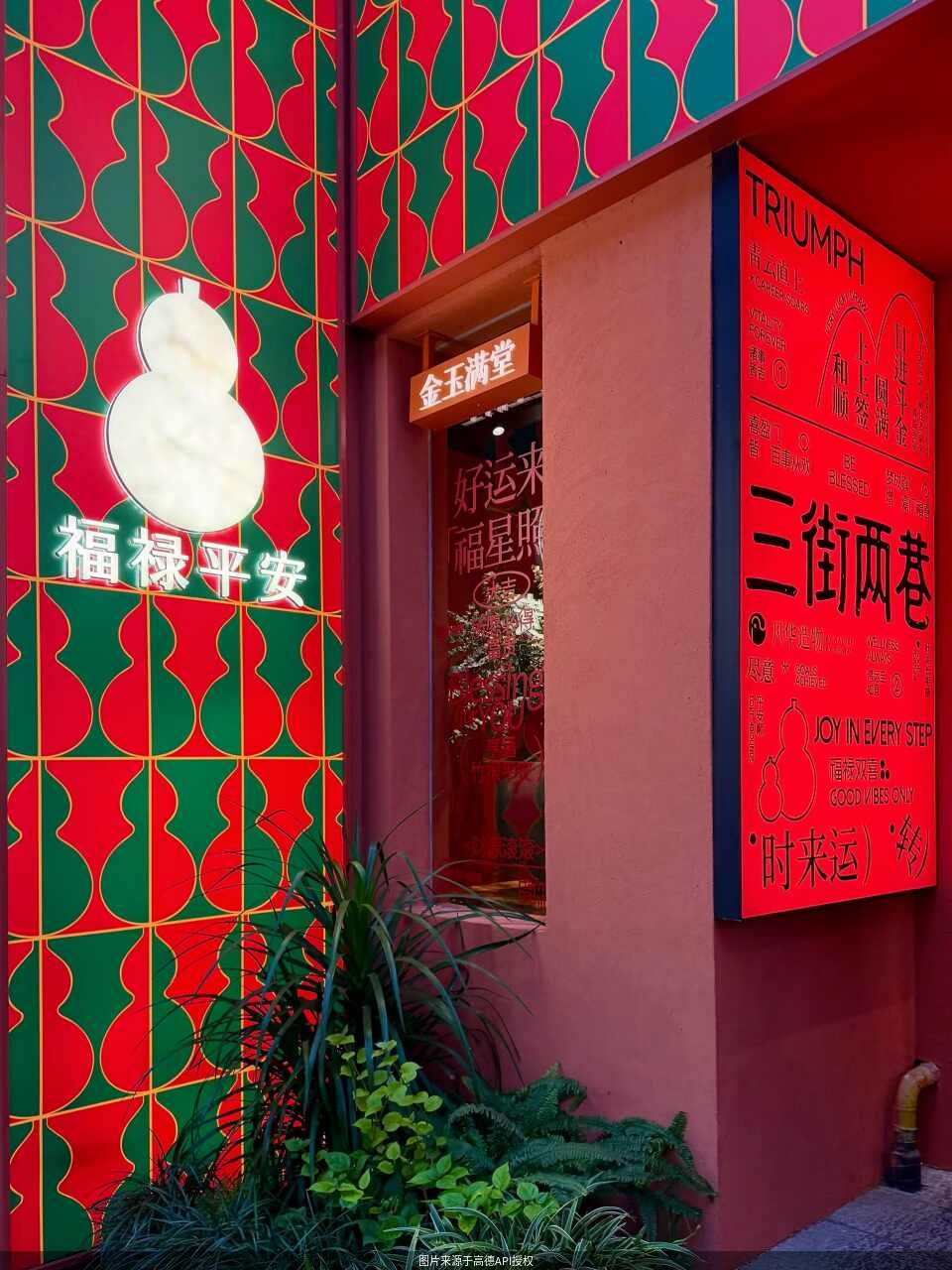
Sanjie Liangxiang: Entering Through the Old Town
Seven days open with the old town. Spend the morning on the Jinshi Lane houses, the City God Temple and the silversmiths, the lintels, brick seams and hammer taps forming the city's first self-account.
Keep the afternoon soft, browsing every sweet-soup shop and design store in the quarter and picking up a downtown map at the visitor center. Day one's goal is orientation, so travel light.
Zhongshan Road Night Market: Starting the Street-Food Thread
Night one at Zhongshan Road opens a seven-supper thread. Walk the whole street before buying, noting one stall each for rice rolls, oysters, snails and pickles, but eat only two tonight, leaving the rest for verification across the week.
The seven-day format spares your stomach: the same dish can be re-tested tomorrow for price and flavor. Walk ten minutes along the river after, sleep early, museums start tomorrow.
The Regional Museum: Prologue to a Seven-Day History
Day two turns scholarly. The regional museum's general exhibition runs from pre-Qin to Qing, the phoenix lamp and drum sequence compulsory, since whatever hills, caves or towns follow, you will be reading footnotes to this main text.
Two hours for the main galleries, specials as energy allows; lunch on Minzu Avenue, then across the river for the afternoon.
Nanning Museum: The Same City, Told Twice
Cross the river after lunch to the Nanning Museum in Wuxiang. Against the morning's grand chronicle, this venue tells only Nanning, founding, treaty-port days and the modern city, two museums reading one story twice, once panoramic, once personal.
The modern galleries' wharf and arcade photographs preview tomorrow's old-town walk. Afterward stroll the riverside greenway, the Wuxiang skyline standing as the new-city specimen.
Zhuang Brocade Museum Theme Restaurant: Dinner as a Lecture
Museum-day dinner lands at the brocade theme restaurant, the day's vitrine patterns and instruments now covering the walls, lemon duck and five-color sticky rice offsetting gallery fatigue with sour heat and sticky perfume.
Treat the night as the culture block's final exam: try naming where you met each object on the wall. Failing is fine, tomorrow the syllabus turns to hills and water.
Qingxiu Mountain: The Waterway Belvedere
Day three morning climbs Qingxiu Mountain, carrying double duty in the seven-day plan: urban lung and command post over the Yongjiang, the pagoda view mapping the river's course so the water-borne days ahead all have bearings.
Take two of the orchid garden, great lawn and Guanyin temple by interest, shuttle between them, and be down before noon; the ethnology museum anchors the afternoon.
Guangxi Museum of Nationalities: The Human Footnote Between Hills and Water
The afternoon belongs to the ethnology museum. Where the first two museums told time, this one tells peoples: twelve resident groups in costume, brocade, drums and architecture, answering who has lived among these hills and waters.
Prioritize the pile-dwelling and rice-culture halls, echoing the river and fields seen from the morning summit, and reach the full-scale bridge and tower on the grounds.
Min'ge Lake: The Halftime Whistle
Night three sits at Min'ge Lake. The culture block closes here, so relax by cruise or lakeside bar and re-rank three days of museums, hills and water: what deserves a second pass, what ends here.
The second half of the week is all outdoors, making tonight the last city night. Party or sleep early as you please, the mountain wants a half-past-six alarm.
Damingshan: The Week's High Point
Day four runs north to Damingshan, the week's summit in both altitude and effort. The park bus coils up past the Olive Grand Canyon, Heavenly Writing meadow and Eagle Peak, and after rain clears, cloud seas flood up from the valley, central Guangxi's most famous stage for them.
Summit trails loop, the core circle about three hours. Be down by three, sleep in town tonight, and bank driving time for tomorrow's western run.
Yiling Cave: The Karst Buffer
Drop into Yiling Cave on the way down, an easy detour: eighteen degrees inside, stalactites under the lights, one gentle hour that gives climbing legs a different fatigue and completes the Wuming line.
Head straight back to town after, and schedule nothing tonight, a foot soak, a massage or plain early sleep, with an hour and a half of driving west tomorrow.
Longhu Mountain: Half a Day Among the Macaques
Day five goes west to Long'an, where Longhu Mountain's four thousand macaques are Guangxi's most famous animal residents. Walk in along the stream while troops cross rails and branches, feeding only by the park's rules, eyes gentle and food hidden.
Vines and the riverside boardwalk make a two-hour circuit, returning around two. Tonight, back in town, shake the western dust off at the Nanning Night quarter.
Nanning Night: The Comparison Sample
Night five books Nanning Night as a control against night one's Zhongshan Road: one street's self-grown market chaos, one quarter's curated operations. Both grill skewers and ladle sweet soup with loyalists, and your verdict becomes the trip's private footnote.
After mountain and highway, keep sitting over strolling tonight. Catch one performance by the posted schedule and close the western chapter.
Yangmei Old Town: Old Hours by the Zuo River
Day six heads southwest to Yangmei, the week's oldest stop: a Song-era market grown into Ming-Qing streets, flagstones and riverside houses standing in whole blocks. Morning light flatters the old lintels, with the Kuixing Tower and wharf steps as required calls.
Lunch on riverside preserved-greens pork, then buy sha gao cake and fermented beans. The town rewards slowness, the one place all week that asks you to do nothing at all.
Liangfengjiang National Forest Park: The Green Cadence
Liangfengjiang National Forest Park sits conveniently on the return, spending a little of tomorrow's nature budget early. The river wraps the woods, trails run level, and the bodhi groves wear dense botanical tags, a forestry-research park where even the air seems diligent.
One hour of forest path suffices, no need to push deep. Exit by dusk, soak your feet tonight, tomorrow being the final day with a single light block planned.
Guangxi Medicinal Botanical Garden: The Herbal Curtain Call
The last morning goes to the medicinal botanical garden, billed as the world's largest of its kind, thousands of medicinal species planted by category, with the Zhuang and Yao medicine plots the unmissable specialty.
Two hours by foot plus park vehicle, identifying, smelling, photographing as you please. Wrap by noon, leaving the afternoon for packing and departure, the seven days closing clean.
| Getting around |
|
| Budget | RMB 2000-3500 pp: entries total about RMB 400-600, two chartered days split RMB 250-400, seven mid-range nights assumed. |
| Best time | October to April holds steadiest overall; folk life peaks around Sanyuesan, while summers demand shade at noon and caution on storm-prone mountain roads. |
FAQs
Are seven days still short? Should Detian Falls be added?
The plan consciously leaves Detian Falls for a next trip or a Beihai direction: over three hours each way, so the outing swallows a day and a half. If Detian is non-negotiable, cut the spring and botanical days and run an overnight Detian loop instead.
How do I run the two charters most cheaply?
Charter one day each, four sharers being the cheapest per head, with licensed fleets and quotes covering tolls and driver meals. For a pair, a northern day tour plus a pooled western car usually undercuts full charter by twenty to thirty percent.
Which days flex most for weather?
Day six flexes most, Yangmei and the forest park taking rain with grace, and the Min'ge cruise can slide anytime. Damingshan day is the rigid one: on storms or road closures swap to museums cleanly, never gamble on the summit.
How do I lighten this route for seniors?
Three cuts: ride the Damingshan shuttle without the summit, keep Longhu to the flat streamside stretch, and halve Yangmei. Museums run seats and elevators, cap daily walking near eight thousand steps, and seniors may skip the spring evening entirely for rest.