
Qingdao's culture runs on two hidden threads: one from Neolithic Jiaodong down to the modern port's opening, the other those stellar years of modern literature when Lao She wrote Camel Xiangzi on Huangxian Road. This day walks a stretch of each, free or cheap throughout, the city's most underrated entry.
Closing days are the day's only enemy: most venues shut Mondays, some pause at midday. Verify opening hours before setting out and follow the geography, city museum to art museum to Lao She to Tianhou Temple, without backtracking.
Itinerary at a glance
| 09:00 | Qingdao Museum: A General History of Jiaodong |
| 13:30 | Qingdao Art Museum: Three Courtyards in Old Buildings |
| 15:30 | Lao She's Residence and the Camel Xiangzi Museum: The Room Behind a Manuscript |
| 17:00 | Tianhou Temple: The Last Lesson in Sea-God Faith and Folk Custom |
The route, stop by stop
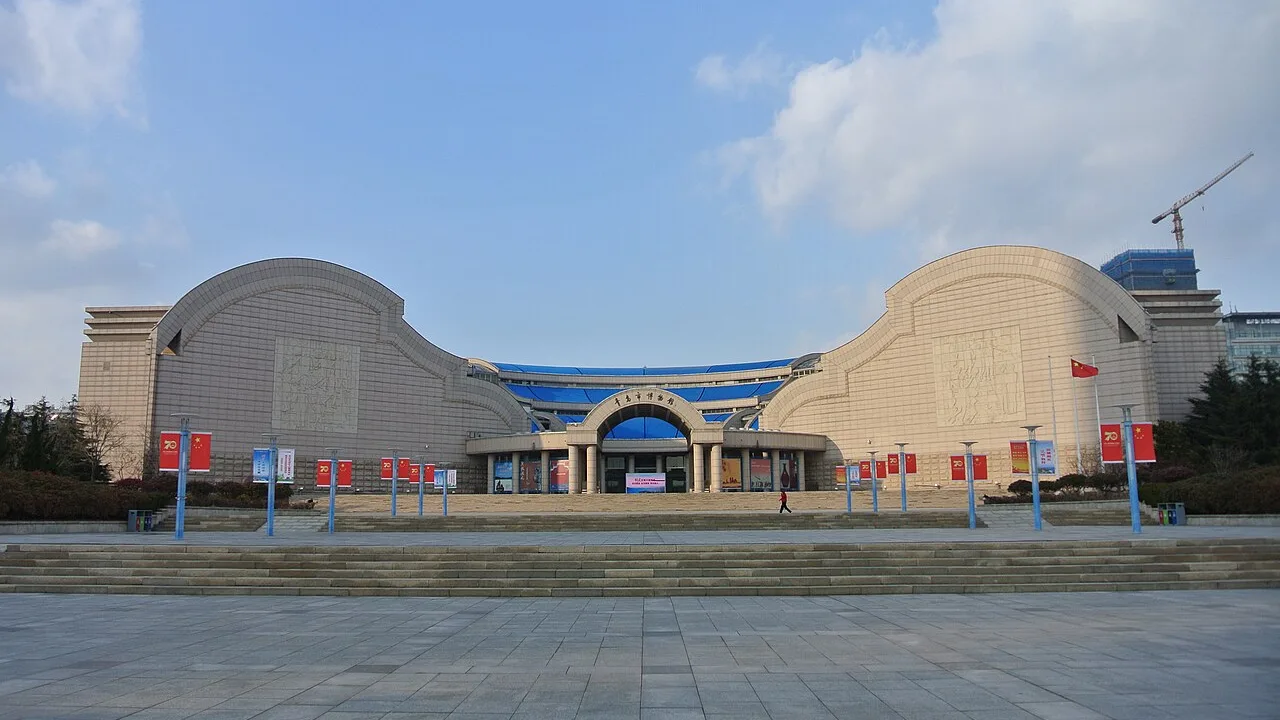
Qingdao Museum: A General History of Jiaodong
Enter at opening. The permanent exhibition starts in Neolithic Jiaodong, laying out Qi-state knife money and bronzes, Han wooden figurines, Tang and Song ceramics down to the modern port's opening. Two Northern Wei stone Buddhas stand in the lobby, their drapery lines still fluid after fifteen centuries, the backdrop of many local childhood photos.
Two hours if brisk, half a day if thorough. The modern-Qingdao gallery echoes the old town's streets, so seeing the exhibits first doubles the afternoon's comprehension.
Qingdao Art Museum: Three Courtyards in Old Buildings
The afternoon museum is itself the exhibit: three building groups of the former Red Swastika Society compound, Roman colonnades, a Chinese pavilion and an Arab-style dome sharing one courtyard, the old town's most wondrous architectural collage. Galleries rotate calligraphy-painting and contemporary shows, while the courtyards justify the visit alone.
Lunch afterward around Daxue Road, whose north end opens at the museum gate, the yellow-wall corner and cafes all within walking range.
Lao She's Residence and the Camel Xiangzi Museum: The Room Behind a Manuscript
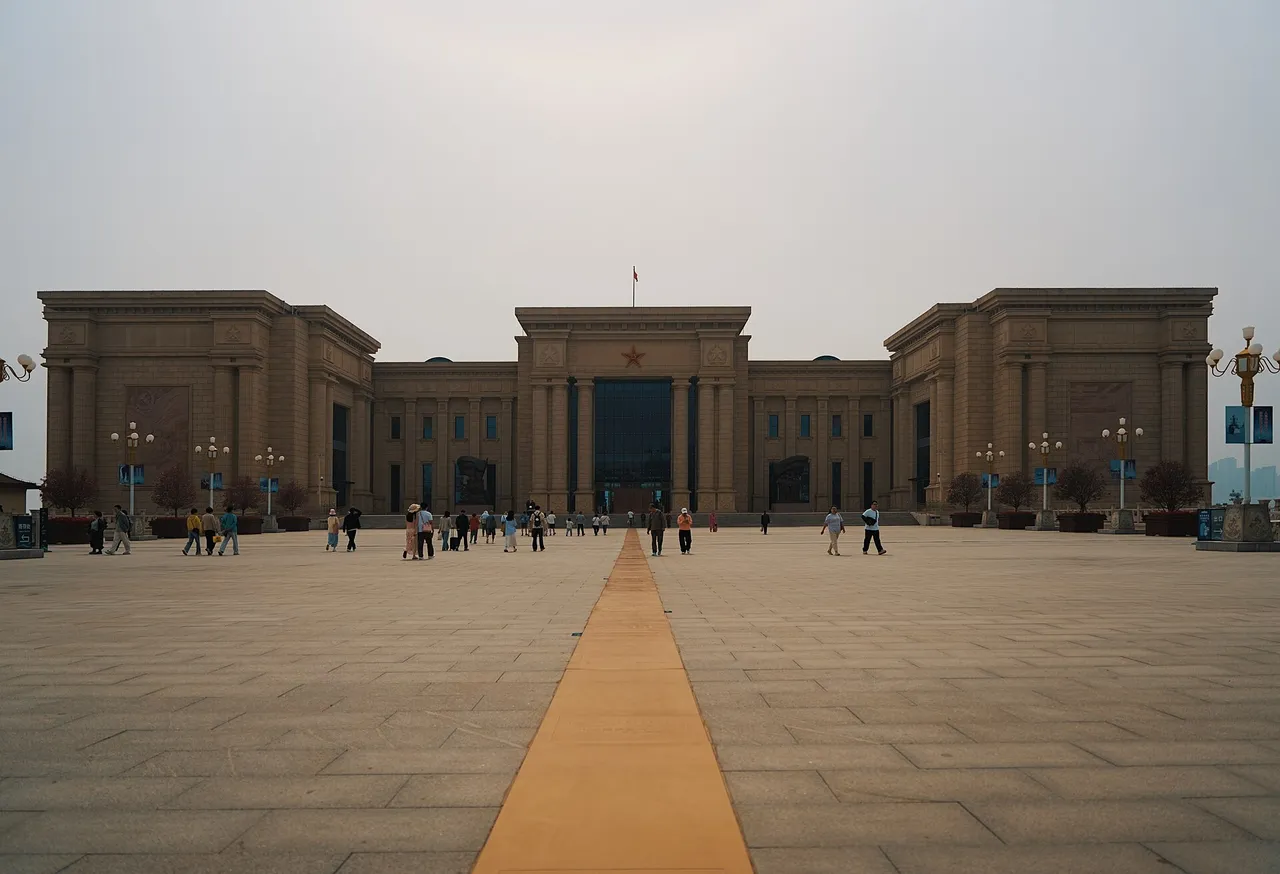
Lao She's former residence on Huangxian Road is the rented house of 1936 where Camel Xiangzi was written. The museum shows manuscript reproductions, period furniture and a restored writing environment, the courtyard statue and old tree giving literary history sudden warmth. Free, compact, forty minutes ideal.
Walk a stretch of Huangxian Road afterward, a quiet street keeping the old town's living fabric, afternoon light leaking through plane leaves, the culture day's loosest twenty minutes.
Tianhou Temple: The Last Lesson in Sea-God Faith and Folk Custom
Return to the shore by early evening: the Qingdao folk museum lives inside Tianhou Temple, a Mazu shrine founded in the Ming and among the old town's oldest buildings. The sea-god faith galleries inside explain this city's bond with the sea, and folk performances of Maoqiang or Liuqiang opera occasionally play the courtyard stage.
Catching an evening folk-opera show is the day's bonus; if none runs, dine around the temple and Plain Road, closing with peanuts and draft beer.
| Getting around |
|
| Budget | All venues free or cheap; the day runs about RMB 60-150 pp with meals and transport. |
| Best time | Year-round in climate-controlled halls; many venues close Mondays, so dodge or shift the day. |
FAQs
Are all these venues free, and which need booking?
The city museum needs online real-name booking; the art museum and Lao She residence are free and relatively open, Tianhou free. Book wherever booking exists, since on-site lanes can close in season at no cost to reserve.
Visiting on Monday with museums closed, what then?
Swap in the old-town architecture line: cathedral, Governor's Mansion, Signal Hill and Badaguan ignore closing days. Or reorder the trip so culture day falls on a non-Monday, booking the city museum a day ahead.
Is Lao She's residence worth it if literature is not my thing?
Worth it, compressed to twenty minutes: what you see is a 1930s sample of Qingdao's intellectual life and the real scale of old-town courtyards, not literature per se. The street itself is the payoff; the residence merely gives you a reason to walk in.
How do I check the folk-opera schedule at Tianhou Temple?
Shows run irregularly; the two reliable channels are the stage-side notice on entry and local culture-and-tourism accounts listing schedules. Never treat the opera as mandatory, a bonus when it plays, no loss when it does not.