
Shantou's history is a history of leaving: opened as a treaty port in 1860, within a century millions of Chaoshan people sailed for Southeast Asia from this harbor, sending back letters and remittances known as qiaopi. The day reads both directions: morning at the treaty-port gallery and the letters museum for those who left, afternoon at the city museum for those who stayed, evening across to Haojiang for the Kangxi-era walled town of Dahao, closing on a pot of fish balls.
The rhythm alternates indoors and out: the two morning museums connect on foot, the museum hides the midday sun, and dusk crosses to Haojiang for the real thing. The exhibitions are solidly built; unhurried visitors should give each gallery a full ninety minutes.
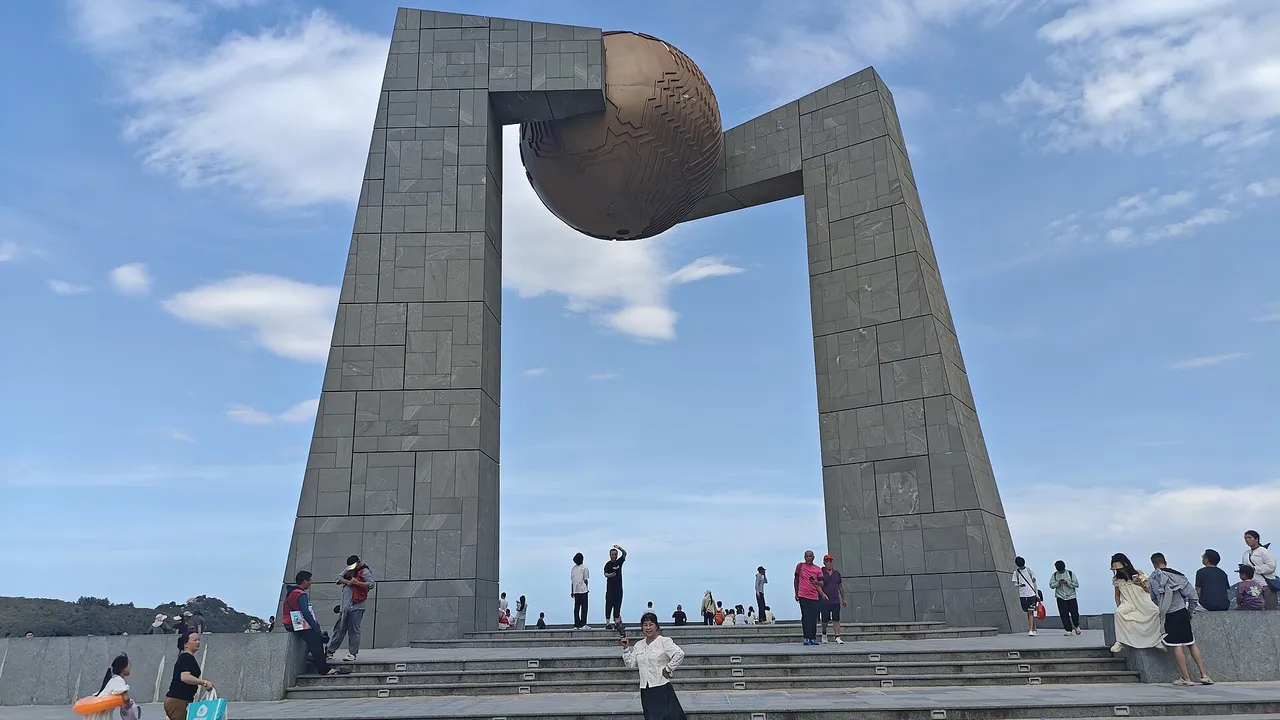
Itinerary at a glance
| 09:00 | The Treaty-Port Exhibition Hall: Opening in 1860 |
| 10:30 | The Qiaopi Letters Museum: The Weight of One Envelope |
| 14:00 | Shantou Museum: A Regional History to Dodge the Noon |
| 16:30 | Dahao Walled Town and Fish Balls: Evening in Haojiang |
The route, stop by stop
The Treaty-Port Exhibition Hall: Opening in 1860
Housed in a heritage building of the old quarter, the exhibition starts with the 1860 opening: how foreign firms, customs houses, churches and newspapers landed on this port, and how modern Shantou's finance, shipping and commerce networks spread. Old photographs and recreated scenes make the phrase century of commerce concrete.
The trick is walking with the maps: memorize the old street plans in the cases, then match them on the ground after leaving, and names from the gallery revive one street corner at a time. Mornings are thin, right for slow reading.
The Qiaopi Letters Museum: The Weight of One Envelope
A qiaopi is an emigrant's letter and remittance slip in one, and one envelope carried two lives: rubber estates, tin mines and shops in Southeast Asia on one end, rice fields, ancestral houses and school fees at home on the other. The museum holds over a hundred thousand original letters and archives, tracing remittance-house networks, courier routes and the full journey from Nanyang to a Chaoshan village.
The power is in details: the handwriting, the sums, the postscripts, some remitting with only the word household, others filling a page with instructions to mother. Read one letter closely and the region's ancestral halls, schools and arcades all start explaining themselves.
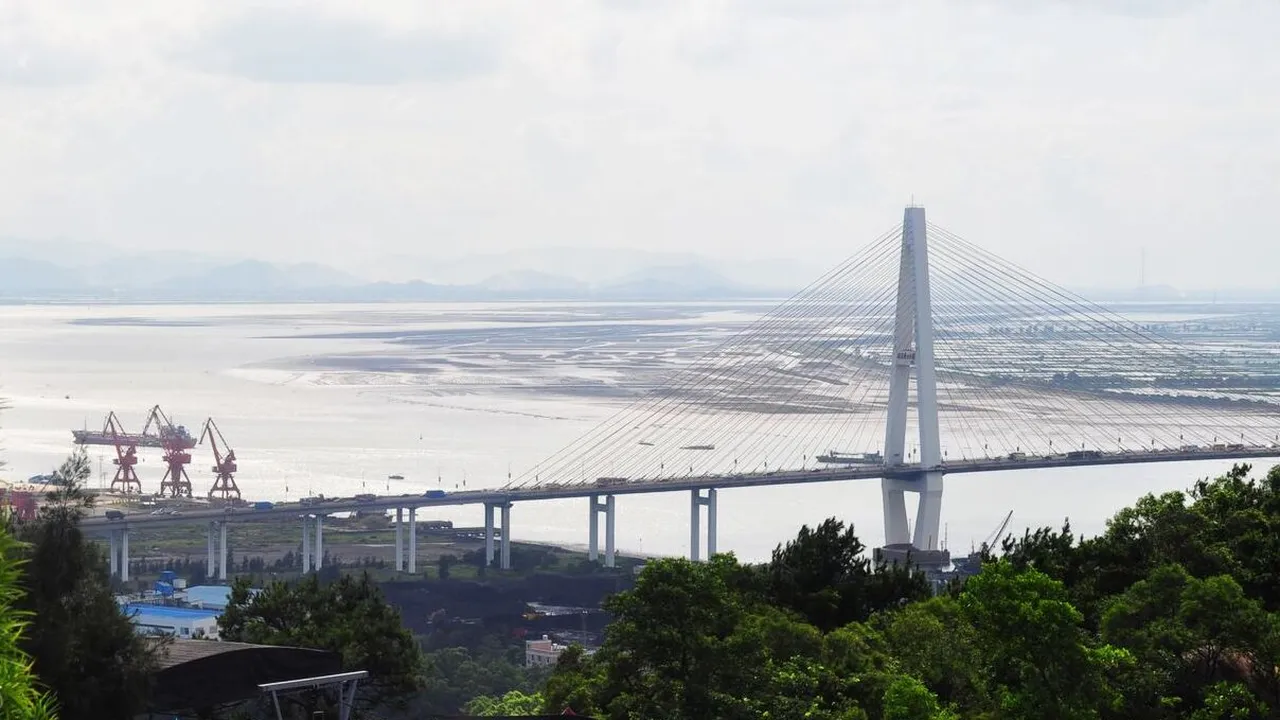
Shantou Museum: A Regional History to Dodge the Noon
Give the midday sun to the museum. Collections run from the Neolithic to the treaty-port era, with steady depth in Chaoshan ceramics, woodcarving, inlaid porcelain and painting; the modern-history room annotates the morning's treaty-port hall, events in the morning, evidence in the afternoon.
Three floors deserve focus: carving members and shrines in the woodcarving room, export porcelain in the ceramics room, and the modern city model, ten minutes before which makes the town's growth logic plain and doubles the efficiency of any later street walk.
Dahao Walled Town and Fish Balls: Evening in Haojiang
Half an hour by taxi reaches the walled town of Dahao in Haojiang. Founded in the Kangxi era, the town is astonishingly small: the walls enclose a few city blocks, ranked among China's tiniest walled towns, two circuits in half an hour. Lanes and temples still serve daily life, residents passing through at dusk, draft cool in the gate arches.
Dahao is fish-ball country: hand-beaten balls so springy they bounce on the table, served in seaweed broth or over rice noodles. Settle dinner at the old shops by the gate, walk the wall root to digest, and the ride home catches the coastal road just as the lights come on.
| Getting around |
|
| Budget | Galleries are mostly free; the walled town and meals total RMB 100-150, about RMB 150 pp for the day. |
| Best time | Year-round in climate-controlled halls; several galleries close Mondays, so check before setting the day. |
FAQs
Do the galleries need booking, or can I walk in?
The treaty-port and letters museums are free with on-site registration, though online booking locks a slot in peak times; the city museum likewise registers at the door. The only real advance task is checking closure days, most galleries closing Mondays, so keep the day off Mondays.
What if I cannot read the Chaoshan script at the letters museum?
Exhibits carry bilingual Chinese and English captions, with transcriptions and context beside the originals, so the dialect is no barrier. For depth, rent or book a guide, who will read a few storied letters line by line, an entirely different experience.
Is such a tiny walled town worth the dedicated trip?
Yes, if you treat it as an evening stroll plus dinner rather than a sight: half an hour on the walls, the real point the layering of town scale and daily life, plus a pot of hand-beaten fish balls, which repays the fare. The wall-indifferent can cut it and return the time to the museum.
Does the culture day suit teenagers?
Yes, because the narrative pulls: treaty-port history, the Nanyang exodus and the letters all carry plot, easier to inhabit than pure artifact displays. The tactic is slow mornings at two galleries, a themed room at the museum after lunch, and Dahao as the relaxed close, total driving under an hour.