
Shantou's shopping list is distinctive: beef balls, shacha sauce, zongzi, braised meats and gongfu tea ware, all pointing at edible gifts. The day runs in three movements: gather heritage brands in the treaty-port quarter in the morning, see modern Shantou in the Changping Road malls after lunch, pick creative goods back in the old quarter by evening, then eat and buy through the Longyan South Road night market.
Three budget rules: for foods demand vacuum packing and fresh dates, choosing established beef-ball houses that ship frozen; taste shacha sauce and braises before buying; judge creative goods and tea ware by craft, not packaging. The market tempts hardest, so write a spending ceiling into your phone notes before entering.
Itinerary at a glance
| 09:30 | Heritage Houses of Xiaogongyuan: The Gifts That Travel |
| 13:30 | The Changping Road Belt: Modern Shantou's Shopwindows |
| 16:00 | Old-Quarter Creative Shops and Tea Ware: Craft First |
| 19:00 | Longyan South Road Night Market: The Eat-and-Buy Finale |
The route, stop by stop
Heritage Houses of Xiaogongyuan: The Gifts That Travel
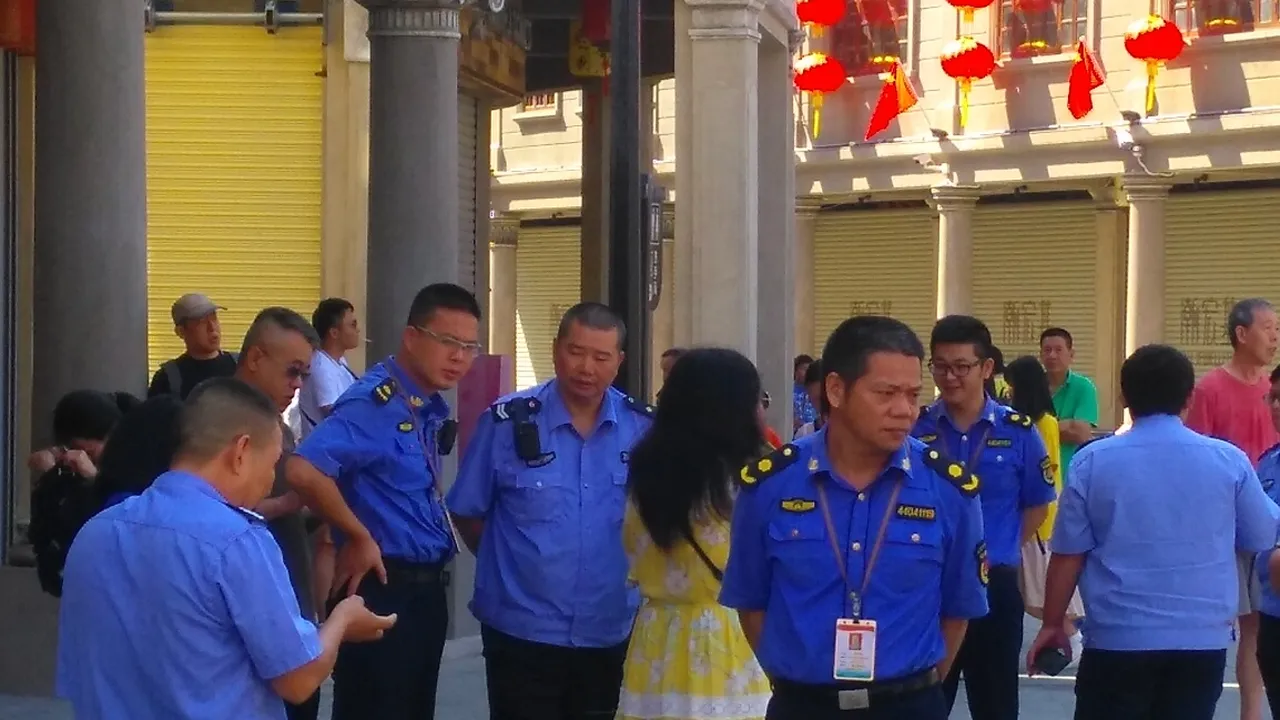
Morning is for business in the quarter: heritage zongzi, rice sausage and pastry shops fresh from the ovens, vacuum-packed gift shelves at their fullest. Four essentials: frozen beef balls from established houses that ship cold-chain, shacha sauce (sniff and taste, deep brown never black), two-flavor zongzi gift boxes split sweet and savory, and preserved citrus confections.
Old shops under the arcades undercut scenic-area stalls, but still compare three before buying. For every food ask three things: shelf life, vacuum packing, and flight restrictions, then pay; asking beats repairing.
The Changping Road Belt: Modern Shantou's Shopwindows
Give the afternoon to the mall cluster along Changping and Jinsha Roads, where large complexes bunch and the food floors and supermarkets draw the heaviest local traffic. Cosmetics, fashion and electronics price at domestic and online parity, with authenticity and on-the-spot inspection as the real advantages; departing travelers should carry passports to ask about refunds.
The malls earn their stop beyond shopping: top-floor dining makes a proper tea break, and the local-brands section of the supermarket is a backup plan for finishing gift shopping without the old quarter. Two hours suffice; save legs for the night market.
Old-Quarter Creative Shops and Tea Ware: Craft First
Return to the old quarter for the inedible Chaoshan: qiaopi-themed postcards and totes, arcade illustration prints, gongfu tea ware and dancong tea. Judge tea ware by hand feel and pour; small red-clay pots and white porcelain lidded bowls are the local table's standard, from hundred-yuan basics to thousand-yuan pieces.
The easiest impulse buy is glossy packaged tea, so hold the rule: the fancier the box, the more caution owed, since good tea is drunk, not boxed. Ask the shop to brew on the spot and pay only when aroma reaches the water, the通行 custom of Chaoshan tea counters.
Longyan South Road Night Market: The Eat-and-Buy Finale
Give the shopping day's last slot to Longyan South Road, where the real trade is eating: oyster omelettes, horseshoe cakes, grilled oysters and licorice fruit lining the street, interspersed with stalls selling slippers, socks, small appliances and trinkets, full market energy.
The gift logic here is visible goods: fresh pastries and preserves can be inspected face to face, more reassuring than ordering online. Note that stalls turn over quickly, so keep valuables out of the plan; two hours of eating and browsing dissolves a shopping day's fatigue in wok smoke.
| Getting around |
|
| Budget | Gifts can be covered within RMB 100-300; mall and market spending flexes, RMB 300-500 for the day. |
| Best time | Any season; weekends fill the malls and stock the market fullest, while weekdays suit unhurried heritage browsing. |
FAQs
How do I store and cook beef balls at home?
At minus eighteen degrees frozen they keep three months, though home freezers should not exceed one. Cooking is simple: after boiling, drop to medium-low for eight to ten minutes, done when they float, dipped in shacha or dropped into soup. Avoid refreeze-thaw cycles, which clearly cost flavor, and size big packs to real appetite.
Which shacha sauce is good, and how do I judge it?
Local heritage brands are all dependable; judge by three signs, deep brown never black, a shrimp-garlic aroma without sharpness, and a savory-sweet entry that never cloying. Big jars beat travel sizes on value but need refrigeration and quick use; tasting before buying is the custom and vendors rarely refuse.
How do mall prices compare with heritage shops, and where is best value?
Counter goods in malls usually run ten to twenty percent higher, trading on comfort and after-sales; heritage flagship shops are cheapest but queue, their vacuum-pack sections matching shopfront prices. The optimal mix: food from heritage houses, goods and gift packaging from malls, souvenirs from creative shops.
Is night-market merchandise reliable?
For food, read turnover and open counters, busy stalls cycling stock fastest; goods run cheap with uneven quality, so expect little from ten-yuan slippers. The rule: night markets for eat-now, discard-soon items, proper gifts from heritage shops and malls, each in its specialty.