
To read Shenyang the city itself, three days suffice. Day one's Zhongjie carries four centuries of commerce with errenzhuan at night as the northeastern character on stage; day two's Tiexi tells the Republic's industrial inheritance while Xita and the Xingshun market tell migrant and street-level eating; day three's MixC reads new Shenyang's income statement, bathhouse culture serves as the city's social parlor, and the North Market's lights close it.
The trick is treating night as the main text: theatres, night markets and bathhouses all perform after dark. Slow the days, no rushing the museums and malls, and bank legs for the evenings. The Xingshun market is seasonal; in winter, swap that slot for baths plus a show.
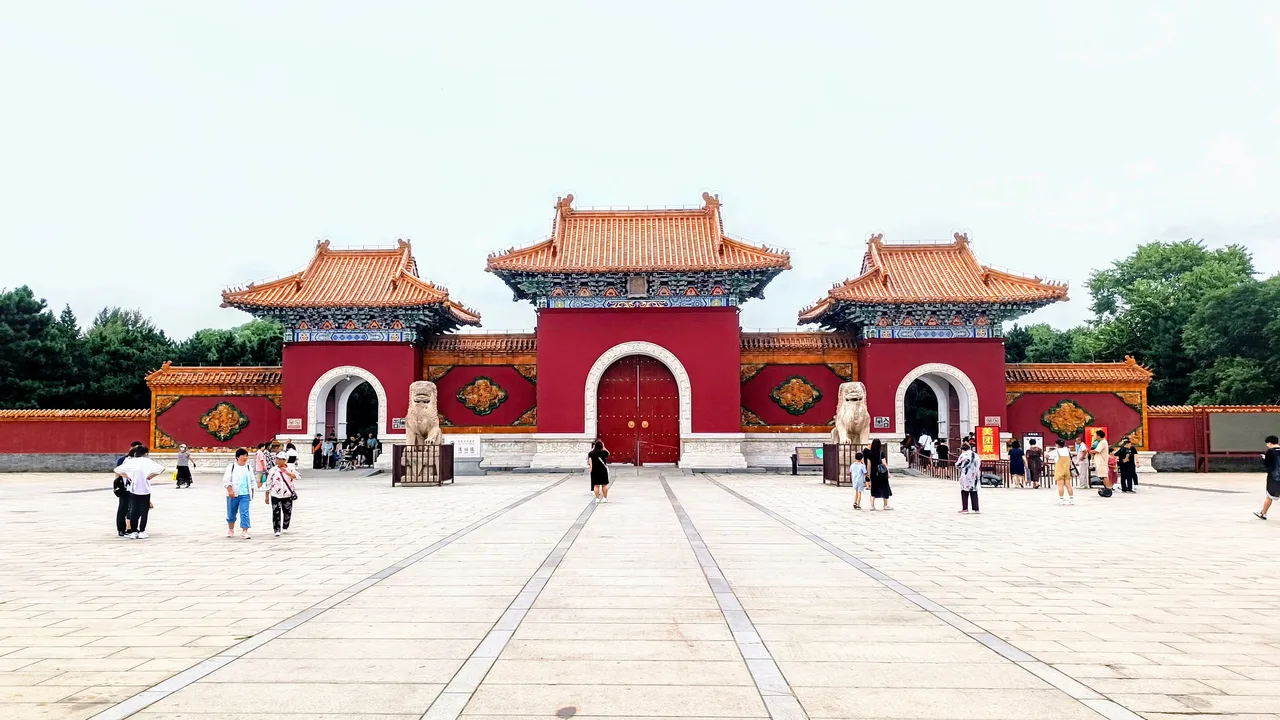
Itinerary at a glance
| 10:00 | Zhongjie: Opening a Four-Century Street Properly |
| 19:00 | Liu Laogen Grand Stage: The Northeast on Stage |
| 09:00 | China Industry Museum: The Republic's Equipment Inheritance |
| 14:00 | Xita Street: The Korean-Chinese Quarter's Afternoon |
| 18:30 | Xingshun International Night Market: Tiexi's Late-Night Canteen |
| 08:30 | Beiling Park: A Morning Green for the City Day |
| 10:00 | Shenyang MixC: The Shopwindow of New Shenyang |
| 14:00 | Shenyang Bathhouse Culture: The Right Way into the City's Social Parlor |
| 18:30 | The Old North Market: A Lamplit Close to Three Urban Days |
The route, stop by stop
Zhongjie: Opening a Four-Century Street Properly
Open the city days on Zhongjie. The morning runs the strip: the old Jishun facade, time-honored pastry counters and new retail interleaved, an hour end to end; the street's value lies not in buying but in watching how a street survives four centuries.
Lunch on the spot, Laobian dumplings or a chicken frame with noodles both correct. If the palace and mansion fill your afternoon, return for the lamps by evening; on a sight-free day, probe the hutongs off both flanks.
Liu Laogen Grand Stage: The Northeast on Stage
Night one goes to errenzhuan. The Liu Laogen Grand Stage runs two to three hours of patter, arias and stunts at a joke density that earns the ticket, and the house laughter is genuine; even without the dialect you catch seven parts.
Tickets from just above RMB 100, book popular dates a day or two ahead online; after curtain, Zhongjie's stalls and grills absorb the late-night appetite.
China Industry Museum: The Republic's Equipment Inheritance
Day two's morning goes to Tiexi. The museum is a refounded casting works, machine tools, ladles and whole production lines under the vast roof, freezing in place Shenyang's years as the Republic's equipment base.
The point is scale: original sand molds and cranes in position, mid-floor you can picture running molten iron; two hours for the core, free to enter.
Xita Street: The Korean-Chinese Quarter's Afternoon
Afternoon shifts to Xita. By day the old quarter is calm, grocery shops trading kimchi by the jin and rice cakes cut to order, so browse before you eat; bilingual signage over the storefronts marks the layers of migrant time.
Eat dinner here: charcoal grill with cold noodles last, meat wrapped in lettuce, the sweet-sour chill settling the meal. Xita's night is only starting, and you leave it ready for the market.
Xingshun International Night Market: Tiexi's Late-Night Canteen
Evening goes to Xingshun. This Tiexi market once made headlines for sheer length, stalls running from seafood skewers to sweet soups, locals rolling in off bikes, eating standing and rolling off; the essentials are grilled oysters and griddled tofu with a draft beer.
The market is seasonal, roughly April-October, so winter itineraries swap this slot for baths plus a show; Friday-Saturday peaks argue for midweek visits.
Beiling Park: A Morning Green for the City Day
Open day three with Beiling Park's morning. The old pine groves and lake rank among Shenyang's largest urban greens, morning exercisers still out in force, tai chi, diabolos and choirs layering their sounds, the city's best free theater of local life.
A lakeside and pine circuit takes about an hour, park ticket only if the tomb had its own day; two metro stops onward lands at the MixC, the daytime rhythm linking cleanly.
Shenyang MixC: The Shopwindow of New Shenyang
Day three's morning runs Qingnian Avenue. The MixC anchors Shenyang's high-end retail with a complete matrix of international beauty, fashion and home counters, forming with yesterday's industry museum the city's two inheritances, one inherited, one earned.
Worth a coffee-and-people-watch even without shopping, the basement food floor well stocked; if buying, settle parking and points rules at the service desk on the spot.
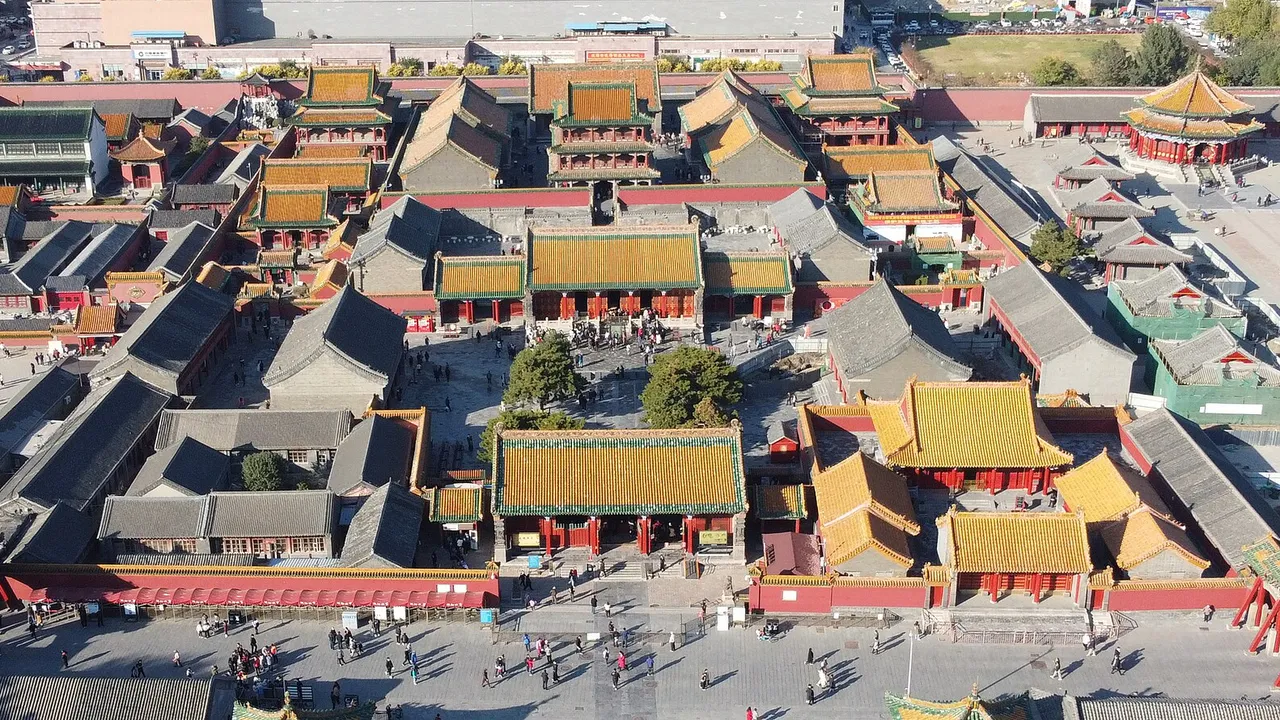
Shenyang Bathhouse Culture: The Right Way into the City's Social Parlor
The afternoon belongs to the bathhouse. In this city the bath center fuses hot pools, sweat lodges, restaurants and parlors; one ticket buys a day of scrubbing, steaming, lounge time and the buffet, and locals spend whole weekends inside.
The sequence runs locker, shower, scrub (separately priced or bundled), steam, eat, recline. First-timers need no ceremony, just follow the crowd; the scrub masters' craft deserves one dedicated try.
The Old North Market: A Lamplit Close to Three Urban Days
Give the last night to the old North Market. Under the lights, snacks, stage and creative stalls interleave, closing a ledger with one line each: the old street's flavor, Tiexi's history and new Shenyang's ease.
Dinner in the market with candied haw and skewers as dessert; after the crowd peaks the metro nears its last trains, taxis under twenty minutes, and the city's puzzle sits complete.
| Getting around |
|
| Budget | Tickets (industry museum free) plus meals and shows run about RMB 400-700 pp, bathhouse RMB 100-200, hotels excluded. |
| Best time | Year-round; the Xingshun market runs roughly April-October, and winter swaps it for indoor baths and theatres. |
FAQs
Will a first bathhouse visit feel awkward?
No, signage and flow are clear, just follow the crowd; zones are gender-separated with scrub and massage clearly priced. Prepare only three things: lock valuables, bring or buy swimwear for mixed areas, and never soak after heavy meals or drinks.
Is the Xingshun market really gone in winter?
The open-air market runs on seasons, roughly April-October. Winter substitutes are the old North Market with indoor zones and Xita's late barbecue, while winter-night socializing moves into bathhouses, a local specialty.
Is it fine that the palace and mansion are missing?
Yes, this route reads the city, not the checklist. To cover both, compress day one's Zhongjie to half and insert palace plus mansion by day, keeping the evening show; feasible but full.
Is late-night getting around safe?
Main streets and market zones stay lit and dense, safe in normal hours; for deep-night exits, ride-hail and check the plate, and at Xita and Xingshun the closing rush queues taxis, so booking ahead saves ten minutes.