
Shenyang's history runs one clean line: birthplace of the Qing and storm center of the modern northeast. Three days follow the chronology: day one, palace and mansion, from the Later Jin's tent-court to a Republican compound; day two, the September 18th museum and Beiling, national calamity first and early-Qing tomb rite after; day three, the Fu Mausoleum and the Liaoning Museum, completing the Qing's origins and the northeast's ancient past.
Palaces and tombs are outdoor-heavy while the museums are fully indoors, so any weather U-turn swaps the order, the itinerary's great flexibility. Metro plus taxis cover everything: palace, mansion and Zhongjie share the old town's walking radius while the two tombs sit north and east, half a day each.
Itinerary at a glance
| 08:30 | Shenyang Imperial Palace: In through the Great Qing Gate |
| 13:00 | Dazheng Hall and Ten King Pavilions: A Tent-Court Made Architecture |
| 15:00 | Zhang Family Mansion and the Great Qing Building: The Republican Turn, in situ |
| 09:00 | September 18th History Museum: The Weight of Day Two |
| 13:00 | Beiling (Zhao Mausoleum): The Complete Sample of Early-Qing Tomb Rite |
| 15:30 | China Industry Museum: The Old Workshops of the Republic's Equipment Age |
| 09:00 | Dongling (Fu Mausoleum): The Morning of the 108 Steps |
| 14:00 | Liaoning Provincial Museum: Completing the Ancient Northeast |
| 18:00 | Zhongjie: A Smoky Close to Three Days of Heritage |
The route, stop by stop
Shenyang Imperial Palace: In through the Great Qing Gate
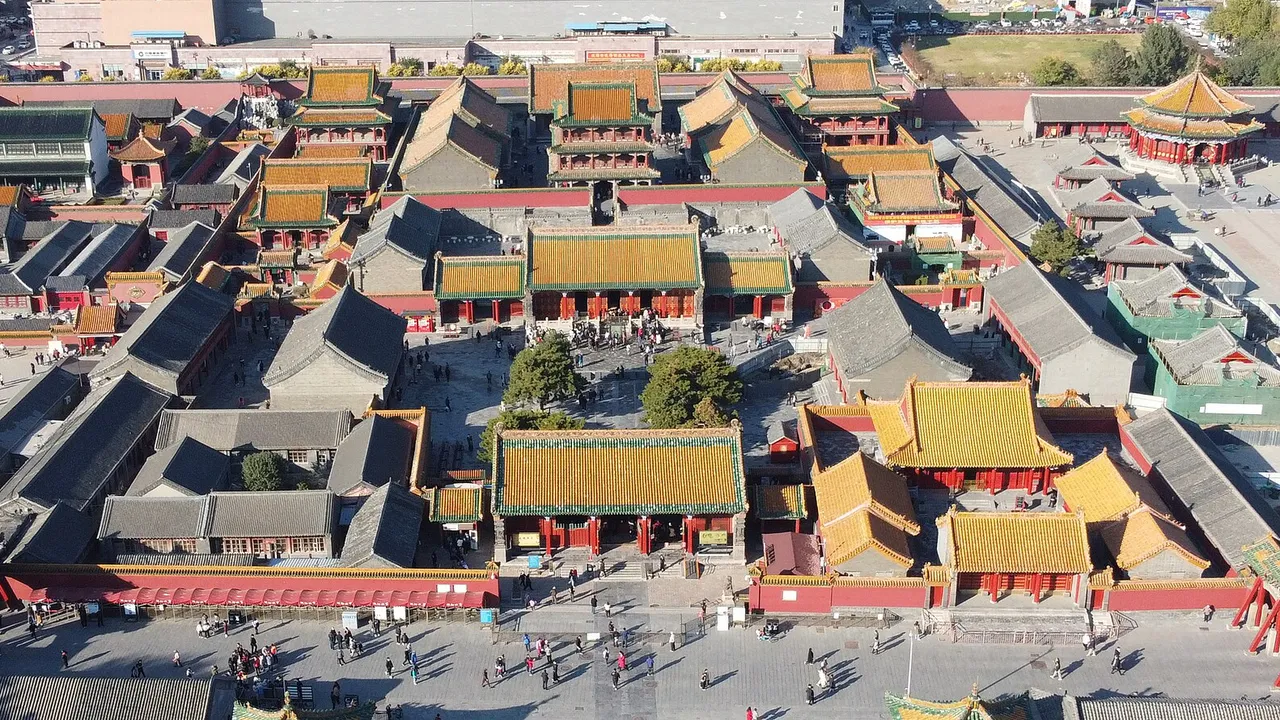
Enter at opening and take the central axis first: the Great Qing Gate, Chongzheng Hall, the Phoenix Tower and Qingning Palace, the political and residential spine of Hong Taiji's court, the tower once the city's tallest; then the western axis to Wensu Pavilion, built to house the Complete Library in Four Sections and the palace's most bookish corner.
Save the east axis for later or its own slow hour: the Dazheng Hall and Ten King Pavilions layout deserves dedicated attention. Three hours covers the palace, with icy winter footing to mind.
Dazheng Hall and Ten King Pavilions: A Tent-Court Made Architecture
Return to the palace's east axis after lunch for this ensemble alone. The Dazheng Hall's octagonal double eaves fix in timber the council tent of Nurhaci's era, and the Ten King Pavilions fan in a chevron, wing princes and banner pavilions each in place, the whole square a spread-eagled diagram of power.
Stand among the pavilions and look at the hall, imagine the khan and his lords deliberating under canvas, and the temperament gap from Beijing's palace is clearest right here.
Zhang Family Mansion and the Great Qing Building: The Republican Turn, in situ
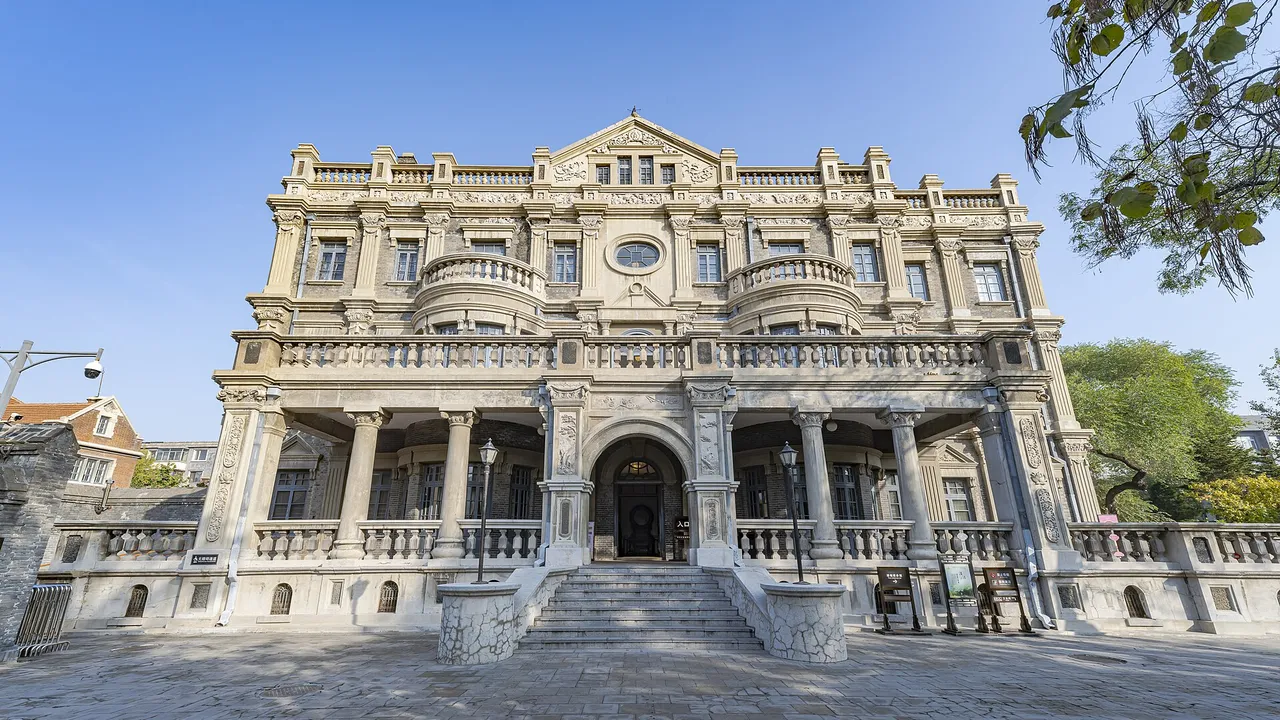
A few minutes on foot from the palace to the mansion. Courtyard houses, the Great Qing Building and the Little Qing Building form the core, and inside the Romanesque walls sat the decision center of Zhang Xueliang's northeast, the Tiger Hall affair on the second floor.
Zhao Yidi's residence and the finance museum in the old Bianye Bank ride the combo ticket, the vault and old-banknote displays surprisingly durable; give the whole compound two-plus hours.
September 18th History Museum: The Weight of Day Two
Give day two's opening to the heaviest museum. The Calendar Stone freezes the date, and the exhibition runs from the Liutiaohu incident through fourteen years of resistance, dense with objects and photographs on a one-way route, two hours for the core.
Hand it your freshest hour and pause at the exit message wall; taxi straight to Beiling afterward, the cleanest switch of mood and legs.
Beiling (Zhao Mausoleum): The Complete Sample of Early-Qing Tomb Rite
Afternoon at Beiling Park. The Zhao Mausoleum of Hong Taiji and Empress Xiaoduan lines its spirit way with stone statues and three-century pines, the Hall of Grace, square city and treasure dome in complete form, the largest of the three early-Qing tombs outside the pass.
Climbing the square city to look back down the spirit way is the stop's standard close; afternoon hush lets pine wind out-sound the visitors, and the park's lake and forest paths make a gentle cooldown.
China Industry Museum: The Old Workshops of the Republic's Equipment Age
Taxi to Tiexi after lunch. The museum is a refounded old casting works, machine tools, ladles and whole production lines arrayed under the vast workshop roof, freezing in place the years when Shenyang served as the Republic's equipment-manufacturing base.
The point is scale: original sand molds and cranes remain in position, and standing mid-floor you can picture the era of running molten iron; two hours for the core, the trip's closest brush with contemporary history.
Dongling (Fu Mausoleum): The Morning of the 108 Steps
Day three's morning goes to Dongling Park. The Fu Mausoleum of Nurhaci climbs its hill, and from the front red gate to the Hall of Grace rises the famous stair of 108 steps in tiers, the hilliest of the three tombs.
From the top, look back as forest and tomb architecture stack up the slope, morning light raking the spirit way; two hours for the grounds, more demanding than Zhao Mausoleum, so wear sport shoes.
Liaoning Provincial Museum: Completing the Ancient Northeast
The afternoon crosses to Hunnan. The museum's ancient-Liaoning galleries run the northeast's story complete from prehistory through the Ming, with Liao ceramics, horse tack and coinage as permanent highlights, and painting specials left to exhibition luck.
Budget two hours minimum across sprawling galleries with proper rest areas; as the trip's closing museum, it completes the ancient and modern drafts of the city you have been reading.
Zhongjie: A Smoky Close to Three Days of Heritage
Every evening lands on Zhongjie. Laobian dumplings, chicken frames with noodles and Zhongjie ice cream digest the three days' weight and step count, the old street's lamps falling on the Jishun facade, history and street life on one strip.
With energy left, an evening at the Liu Laogen Grand Stage footnotes the heritage days differently: the northeast alive, not in vitrines.
| Getting around |
|
| Budget | Tickets (palace, mansion combo, both tomb interiors) plus meals run about RMB 400-600 pp, hotels excluded. |
| Best time | April-June and September-October flatter palaces and tomb grounds; winter snow adds beauty and deep cold, so swap museum days freely. |
FAQs
Is visiting both tombs necessary?
Yes, half a day each suffices. Zhao Mausoleum shows the complete rite and spirit-way grandeur, Fu Mausoleum the hill climb of the 108 steps, two different temperaments. With time for one, choose Zhao for smoother access and greater scale.
Does it matter if all three days fall on weekdays?
Weekdays play better, with Monday the sole exception: the September 18th museum and Liaoning Museum close, so shift those two to other days while palaces and tombs open as usual.
Does the route still work in winter?
It works and gains a look: post-snow palace and tomb grounds are a northeast-only image. The cost is deep cold and short days, so cluster outdoor stops around midday and swap museum and outdoor days for leg management, treating warmth as equipment.
How should I choose guides?
Live guides earn their keep at the palace and mansion where information density is high, about RMB 20-30 pp shared; the tombs and museums carry sufficient signage for audio guides or self-reading. With budget to spare, live guiding throughout reads best.