
A city of migrants, Shenzhen settles its table on three common denominators: Cantonese morning tea, coconut chicken hotpot, and urban-village late nights. They map neatly onto three shifts of the day: tea early, coconut chicken ahead of the lunch rush, the night market only after dark.
The route runs as a loop, west-side teahouse, midtown coconut chicken, an eastern graze at Dongmen, then back west to Shuiwei's night market in Futian. All of it sits on the metro; your stomach is the only real constraint.
Itinerary at a glance
| 08:30 | Fan Lou: Opening with One Pot and Two Plates |
| 12:30 | Runyuan Siji: Shenzhen's Own Table Invention |
| 15:30 | Dongmen Old Street: An Afternoon of Walking It Off |
| 19:30 | Shuiwei Night Market: The Urban Village's Midnight Canteen |
The route, stop by stop
Fan Lou: Opening with One Pot and Two Plates
Fan Lou is Shenzhen's representative value chain for Cantonese morning tea, steady in execution. Har gow, chicken feet, salted-yolk buns and BBQ pork puffs form the base, steamed to order and quick from the cage. Shenzhen teahouses blend migrant tastes, so the dim sum runs flashier than Guangzhou's old houses, though the one-pot-two-plates ritual holds.
Morning tea done right is unhurried: a pot of pu'er or chrysanthemum, two baskets taken slowly. Before ten the room belongs to local regulars; family crowds and queues arrive after half past ten. Order the small portions to stretch the variety and save capacity for noon.
Runyuan Siji: Shenzhen's Own Table Invention
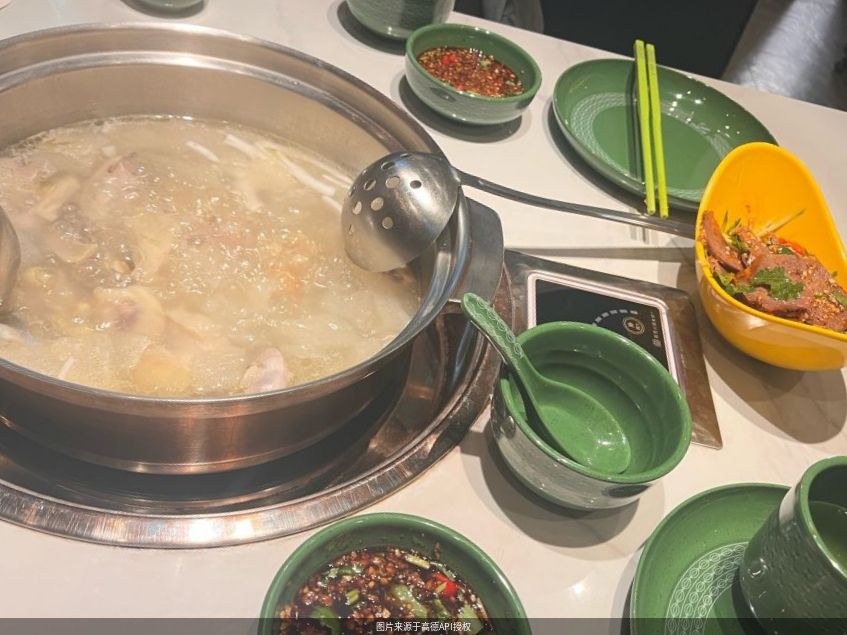
Coconut chicken is Shenzhen's own hotpot invention: a broth of three coconuts' clear juice, Wenchang chicken cut and dipped for three minutes, eaten with a sauce of calamansi and sand ginger. Light, sweet and springy, it is the migrant city's new tradition, Hainan ingredients through a Cantonese hotpot logic.
Runyuan Siji is a leading local brand with a garden-styled room, right for a proper meal. Order bamboo fungus, water chestnuts and corn as sides, drink a bowl of the plain broth before adding more; a papaya or sugarcane addition deepens the sweetness of the base.
Dongmen Old Street: An Afternoon of Walking It Off
Dongmen Old Street was Shenzhen's original market town and now runs as a wholesale-retail pedestrian sprawl. It is no battlefield for proper meals but a paradise for the snack stomach: grilled squid, egg waffles, rice rolls and street food from everywhere, spread under the arcades, ideal for walking off lunch.
The street's real value is Shenzhen's street-level density, a storefront every few paces and a crowd that never thins. Sit-down options include dessert shops styled like vintage trams and veteran soup-noodle houses; for grazing, buy everything in the smallest size and clear seven or eight stalls in two hours.
Shuiwei Night Market: The Urban Village's Midnight Canteen
Shuiwei is an intact urban village on Futian's edge, its handshake buildings hung with lanterns and signboards; after dark the whole village becomes a night market. Chaoshan beef balls, grilled oysters, sweet soups and late-night stalls pack together, with local twenty-somethings outnumbering tourists.
Fight a guerrilla campaign: start with grilled oysters and Chaoshan kway teow to lay a base, then close at a sweet-soup shop. The lanes are narrow with riders threading through, so stand in by the walls while eating and confirm prices before paying.
| Getting around |
|
| Budget | RMB 150-280 pp: morning tea RMB 60-90, coconut chicken RMB 80-120, snacks and night market RMB 50-80. |
| Best time | Any season; reach morning tea before 10:30 for tables, expect queues at coconut chicken mealtimes, and let the night market peak after 20:00. |
FAQs
Can one person actually finish this eating route?
Not at a normal appetite, and you should not force it. The right strategy is stopping at seventy percent each round: three small dim sum baskets at tea, half a chicken with few sides at the pot, one piece of each snack at Dongmen, and two stalls of capacity left for the night market. Shenzhen portions run small, so it works.
How should no-spice or seafood-allergic eaters adjust?
The route is barely spicy at all, so little changes there. Seafood allergies should skip oysters and seafood stalls, since coconut chicken, roast meats, rice rolls and sweet soups are all safe; still tell the staff your allergy. Those allergic to coconut itself should switch to a Chaoshan beef hotpot instead.
What should fill the gap between morning tea and the main meal?
Eleven to half past twelve is the natural digest window: walk a nearby commercial block or take a light stop like a park or bookshop. Avoid anything sedentary, or the noon coconut chicken defeats you and the day's rhythm breaks.
What food-safety notes apply at the night market?
Three things: choose stalls cooking to order and skip cooked food sitting out long; read turnover, since stalls queuing with locals cycle ingredients fast; and sensitive stomachs should place the market last on the day, so any trouble never costs the daytime. Carry bottled water and go easy on stall-made iced drinks.